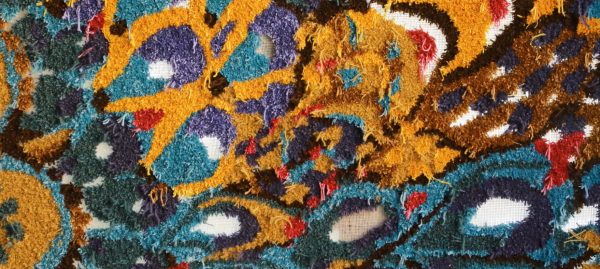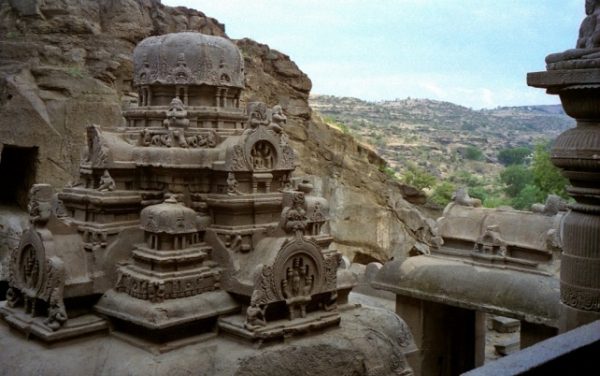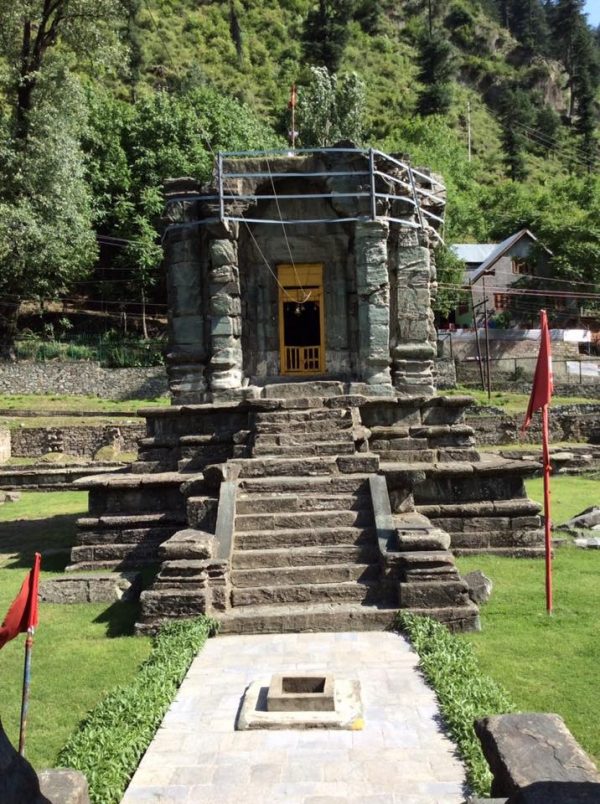
Mirzapur in Varanasi district in Uttar Pradesh is one of the oldest and most important areas of dari weaving in the country. This belt that stretches across Bhadohi, Varanasi, Ghazipur, Sonbhadra, Kaushambi, Prayagraj, Jaunpur and Chandauli districts represents the largest concentration of dari weavers in India. The whole process of Mirzapur handmade dari is labour... Continue Reading →
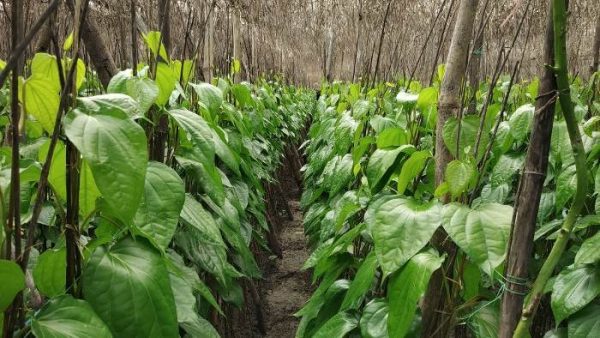
Mahoba Desawari Paan of Uttar Pradesh
The historical city of Mahoba in Bundelkhand, once known as Mahotsav Nagar was the stronghold of the Chandelas and Pratiharas. In the ninth century, the Chandela king ordered a betel vine from Udaipur - Banswara in Rajasthan and planted it in the western part of Gorakhgiri. The westerly and southerly winds at Bundelkhand are warmer... Continue Reading →
Shiva Parvati Cave Shrines, Moungri Village, Udhampur District, Union Territory of Jammu and Kashmir
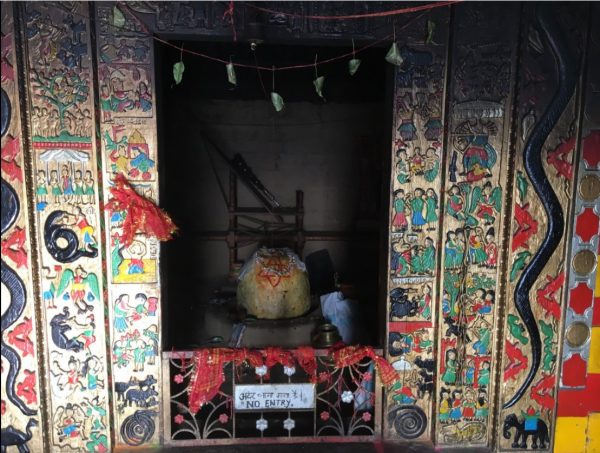
The quaint Moungri village in Udhampur district is known for its dense forests of fir, kail, oak and pine, natural waterfalls, unexplored caves and rare medicinal herbs. This place used to be called as Sonara in the ancient times. Sonara is derived from the word naara which in Dogri language means spring and according to... Continue Reading →
Datta Mandir, Uri, Baramulla District, Union Territory of Jammu and Kashmir
Sir Marc Aurel Stein, a Hungarian-born British archaeologist is credited with mapping all the ancient sites in Kashmir during one of his many expeditions in the 1900s. Also considered by many to be a great Indologist, Aurel Stein was a Sanskrit scholar and translated the famous Rajatarangini written by the Kashmiri historian Kalhana. That... Continue Reading →
Yula Kanda, Rora Valley, Kinnaur District, Himachal Pradesh
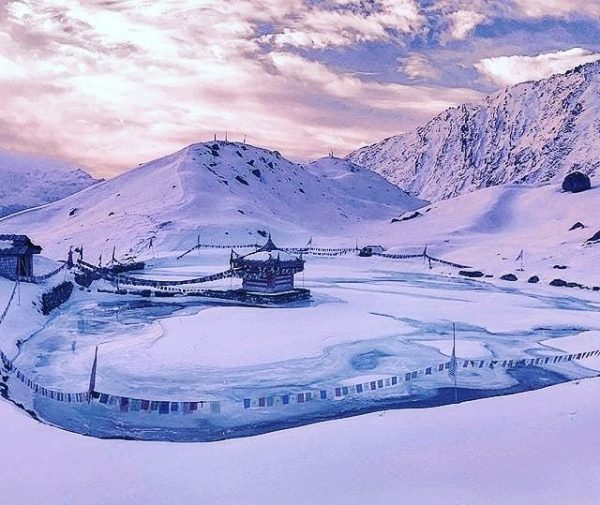
The world's highest Krishna temple is seated at an elevation of 12,778 feet in the middle of the picturesque Yula Kanda lake hidden deep in the Rora Valley of Kinnaur and surrounded by the majestic snow-capped Himalayas. One has to travel from Tapri towards Yula and walk 12 kms from Yula to reach this ancient... Continue Reading →
Jalgaon Brinjal of Maharashtra
Jalgaon located in Khandesh in Maharashtra is popularly known as the 'City of Brinjals'. Light green brinjals from Jalgaon district comprising of fifteen talukas of Jalgaon, Jamner, Erandol, Dharangaon, Bhusaval, Bodwad, Yawal, Raver, Muktainagar, Amalner, Chopda, Parola, Pachora, Chalisgaon and Bhadgaon are used for preparing the famous Khandeshi vangyache bharit. Locals say that brinjals are... Continue Reading →
Harmal Chilli of Goa
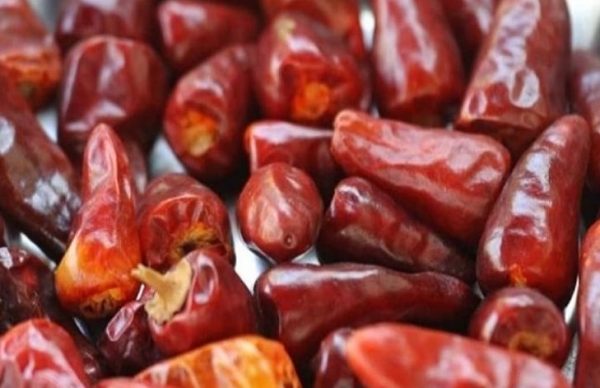
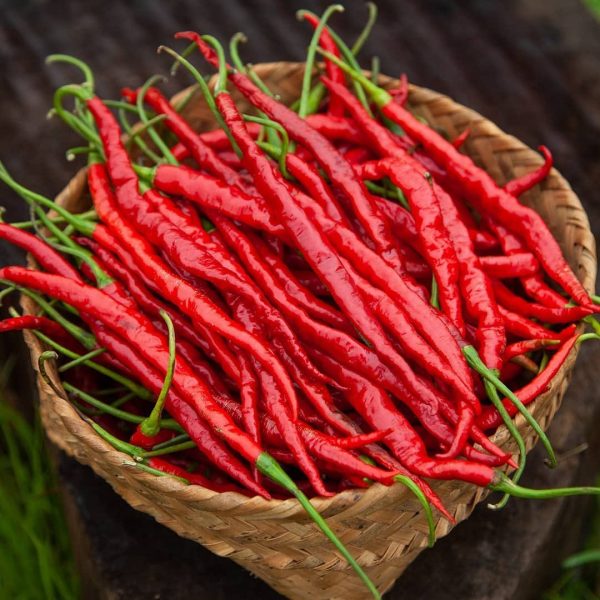
The famed Harmal chilli derives its name from the area of cultivation, Harmal which is a coastal village in the Pernem taluk in North Goa district. Elders in the village say that this chilli has been grown extensively in the traditional way for about 150 - 200 years. Each and every household is in some... Continue Reading →
Kanyakumari Cloves
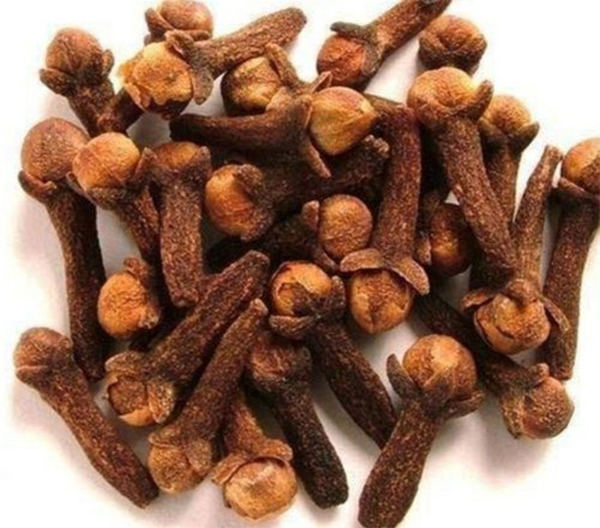
Tamil Nadu is the largest producer of clove in the country with Kanyakumari district contributing a sizeable portion to the total production. Clove was introduced in India around the 1800s by the East India Company in its spice garden in Courtallam. The dense wooded areas of Maramalai, Karumparai and Vellimalai in the Western Ghats of... Continue Reading →
Peer Kho Cave Temple, Jammu, Union Territory of Jammu and Kashmir
One of the most ancient Shiva temples in Jammu also known as the "City of temples" is the Peer Kho cave temple. This historic temple is situated on the banks of the holy Tawi river surrounded by igneous rocks and acacia forests. Locals regard this cave temple to be the oldest in the Shivalik region.... Continue Reading →
Shankaragaurishvara Temple, Pattan, Baramulla District, Union Territory of Jammu and Kashmir
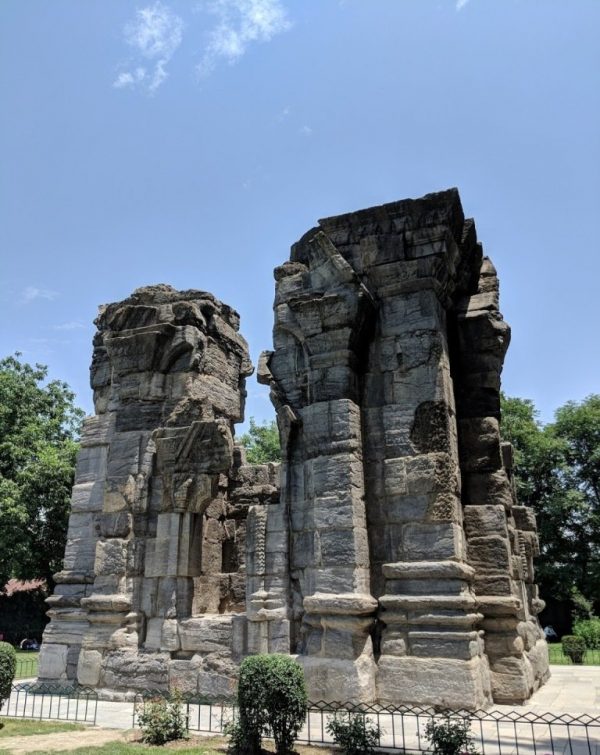
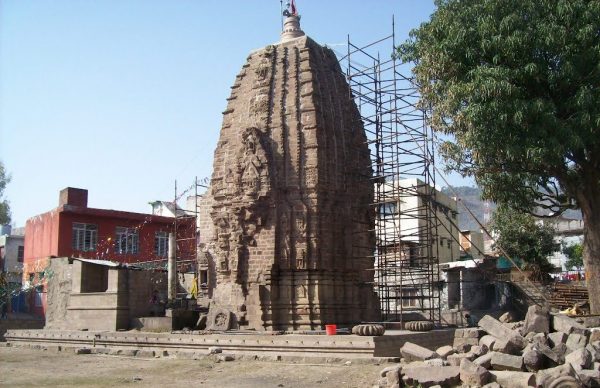
Shankaragaurishvara Temple in Pattan is an exemplary example of Kashmiri temple style architecture prevalent in the 9th century. Modern Pattan is actually Shankarapattana, the capital founded by Shankaravarman of Utpala dynasty. Both Shankaravarman and his father Avantivarman were patrons of art, architecture and Sanskrit literature. Their noteworthy contribution to the revival of Hindu philosophy and... Continue Reading →
Mahabilwakeshwar Temple or Harihara Temple, Billawar, Union Territory of Jammu and Kashmir
Billawar also known locally as Balaur is a tehsil in Kathua district located on the banks of Bhinni and Naaz rivers. This town is said to have been established by Raja Bhog Pal, a son of the king of Kullu Valley in 765 CE. Subsequently, the ruling family came to be called as Balouria deriving... Continue Reading →
Sangli Turmeric of Maharashtra
Sangli located in the western part of Maharashtra is considered to be the largest and most important trading centre for turmeric in Asia. Popularly known as the 'Saffron City', Sangli has been cultivating its world-famous turmeric since the 1900s. It is said that large quantities of Sangli turmeric used to be exported through the Rajapur... Continue Reading →
Hatu Mata Mandir, Narkanda, Himachal Pradesh
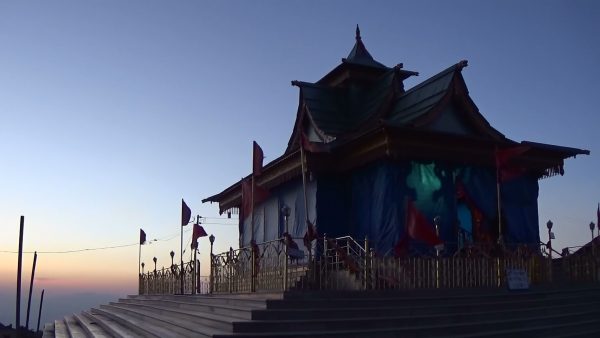
Hatu Peak at a staggering elevation of 11,152 feet (3400 metres) is the highest peak in Shimla district in Himachal Pradesh. A narrow treacherous single road, a little away from Narkanda passing through dense forests of deodar, fir, spruce, blue pine and others on one side and a dizzying fall into a valley below leads... Continue Reading →
Bijli Mahadev Temple, Kullu, Himachal Pradesh
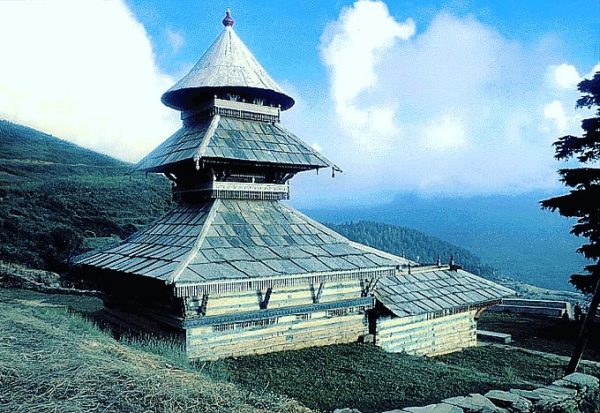
Bijli Mahadev temple is one of the most ancient and sacred temples in the spectacular Kullu Valley in Dev Bhoomi Himachal Pradesh. This temple is seated at an altitude of 2,460 metres and an arduous trek of 7 – 8 km through a scenic Cedar forest leads you to this divine place that offers a... Continue Reading →
Aadi Brahma Temple and Aadi Purkha Temple, Himachal Pradesh
The breathtaking Kullu Valley flanked by Dhauladhar and Pir Panjal ranges of the Lesser Himalayan mountains on either side is referred to as the Valley of Gods or Eden of Apple. This historical place was called as Kulantapitha meaning end of the habitable world and is held in high esteem in the ancient texts of Brahmanda... Continue Reading →
Ajara Ghansal Rice, Ajara Taluka, Kolhapur District, Maharashtra
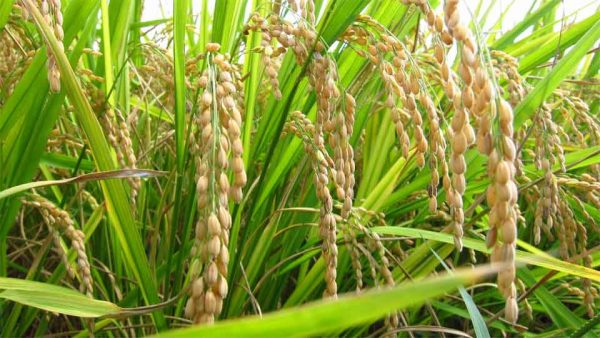
Scented rice has always been a prized possession in regional economies since the days of yore. Different varieties of indigenous scented rice have been cultivated in different parts of India since ancient times. Both Charaka and Sushruta have extolled the medicinal values of fragrant rice in their respective treatise. Ajara Ghansal rice grown in... Continue Reading →
Hathei Chilli of Manipur
Hathei chilli or umoruk as it is called in the local dialect is considered to be God's gift and the pride of Ukhrul for the people of Sirarakhong. This special chilli along with the seven other organically grown varieties of chilli in Manipur have been cultivated for generations. Hathei chilli thrives only in the Mahadev... Continue Reading →
Parashuram Kund, Lohit District, Arunachal Pradesh
Parshuram kund located in Lohit district on the banks of the lower level of Lohit River (a tributary of the Brahmaputra River) is one of the most sacrosanct places not only in Arunachal Pradesh but also in India. This holy place finds mention in Srimad Bhagavata Mahapurana and is dedicated to Parashurama, the sixth avatar... Continue Reading →
Malinithan, Likabali, Arunachal Pradesh
The ancient town of Malinithan situated at the foothills of the Siang Hills in Likabali is steeped in religion, history, culture and architecture. Legend has it that when Lord Krishna kidnapped Rukmini Devi, they passed this beautiful location on their way to Dwaraka from Vidarbha. They found Lord Shiva and Parvathi Devi deep in tapas in... Continue Reading →
Siddheshwar Nath Temple, Kardo Forest, Ziro, Arunachal Pradesh
In 2004, a young woodcutter was felling a tree in the dense Kardo jungle in the holy month of Shravan. Much to his amazement though, the tree did not fall down in the spot where it should have but instead changed direction and fell down a few kilometres away. The woodcutter was puzzled by this... Continue Reading →
Rataul Mango of Uttar Pradesh
The Rataul mango was discovered by the renowned mango aficionado, Sheikh Mohammed Afaq Faridi (grandson of the late Abdur Razzak who cultivated the first mangoes in Rataul in the late 1800s) while taking a stroll in a farm. Sheikh Mohammed Afaq Faridi was so passionate about mangoes that he could tell the variety just by... Continue Reading →
Naga Cucumber
Cucumber is said to have been cultivated by many indigenous communities in India for more than 3,000 years. Cucumber has been grown by tribals in Nagaland for centuries. It is one of the most important crops of the North Eastern states and Nagaland ranks fifth in area under cultivation and third in production. The... Continue Reading →
Munsyari Rajma of Uttarakhand
The famed Munsyari rajma derives its name from Munsyari, situated at the entrance of Johar valley (used to be an important trade route with Tibet in ancient times) in Uttarakhand at an altitude of 7,200 feet. Munsyari rajma or rajmash as it is popularly known is a valuable cash crop grown in North Western Himalayan... Continue Reading →
Kapileshwar Mahadev Temple, Almora, Uttarakhand
Almora in Dev Bhoomi Uttarakhand is renowned for its ancient heritage (primordial human settlements and early Aryan people), culture, history (mentioned in the Puranas and Mahabharat), art and food. There are many temples built here by the Chand dynasty who catapulted Almora into a formidable seat of power in the 1500s. The beautiful Kapileshwar... Continue Reading →