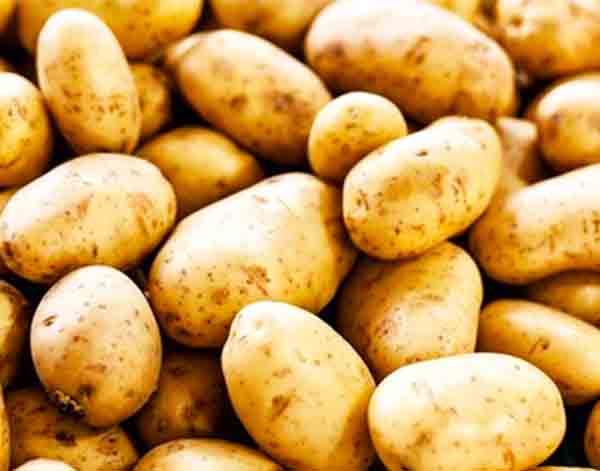
It is perhaps not known to many that Bharat is the second largest producer of potato (Solanum tuberosum) in the world. The top five states with the highest area under cultivation and production are Uttar Pradesh, West Bengal, Bihar, Gujarat and Madhya Pradesh. This rabi crop is grown extensively in the potato clusters of Indore,... Continue Reading →
On the history trail: The Battle of Bhopal
As the Maratha bands began to harass the Mughals with their famed guerrilla tactics pushing them towards the south where Peshwa Bajirao was waiting in Malwa, the Nizam decided to take shelter in a fortified enclosure where he could keep his men safe and wait and watch. He however, found himself coming straight towards... Continue Reading →
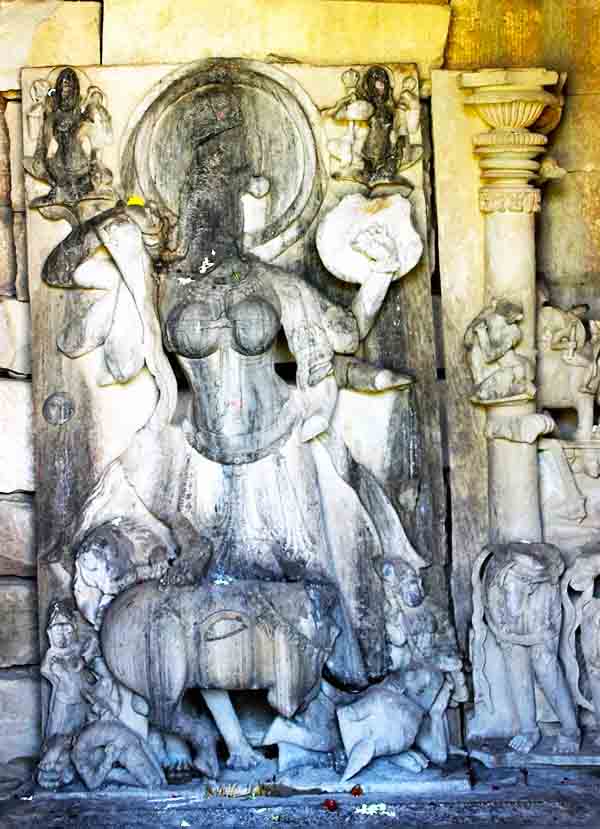
Ashtamata Temple, Baroli Group of Temples, Baroli Village, Rawatbhata, Chittorgarh District, Rajasthan
One of the most beautiful temples in the Baroli group of Temples is the 10th century Ashtamata Temple. This temple built by the Gurjara - Pratiharas in the typical Nagara style of architecture is an outstanding example of subtle elegance combined with exquisite craftsmanship. The temple also known as Mahishasura Mardini Temple faces east... Continue Reading →
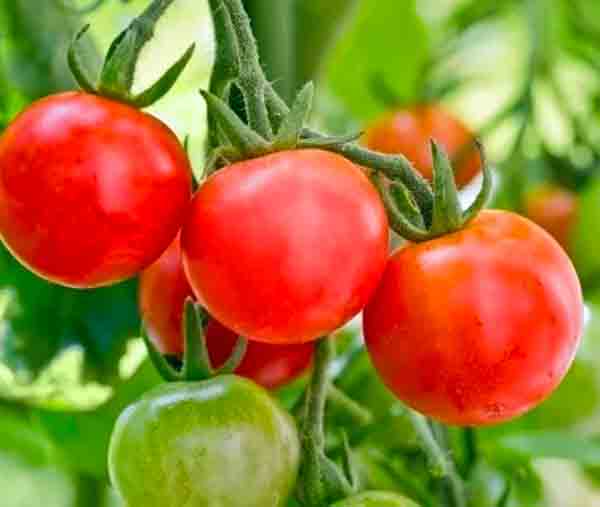
Anuppur Tomato
Madhya Pradesh, a pioneer in organic, zero and natural farming has in recent years developed a formidable reputation in the country as a leader in agricultural production and food processing. This state has eleven agro - climatic zones which favour the cultivation of multitude of crops, vegetables, fruits, aromatic and medicinal plants and flowers throughout... Continue Reading →
On the history trail: Nizam-ul-Mulk prepares to fight Peshwa Bajirao and the Marathas
Nizam-ul-Mulk after being accorded the highest honours by the ruler at Delhi left the capital in October 1737 with a thirty thousand strong army equipped with artillery on a singular mission to chase the Marathas away from the rich provinces of Bundelkhand and Malwa. He turned south, crossed the Jamuna River near Agra and... Continue Reading →
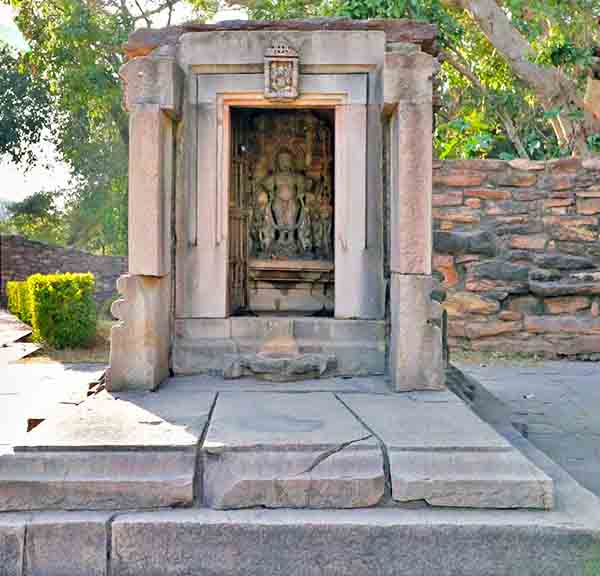
Vamanavatar Temple, Baroli Group of Temples, Baroli Village, Rawatbhata, Chittorgarh District, Rajasthan
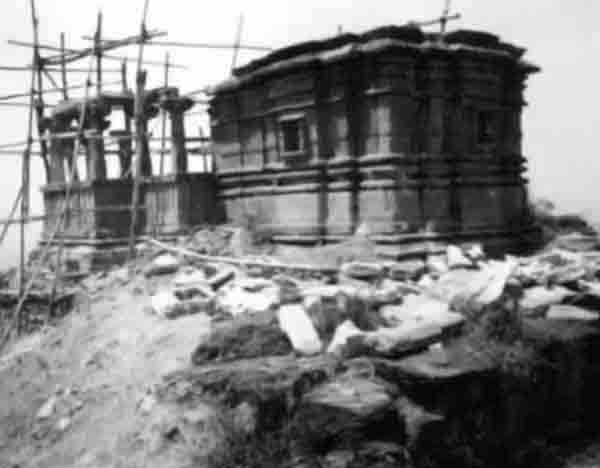
The Baroli group of Temples located in the sleepy village of Baroli is an excellent example of 10th century temple architecture. Built by the Gurjara - Pratiharas in the typical Nagara style, this temple complex is one of the earliest of its kind comprising of nine temples built as per the tenets of the Shilpa... Continue Reading →
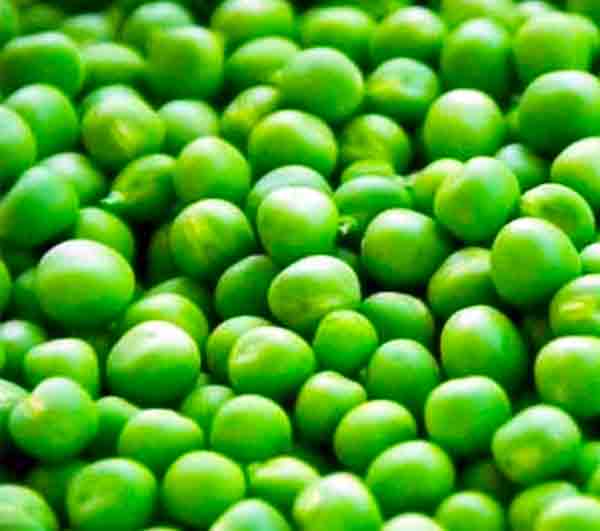
Jabalpur Green Pea
It is perhaps not known to many that Bharat is the second largest producer of green peas in the world contributing a little more than 15 percent to the total production. The states of Uttar Pradesh, Madhya Pradesh, Punjab, Jharkhand and Himachal Pradesh have the highest area under cultivation and production in the country. ... Continue Reading →
On the history trail: Nizam-ul-Mulk despatched to humble Peshwa Bajirao
The Maratha operations came to be clearly defined from the year 1736 with Peshwa Bajirao handling the Maratha - Mughal hostilities in the north and Chimaji Appa leading the Marathas in the south. They were ably assisted by Avji Kavde, Raghuji Bhosle, Vyankatrao Ghorpade and others. After the ruler at Delhi faced an ignominious defeat... Continue Reading →
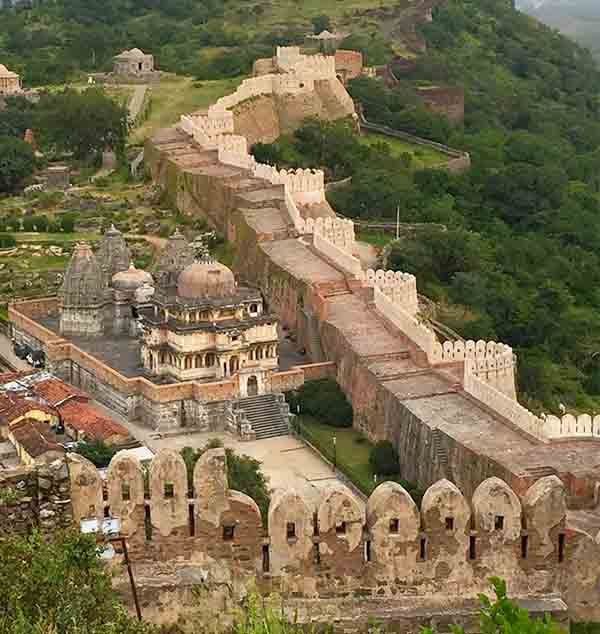
Shiva Temple, Kumbhalgarh Fort, Rajsamand District, Rajasthan
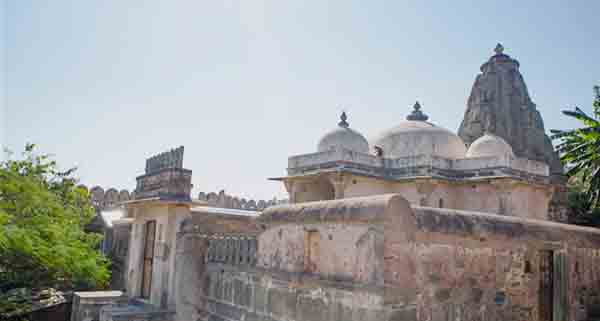
The magnificent Kumbhalgarh Fort is dotted with stunning temples dating back to the 8th century. Though most of these temples are in ruins today, they still manage to exude quietude, charm and elegance. One such temple is the ancient Shiva Temple located to the east of the Golera group of temples that has now... Continue Reading →
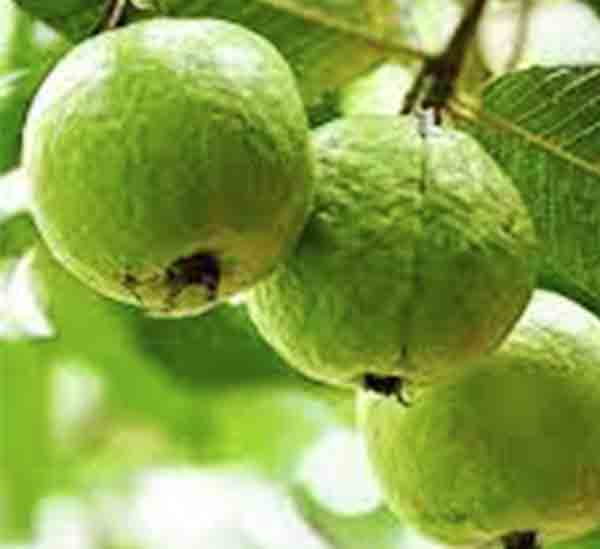
Sehore Guava
Bharat is the world’s largest producer of guava with the states of Uttar Pradesh, Madhya Pradesh and Bihar having the highest area under cultivation and average annual production. It is estimated that guava (Psidium guajava) is the fourth most important fruit crop after mango, banana and orange. Known locally as jamaphal, the humble guava is... Continue Reading →
On the history trail: Peshwa Bajirao dashes to Delhi
A very disagreeable report of Peshwa Bajirao by Yadgar Khan reached the ears of the ruler at Delhi. A warlike atmosphere was seen in both Delhi and Satara during the monsoon of 1736. The Peshwa instructed Ranoji Scindia and Malharrao Holkar to set up camp in Malwa and review the situation. The Peshwa held long discussions... Continue Reading →
Vedi Temple, Kumbhalgarh Fort, Rajsamand District, Rajasthan
Maharana Kumbha is considered to be one of the finest architects of the 15th century and highly proficient in Sanskrit, ancient Hindu literature, scriptures and treatises particularly the Shilpa Shastra. Every edifice commissioned by him has proved to be an excellent example to understand the science of Hindu philosophy and tenets of Shilpa Shastra. ... Continue Reading →
Bhind Bajra
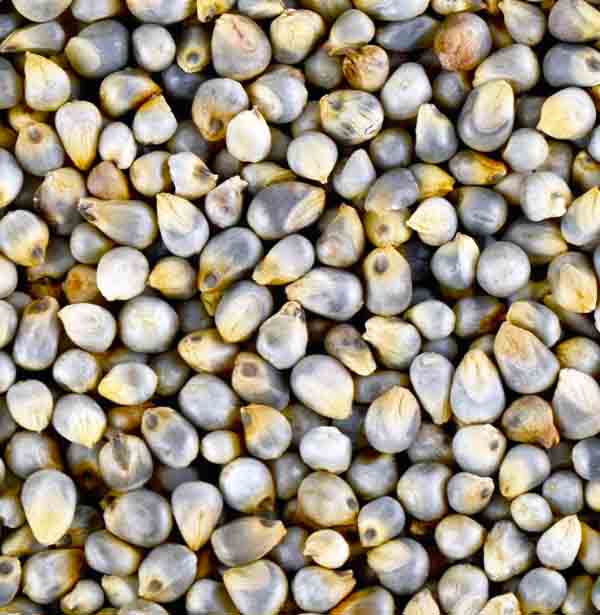
Bhind district prone to drought and very less rainfall has in recent years become the hub for bajra and jowar cultivation. Small and marginal farmers who were highly dependent on rainwater for their farmlands for decades decided to shift to cultivating millets that would survive in these harsh climatic conditions and arid and semi -... Continue Reading →
On the history trail: The ruler at Delhi refuses to meet Peshwa Bajirao
Peshwa Bajirao received tributes from all quarters during his visit to Rajputana. The Mir Bakshi Khan Dowran VII (Khan-i-Dauran) sent five to ten thousand rupees daily. Sawai Jai Singh and the Peshwa held their first meeting on 4 March 1736 near Kishangarh. Their mutual respect and admiration defined the course of their discussions that went on... Continue Reading →
Surya Mandir, Kumbhalgarh Fort, Rajsamand District, Rajasthan
Surya Mandir, listed as Suraj Devri by the Archaeological Survey of India (ASI) is a 15th century (1433 - 1468 CE) temple built by Maharana Kumbha. Located near the western part of the fort enclosure, the temple sits majestically atop a hillock offering a panoramic view of the fort and its surroundings. This west... Continue Reading →
Ujjain Onion
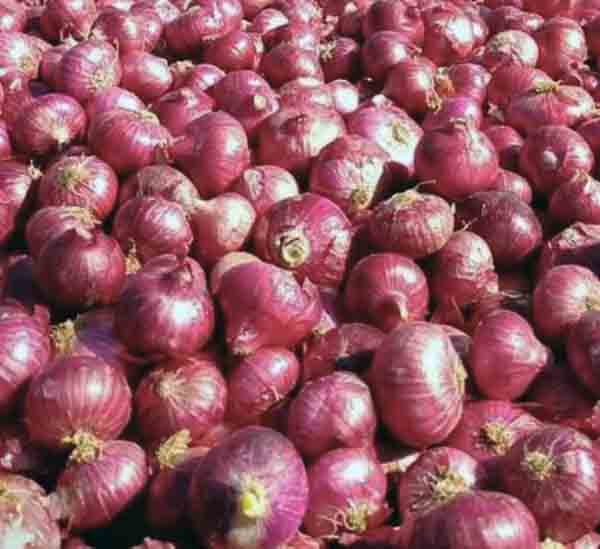
It is perhaps not known to many that Madhya Pradesh has the highest area under organic farming in the country with an extensive system that includes warehouses, cold storages, markets and micro food processing plants in place to boost the farmers' income, increase export potential and develop value - added products. Each district has its... Continue Reading →
On the history trail: Peshwa Bajirao is persuaded by Sawai Jai Singh to meet the ruler at Delhi
Sawai Jai Singh, a peaceful man by nature was tired of engaging in incessant military operations against the Marathas which greatly affected his people and province. He made a calculated estimate that the Marathas would always find a way to get the upper hand under the strong leadership of Chhatrapati Shahu Maharaj and Peshwa Bajirao. ... Continue Reading →
Charbhuja Temple, Kumbhalgarh Fort, Rajsamand District, Rajasthan
Charbhuja Temple located to the right of the famed Ganesh Temple at Ram Pol exudes quietude and simplicity. This temple was built between 1443 - 1468 CE by the exemplary Maharana Kumbha. The temple is built on a steep slope and has its own enclosure with an entrance on the east. The temple sits... Continue Reading →
Rajgarh Orange
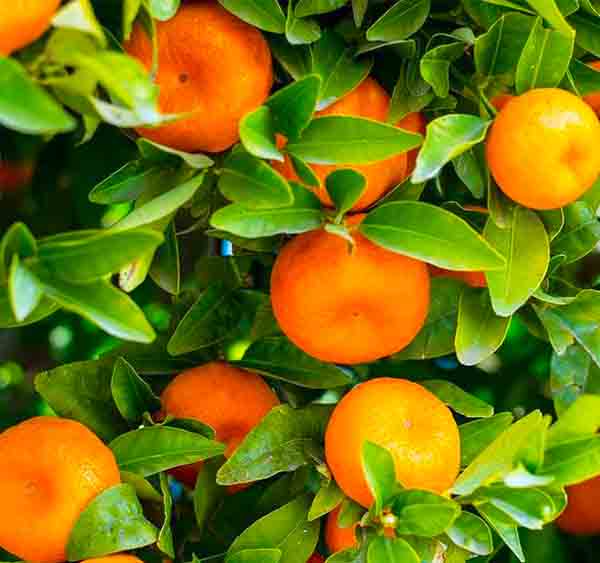
Bharat is the second largest producer of orange in the world contributing a little over 13 percent to the total production. Madhya Pradesh, Punjab, Maharashtra, Rajasthan and Haryana are the top - ranking states with the highest area under cultivation and production in the country. In fact, Madhya Pradesh alone contributes over 32 percent... Continue Reading →
On the history trail: The northern pilgrimage of Radhabai in the middle of a Maratha – Mughal war
The year of 1735 saw Radhabai, the Peshwa's mother making a successful pilgrimage through the northern part of Akhanda Bharat when tensions were running high between the Mughals and Marathas and Sawai Jai Singh was heading a military operation against the Marathas. Radhabai left Poona on 14 February 1735 with a large group. Her presence in... Continue Reading →
Ganesh Temple, Kumbhalgarh Fort, Rajsamand District, Rajasthan
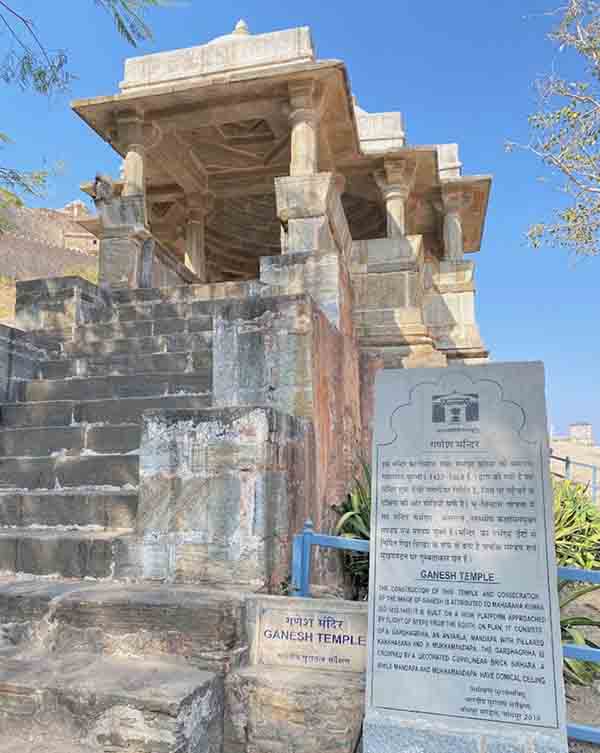
One of the earliest temples of the Kumbhalgarh Fort complex is the Ganesha Temple located near the famed Ram Pol. This temple is yet another magnificent edifice built by the master builder Maharana Kumbha between 1443 – 1468 CE. The temple stands majestically on a raised platform built according to the topography and is... Continue Reading →
Ujjain Soybean
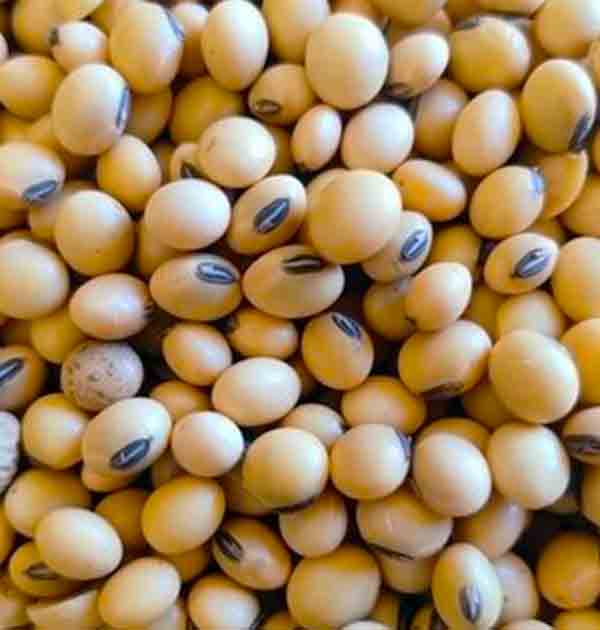
The sacred land of Ujjain is dotted with ancient temples and is renowned for its history, literature, art and architecture. This former capital of Avanti Kingdom is the divine land of the legendary king Maharajadhiraja Vikramaditya, Mahakavi Kalidasa and others. Besides the glorious heritage that has been mentioned in countless texts and treatises, Ujjain... Continue Reading →
On the history trail: The military prowess of Pilaji Jadhav, Ranoji Scindia and Malharrao Holkar
As both Peshwa Bajirao and Chimaji Appa were busy with military operations in the Deccan, Pilaji Jadhav, Ranoji Scindia and Malharrao Holkar were despatched to Malwa towards the end of 1733. These highly competent chiefs proceeded with a large army right up to Bhadawar collecting tributes on the way and returned just before the monsoon in May... Continue Reading →
Kheda Devi Temple, Kumbhalgarh Fort, Rajsamand District, Rajasthan
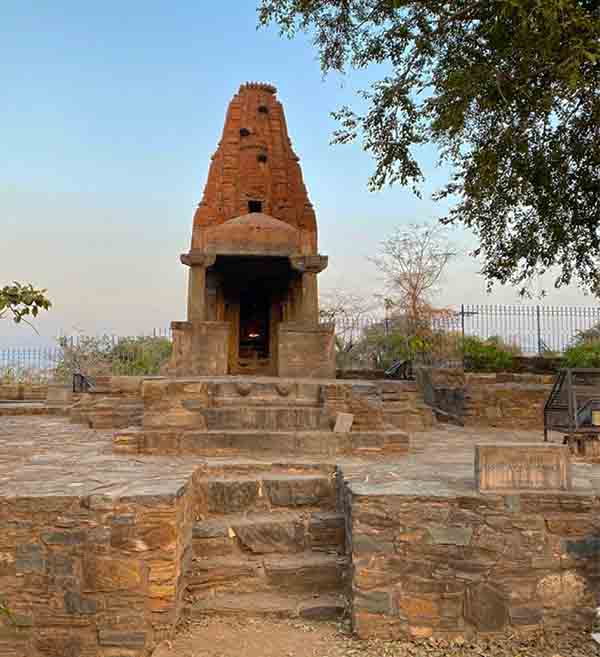
Kumbhalgarh Fort, a magnificent edifice constructed under the visionary leadership of Maharana Kumbha is dotted with stunning temples dating back to the late 8th century. The fort was built on an existing fortified structure of the early 8th century. Though the final shape and layout of this architectural, structural and engineering marvel was achieved... Continue Reading →