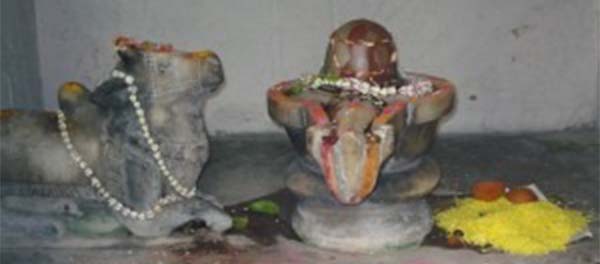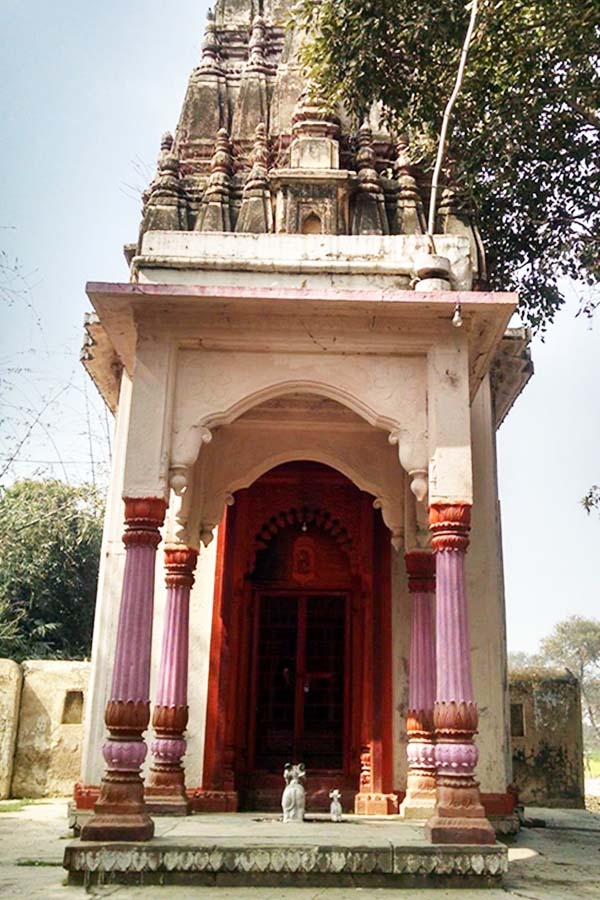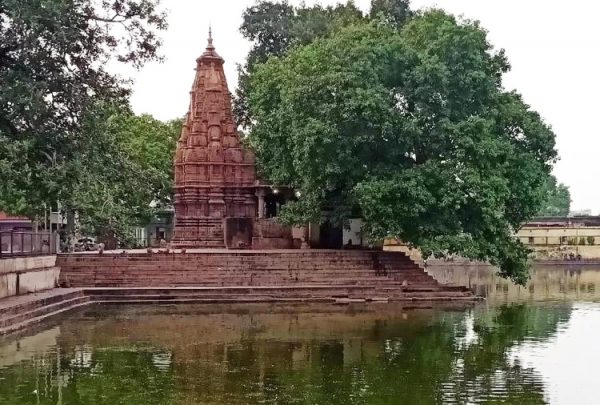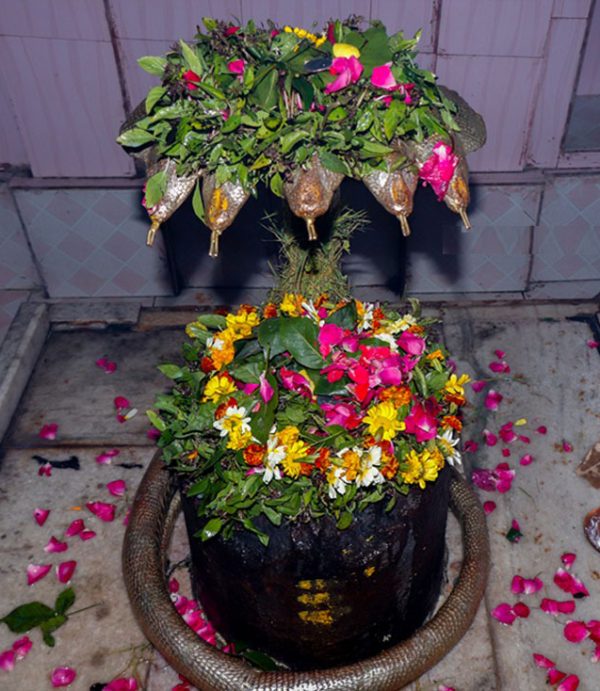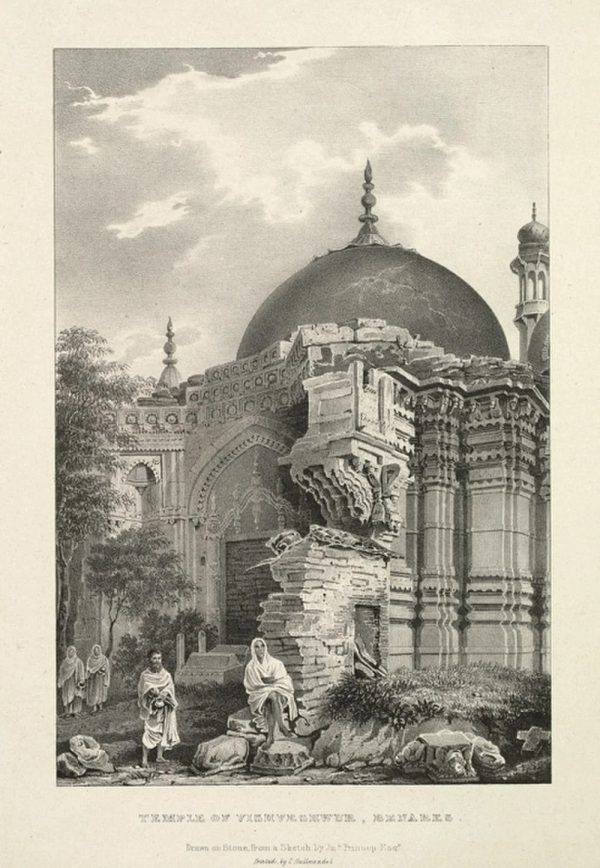
Takshakeshwar Nath Mandir situated on the bank of the Yamuna River is one of the oldest temples in Prayagraj. The temple is believed to be at least 5000 years old if not more and historical and archaeological evidence found at the site suggests that this temple has been in existence since the ancient times. ... Continue Reading →
Samudra Koop, Ulta Qila, Jhusi, Prayagraj District, Uttar Pradesh
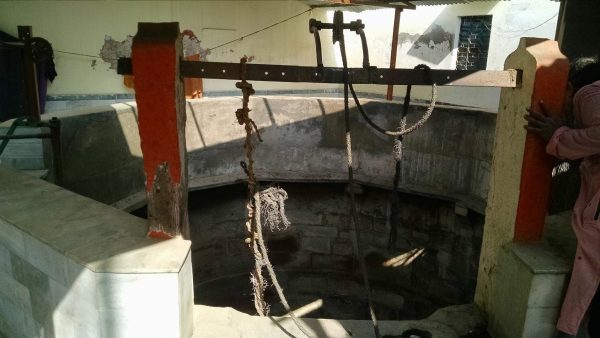
Samudra Koop that literally translates to ocean well is one of the most sacrosanct tirths of Prayagraj. Located in the archaeologically important town of Jhusi, this ancient well was established during the reign of the Chandravamsa dynasty (Lunar dynasty) roughly around 7100 BCE. Jhusi used to be known as Pratisthan Pur during the reign of... Continue Reading →
Nag Vasuki Temple, Prayagraj, Uttar Pradesh
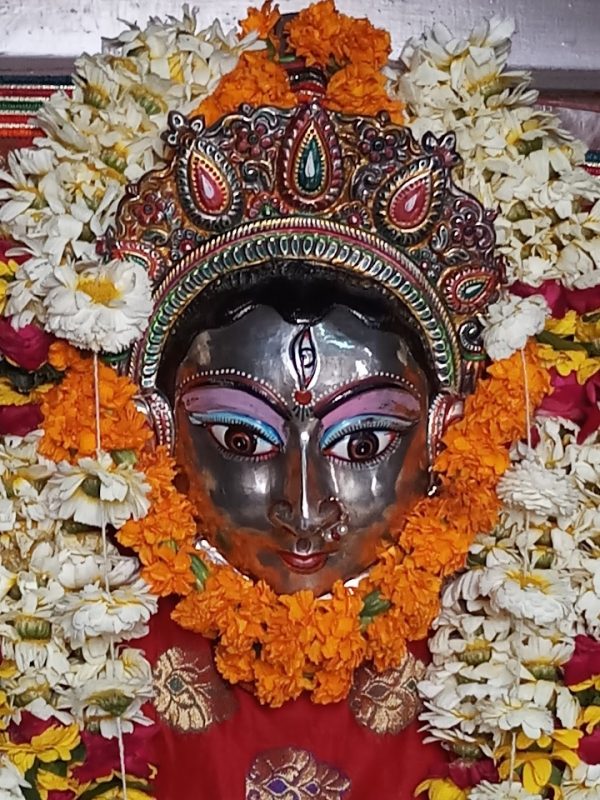
Nag Vasuki, an ancient temple located on the bank of the holy Ganges to the north of the sacrosanct Triveni Sangam draws lakhs of devotees on the auspicious Kumbh, Ardha Kumba, Magha Mela, Naga Panchami and the month of Shravan. A trip to Prayagraj is deemed complete and successful only if a pilgrim has a dip in the... Continue Reading →
Bharadwaj Ashram, Prayagraj, Uttar Pradesh
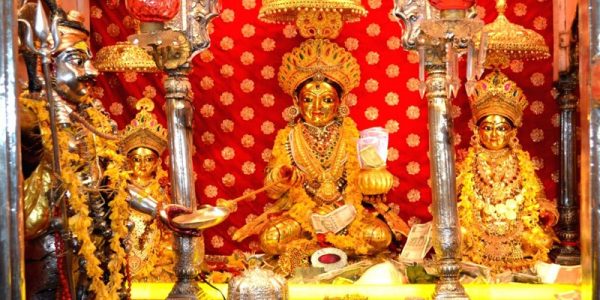
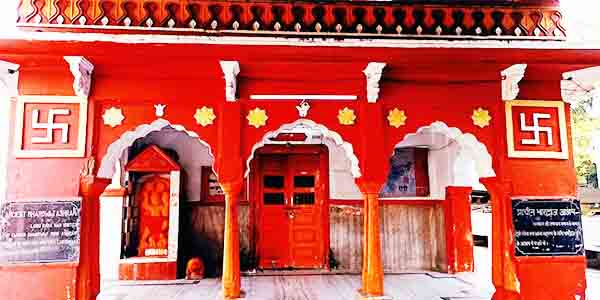
The ancient city of Prayagraj is revered for its spiritual potency, deep connection to Maryada Purushottam Rama and the Ramayana and the repository of knowledge and wisdom, Bharadwaja Brahmarshi. Bharadwaja Brahmarshi, one of the Sapta Rishis of Kali Yuga (the others are Kasyapa, Atri, Vishwamitra, Gautama, Jamadagni and Vashistha) is venerated by scholars and those well-versed in the... Continue Reading →
Garhwa Fort, Garhwa Village, Shankargarh, Bara Tehsil, Prayagraj District, Uttar Pradesh
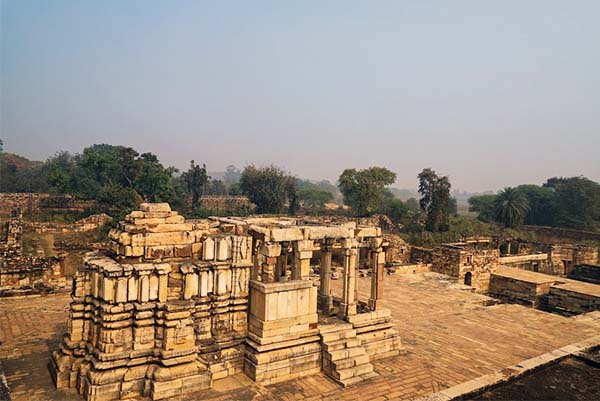
One of the lesser-known architectural gems of the Gupta period is Garhwa Fort at Shankargarh that houses a group of ancient temples, halls, tanks as well as other structures within its pentagonal stone enclosure. According to historians, Garhwa used to be known as Bhattagram (Bhattapraya) during the Gupta reign and appears to have been an... Continue Reading →
Mankameshwar Mandir, Lalapur Bhatpura Village, Bara Tehsil, Prayagraj District, Uttar Pradesh
Mankameshwar Temple is one of the oldest Shiva temples in Prayagraj and sits atop the Sheshnag Hill on the bank of the Yamuna River, a little distance away from the sacrosanct Saraswati Ghat. According to the Shiva Purana, Skanda Purana and Padma Purana, Mankameshwar is the place where Lord Shiva reduced Kamadeva to ashes. It is also... Continue Reading →
Kashikhanda: Angeerayeshwar Temple (Angirasesa or Angirasesvara Temple), Varanasi, Uttar Pradesh
The Kashi Sapta Rishi Yatra is considered to be as sacrosanct as the Kashi Panchkroshi Yatra. According to the Kashi Khanda in the Skanda Purana, the exemplary Sapta Rishis descended on the ancient city of Kashi after the Supreme Being manifested Itself as the dazzling Jyotirlinga of Kashi Vishwanath. The eternal Sapta Rishis are Atri, Marichi, Pulaha,... Continue Reading →
Kashikhanda: Panchkroshi Yatra: Kapildhara Temple (Kapileshwar Mahadev Mandir), Kapildhara, Varanasi District, Uttar Pradesh
The fifth and final paṛāva (halt) of the divine Kashi Panchkroshi Yatra is the Kapildhara Temple also known as Kapileshwar Mahadev Mandir. After offering prayers at Kardameshwar Mahadev Mandir, Bhimchandi Mandir, Rameshwar Mandir and Shivpur Mandir, devotees take a dip in the three ancient ponds of Sona Talab, Saranga Talab and Kapildhara Talab that are at the final... Continue Reading →
Kashikhanda: Panchkroshi Yatra: Shivpur Temple, Shivpur Village, Varanasi District, Uttar Pradesh
The fourth paṛāva (halt) of the sacrosanct Kashi Panchkroshi Yatra is the Pancho Pandava Mandir (Pancha Pandeshwar Mandir) located in the bustling Shivpur village. After having darshan at Kardameshwar Mahadev Mandir, Bhimchandi Mandir and Rameshwar Mandir, pilgrims head to Draupadi Kund that is located near a huge tank known as Manasarovar tirth. According to the... Continue Reading →
Kashikhanda: Panchkroshi Yatra: Rameshwar Mandir, Rameshwar Village, Varanasi District, Uttar Pradesh
The next stop on the sacrosanct Kashi Panchkroshi Yatra after Kardameshwar Mahadev Mandir and Bhimchandi Mandir is the ancient Rameshwar Mandir situated on the bank of the Varuna River in Rameshwar village. This temple of great antiquity is considered by many to be the most important kshetra or tirthasthala in the Panchkroshi Yatra. According to the Kashi Khanda... Continue Reading →
Kashikhanda: Panchkroshi Yatra: Bhimchandi Mandir, Bhimchandi Village, Varanasi District, Uttar Pradesh
The Kashi Panchkroshi Yatra is considered to be one of the oldest pilgrimage routes of the world. According to the Hindu scriptures, Lord Rama along with Sita Mata and his brothers had visited the important tirthsthalas on this ancient route to liberate his father Raja Dasharatha from the curse of the parents of Shravana Kumar (Putrashoka).... Continue Reading →
Kashikhanda: Panchkroshi Yatra: Kardameshwar Mahadev Temple, Kandwa, Varanasi District, Uttar Pradesh
One of the oldest surviving temples of Varanasi that holds the rare distinction of escaping the ruthless desecration by Muslim invaders especially the Mughals is the Kardameshwar Mahadev Mandir located near Kandwa Pokhra. This ancient Shiva Temple that forms a part of the sacrosanct Panchkroshi Yatra is one of the best preserved temples of Varanasi.... Continue Reading →
Kashikhanda: Pita Maheshwar Mandir, Varanasi, Uttar Pradesh
One of the most unusual temples of Varanasi is the Pita Maheshwar Mandir located in Sheetla Gali. As the name suggests, this temple is dedicated to Parama Pita Maheshwar Mahadev, the Father of Lord Shiva! As astounding as it sounds, this temple has been described in detail in the Kashi Khanda of the Skanda Purana as... Continue Reading →
Kashikhanda: Sri Tripura Bhairavi Mandir, Varanasi, Uttar Pradesh
One of the most ancient and lesser-known temples of Varanasi located in Vishwanath Gali is the Sri Tripura Bhairavi Mandir. As the name suggests, this form of Divine Mother is the fifth manifestation in the Dasha Mahavidya. This unique form of Divine Mother is written about in detail in the Kashi Khanda of the Skanda Purana as... Continue Reading →
Kashikhanda: Annapurna Devi Mandir, Varanasi, Uttar Pradesh
Mata Annapurneshwari Temple, located near Kashi Vishwanath Temple in Vishwanath Gali area is one of the oldest temples of Kashi. This sacred temple is dedicated to Annapurna Devi also known as Bhavani Devi by the locals and is revered as the Goddess who bestows annam (food) or alms which in reality represents knowledge and dispassion.... Continue Reading →
Kashikhanda: Kaal Bhairav Mandir (Kashi ke Kotwal), Varanasi, Uttar Pradesh
The Kaal Bhairav Mandir located in Bharonath is one of the most mysterious and interesting temples of Varanasi. Popularly known as Kashi ke Kotwal (Kōtavāla) that translates to the guardian or officer of Kashi, this temple is said to have existed since the ancient times. Legend has it that one time Lord Vishnu and... Continue Reading →
Kashikhanda: Kashi Vishwanath Temple, Varanasi, Uttar Pradesh
Situated on the western bank of the sacrosanct Ganga River in Varanasi is the grand temple of Kashi Vishwanath. As the name suggests, this ancient temple is dedicated to Vishwanatha or Vishweshwara meaning 'Ruler of the Universe' and is the first and only Jyotirlinga located on the banks of the Ganges. Varanasi also known... Continue Reading →
Kashikhanda: Durga Kund and Temple (Monkey Temple or Kushmanda Durga Temple), Varanasi, Uttar Pradesh
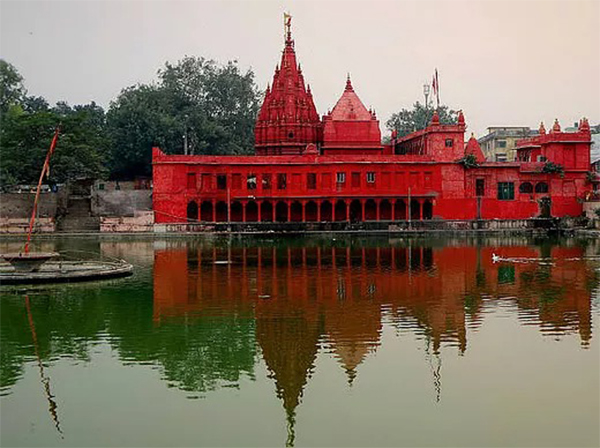
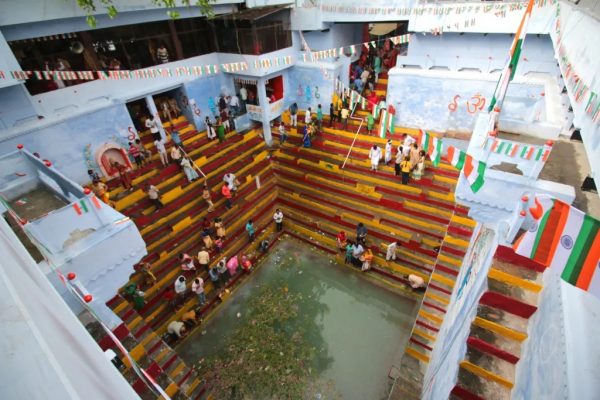
Three temples that have existed since the ancient times in Varanasi are Kashi Vishwanath Temple, Maa Annapurna Devi Mandir and Durga Kund Mandir. A visit to Varanasi is deemed complete only after one offers prayers at the Durga Kund Mandir, better known as the Monkey Temple (because of the number of monkeys that reside here).... Continue Reading →
Kashikhanda: Karkotak Nageshwar Mahadev Temple, Jaitpura, Varanasi, Uttar Pradesh
One of the most interesting and lesser-known temples of Varanasi is the centuries-old Karkotak Nageshwar Mahadev Temple located in Nag Kuan Mohalla in Jaitpura. Also known locally as Nag Kund or Nag Koopa or Nag Kuam, this ancient temple literally means well of serpents. Interestingly, the Karkotak Nageshwar Mahadev Linga remains submerged under water... Continue Reading →
Ratneshwar Mahadev Temple, Scindia Ghat, Varanasi, Uttar Pradesh
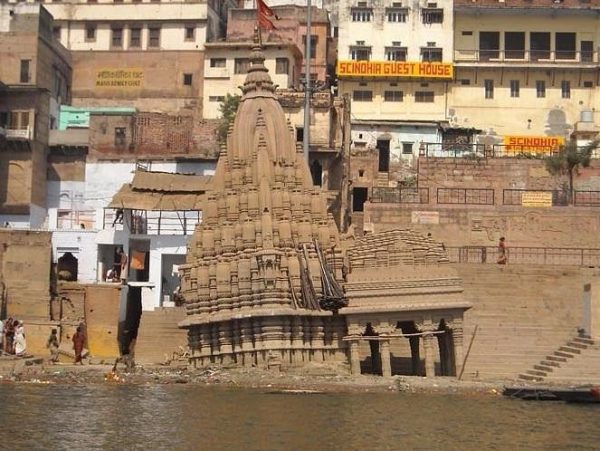
One of the most interesting temples of Varanasi that is rarely frequented by any because of the legends associated with it is the Ratneshwar Mahadev Temple at Scindia Ghat. Scindia Ghat was built by the Scindia (Shinde) dynasty who played an important role in the Maratha ascendency. This temple is located north of the Manikarnika... Continue Reading →
Kalpa Devi Temple and Astika Baba Temple, Nasirabad Village, Sidhauli Tehsil, Sitapur District, Uttar Pradesh
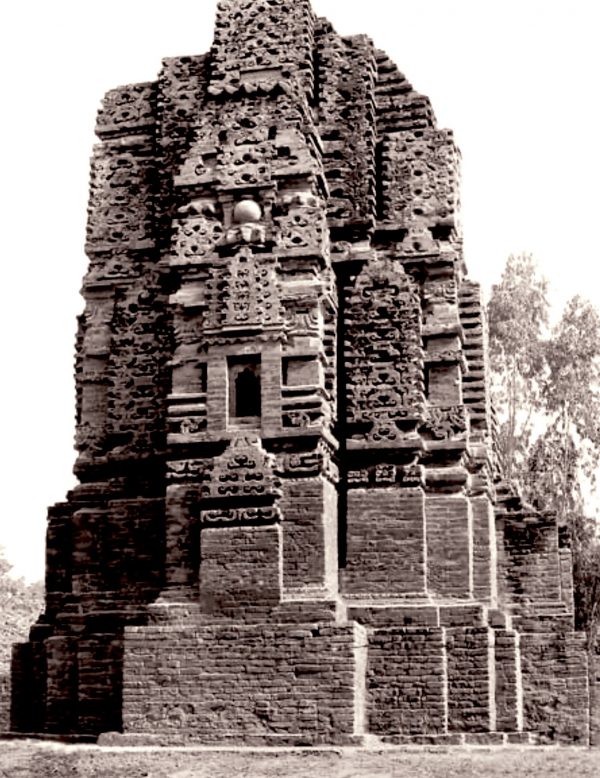
Two groups of brick temples, Kalpa Devi and Astika Baba located close to each other in Nasirabad village in the historical district of Sitapur bearing striking similarities to the brick temples built during the Gupta period have captured the interest of architects, archaeologists and historians for decades. There are remains of as many as six... Continue Reading →
On the history trail: Chhatrapati Shivaji Maharaj tricks Aurangzeb to bring back Sambhaji
Chhatrapati Shivaji Maharaj's dramatic return to Raigad on 20 November 1666 was followed by widespread rejoicings among his family, citizens and the Maratha army. Each fort fired its feu de joie unceasingly and though the celebrations were appreciated by Maharaj, he decided to issue standing orders on the exact number of gunfire for specified occasions... Continue Reading →
On the history trail: Chhatrapati Shivaji Maharaj’s adventures after his daring escape from captivity
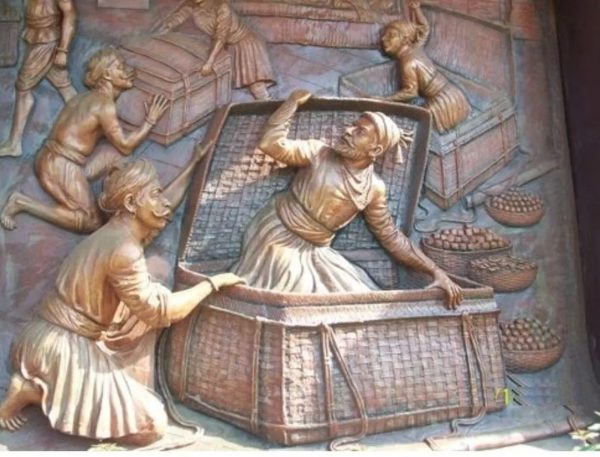
Following a hurried meeting with Ram Singh at his residence, Shivaji's half-brother Hiroji Farzand and his trusty page Madari Mehtar quickly made their way out of Agra. The guards had been instructed not to disturb 'Shivaji' as he had fallen asleep after a restless night. However, the suspicion of the guards was aroused as the... Continue Reading →
On the history trail: Chhatrapati Shivaji Maharaj’s miraculous escape from Agra
It was imperative for Chhatrapati Shivaji Maharaj to maintain the pretence of submissiveness towards Mirza Raja, Jai Singh I to effect the famous Treaty of Purandar on 11 June 1665. It was quite clear that Mirza Raja was favourably disposed towards Maharaj and sanguine about a permanent understanding between Aurangzeb and Maharaj. As time passed, Mirza Raja... Continue Reading →