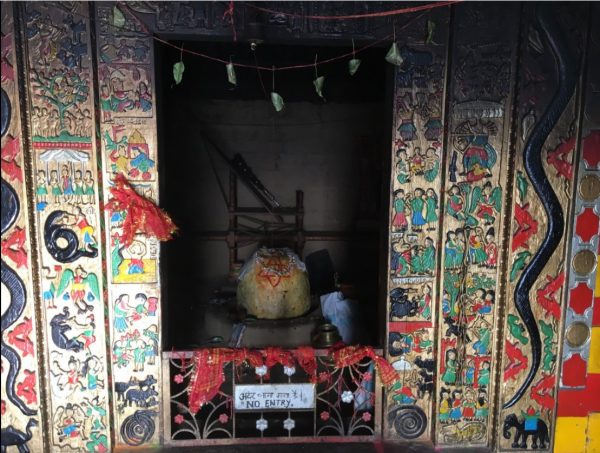
The long-established tradition of rasa leela (Dance of Divine Love) has been prevalent in West Bengal for centuries. This auspicious occasion is either celebrated on Krishna Janmashtami or on Kartik Purnima where Lord Krishna is brought from different temples and placed on a viewing pavilion called rasmancha or dolmancha. One of the most famous rasmancha is the Rasmancha at... Continue Reading →
Bardhaman Sitabhog of West Bengal
The lip-smacking Sitabhog served with nikhuti (tiny gulab jamuns) will assuredly send you to a heavenly place! This century-old sweet of Bardhaman along with Mihidana is an invention of the late Khettranath Nag. The city of Bardhaman derives its name from Mahavira or Vardhaman Swami (around the 6th century B.C.E.) and is famous for its... Continue Reading →
Bardhaman Mihidana of West Bengal
The delectable Bardhaman Mihidana that literally means fine grains was first prepared along with Sitabhog in honour of Maharaja Mahtab Chand Bahadur by the late Khettranath Nag according to his grandson, the late Nagendranath Nag. Seventy-two years later, both these dishes were served to Lord Curzon in 1904 when he visited Bardhaman on the invitation... Continue Reading →
Chettinad Kottan of Tamil Nadu
Once a part of the kingdom of the Pandyas of Madurai, Chettinadu or the land of Chettiars comprised of 96 villages founded by the Nattukottai Chettiars or Nagarthar meaning townsfolk. This aristocratic community were seafarers, bankers and businessmen. This wealthy stretch of land in Sivaganga district is famous for its architecture, art, utensils, tiles, weaving and... Continue Reading →
Lakshmana Temple, Lokpal Lake, Hemkund, Chamoli District, Uttarakhand
The ancient Lokpal lake situated at an altitude of 14,200 feet has been the focal point of many spiritually significant events. This sacred place finds mention in Ramayana, Mahabharat, Puranas and more recently in the autobiographical poem of Guru Gobind Singh. The sanctity of this place is attributed to Goddess Durga, Lakshmana and the Pandavas.... Continue Reading →
Karthik Swami Temple, near Kanak Chauri Village, Rudraprayag, Uttarakhand
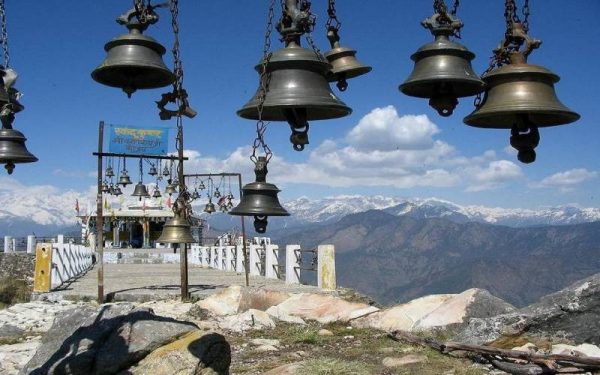
The rapturous cadence of bells ringing and the spectacular panoramic view of the Garhwal Himalayas forms the background for the ancient Karthik Swami temple situated at an elevation of 10,000 feet. This lone temple dedicated to Lord Kartikeya in Dev Bhoomi Uttarakhand finds mention in the Kumara Khanda of the Shiva Purana. A short 3... Continue Reading →
Kakramath Temple, Mahoba, Uttar Pradesh
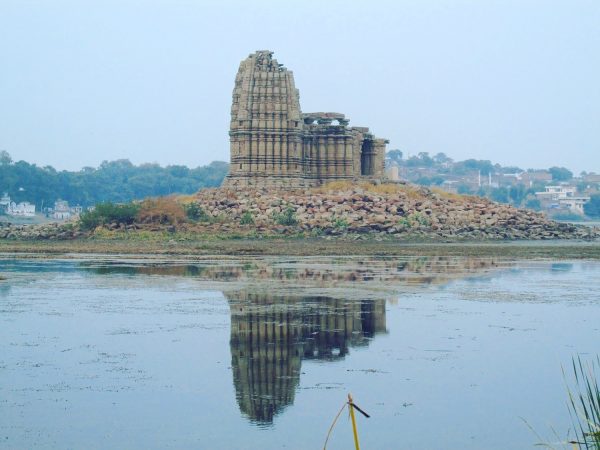
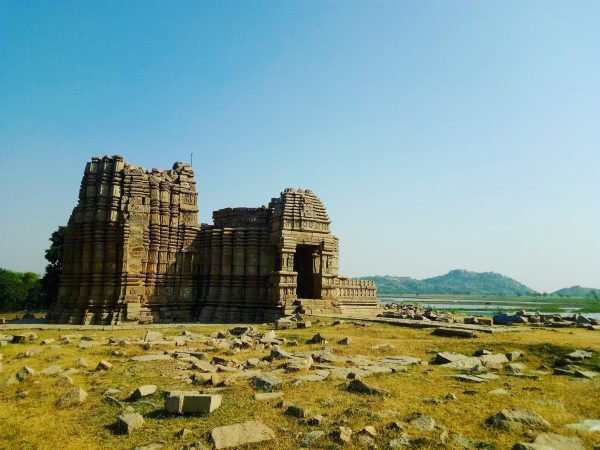
Another legacy of the glorious reign of the Chandelas in Mahoba is the stunning Kakramath temple in the middle of Madan Sagar. Kakramath temple is widely considered by architects, historians and artists to be an exceptional structure made entirely of the famous Mahoba granite. This temple is believed to have been built in the... Continue Reading →
Mangalwedha Jowar of Maharashtra
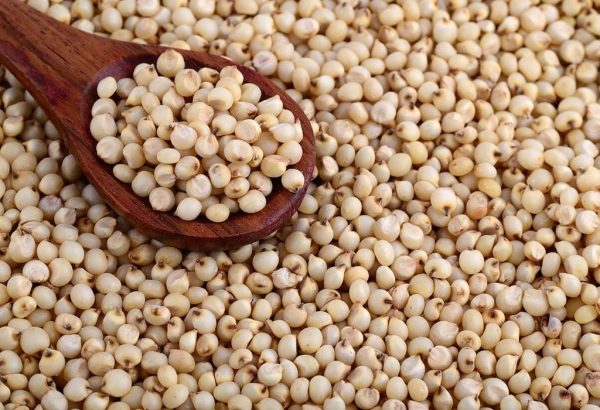
Popularly known as the 'Land of Saints', Mangalwedha taluka in Solapur district is renowned for its culture, heritage and agricultural produce. Traditional crops like sorghum, bajra, groundnuts, corn and sugarcane cultivated in this historical place has been famous for centuries. The local variety of jowar known as Maldandi jowar has been cultivated here for at... Continue Reading →
Uttarakhand Ringal Craft
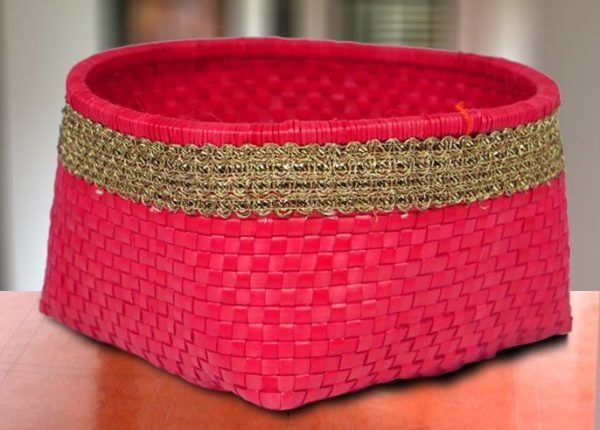
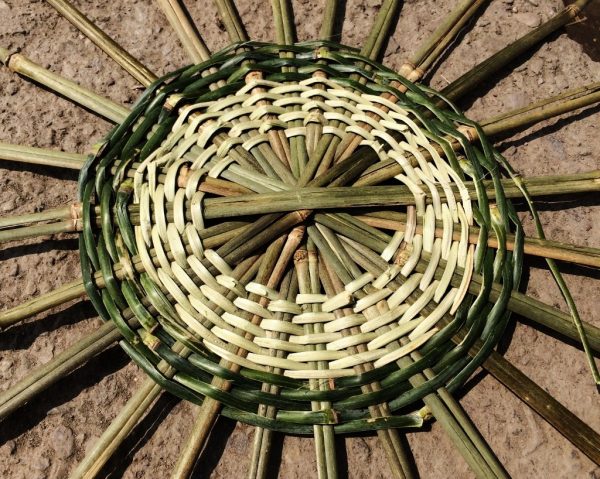
Ringal is a socioeconomically and ecologically important type of bamboo that is extensively found in the rich forests of Garhwal Himalayas. Ringal or ningaw as it is locally known is considered by the local communities to be an important resource for their livelihood. Ringal weaving is an age-old craft of Uttarakhand with almost every family directly... Continue Reading →
Chamba Chappal of Himachal Pradesh
The picturesque town of Chamba named after the devout royal princess of Bharmour, Champavati is situated on the banks of the river Ravi at an elevation of about 926 feet. Historians say that Chamba was known as Airavati in the ancient times. There are very few places in the world that can rival its stunning... Continue Reading →
Ajaigarh Fort, Ajaigarh, Panna District, Madhya Pradesh
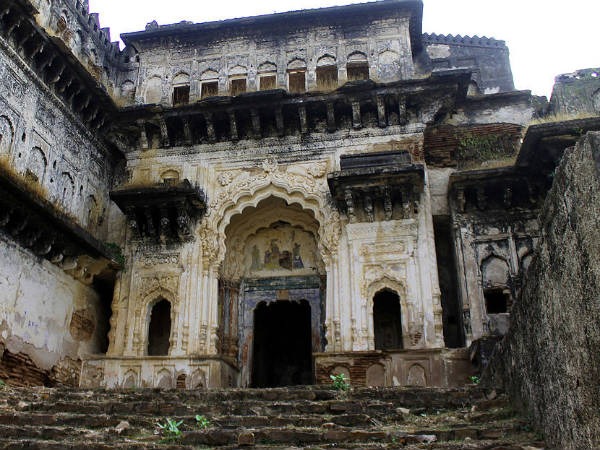
Ajaigarh located south-east of Mahoba, south-west of Kalinjar and north-east of Khajuraho formed the formidable quadrilateral seats of power, religion, art and architecture of the Chandelas. Ajaigarh is said to have been derived from the word Jaya-pura-durga which then became Jaya-garh as seen in some inscriptions found in Jaipur. This historical city was established by the... Continue Reading →
Shesha Shaiya, Bandhavgarh National Park, Umaria District, Madhya Pradesh
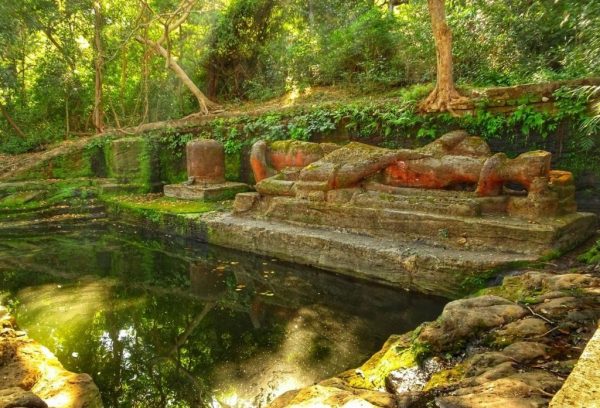
Bandhavgarh National Park is a treasure trove for wildlife enthusiasts, history buffs, naturalists and spiritualists. This ancient forest has been home to many great saints, sages and yogis as well as a strategic stronghold for many kingdoms. Bandhavgarh derived from the word bandhu which means brother and garh meaning fort has been a historically important... Continue Reading →
Rahiliya Sagar Sun Temple, Mahoba, Bundelkhand, Uttar Pradesh
The ancient city of Mahoba in the geographically and culturally important Bundelkhand region in Uttar Pradesh has played a vital role in defining the heritage, art, architecture, literature and regional food of India. This city was called Kekpur in Treta Yuga, Patanpur in Dwapura Yuga and Mahotsava Nagar derived from the grand celebrations held by... Continue Reading →
Varanasi Glass Beads of Uttar Pradesh
The ancient city of Varanasi is one of the major centres of glass beads also known as kaanch ke moti. Historians say that glass has been used since ancient times and many archaeological excavations have unearthed glass pieces and crucibles that are over thousands of years old in different parts of Uttar Pradesh. Besides this,... Continue Reading →
Mirzapur Handmade Dari of Uttar Pradesh
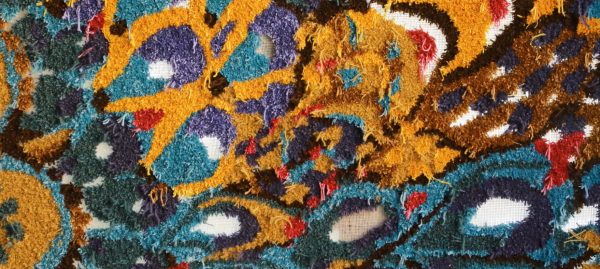
Mirzapur in Varanasi district in Uttar Pradesh is one of the oldest and most important areas of dari weaving in the country. This belt that stretches across Bhadohi, Varanasi, Ghazipur, Sonbhadra, Kaushambi, Prayagraj, Jaunpur and Chandauli districts represents the largest concentration of dari weavers in India. The whole process of Mirzapur handmade dari is labour... Continue Reading →
Mahoba Desawari Paan of Uttar Pradesh
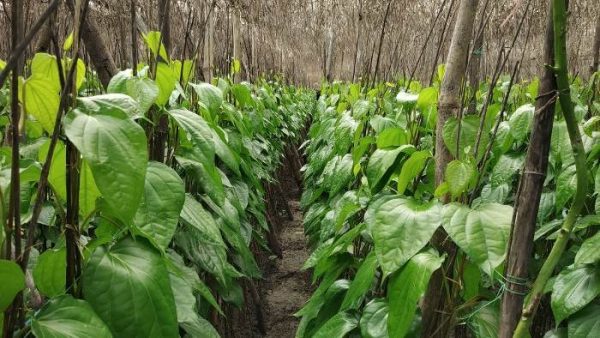
The historical city of Mahoba in Bundelkhand, once known as Mahotsav Nagar was the stronghold of the Chandelas and Pratiharas. In the ninth century, the Chandela king ordered a betel vine from Udaipur - Banswara in Rajasthan and planted it in the western part of Gorakhgiri. The westerly and southerly winds at Bundelkhand are warmer... Continue Reading →
Kanyakumari Cloves
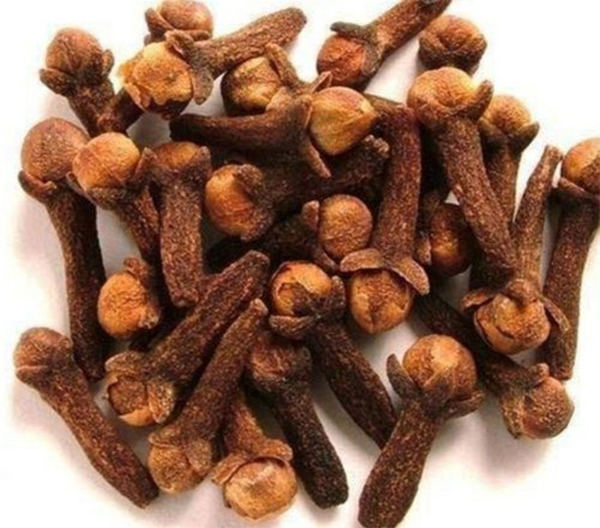
Tamil Nadu is the largest producer of clove in the country with Kanyakumari district contributing a sizeable portion to the total production. Clove was introduced in India around the 1800s by the East India Company in its spice garden in Courtallam. The dense wooded areas of Maramalai, Karumparai and Vellimalai in the Western Ghats of... Continue Reading →
Peer Kho Cave Temple, Jammu, Union Territory of Jammu and Kashmir
One of the most ancient Shiva temples in Jammu also known as the "City of temples" is the Peer Kho cave temple. This historic temple is situated on the banks of the holy Tawi river surrounded by igneous rocks and acacia forests. Locals regard this cave temple to be the oldest in the Shivalik region.... Continue Reading →
Shankaragaurishvara Temple, Pattan, Baramulla District, Union Territory of Jammu and Kashmir
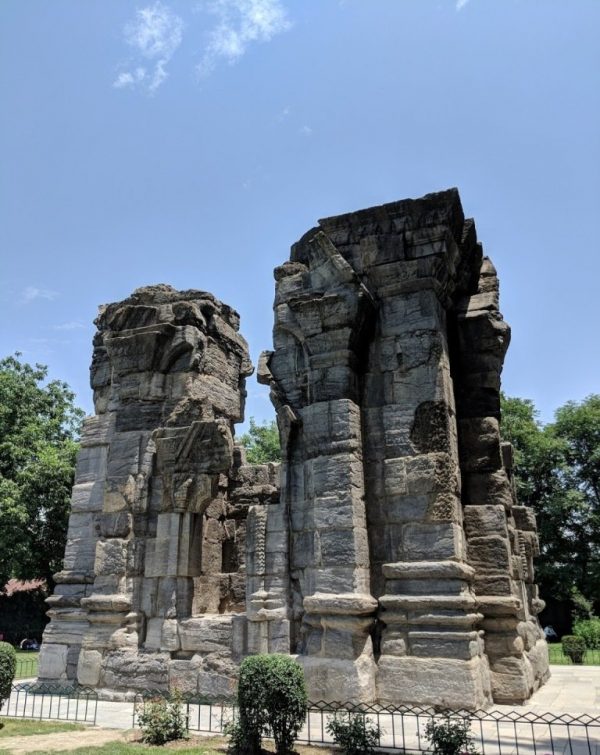
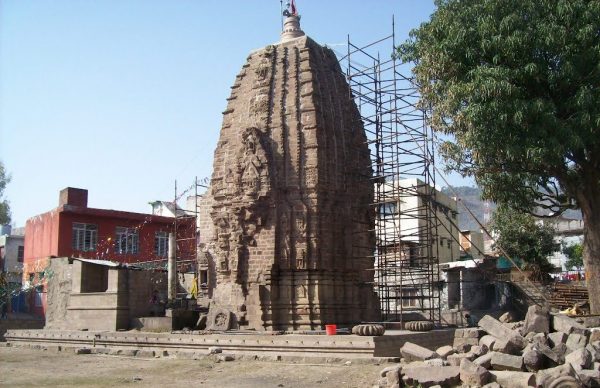
Shankaragaurishvara Temple in Pattan is an exemplary example of Kashmiri temple style architecture prevalent in the 9th century. Modern Pattan is actually Shankarapattana, the capital founded by Shankaravarman of Utpala dynasty. Both Shankaravarman and his father Avantivarman were patrons of art, architecture and Sanskrit literature. Their noteworthy contribution to the revival of Hindu philosophy and... Continue Reading →
Mahabilwakeshwar Temple or Harihara Temple, Billawar, Union Territory of Jammu and Kashmir
Billawar also known locally as Balaur is a tehsil in Kathua district located on the banks of Bhinni and Naaz rivers. This town is said to have been established by Raja Bhog Pal, a son of the king of Kullu Valley in 765 CE. Subsequently, the ruling family came to be called as Balouria deriving... Continue Reading →
Sangli Turmeric of Maharashtra
Sangli located in the western part of Maharashtra is considered to be the largest and most important trading centre for turmeric in Asia. Popularly known as the 'Saffron City', Sangli has been cultivating its world-famous turmeric since the 1900s. It is said that large quantities of Sangli turmeric used to be exported through the Rajapur... Continue Reading →
Hatu Mata Mandir, Narkanda, Himachal Pradesh
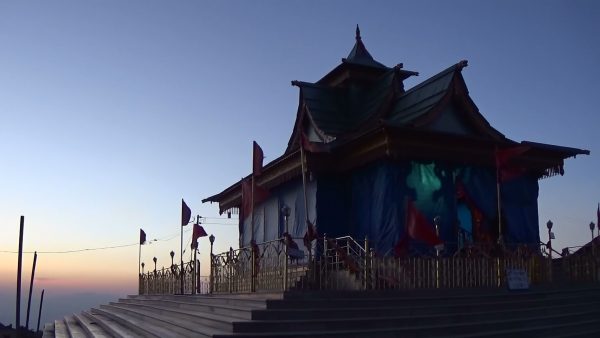
Hatu Peak at a staggering elevation of 11,152 feet (3400 metres) is the highest peak in Shimla district in Himachal Pradesh. A narrow treacherous single road, a little away from Narkanda passing through dense forests of deodar, fir, spruce, blue pine and others on one side and a dizzying fall into a valley below leads... Continue Reading →
Bijli Mahadev Temple, Kullu, Himachal Pradesh
Bijli Mahadev temple is one of the most ancient and sacred temples in the spectacular Kullu Valley in Dev Bhoomi Himachal Pradesh. This temple is seated at an altitude of 2,460 metres and an arduous trek of 7 – 8 km through a scenic Cedar forest leads you to this divine place that offers a... Continue Reading →
Aadi Brahma Temple and Aadi Purkha Temple, Himachal Pradesh
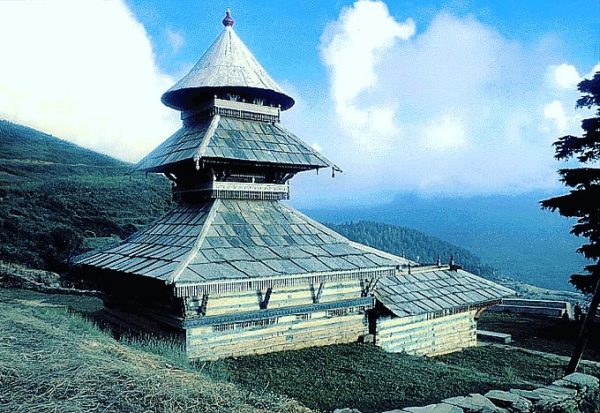
The breathtaking Kullu Valley flanked by Dhauladhar and Pir Panjal ranges of the Lesser Himalayan mountains on either side is referred to as the Valley of Gods or Eden of Apple. This historical place was called as Kulantapitha meaning end of the habitable world and is held in high esteem in the ancient texts of Brahmanda... Continue Reading →