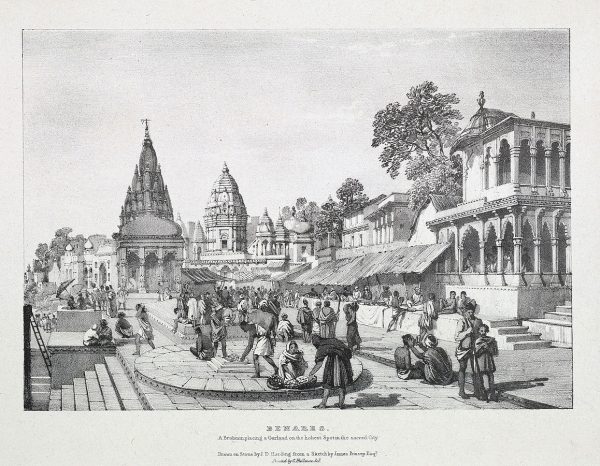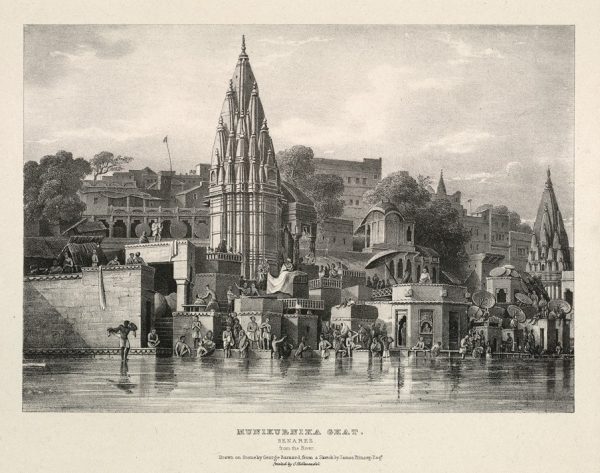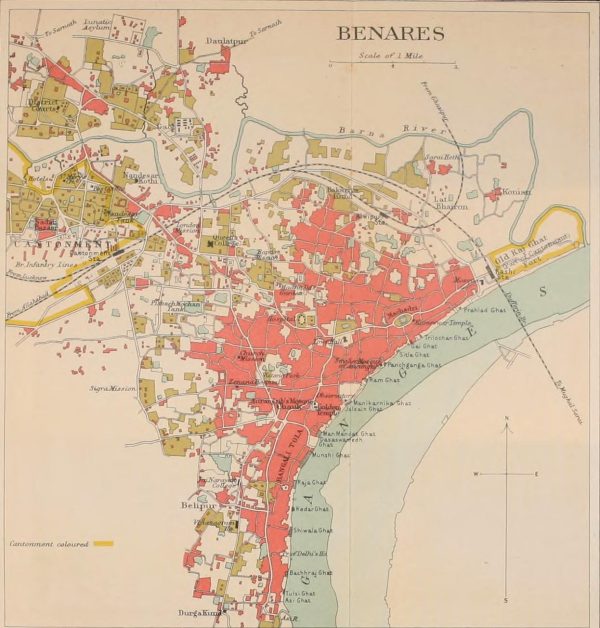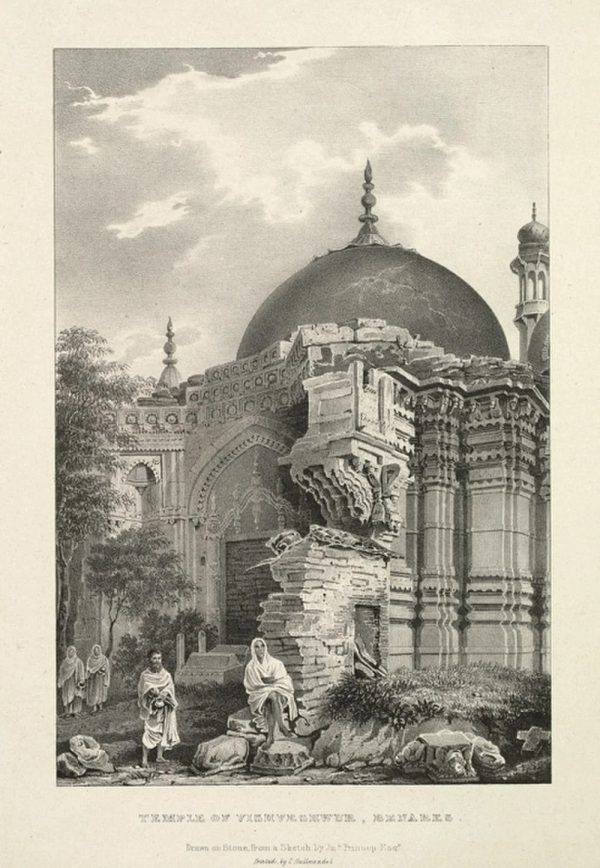
It is difficult to ascertain the extent of damage inflicted by the Delhi Sultanate, but a fair number of mosques and tombs built on the sites of temples during this period using the stones of the temples demolished are still visible in the city. It has been documented that Razia Sultana had built a mosque... Continue Reading →
History of Banaras – Part III (Trail of destruction by the Delhi Sultanate)
The second attack by the Muslim invader Qutb al-Din Aibak in 1197 - 98 effectively ended the golden period of the Gahadavalas and established a violent intolerant Muslim rule that was determined to destroy every trace of the glorious heritage of Kashi. Kashi, a city that has existed since the dawn of creation grew in... Continue Reading →
History of Banaras – Part II
The stature of Benares as the seat of learning, knowledge and wisdom grew under the patronage of the Maukharis of Kannauj, Gurjara-Pratiharas and the mighty Kalachuris towards the end of the 10th century. The period of the Kalachuris is often referred to as the golden era in the city's history marked with the construction... Continue Reading →
History of Banaras – Part I
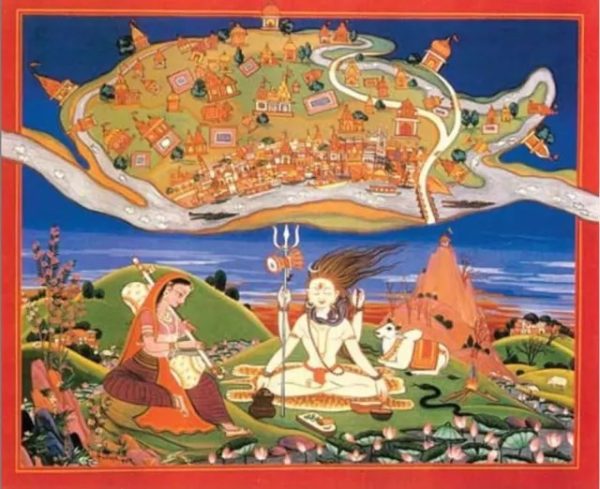
Banaras, the golden city of knowledge, wisdom, spirituality and Advaita, has from the ancient times been considered to be one of the most sacrosanct places of Akhanda Bharat. This glorious city has a rich history that can be traced back to the time of creation. Archaeological excavations have uncovered rare artefacts from the Vedic Period... Continue Reading →
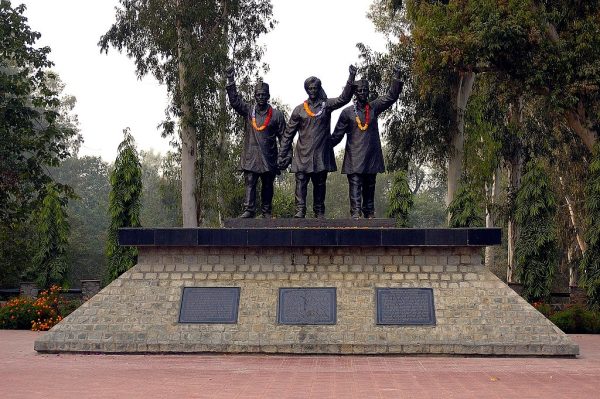
Martyr Jatindranath Das, Shaheed Bhagat Singh, Martyr Shivaram Hari Rajguru and Freedom Fighter Batukeshwar Dutt
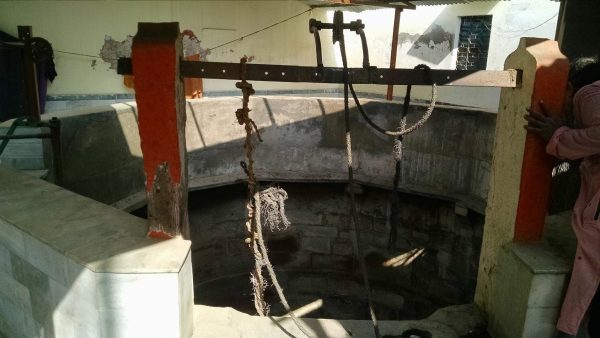
From 1818, the British surreptitiously robbed Akhanda Bharat of its treasures, artefacts, rare jewels, gems and crowns, art and sculptures. A sizeable portion made its way back to their country while the remaining was placed in the British government treasury. When information was leaked that money rightfully belonging to Indians was looted by the British... Continue Reading →
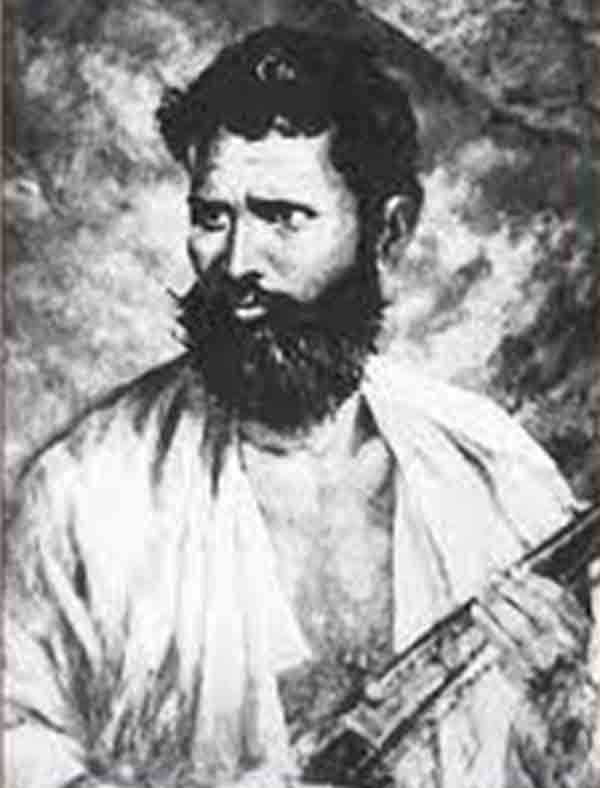
Martyr Vasudev Balwant Phadke
The year of 1818 was momentous for Akhanda Bharat with the British managing to snuff out the Maratha Empire from under the Peshwas. Though the British thought that they had displaced a Muslim invader from the seat of power, the truth is that it was the Maratha Empire whose expanse and influence across Akhanda Bharat that... Continue Reading →
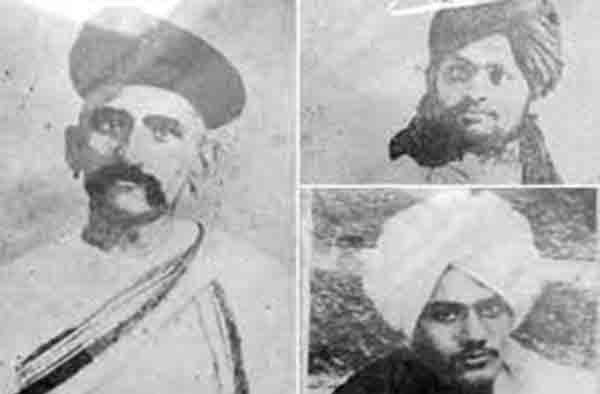
The Chapekar Brothers
The parasitic British managed to establish their control by the late 1800s and brought in a slew of draconian measures designed to fill their coffers while tormenting the true and rightful owners of the lands and riches of Akhanda Bharat. A fateful pandemic of plague swept the nation in 1896 - 97, particularly the state of Maharashtra.... Continue Reading →
Kashikhanda: Panchkroshi Yatra: Kapildhara Temple (Kapileshwar Mahadev Mandir), Kapildhara, Varanasi District, Uttar Pradesh
The fifth and final paṛāva (halt) of the divine Kashi Panchkroshi Yatra is the Kapildhara Temple also known as Kapileshwar Mahadev Mandir. After offering prayers at Kardameshwar Mahadev Mandir, Bhimchandi Mandir, Rameshwar Mandir and Shivpur Mandir, devotees take a dip in the three ancient ponds of Sona Talab, Saranga Talab and Kapildhara Talab that are at the final... Continue Reading →
Kashikhanda: Panchkroshi Yatra: Shivpur Temple, Shivpur Village, Varanasi District, Uttar Pradesh
The fourth paṛāva (halt) of the sacrosanct Kashi Panchkroshi Yatra is the Pancho Pandava Mandir (Pancha Pandeshwar Mandir) located in the bustling Shivpur village. After having darshan at Kardameshwar Mahadev Mandir, Bhimchandi Mandir and Rameshwar Mandir, pilgrims head to Draupadi Kund that is located near a huge tank known as Manasarovar tirth. According to the... Continue Reading →
Kashikhanda: Panchkroshi Yatra: Rameshwar Mandir, Rameshwar Village, Varanasi District, Uttar Pradesh
The next stop on the sacrosanct Kashi Panchkroshi Yatra after Kardameshwar Mahadev Mandir and Bhimchandi Mandir is the ancient Rameshwar Mandir situated on the bank of the Varuna River in Rameshwar village. This temple of great antiquity is considered by many to be the most important kshetra or tirthasthala in the Panchkroshi Yatra. According to the Kashi Khanda... Continue Reading →
Kashikhanda: Panchkroshi Yatra: Bhimchandi Mandir, Bhimchandi Village, Varanasi District, Uttar Pradesh
The Kashi Panchkroshi Yatra is considered to be one of the oldest pilgrimage routes of the world. According to the Hindu scriptures, Lord Rama along with Sita Mata and his brothers had visited the important tirthsthalas on this ancient route to liberate his father Raja Dasharatha from the curse of the parents of Shravana Kumar (Putrashoka).... Continue Reading →
Kashikhanda: Panchkroshi Yatra: Kardameshwar Mahadev Temple, Kandwa, Varanasi District, Uttar Pradesh
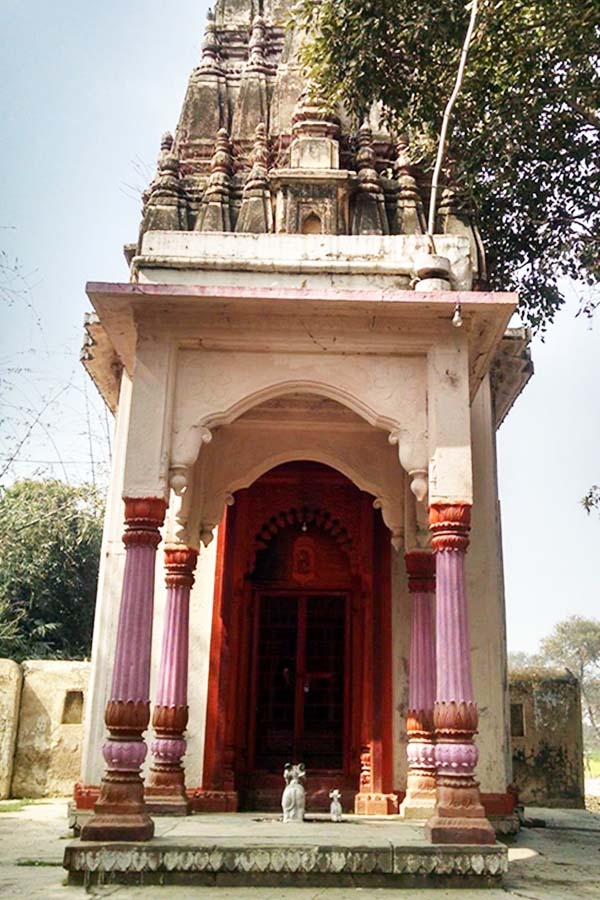
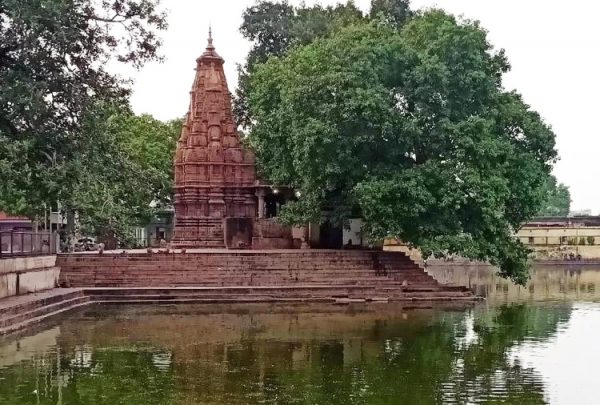
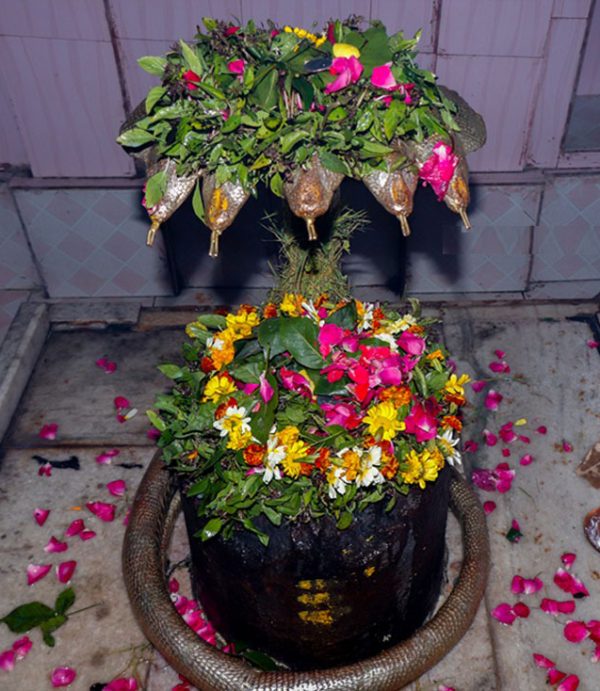
One of the oldest surviving temples of Varanasi that holds the rare distinction of escaping the ruthless desecration by Muslim invaders especially the Mughals is the Kardameshwar Mahadev Mandir located near Kandwa Pokhra. This ancient Shiva Temple that forms a part of the sacrosanct Panchkroshi Yatra is one of the best preserved temples of Varanasi.... Continue Reading →
On the history trail: The Grand Meeting of Chhatrapati Shivaji Maharaj with Ekoji I (Vyankoji Bhonsle)
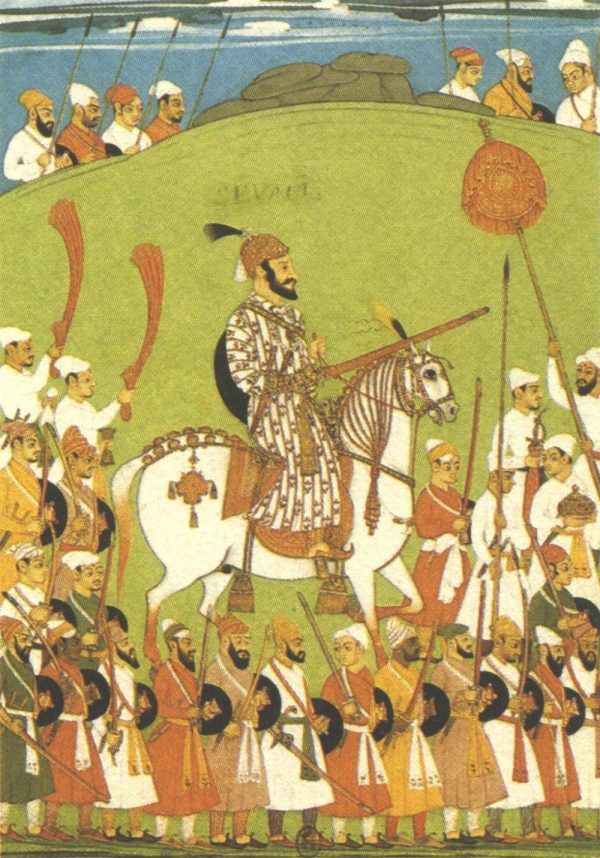
After the decisive rout of Sher Khan Lodhi, Chhatrapati Shivaji Maharaj headed towards Tanjore to meet his half-brother Ekoji to effect a reasonable division of their father’s holdings. He encamped at Tirumalavadi (Thirumalvadi) that lies on the north bank of the Coleroon River, a few miles from Tanjore. As Maharaj was awaiting the arrival... Continue Reading →
Kashikhanda: Pita Maheshwar Mandir, Varanasi, Uttar Pradesh
One of the most unusual temples of Varanasi is the Pita Maheshwar Mandir located in Sheetla Gali. As the name suggests, this temple is dedicated to Parama Pita Maheshwar Mahadev, the Father of Lord Shiva! As astounding as it sounds, this temple has been described in detail in the Kashi Khanda of the Skanda Purana as... Continue Reading →
Kashikhanda: Sri Tripura Bhairavi Mandir, Varanasi, Uttar Pradesh
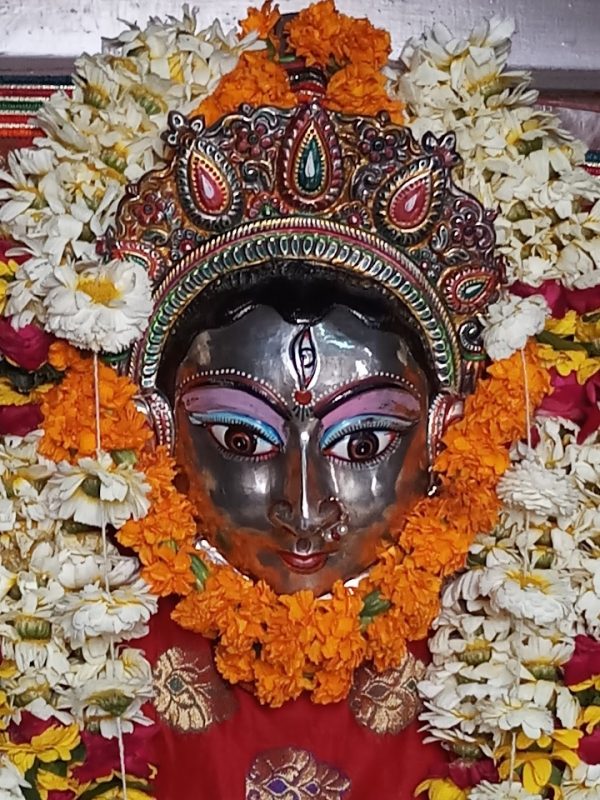
One of the most ancient and lesser-known temples of Varanasi located in Vishwanath Gali is the Sri Tripura Bhairavi Mandir. As the name suggests, this form of Divine Mother is the fifth manifestation in the Dasha Mahavidya. This unique form of Divine Mother is written about in detail in the Kashi Khanda of the Skanda Purana as... Continue Reading →
On the history trail: The Karnatak Campaign (Forts of Gingee and Vellore captured) by Chhatrapati Shivaji Maharaj
Chhatrapati Shivaji Maharaj, pursuant to the arrangement made by Raghunath Pant with the ministers of Golkonda court headed to Bhagyanagar from Raigad at the end of January 1677 leaving Moropant Pingle and Annaji Datto in charge of the Deccan. The presence of Maharaj and his mighty army alarmed the citizens of the city who went... Continue Reading →
Kashikhanda: Annapurna Devi Mandir, Varanasi, Uttar Pradesh
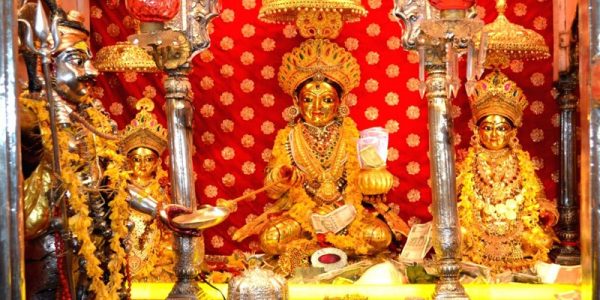
Mata Annapurneshwari Temple, located near Kashi Vishwanath Temple in Vishwanath Gali area is one of the oldest temples of Kashi. This sacred temple is dedicated to Annapurna Devi also known as Bhavani Devi by the locals and is revered as the Goddess who bestows annam (food) or alms which in reality represents knowledge and dispassion.... Continue Reading →
On the history trail: The Karnatak Campaign (Capture of the Fort of Kopbal) by Chhatrapati Shivaji Maharaj
Though Chhatrapati Shivaji Maharaj was at peace with Bijapur, the threat of a Mughal invasion loomed large. It was necessary to arrange for more funds to support the army and man the forts. Maharaj conceived a plan for acquiring territory down south in the rainy season of 1676 as he resided in Panhala. Ekoji,... Continue Reading →
Kashikhanda: Kaal Bhairav Mandir (Kashi ke Kotwal), Varanasi, Uttar Pradesh
The Kaal Bhairav Mandir located in Bharonath is one of the most mysterious and interesting temples of Varanasi. Popularly known as Kashi ke Kotwal (Kōtavāla) that translates to the guardian or officer of Kashi, this temple is said to have existed since the ancient times. Legend has it that one time Lord Vishnu and... Continue Reading →
On the history trail: Sea Power of the Marathas under Chhatrapati Shivaji Maharaj
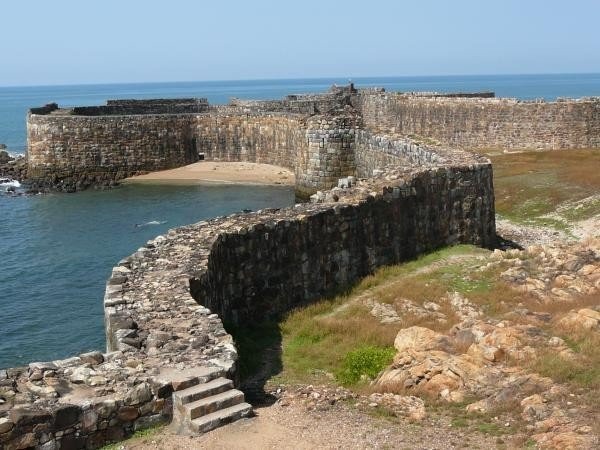
A long stretch of the Konkan coast had come under the Marathas but, it was imperative that this coast was secured and therefore, Chhatrapati Shivaji Maharaj spent a great deal of time to ensure the loyalties of the local nobility by either destroying them or receiving a substantial tribute from them. The Abyssinian State... Continue Reading →
Kashikhanda: Kashi Vishwanath Temple, Varanasi, Uttar Pradesh
Situated on the western bank of the sacrosanct Ganga River in Varanasi is the grand temple of Kashi Vishwanath. As the name suggests, this ancient temple is dedicated to Vishwanatha or Vishweshwara meaning 'Ruler of the Universe' and is the first and only Jyotirlinga located on the banks of the Ganges. Varanasi also known... Continue Reading →
On the history trail: The Battle of Umrani and the sacrifice of Senapati Prataprao Gujar
When the political intrigues in the Bijapur court had reduced the state to hopeless confusion and the Marathas continued to capture their lands, the regent Khawas Khan decided to send a large army to wrest back Panhala under the commander Abdul Karim Bahlol Khan. The news of this fresh advance reached Chhatrapati Shivaji Maharaj who... Continue Reading →
On the history trail: Hubli raided by Chhatrapati Shivaji Maharaj
Following the triumph at Panhala, Chhatrapati Shivaji Maharaj decided to press forward his advantage and capture lands which were under the rule of the Bijapur Adil Shahis. After the capture of the forts of Parali and Satara (captured on 26 July 1673), Maharaj had extended his dominion to the east of Ghatmatha over the present... Continue Reading →
On the history trail: Fort of Panhala retaken by Chhatrapati Shivaji Maharaj
Though there were constant skirmishes between Chhatrapati Shivaji Maharaj and the Mughals, the former's relationship with Bijapur was relatively peaceful. His power was acknowledged by all the southern states. The chief minister of Bijapur, Abdul Muhammad paid chauth to Maharaj to prevent him from plundering Bijapur. Even Qutub Shah of Golkonda was in awe of him... Continue Reading →