
Khanderao Dabhade, appointed as Senapati by Chhatrapati Shahu Maharaj on 11 January 1717 had once been a competent leader. However, he was greatly overshadowed by the dashing Peshwa Bajirao who had proved his mettle more than once. The Peshwa on his part continued to serve the Chhatrapati assiduously by raising independent armies to secure the boundaries and lead expeditions... Continue Reading →
On the history trail: Sambhaji of Kolhapur subdued
The evil machinations of Sambhaji of Kolhapur were revealed for one and all to see when Udaji Chavan sent agents to murder Chhatrapati Shahu Maharaj when he was out hunting. Shahu Raje immediately set aside his friendly disposition towards his cousin and instructed Trimbakrao Dabhade to lead the army to march into Sambhaji's territory. ... Continue Reading →
On the history trail: Sambhaji of Kolhapur and Chhatrapati Shahu Maharaj
The brilliance of Peshwa Bajirao on the battlefield and in the Maratha Court will go down in history as the finest chapter in military stratagem and diplomacy respectively. Even his staunch critics were forced to acknowledge his astuteness and competency. This however did not deter them from intriguing with the Nizam to subdue him and depose... Continue Reading →
On the history trail: Peshwa Bajirao caught in the middle of political intrigues
After the humiliating defeat at Palkhed and the Mughal losses in Gujarat, Malwa and Bundelkhand, the Nizam knew that he was no match for the Peshwa‘s brilliance and military stratagem. Full of prejudice and evil machinations, he chose the cowardly approach to malign his name and dissuade the ruler at Delhi to sign a peace agreement. Deep Singh's mission... Continue Reading →
On the history trail: Nizam-ul-Mulk refuses to make peace with the Marathas
The agents sent by the ruler of Delhi came back with glowing reports of the Marathas and categorically declared that if the Mughals were to agree to 11 and 15 lacs for annual chauth of Gujarat and Malwa respectively, then the Marathas would not interfere with the Mughals again. Nizam-ul-Mulk, after being defeated by Peshwa... Continue Reading →
On the history trail: The Mughals want peace with the Marathas
The decisive victories over the Mughals in Malwa, Bundelkhand and Gujarat in 1729 created quite a consternation in the heart of the ruler of Delhi. Though Nizam-ul-Mulk was checked to some extent in Palkhed, he continued to cause trouble for the Marathas in the Deccan. The death of Giridhar Bahadur and the defeat of Muhammad... Continue Reading →
On the history trail: Battle of Bundelkhand
The invasion of Malwa by Peshwa Bajirao and Chimaji Appa on the advice of Sawai Jai Singh opened up new avenues for the Marathas and the Rajputs who were dissatisfied with the Mughals. The Bundelas in particular had been friendly with the Marathas for a long time and adopted their approach to fight for their independence.... Continue Reading →
On the history trail: Battle of Amjhera
The military stratagem displayed by Peshwa Bajirao under difficult conditions in Palkhed proved his ability to take on a war veteran like the Nizam with relative ease. This notable victory helped the Peshwa secure the confidence of Chhatrapati Shahu Maharaj and others. Peshwa had already formed his own group of faithful followers both in the... Continue Reading →
On the history trail: Battle of Palkhed
With opposition building on all fronts, Chhatrapati Shahu Maharaj was at his wit's end. Peshwa Bajirao was still in the Karnatak and those close to him advised him to effect a compromise with the Nizam. Shahu Raje accepted their advice and instructed his Pratinidhi and Sumant to negotiate a peace treaty with the Nizam. The Pratinidhi proposed a... Continue Reading →
On the history trail: Nadir Shah invited to invade India by the Mughal Invaders

If ever awards for stupidity were to be handed out, it is highly likely that Aurangzeb would confer one for himself and award the rest to his incompetent descendants. By the end of his reign, Aurangzeb who had waged war with the Marathas for twenty-five years and had only pyrrhic victories to his credit undid... Continue Reading →
On the history trail: Tulja Bhavani and The Battle of Pratapgad
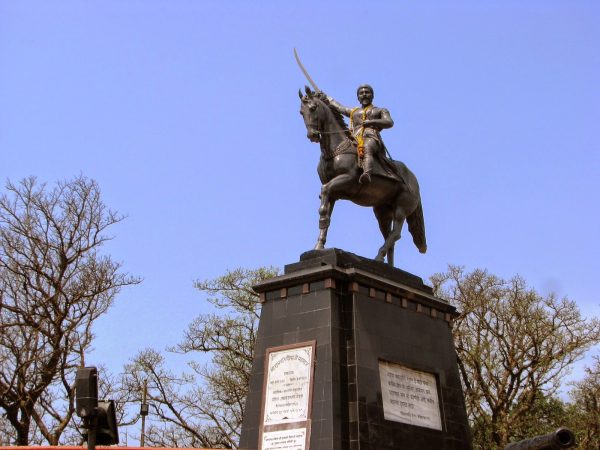
The capture of the hill forts of Purandar, Kalyan and Bhiwandi and the death, ruin and defection of feudatories like the Mores of Javli and the Sawants of Wadi respectively effected by Chhatrapati Shivaji Maharaj and his able aides brought the crippling Bijapur kingdom to its knees. The construction of the new hill fort of... Continue Reading →
Kurumbera Fort, Gaganeshwar Village, Paschim Medinipur District, West Bengal
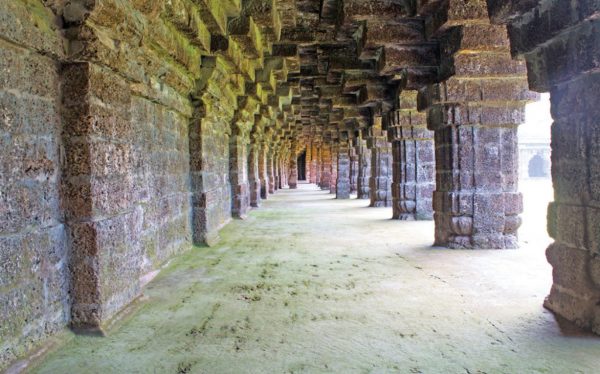
An interesting fort complex built during the glory days of Bengal relegated to obscurity is the Kurumbera Fort which is at a little distance from Kharagpur. Kurumbera Fort which derives its name from kurum which means stone and bera which means fence and collectively means an area fenced by stone in the local language is located in the historically... Continue Reading →
Santipore Saree of West Bengal
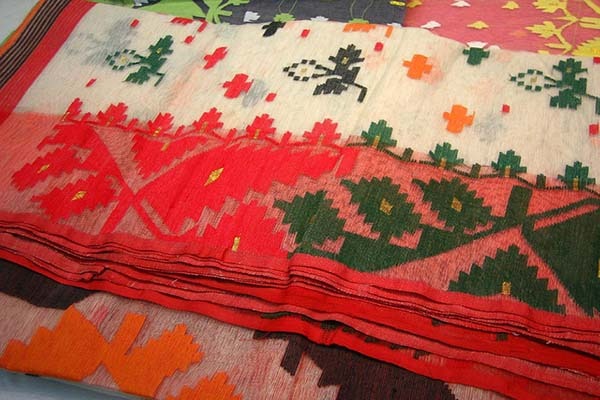
One of the most exquisite weaves in cotton and silk is found in the Bengal heartland of Shantipur - Phulia. Called as Shantipuri, this centuries-old tant (traditional Bengali saree) derives its name from Shantipur in Nadia district. The ancient handloom industry in Shantipur has been mentioned in manuscripts glorifying the life of Advaita Acharya as... Continue Reading →
Eathamozhy Tall Coconut of Tamil Nadu
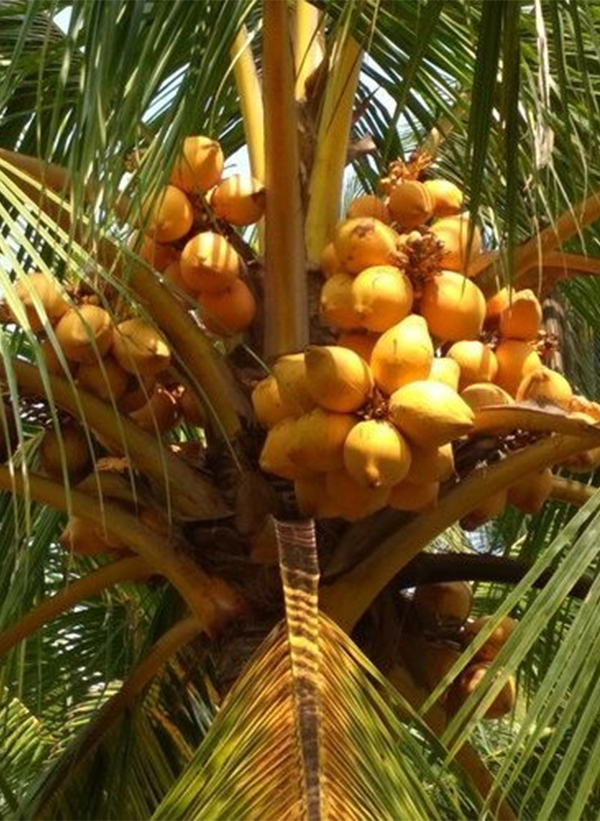
A rare type of tall coconut variety with immense historical, religious and commercial importance known locally as Eathamozhy or Eathamozhi tall coconut thrives in Kanyakumari district. The unique morphological traits found in this variety are of a superior genetic constitution and it is unsurprising that there is great demand for the seedlings of Eathamozhy tall... Continue Reading →
On the history trail: Chandashoka and The Kalinga War
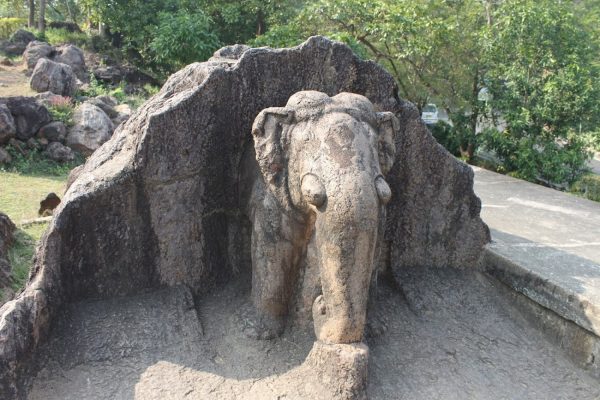
Along with the wily Chanakya, Chandragupta Maurya, the founder of the Maurya dynasty built one of the largest empires in Akanda Bharat. He abdicated the throne in favour of his son Bindusara who was equal to the task. Bindusara not only consolidated the control over the empire but also extended it further south. Travellers' documentation and... Continue Reading →
Nibiya Khera Temple, Bhadwara, Kanpur Dehat District, Uttar Pradesh
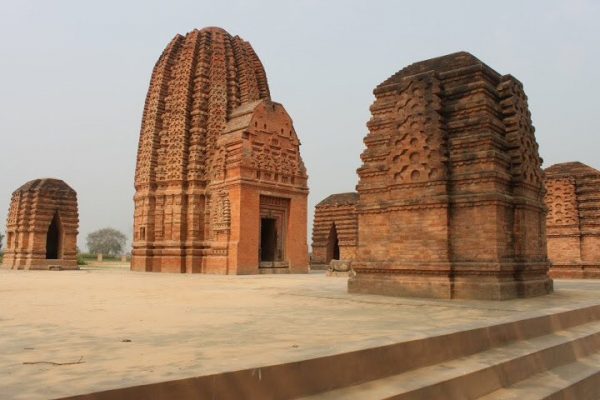
One of the best-preserved brick temple complexes of the 9th - 10th century is found in the sleepy village of Nibiya Khera in Bhadwara. Though no inscription has been found, it is likely that the Gurjara - Pratihara dynasty who ruled over a large part of Northern India built this temple. This temple complex... Continue Reading →
Karnagarh Rani Shiromani Fort, Karnagarh Village, Paschim Medinipur District, West Bengal
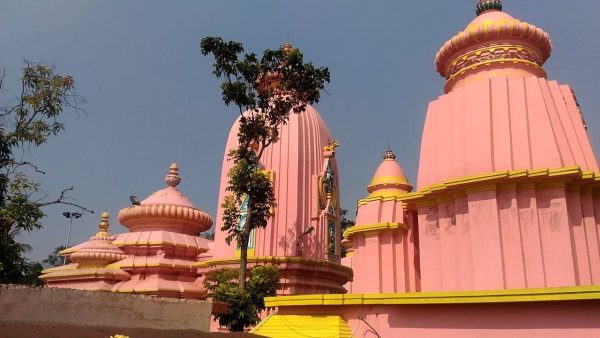
The historically important village of Karnagarh in Medinipur district which was once the seat of the Midnapore royal family is most famous for its Chuar Bidroha, a rebellion led by Rani Shiromani, who is called as the Rani Laxmibai of Medinipur against the highly exploitative land revenue policy of the British in 1798. The British were... Continue Reading →
Dhaniakhali Saree of West Bengal

One of the most beloved traditional handloom sarees of West Bengal is Dhaniakhali saree deriving its name from the place Dhaniakhali in Chinsurah subdivision in Hooghly district. Hooghly district is home to some of the oldest cottage industries like silk and cotton handloom weaving, brass and bell metal manufacturing, oil pressing, village tanning and others.... Continue Reading →
Erode Manjal (Erode Turmeric)
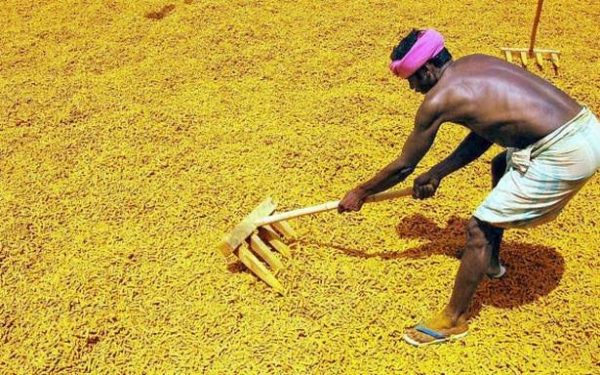
Erode, popularly called as the 'Turmeric City' is the third largest turmeric market in India after Nizamabad in Telangana and Sangli in Maharashtra. There are approximately 30,000 farmers in Erode alone and around 55,000 farmers in Tamil Nadu engaged in the cultivation of turmeric. According to historical records, turmeric was grown by peasants in... Continue Reading →
On the history trail: Veer Baji Prabhu Deshpande and The Battle of Pavan Khind
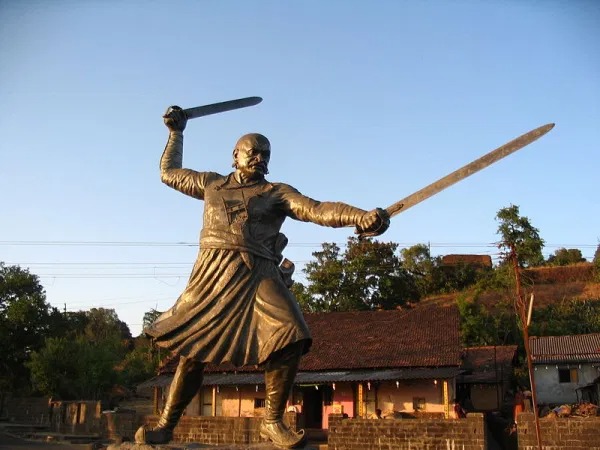
The resounding victories of Chhatrapati Shivaji Maharaj at Pratapgarh and Panhala was very difficult for Ali Adil Shah II of Bijapur to stomach since he had been at the receiving end of many humiliating routs. He decided to join forces with the Mughals to either capture young Shivaji or if possible, even kill him in... Continue Reading →
Indralath Temple, Ranipur Jharial, Balangir District, Odisha
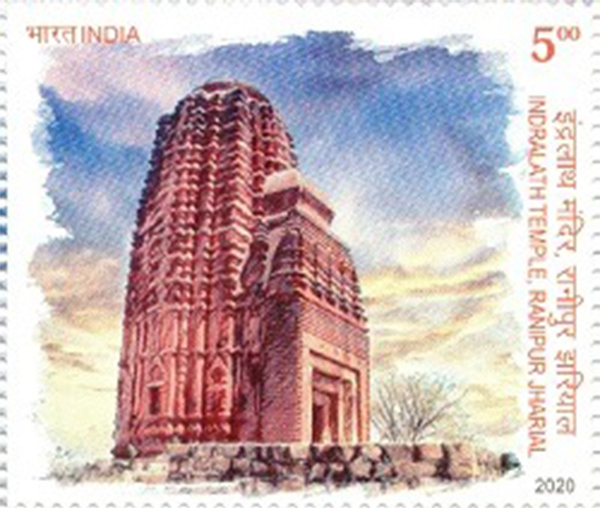
The temple town of Ranipur Jharial in Balangir or Bolangir district is renowned for its prowess in Tantra Vidya. This historical town of inestimable importance was part of Dakshin Kosala where Lord Rama spent a great deal of his time. Ranipur Jharial is mentioned as Soma Tirtha in the scriptures and deemed to have many... Continue Reading →
Kachari Fort, Khaspur Village, Cachar District, Assam
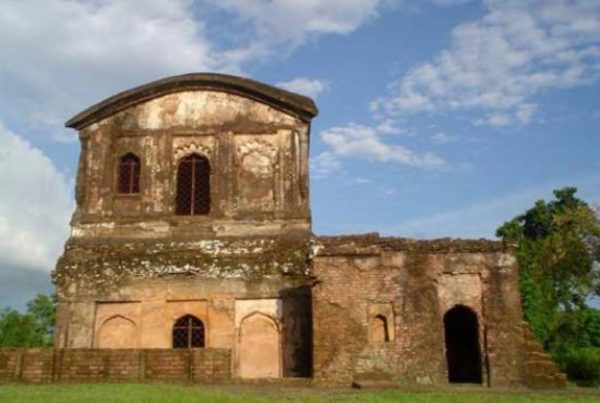
Tucked away in the beautiful village of Khaspur in Cachar district are the ruins of the centuries-old fort of the Kachari kings. Cachar, derived from the Dimasa word kachari was originally a part of the ancient Tripura kingdom and then passed on to the Koch kingdom, the Dimasa kingdom and finally to the British. ... Continue Reading →
Madur kathi, West Bengal
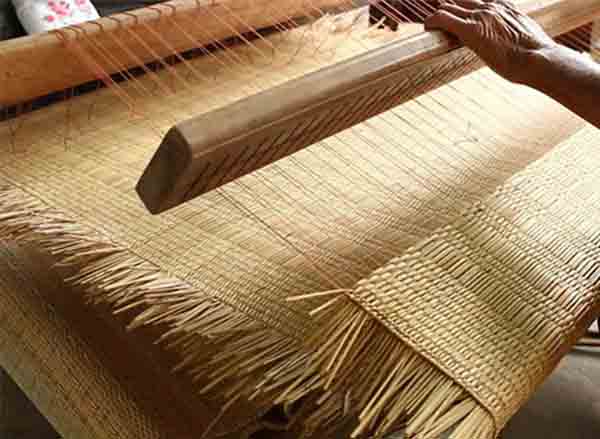
Medinipur or Midnapore, considered to be one of the largest districts of West Bengal after independence is rich with ancient history, archaeological sites, culture and heritage that is deeply influenced by the royal families. It is home to some of the oldest crafts that date back to the Indus Valley Civilization. One among them is... Continue Reading →
Kaji Nemu, Assam

One of the most famous produce of the North eastern state of Assam is Kaji Nemu also called as Assam Lemon. Assam has as many as seventeen species, fifty-three varieties and probably seven if not more hybrids of citrus. Locals say that this variety originated as a chance seedling raised in a plantation, Burnihut... Continue Reading →
 sahasa.in