One of the most unusual temples of Varanasi is the Pita Maheshwar Mandir located in Sheetla Gali. As the name suggests, this temple is dedicated to Parama Pita Maheshwar Mahadev, the Father of Lord Shiva! As astounding as it sounds, this temple has been described in detail in the Kashi Khanda of the Skanda Purana as... Continue Reading →
Kashikhanda: Sri Tripura Bhairavi Mandir, Varanasi, Uttar Pradesh
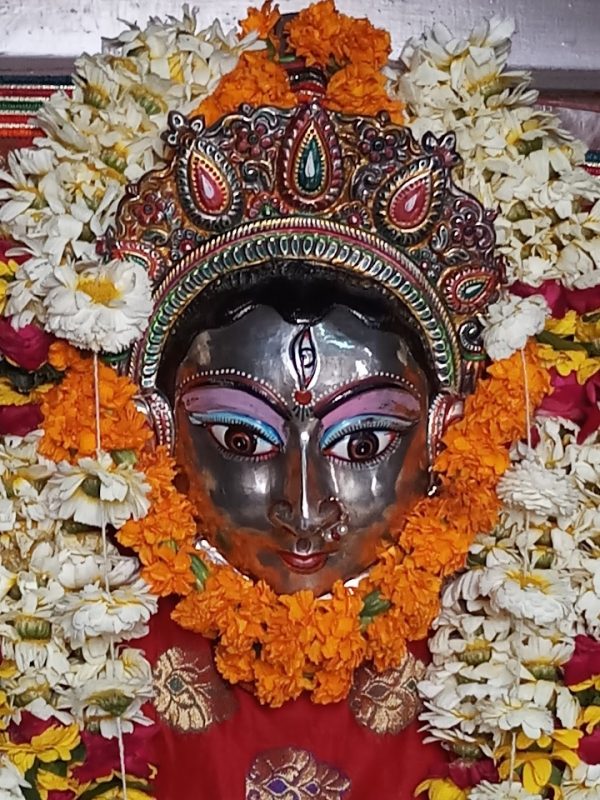
One of the most ancient and lesser-known temples of Varanasi located in Vishwanath Gali is the Sri Tripura Bhairavi Mandir. As the name suggests, this form of Divine Mother is the fifth manifestation in the Dasha Mahavidya. This unique form of Divine Mother is written about in detail in the Kashi Khanda of the Skanda Purana as... Continue Reading →
Kashikhanda: Annapurna Devi Mandir, Varanasi, Uttar Pradesh
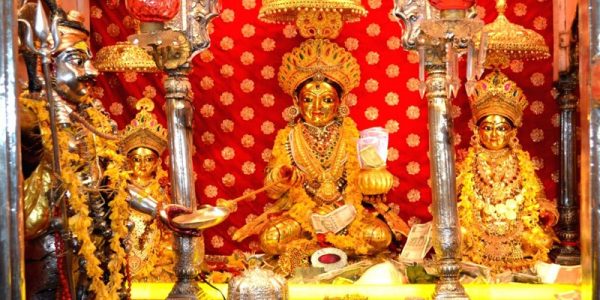
Mata Annapurneshwari Temple, located near Kashi Vishwanath Temple in Vishwanath Gali area is one of the oldest temples of Kashi. This sacred temple is dedicated to Annapurna Devi also known as Bhavani Devi by the locals and is revered as the Goddess who bestows annam (food) or alms which in reality represents knowledge and dispassion.... Continue Reading →
Kashikhanda: Karkotak Nageshwar Mahadev Temple, Jaitpura, Varanasi, Uttar Pradesh
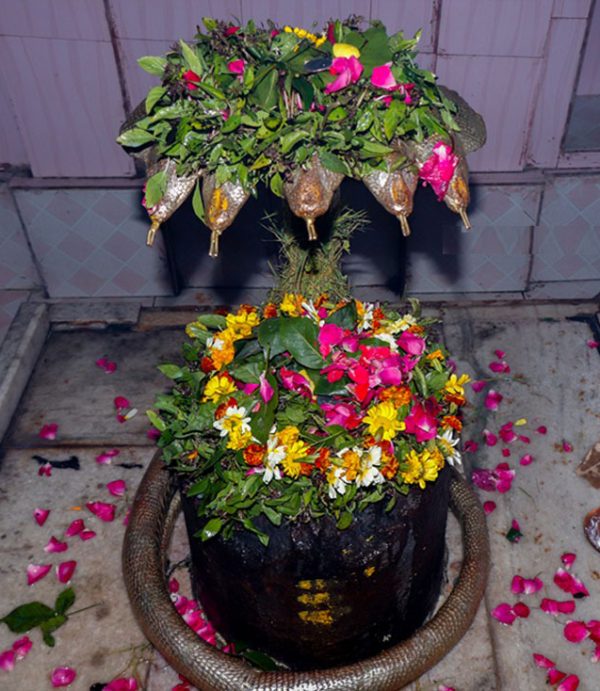
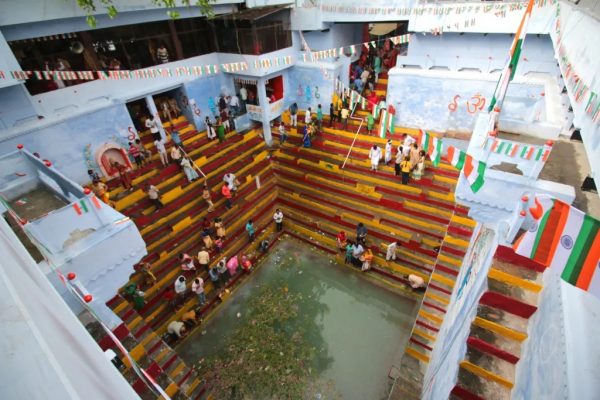
One of the most interesting and lesser-known temples of Varanasi is the centuries-old Karkotak Nageshwar Mahadev Temple located in Nag Kuan Mohalla in Jaitpura. Also known locally as Nag Kund or Nag Koopa or Nag Kuam, this ancient temple literally means well of serpents. Interestingly, the Karkotak Nageshwar Mahadev Linga remains submerged under water... Continue Reading →
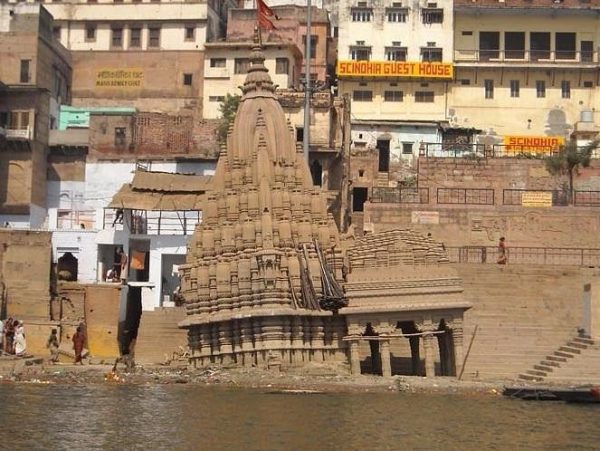
Ratneshwar Mahadev Temple, Scindia Ghat, Varanasi, Uttar Pradesh
One of the most interesting temples of Varanasi that is rarely frequented by any because of the legends associated with it is the Ratneshwar Mahadev Temple at Scindia Ghat. Scindia Ghat was built by the Scindia (Shinde) dynasty who played an important role in the Maratha ascendency. This temple is located north of the Manikarnika... Continue Reading →