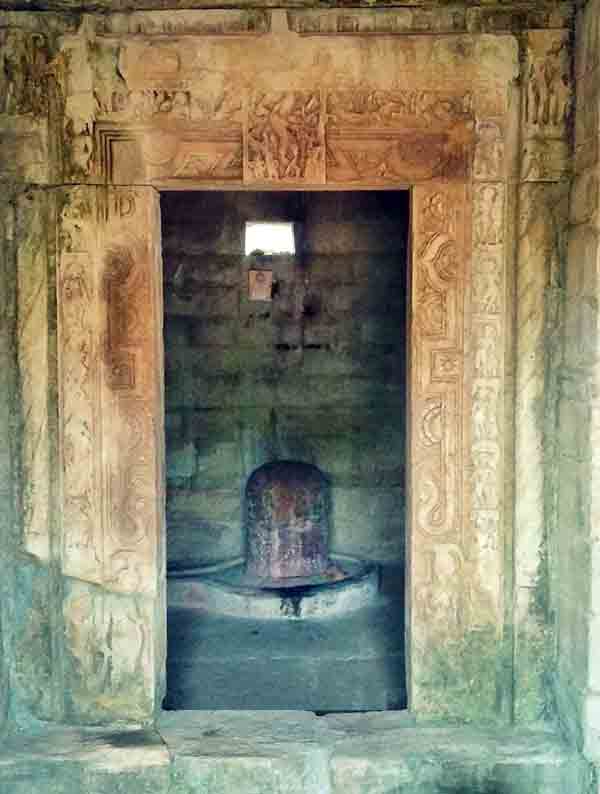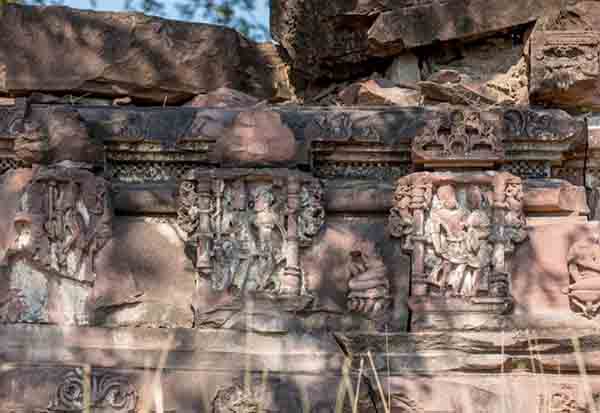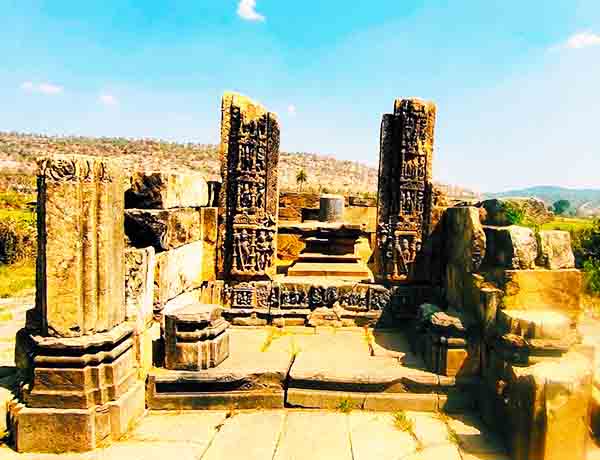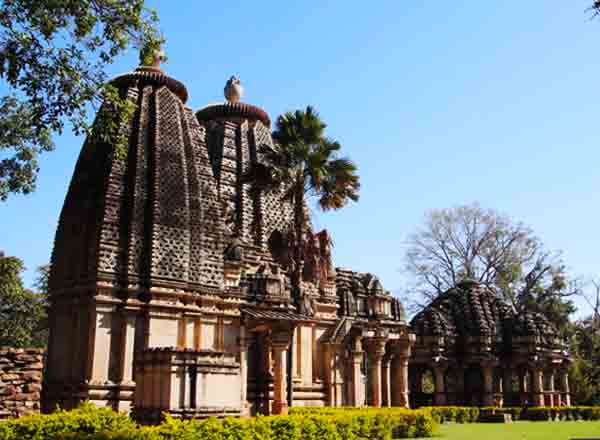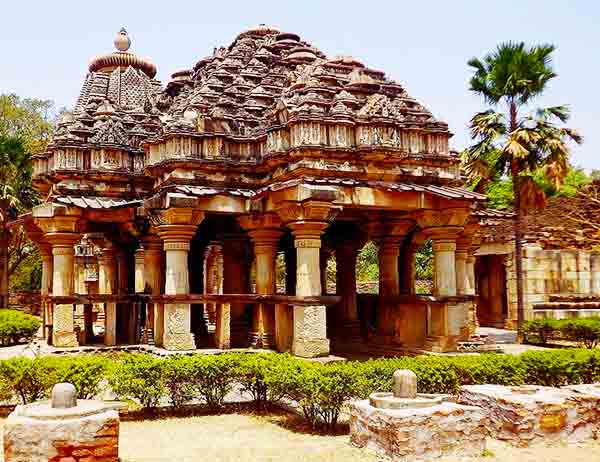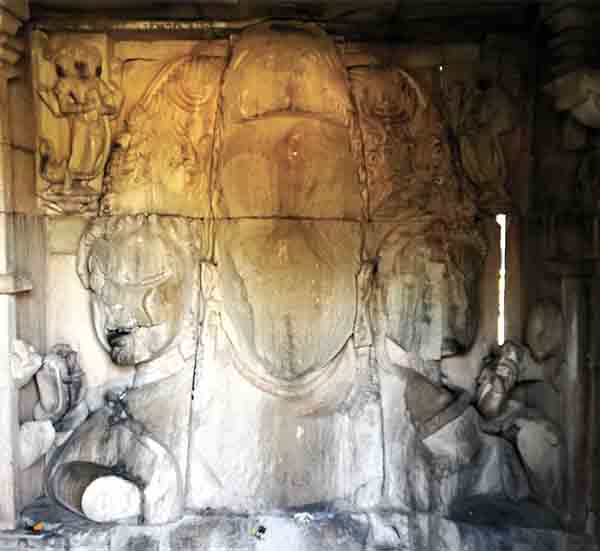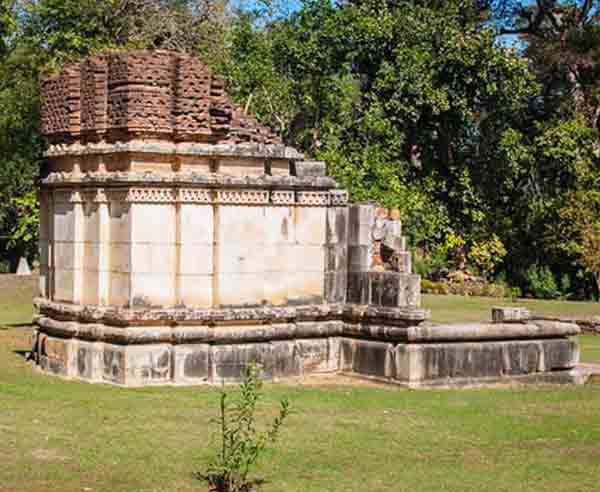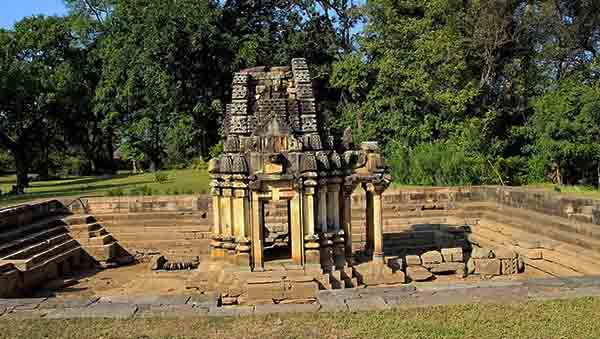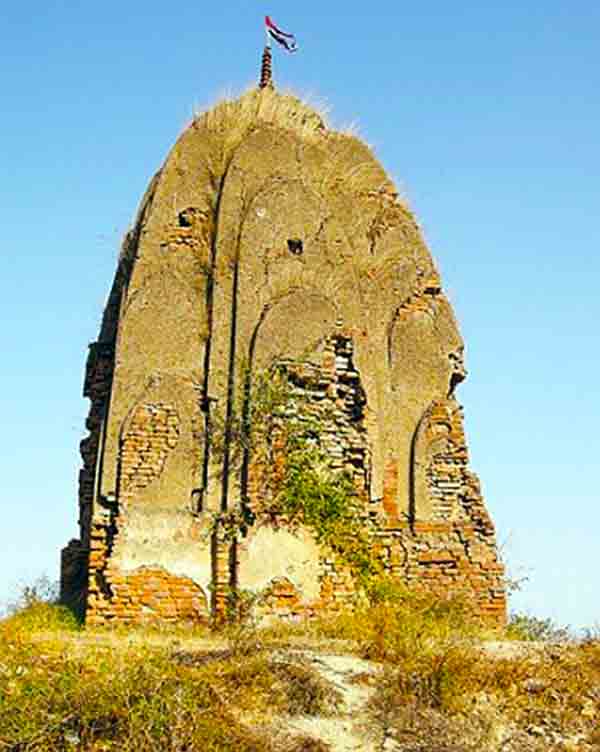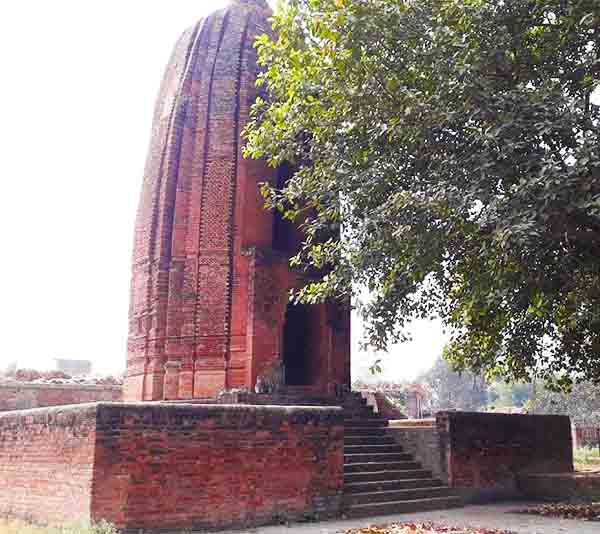
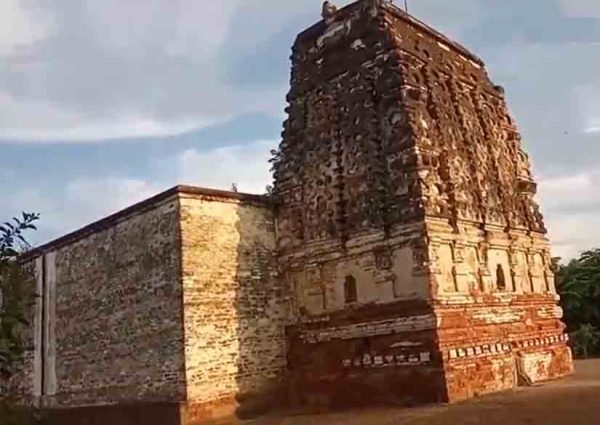
A lesser - known edifice of the late Gupta period is the 6th century Shiva Temple located in the obscure village of Sakour. Archaeological excavations conducted in this village have uncovered coins of Maharajadhiraja Shri Samudragupta, Maharajadhiraja Shri Chandragupta and Maharajadhiraja Shri Skandagupta indicating that this village must have been an important seat of learning,... Continue Reading →
Gadgach Temple, Kherliganj, Atru, Baran District, Rajasthan
The lesser - known Atru, known as Atalpuri in the ancient times is a treasure trove of temples of unmatched beauty, structural ingenuity and artistic and architectural excellence. Though the temples were looted and razed to the ground by the Muslim barbarians, one has to only see the broken carved panels, sculptures, plinths and niches... Continue Reading →
Gadarmal Devi Temple, Badoh Village, Kurwai Tehsil, Vidisha District, Madhya Pradesh
Badoh and the neighbouring village of Pathari formed a part of the ancient town of Badnagar (Vatanagara), a prosperous trading hub in the days of the Gurjara - Pratiharas. As per inscriptions found, this region was dotted with temples belonging to the olden days though countless of them have either disappeared entirely or are buried... Continue Reading →
Neelkanth Temple, Dabkan, Sariska Tiger Reserve, Rajgarh Tehsil, Alwar District, Rajasthan
Coined the 'Khajuraho of Sariska' and 'Khajuraho of Aravalli', the Neelkanth Mahadev Temple situated atop a hillock in the midst of stunning natural beauty is a prized architectural gem of the ancient times. This temple located deep inside the protected Sariska Tiger Reserve is believed to have been established by the Pancha Pandavas. According... Continue Reading →
Ghateshwar Mahadev Temple, Baroli Group of Temples, Baroli Village, Rawatbhata, Chittorgarh District, Rajasthan
The Baroli group of Temples, one of the earliest temple complexes in Rajasthan has received much admiration from historians, artisans, architects and archaeologists for its sublime beauty and elegance. Since its discovery during the British Raj, this temple complex has been researched in detail, photographed and written about in many publications. The oldest, largest... Continue Reading →
Sringar Chauri, Baroli Group of Temples, Baroli Village, Rawatbhata, Chittorgarh District, Rajasthan
Sringar Chauri, an elegant ranga mandapa is the last structure built in the Badoli group of Temples. Deemed to be the finest of its time, this late 10th century edifice is largely accepted to be an extension to the famous Ghateshwara Temple. This pillared hall on plan has a square space in the middle with... Continue Reading →
Trimurti Temple, Baroli Group of Temples, Baroli Village, Rawatbhata, Chittorgarh District, Rajasthan
The Trimurti Temple (also known as the Sadashiva Temple or Maheshwara Temple or Trimurti Shiva Temple) in the Baroli group of Temples is perhaps one of the most underrated temples of its time. Listed as Temple No. 4 by the Archaeological Survey of India (ASI), this 10th century temple is a fine example of the... Continue Reading →
Sheshashayan Temple, Baroli Group of Temples, Baroli Village, Rawatbhata, Chittorgarh District, Rajasthan
The Seshashayan Temple listed as Temple No. 2 in the Baroli group of Temples by the Archaeological Survey of India (ASI) is a 10th century edifice of the Gurjara – Pratiharas. This temple stands near the Shiv Temple built in the middle of the ancient kund. The original temple in plan had an ardha mandapa,... Continue Reading →
Shiv Temple and Kund, Baroli Group of Temples, Baroli Village, Rawatbhata, Chittorgarh District, Rajasthan
Listed as Temple No. 3 in the Baroli group of Temples by the Archaeological Survey of India (ASI), the 10th century Shiv Temple seated in the middle of an ancient kund is an outstanding example of artistic excellence, architectural mastery and unique sculptural art. This temple built by the Gurjara – Pratiharas in the typical Nagara... Continue Reading →
Ganesha Temple, Baroli Group of Temples, Baroli Village, Rawatbhata, Chittorgarh District, Rajasthan
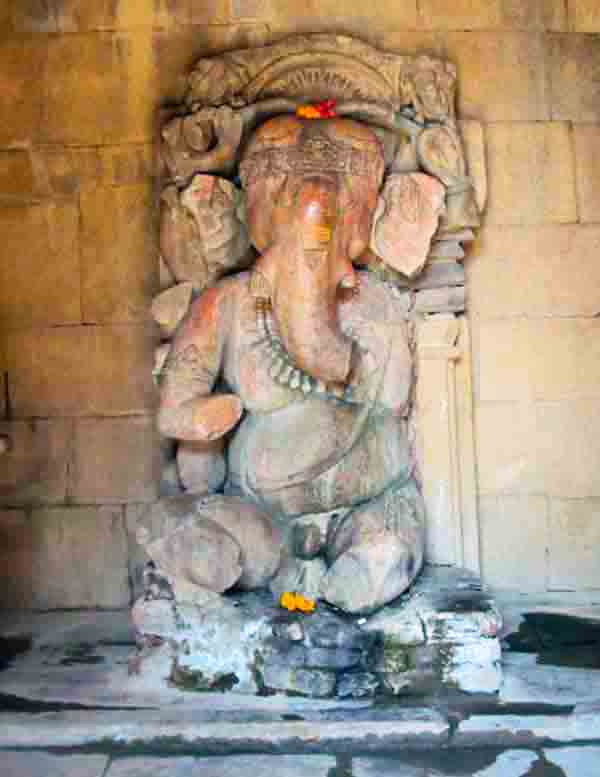
The Ganesha Temple listed as Temple No. 8 in the Baroli group of Temples by the Archaeological Survey of India (ASI) is a stunning 10th century edifice. This temple built by the Gurjara – Pratiharas in the typical Nagara style of architecture is a fine example of understated elegance and exquisite craftsmanship. This south... Continue Reading →
Ashtamata Temple, Baroli Group of Temples, Baroli Village, Rawatbhata, Chittorgarh District, Rajasthan
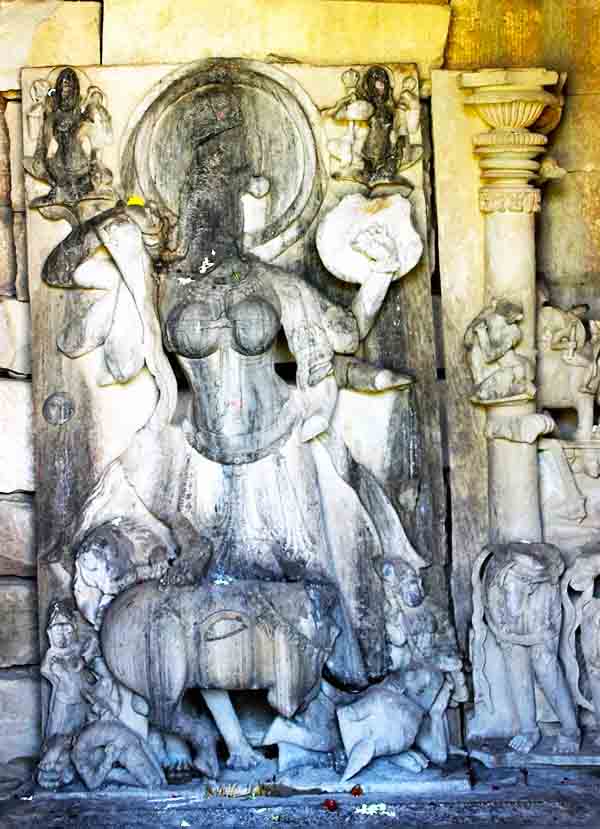
One of the most beautiful temples in the Baroli group of Temples is the 10th century Ashtamata Temple. This temple built by the Gurjara - Pratiharas in the typical Nagara style of architecture is an outstanding example of subtle elegance combined with exquisite craftsmanship. The temple also known as Mahishasura Mardini Temple faces east... Continue Reading →
Vamanavatar Temple, Baroli Group of Temples, Baroli Village, Rawatbhata, Chittorgarh District, Rajasthan
The Baroli group of Temples located in the sleepy village of Baroli is an excellent example of 10th century temple architecture. Built by the Gurjara - Pratiharas in the typical Nagara style, this temple complex is one of the earliest of its kind comprising of nine temples built as per the tenets of the Shilpa... Continue Reading →
History of the Prachin Shiv Mandir at Agra – Part II (The Myth of the Taj Mahal)
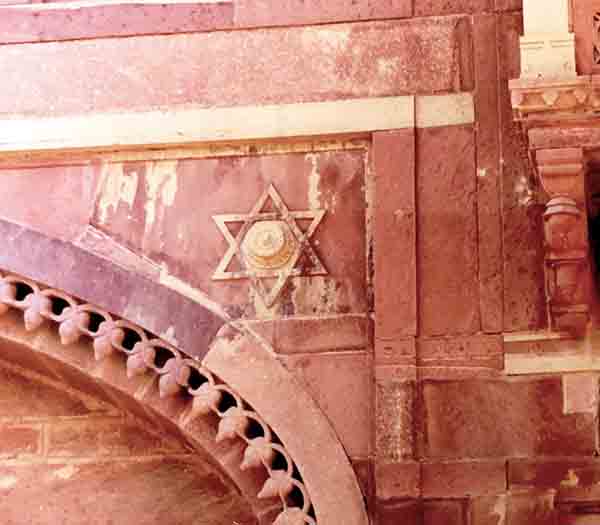
Since the ancient times, it has been the practice of Hindu kings to assiduously follow the tenets as laid down in the Shilpa Shastra while building forts, palaces, mansions, temples and dharmashalas. Traditionally, these grand structures were built along river banks, seashores or lakes to observe the obligatory rites and rituals of the Hindu scriptures. ... Continue Reading →
History of the Prachin Shiv Mandir at Agra – Part I (The Myth of the Taj Mahal)
Lazy and uninformed "historians" of Indian (commissioned by the British Raj) and British origin have done an outstanding job for over three centuries to whitewash our glorious Hindu heritage and relegate the contributions of our valorous Hindu kings to obscurity. A concerted effort to prevent one from learning about Hinduism, the oldest civilization in the... Continue Reading →
Old Shiv Temple, Shambhua Village, Kanpur Nagar District, Uttar Pradesh
The Chandelas of Jejakabhukti, undisputedly the most creative and prolific builders of Akhanda Bharat have many architectural masterpieces to their credit. Their best work is seen in Khajuraho, Kalinjar, Ajaigarh and Mahoba which was the capital city. The Chandelas favoured the Pratihara style of architecture but added their own charm and grandeur to each and... Continue Reading →
Two Ancient Brick Temples, Sarahan Buzurg Village, Amauli Block, Fatehpur District, Uttar Pradesh
Fatehpur district is home to many stunning temples dating back to the ancient times. A sizeable number of brick temples, perhaps some of the earliest ever built are seen in various pockets of this region. Though most have been relegated to obscurity, credit must be given to the villagers for putting in the time, money... Continue Reading →
Surya Mandir (Lord Chaturbhuj Temple), Dhamna Khurd Village, Fatehpur District, Uttar Pradesh
The fertile land of Fatehpur district has been a renowned centre for learning, knowledge, art and architecture since the Vedic Period. This region is dotted with a fair number of temples built in different periods that survived the savagery of Muslim invaders particularly Aurangzeb. Tucked away in the historically significant Dhamna Khurd village is... Continue Reading →
Ancient Brick Temple, Tenduli Village, Fatehpur District, Uttar Pradesh
Tenduli village, a rather small and quiet village in Fatehpur district is a treasure trove of Gupta period temples. This village, perhaps not known to many is of great antiquity and has some of the finest examples of the earliest brick temples along the Rind River. The Baba Chatrubhuj Temple (Chaturbhuj Baba) also referred... Continue Reading →
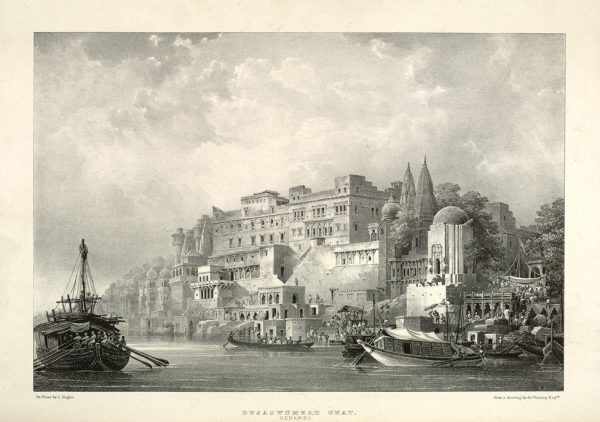
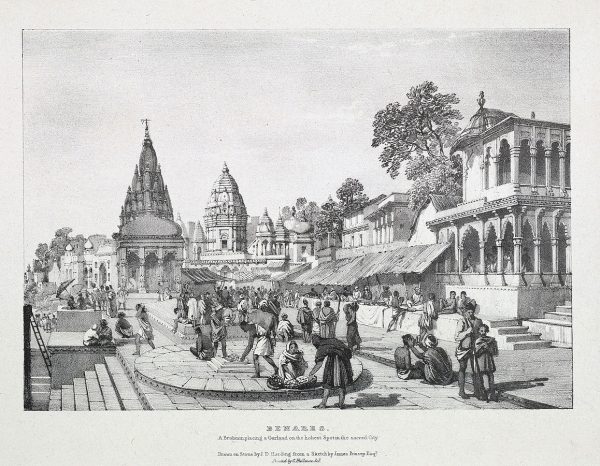
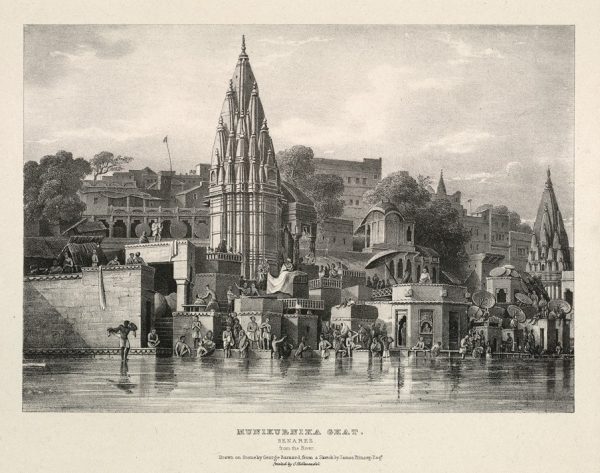
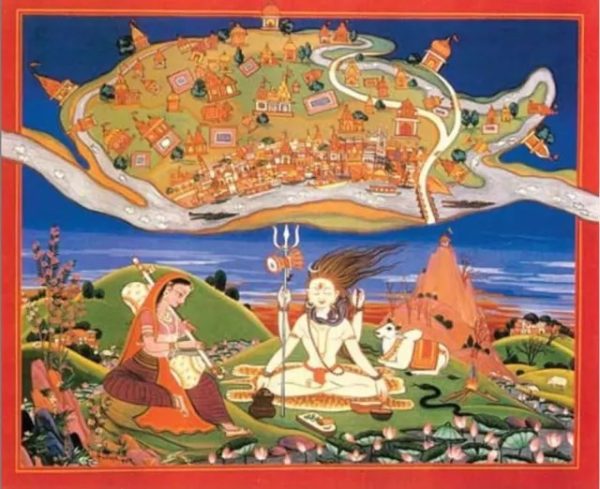
History of Banaras – Part VII (Conclusion)
अयोध्या मथुरा माया काशी काञ्ची अवन्तिका । पुरी द्वारावती चैव सप्तैते मोक्षदायकाः॥ Kashi, a name that evokes a multitude of emotions ranging from bliss, joy, ecstasy, love and relief is the city that promises liberation. Since the dawn of time, Kashi has been considered to be the centre of learning, knowledge, wisdom and Advaita. Sages,... Continue Reading →
History of Banaras – Part VI (Contribution by the Marathas)
Chhatrapati Shivaji Maharaj in 1666 had taken refuge in the ancient city of Benares after his miraculous escape from captivity. He was most distressed on seeing the fear in the eyes of Hindus who had suffered immensely in the hands of the Mughals. Even though Raje desired to rebuild Kashi after the horrific desecration in... Continue Reading →
History of Banaras – Part V (Atrocities and bloodbath by Aurangzeb)
Aurangzeb seized absolute control of the throne in 1661 after murdering Dara Shikoh, instigating the execution of Shah Shuja in the hands of local rulers of Burma, executing his younger brother Murad Bakhsh in jail and imprisoning his father, Shah Jahan. Memoirs and court records graphically describe his fanaticism and deep roots in Islamic... Continue Reading →
History of Banaras – Part IV (Plunder and destruction by the Mughals)
It is difficult to ascertain the extent of damage inflicted by the Delhi Sultanate, but a fair number of mosques and tombs built on the sites of temples during this period using the stones of the temples demolished are still visible in the city. It has been documented that Razia Sultana had built a mosque... Continue Reading →
History of Banaras – Part III (Trail of destruction by the Delhi Sultanate)
The second attack by the Muslim invader Qutb al-Din Aibak in 1197 - 98 effectively ended the golden period of the Gahadavalas and established a violent intolerant Muslim rule that was determined to destroy every trace of the glorious heritage of Kashi. Kashi, a city that has existed since the dawn of creation grew in... Continue Reading →
History of Banaras – Part II
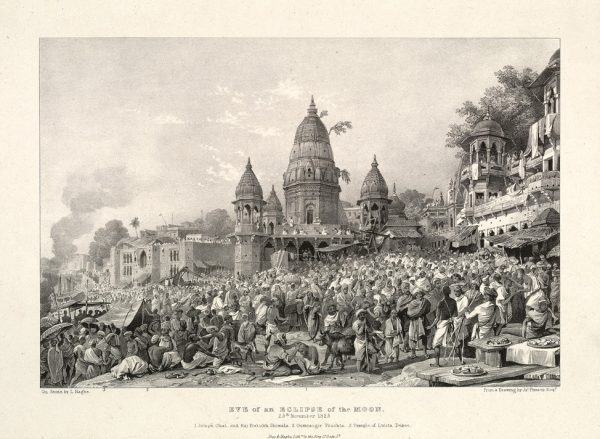
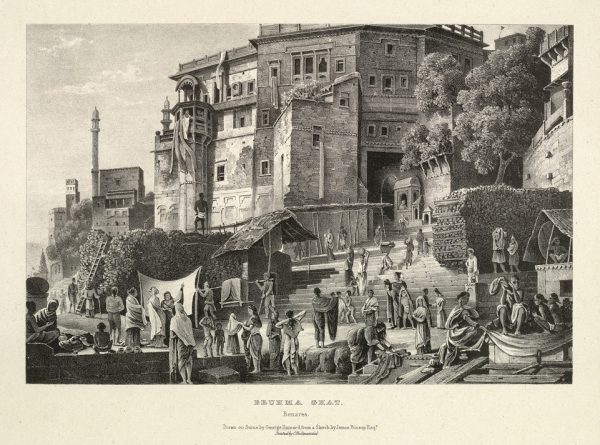
The stature of Benares as the seat of learning, knowledge and wisdom grew under the patronage of the Maukharis of Kannauj, Gurjara-Pratiharas and the mighty Kalachuris towards the end of the 10th century. The period of the Kalachuris is often referred to as the golden era in the city's history marked with the construction... Continue Reading →