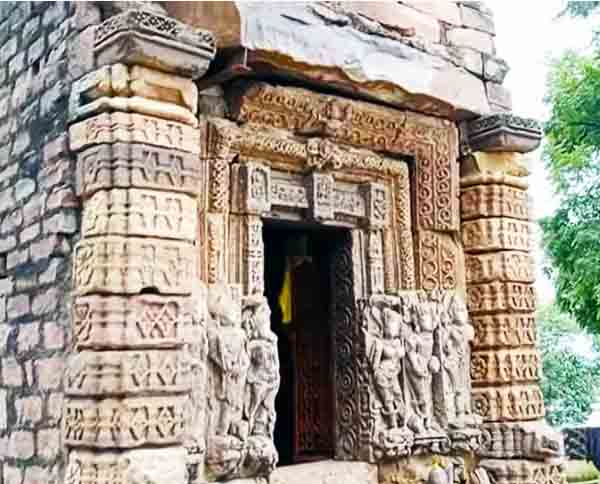
A stunning example of 10th - 11th century temple architecture of the Kalachuris of Tripuri also known as Kalachuris of Chedi is the Shiva Temple located in the remote Ganiyari village in Bilaspur district. This east – facing temple located in front of a lake has the most charming sculptures of its time adorning the... Continue Reading →
Shiva Temple, Sakour Village, Hatta Tehsil, Damoh District, Madhya Pradesh
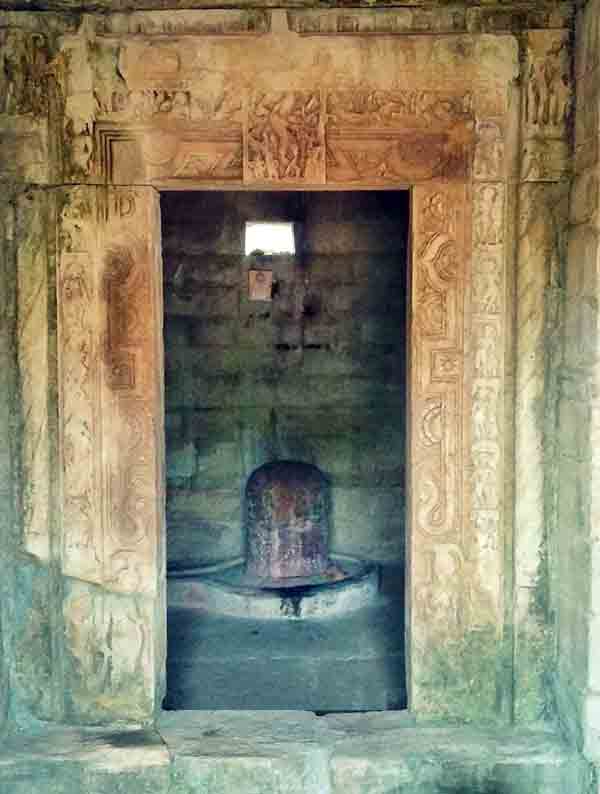
A lesser - known edifice of the late Gupta period is the 6th century Shiva Temple located in the obscure village of Sakour. Archaeological excavations conducted in this village have uncovered coins of Maharajadhiraja Shri Samudragupta, Maharajadhiraja Shri Chandragupta and Maharajadhiraja Shri Skandagupta indicating that this village must have been an important seat of learning,... Continue Reading →
Baleshwara Temple, Laxmeshwar, Gadag District, Karnataka
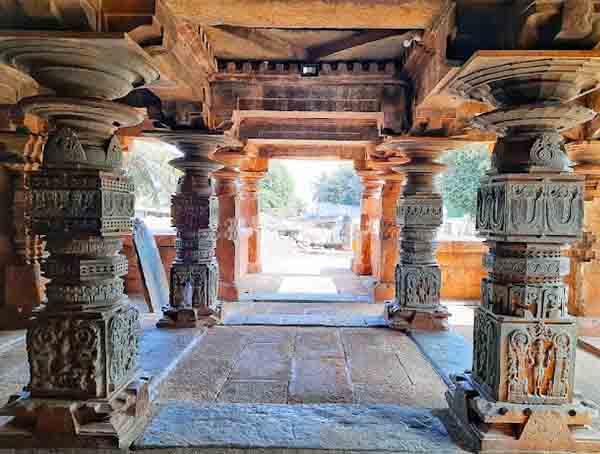
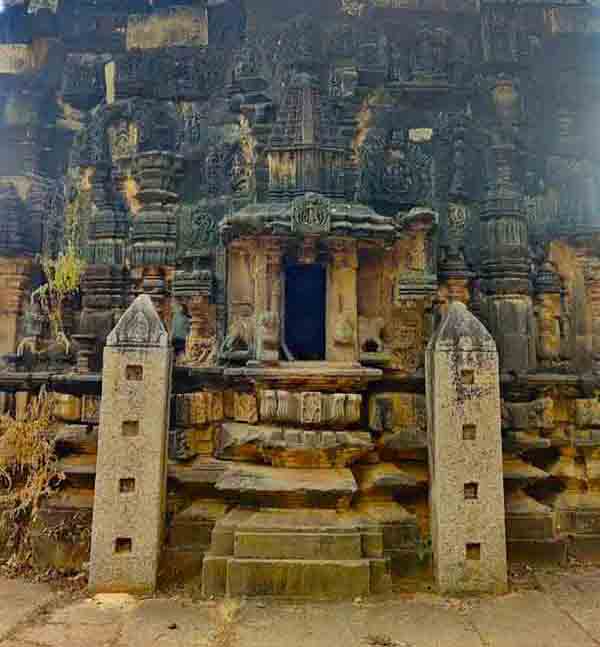
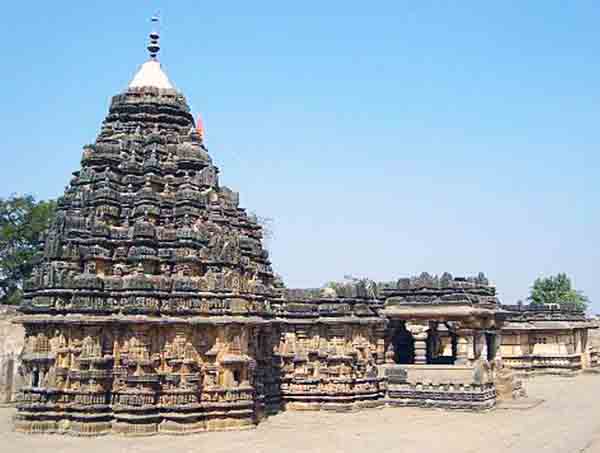
The Baleshwara Temple reputed to have the largest Shiva Linga in the three districts of Gadag, Dharwad and Haveri is a beautiful 9th century temple built by perhaps the Western Chalukyas. This edifice built on a raised platform has a mukhamandapa, a navaranga, an antarala and a garbha griha. Interestingly, the external facades are richly embellished with... Continue Reading →
Banashankari Temple Amargol, Dharwad District, Karnataka
Amargol or Ambaragola as referred to in the inscriptions found was once a part of the Kampana of Unakal - 30 of Halasige - 12000 (Halasi was the secondary capital of the Kadambas of Banavasi). Unfortunately, not only have a sizeable number of inscriptions gone missing but a fair number of temples have been looted,... Continue Reading →
Lakshmaneshwara Temple, Laxmeshwar, Gadag District, Karnataka
The lesser - known Lakshmaneshwara Temple located in the older part of Laxmeshwar was perhaps built by Maharaja Indra III of the Rashtrakutas of Malkhed in 917 CE as per an inscription. Another inscription found refers to a grant made by Maharaja Sankama of the Kalachuris of Kalyani in 1179 in favour of Trilochana Pandita... Continue Reading →
Someshwara Temple, Laxmeshwar, Gadag District, Karnataka
Lakshmeshwar (Laxmeshwar) referred to as Vishnupalli in the ancient days, Purikara in the Dwapura Yuga and Puligere or Purigere or Porigere or Pulikaranagara as per inscriptions has traditionally been an important seat of learning, literature, art and architecture. Said to be the capital city of the Badami Chalukyas (in the 7th century), this sacred kshetra was... Continue Reading →
History of the Prachin Shiv Mandir at Agra – Part II (The Myth of the Taj Mahal)
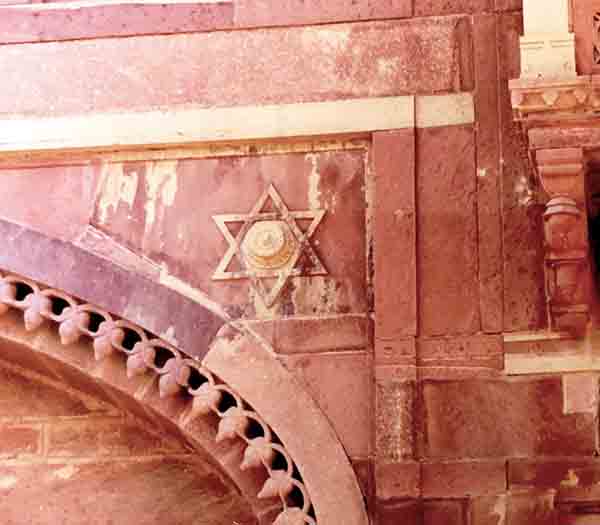
Since the ancient times, it has been the practice of Hindu kings to assiduously follow the tenets as laid down in the Shilpa Shastra while building forts, palaces, mansions, temples and dharmashalas. Traditionally, these grand structures were built along river banks, seashores or lakes to observe the obligatory rites and rituals of the Hindu scriptures. ... Continue Reading →
History of the Prachin Shiv Mandir at Agra – Part I (The Myth of the Taj Mahal)
Lazy and uninformed "historians" of Indian (commissioned by the British Raj) and British origin have done an outstanding job for over three centuries to whitewash our glorious Hindu heritage and relegate the contributions of our valorous Hindu kings to obscurity. A concerted effort to prevent one from learning about Hinduism, the oldest civilization in the... Continue Reading →
Narmada Parikrama: Sahastradhara, Maheshwar, Khargone District, Madhya Pradesh
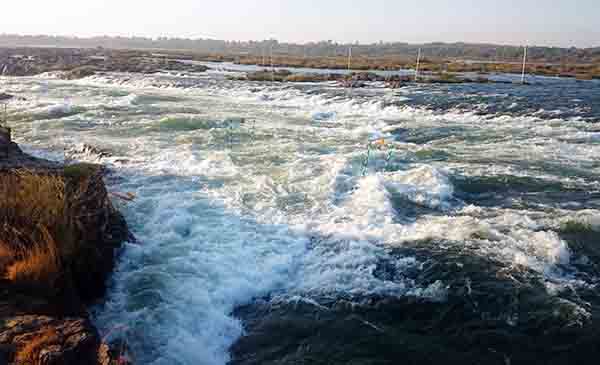
Sahastradhara, one of the most mesmerizing tirthasthalas of Maheshwar is best accessed by boat from the heart of the ancient city. Sahastradhara derives its name from the Sanskrit words sahastra which means thousand and dhārā which means streams or watercourses. According to the Puranas, Ravana, Lord of Lanka chanced upon the serene waters of the Rewa River while... Continue Reading →
Narmada Parikrama: Shri Raja Rajeshwar Sahasrarjuna Temple, Maheshwar, Khargone District, Madhya Pradesh
One of the oldest temples in Maheshwar also known as Gupta Kashi is Shri Raja Rajeshwar Sahasrarjuna Temple, a little distance away from the Kashi Vishwanath Temple. As the name suggests, this temple is dedicated to the mighty Raja Kartavirya Arjuna or Sahastrabahu Arjuna (the thousand-armed one). Raja Kartavirya Arjuna is believed to be... Continue Reading →
Narmada Parikrama: Kadambeshwar Mahadev Temple, Maheshwar, Khargone District, Madhya Pradesh
The sacred city of Maheshwar is dotted with many temples of great antiquity, of tremendous spiritual potency and of philosophical and literary excellence. It will be perhaps difficult to find even one place in Maheshwar that has not been mentioned in the Puranas and has not witnessed exemplary erudition. One of the oldest temples... Continue Reading →
Narmada Parikrama: Kashi Vishwanath Temple, Maheshwar, Khargone District, Madhya Pradesh
Maheshwar, named after Lord Shiva is dotted with ancient temples, innumerable Shiva Lingas carved at the ghats and decorative chhatris on the banks of the sacrosanct Rewa River that are perfect for meditation and to catch a glimpse of the mesmerizing rising and setting sun. One of the most beautiful temples built by Punyashlok... Continue Reading →
Narmada Parikrama: Kaleshwar Mahadev Temple, Maheshwar, Khargone District, Madhya Pradesh
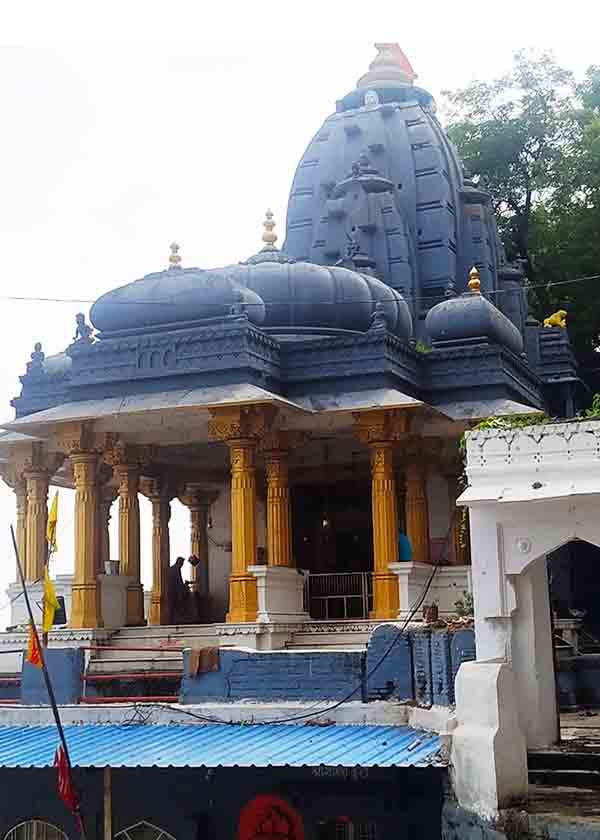
On the eastern side of Jaleshwar Mahadev Temple separated by the sangam of Rewa River and Maheshwar River, is the ancient Kaleshwar Mahadev Temple. This temple like the Jaleshwar Mahadev is situated atop a hill in the midst of stunning natural beauty and offers a beautiful view of the Narmada River and Maheshwar River through... Continue Reading →
Narmada Parikrama: Jaleshwar Temple, Maheshwar, Madhya Pradesh
Considered by scholars, yogis, tapasvis and saints to be one of the most important tirthasthalas of Akhanda Bharat, Maheshwar is a religious, cultural, intellectual, historical, artistic and architectural powerhouse. A local saying, 'नर्मदा नदी से निकलने वाला हर कंकर (पत्थर) शंकर का रूप होता है |' that literally translates to each and every pebble that... Continue Reading →
Narmada Parikrama: Ahilyeshwar Temple, Maheshwar, Madhya Pradesh
Maheshwar, the revered city of Punyashlok Ahilyabai Holkar located on the banks of the sacrosanct Rewa River is a treasure trove of Akhanda Bharat's history, culture, art, literature, music, architecture and heritage. This tirthasthala of immense spiritual and religious potency has been at the centre of many important events from the Vedic Period. This city named... Continue Reading →
History of Banaras – Part VII (Conclusion)
अयोध्या मथुरा माया काशी काञ्ची अवन्तिका । पुरी द्वारावती चैव सप्तैते मोक्षदायकाः॥ Kashi, a name that evokes a multitude of emotions ranging from bliss, joy, ecstasy, love and relief is the city that promises liberation. Since the dawn of time, Kashi has been considered to be the centre of learning, knowledge, wisdom and Advaita. Sages,... Continue Reading →
History of Banaras – Part VI (Contribution by the Marathas)
Chhatrapati Shivaji Maharaj in 1666 had taken refuge in the ancient city of Benares after his miraculous escape from captivity. He was most distressed on seeing the fear in the eyes of Hindus who had suffered immensely in the hands of the Mughals. Even though Raje desired to rebuild Kashi after the horrific desecration in... Continue Reading →
History of Banaras – Part V (Atrocities and bloodbath by Aurangzeb)
Aurangzeb seized absolute control of the throne in 1661 after murdering Dara Shikoh, instigating the execution of Shah Shuja in the hands of local rulers of Burma, executing his younger brother Murad Bakhsh in jail and imprisoning his father, Shah Jahan. Memoirs and court records graphically describe his fanaticism and deep roots in Islamic... Continue Reading →
History of Banaras – Part IV (Plunder and destruction by the Mughals)
It is difficult to ascertain the extent of damage inflicted by the Delhi Sultanate, but a fair number of mosques and tombs built on the sites of temples during this period using the stones of the temples demolished are still visible in the city. It has been documented that Razia Sultana had built a mosque... Continue Reading →
History of Banaras – Part III (Trail of destruction by the Delhi Sultanate)
The second attack by the Muslim invader Qutb al-Din Aibak in 1197 - 98 effectively ended the golden period of the Gahadavalas and established a violent intolerant Muslim rule that was determined to destroy every trace of the glorious heritage of Kashi. Kashi, a city that has existed since the dawn of creation grew in... Continue Reading →
History of Banaras – Part II
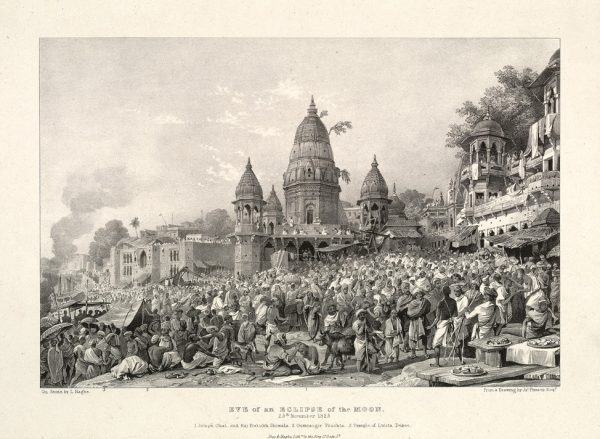
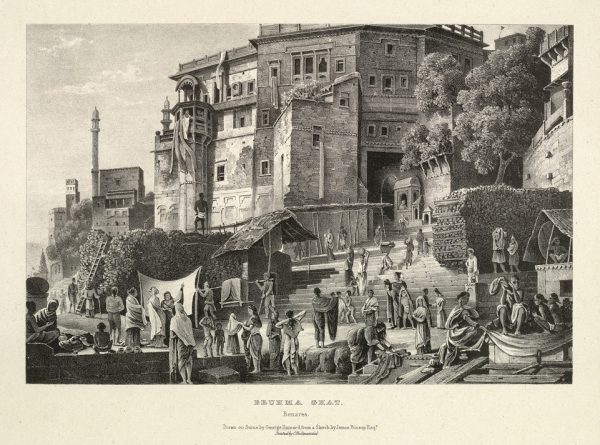
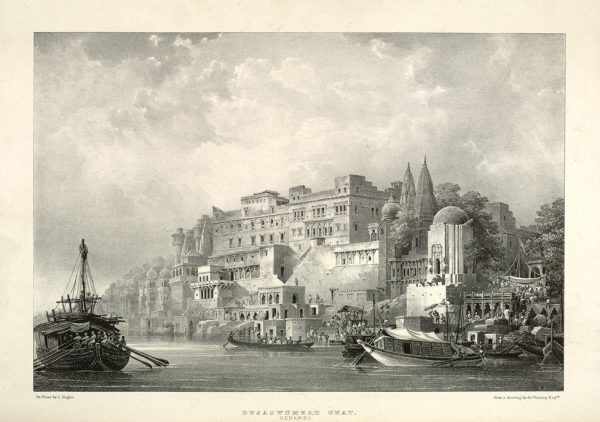
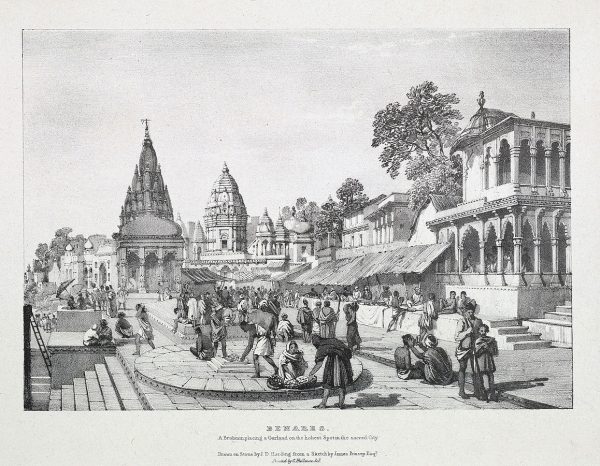
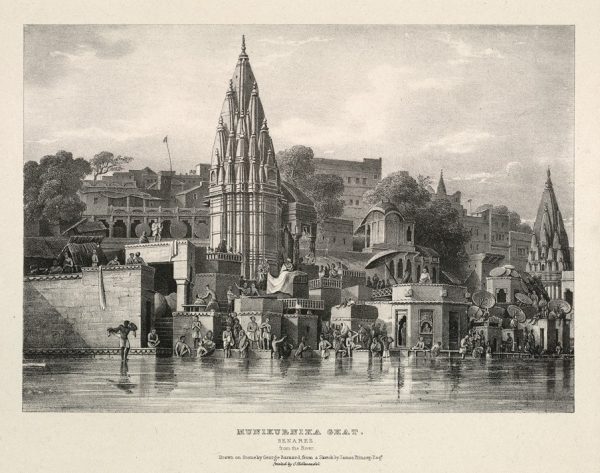
The stature of Benares as the seat of learning, knowledge and wisdom grew under the patronage of the Maukharis of Kannauj, Gurjara-Pratiharas and the mighty Kalachuris towards the end of the 10th century. The period of the Kalachuris is often referred to as the golden era in the city's history marked with the construction... Continue Reading →
Vishnu Varaha and ruins, Karitalai / Karanpur, Vijayraghavgarh, Katni District, Madhya Pradesh
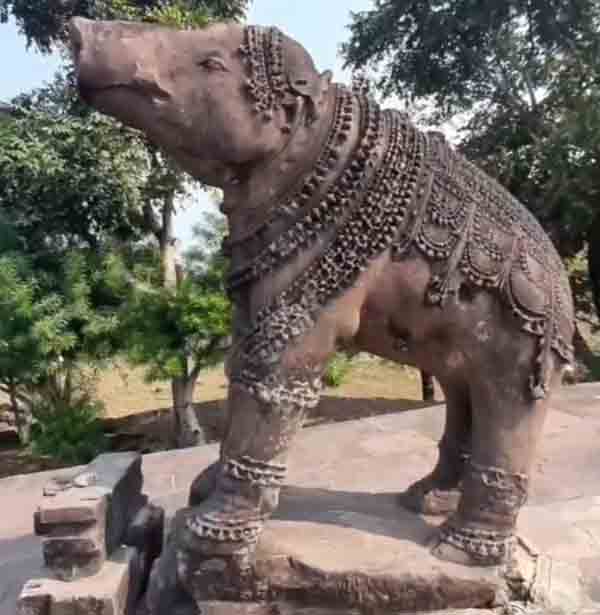
The large red sandstone boulders of Kaimur Range have for long fascinated the rulers of Central India be it the Guptas, the Paramaras, the Chalukyas of Kalyani, Gurjara-Pratiharas, Gahadavalas and others to mention a few. Remarkable monolithic sculptures of red sandstone with exceptional detailing are found particularly in the Katni district of Madhya Pradesh. ... Continue Reading →
Vishnu Varaha Temple, Bilhari Village, Rithi Tehsil, Katni District, Madhya Pradesh
Bilhari village in Katni district has many abandoned and forgotten temples and grand structures of the early medieval period. One among them is the Vishnu Varaha Temple, a lesser-known architectural gem of the Chedi kings built in the 11th century located at a little distance from the Kamakandla Fort. The temple sits on a... Continue Reading →
Shiva Temple, Kamakandla Fort, Bilhari Village, Rithi Tehsil, Katni District, Madhya Pradesh
A stunning fragment of the glorious reign of Maharaja Yuvarajadeva I of the Kalachuris of Tripuri (also known as Kalachuris of Chedi) that has largely remained in obscurity owing to its dilapidated state is the ancient building of Kamakandla. Though it is called as Kamakandla Fort, the typical architectural styling of a fort is missing.... Continue Reading →