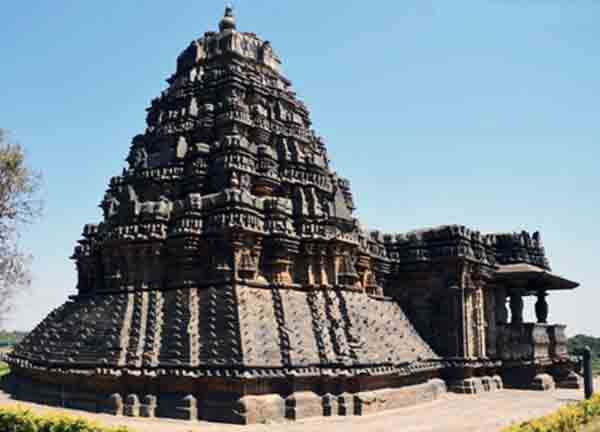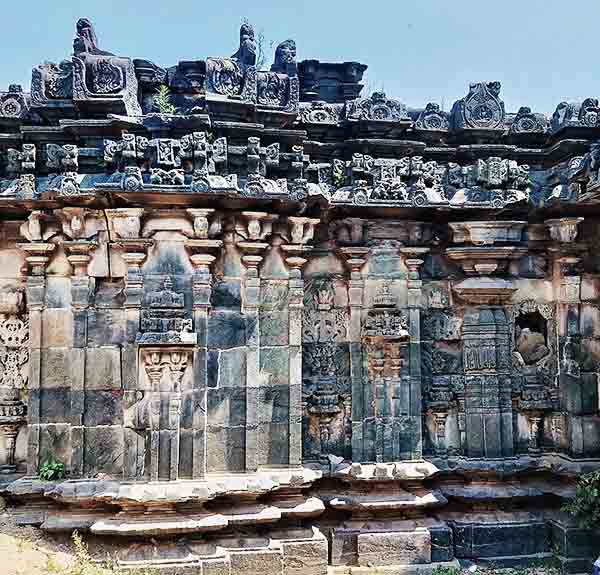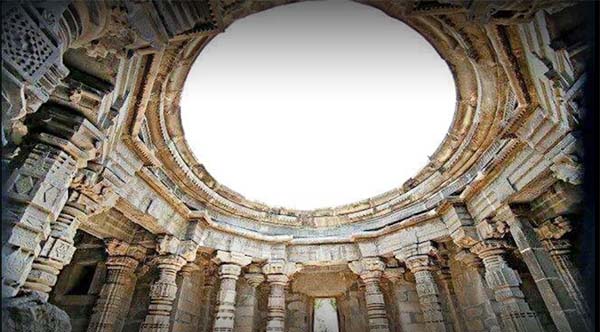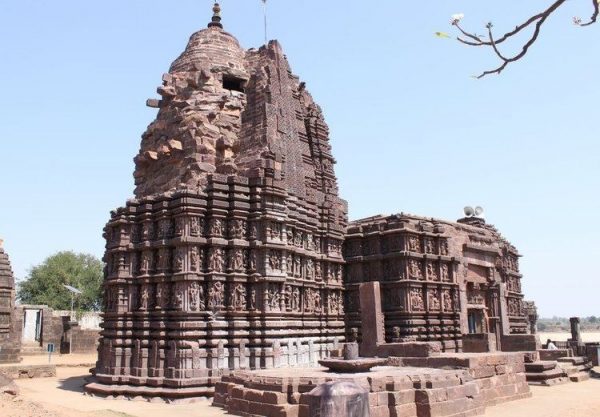
Tarakeshwara Temple, Hangal, Haveri District, Karnataka
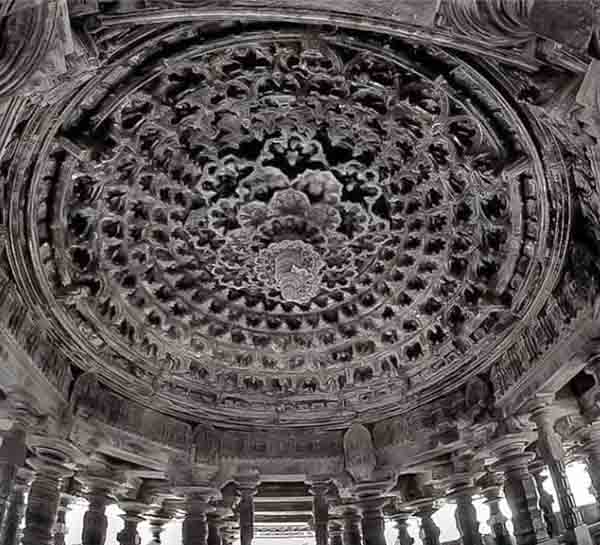
Hangal, the former bastion of the Kadambas, the Hoysalas, the Kalyani Chalukyas and the Vijayanagara Empire is best known for the 'Lotus of Hangal', a breathtaking architectural and structural marvel in the Tarakeshwara Temple. This centuries-old temple was built by the Kadambas in the 5th century with additions by the Hoysalas in the late 10th... Continue Reading →

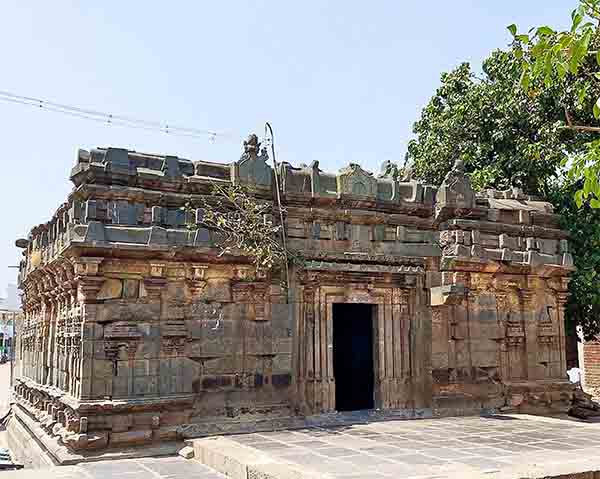
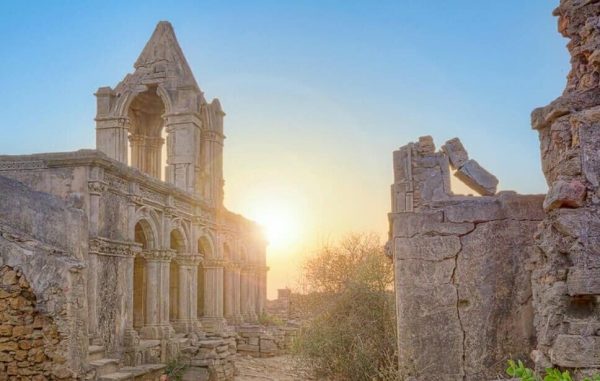
Purada Siddeshwara Temple, Haveri, Karnataka

One of the finest examples of the Rashtrakutas, Kalyani Chalukyas (Western Chalukyas) and the Marathas is the Purada Siddeshwara Temple in the ancient town of Haveri. This place of great antiquity has been mentioned in the Mahabharat and is revered for its spiritual and religious potency.   Also known as Siddeshwara Temple, this west-facing temple is... Continue Reading →

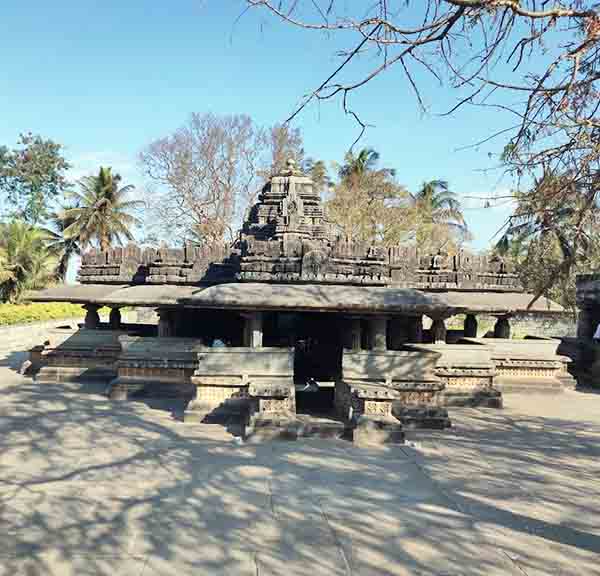
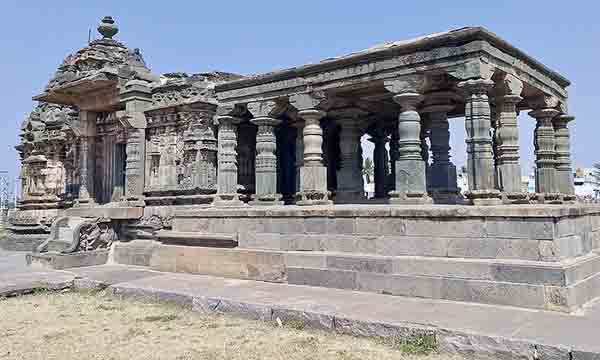
Sri Halagundi Basaveshwara Temple, Lakkundi Village, Gadag District, Karnataka

Lakkundi is a treasure trove of edifices built by the mighty Kalyani Chalukyas (Western Chalukyas), the Hoysalas, the Seunas (Yadavas of Devagiri) and the Vijayanagara Empire. Though a sizeable portion of the temples constructed over centuries were looted, desecrated and flattened to the ground, the temples that managed to survive the savagery exude grandeur, charm... Continue Reading →

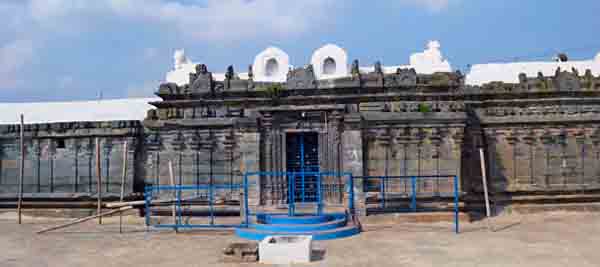
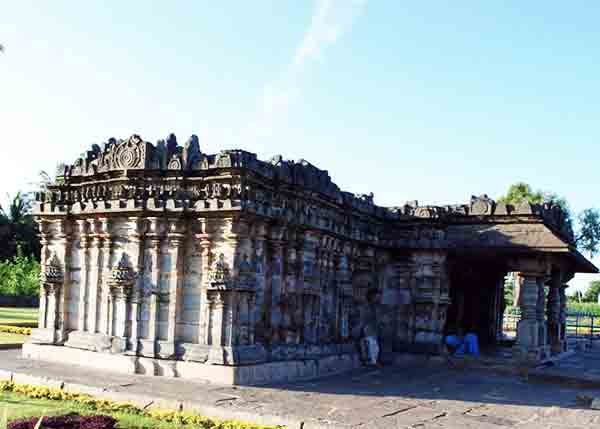
Kumbareshwara Temple, Lakkundi Village, Gadag District, Karnataka

One of the lesser-known architectural masterpieces of Lakkundi is the Kumbareshwara Temple built in the 11th - 12th century. This edifice is yet another excellent example of the famed Lakkundi school of architecture favoured by the Kalyani Chalukyas.   The temple is designed as a trikutachala (temple with three sanctums) with a shared mandapa and ranga mandapa. Interestingly,... Continue Reading →

Suryanarayana Temple, Lakkundi Village, Gadag District, Karnataka

Lakkundi, a treasure trove of ingenious stepwells, temples, halls, dharmashalas and palatial quarters built by the Kalyani Chalukyas (Western Chalukyas), the Hoysalas, the Seunas (Yadavas of Devagiri) and the Vijayanagara Empire is renowned for its unique architectural style. The Lakkundi school of architecture is perhaps the finest illustration of an artistic harmony of architectural styles... Continue Reading →

Kashi Vishweshwara Temple, Lakkundi Village, Gadag District, Karnataka

Lakkundi, famous for the splendid edifices of the Kalyani Chalukyas (Western Chalukyas) is revered for its spiritual potency and finds mention in both the Ramayana and Mahabharat. This remote village in Gadag district has the best illustration of the unique Lakkundi school of architecture (also known as Western Chalukya style of architecture) shaped by the Kalyani Chalukyas in... Continue Reading →

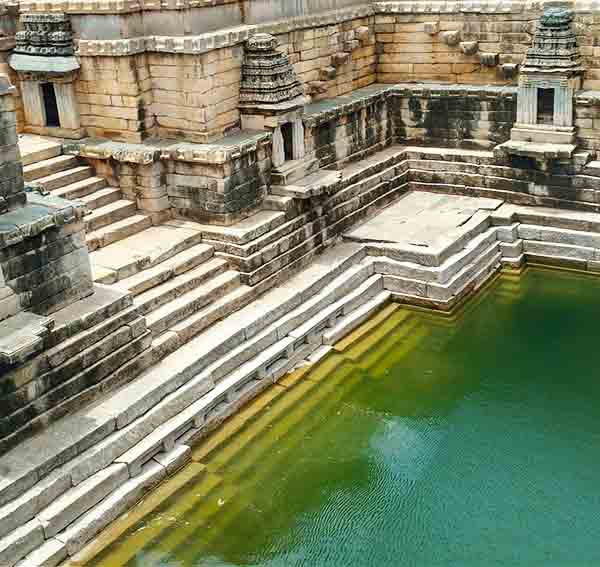
Muskin Bhavi, Lakkundi Village, Gadag District, Karnataka

The remote village of Lakkundi, previously known as Lokkigundi is a treasure trove of stunning temples, stepwells, palatial quarters and dharmashalas that showcase the architectural prowess of the Kalyani Chalukyas (Western Chalukyas), the Hoysalas, the Seunas (Yadavas of Devagiri) and the Vijayanagara Empire. This historical site has rare inscriptions in Kannada and Sanskrit that date... Continue Reading →

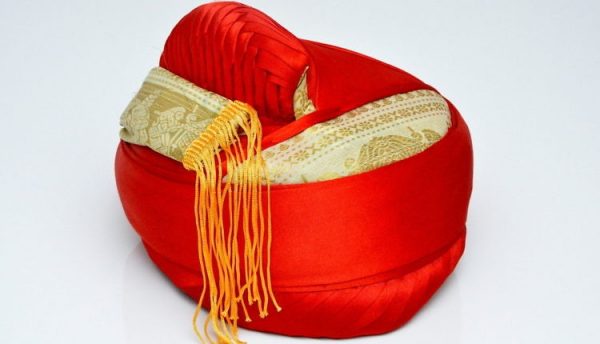
Puneri Pagadi, Maharashtra

Pagadi or turban has historically been a sign of culture, wisdom, virility and often used identify the different sections of community. Puneri pagadi is an inseparable part of Pune which is the cultural capital of Maharashtra.   Puneri pagadi is conceptualized from the Peshwe turban worn by the Peshwas which itself was inspired by the traditional Chakribandh... Continue Reading →

Waghya Ghevada, Maharashtra

One of the most famous cash crops of Western Maharashtra is Waghya ghevada. Grown extensively in North Koregaon taluka of Satara district, this rajma was first cultivated in 1950 by the late Kashinath Mahajan who bought seeds of this variety from a trader in Pune. This variety soon became popular with the locals and was... Continue Reading →

Sindhudurg and Ratnagiri Kokum, Maharashtra

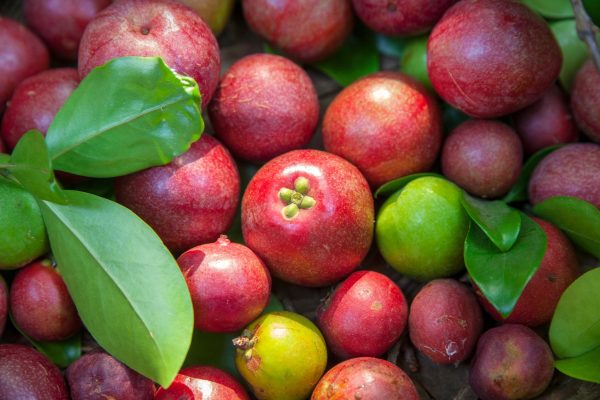
Kokum (Garcinia indica) called as the ‘The Kool King’ of Indian fruits flourishes in the dense forests of the Western Ghats of Maharashtra. Konkan kokum is a perennial fruit of commercial value that thrives in the scenic Ratnagiri and Sindhudurg districts.   According to the locals, Ratnagiri and Sindhudurg districts have about 43,000 centuries-old kokum... Continue Reading →

Create a website or blog at WordPress.com

Up ↑