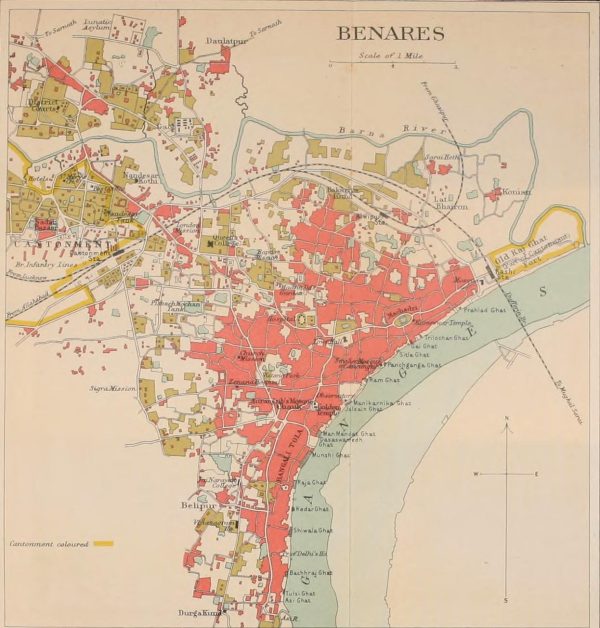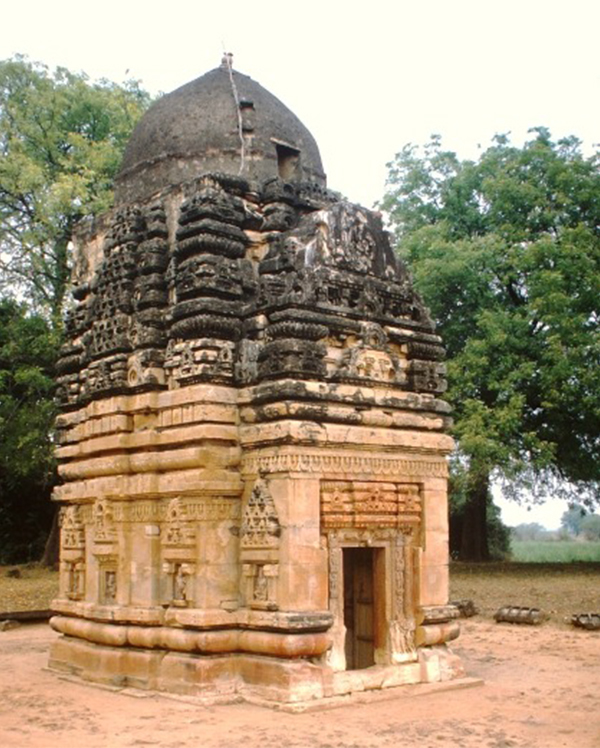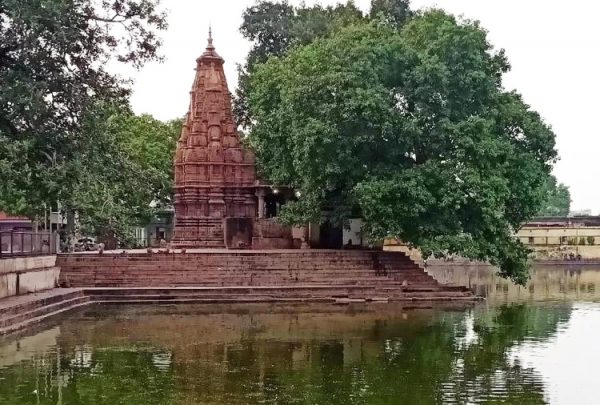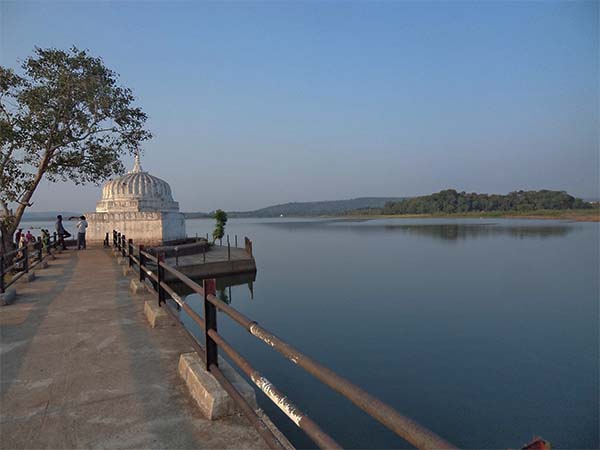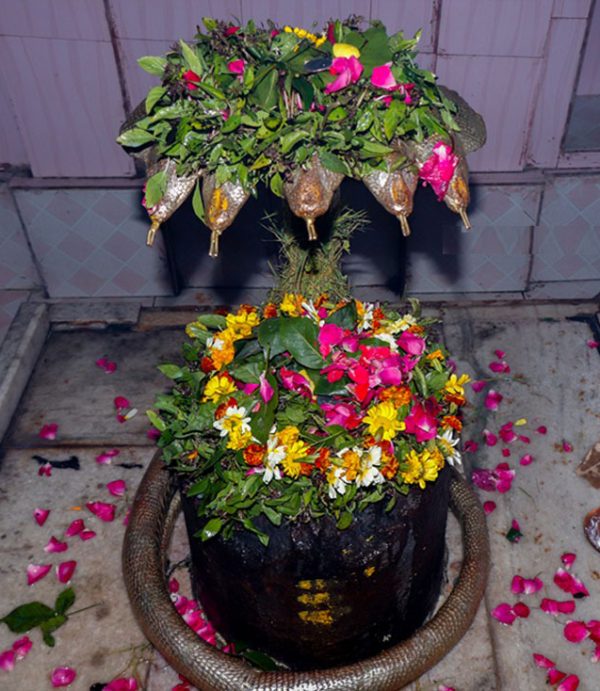
Banaras, the golden city of knowledge, wisdom, spirituality and Advaita, has from the ancient times been considered to be one of the most sacrosanct places of Akhanda Bharat. This glorious city has a rich history that can be traced back to the time of creation. Archaeological excavations have uncovered rare artefacts from the Vedic Period... Continue Reading →
Sun Temple, Madkhera Village, Tikamgarh District, Madhya Pradesh
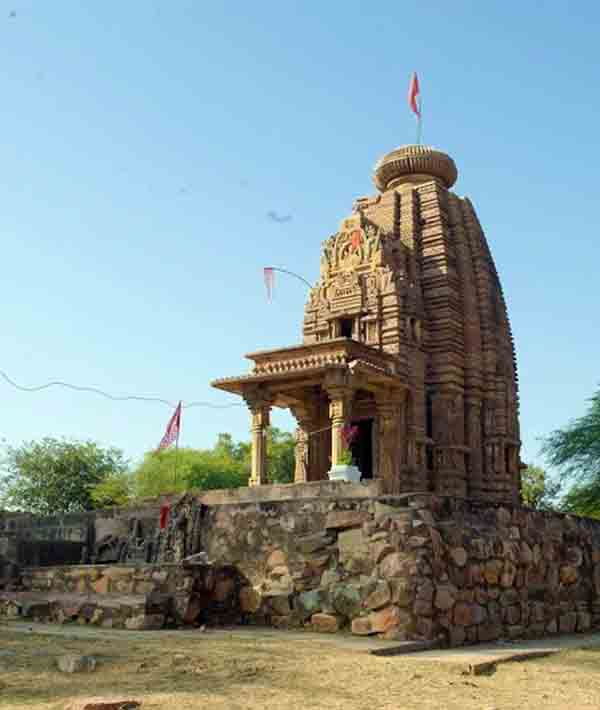
The Sun Temple located in the sleepy village of Madkhera in Tikamgarh district is a beautiful example of 9th century temple architecture. Built by the Gurjara-Pratiharas in the typical Nagara style of architecture, this marvellous structure has some of the most exquisite carvings of its time. This east-facing temple is built on a high... Continue Reading →
Kashikhanda: Panchkroshi Yatra: Kapildhara Temple (Kapileshwar Mahadev Mandir), Kapildhara, Varanasi District, Uttar Pradesh
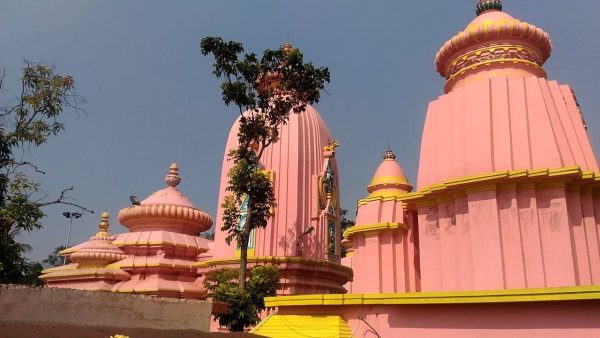
The fifth and final paṛāva (halt) of the divine Kashi Panchkroshi Yatra is the Kapildhara Temple also known as Kapileshwar Mahadev Mandir. After offering prayers at Kardameshwar Mahadev Mandir, Bhimchandi Mandir, Rameshwar Mandir and Shivpur Mandir, devotees take a dip in the three ancient ponds of Sona Talab, Saranga Talab and Kapildhara Talab that are at the final... Continue Reading →
Kashikhanda: Panchkroshi Yatra: Shivpur Temple, Shivpur Village, Varanasi District, Uttar Pradesh
The fourth paṛāva (halt) of the sacrosanct Kashi Panchkroshi Yatra is the Pancho Pandava Mandir (Pancha Pandeshwar Mandir) located in the bustling Shivpur village. After having darshan at Kardameshwar Mahadev Mandir, Bhimchandi Mandir and Rameshwar Mandir, pilgrims head to Draupadi Kund that is located near a huge tank known as Manasarovar tirth. According to the... Continue Reading →
Kashikhanda: Panchkroshi Yatra: Rameshwar Mandir, Rameshwar Village, Varanasi District, Uttar Pradesh
The next stop on the sacrosanct Kashi Panchkroshi Yatra after Kardameshwar Mahadev Mandir and Bhimchandi Mandir is the ancient Rameshwar Mandir situated on the bank of the Varuna River in Rameshwar village. This temple of great antiquity is considered by many to be the most important kshetra or tirthasthala in the Panchkroshi Yatra. According to the Kashi Khanda... Continue Reading →
Kashikhanda: Panchkroshi Yatra: Bhimchandi Mandir, Bhimchandi Village, Varanasi District, Uttar Pradesh
The Kashi Panchkroshi Yatra is considered to be one of the oldest pilgrimage routes of the world. According to the Hindu scriptures, Lord Rama along with Sita Mata and his brothers had visited the important tirthsthalas on this ancient route to liberate his father Raja Dasharatha from the curse of the parents of Shravana Kumar (Putrashoka).... Continue Reading →
Mahadeva Temple, Amrol Village, Gwalior District, Madhya Pradesh
One of the finest examples of the early Pratihara style of architecture in Central India is the Mahadeva Temple in Amrol village. This ancient temple is likely to have been built in the 8th century by either Nagabhata I or Vatsaraja. The temples built by the Pratiharas in Gwalior are considered by historians to be... Continue Reading →
Kashikhanda: Panchkroshi Yatra: Kardameshwar Mahadev Temple, Kandwa, Varanasi District, Uttar Pradesh
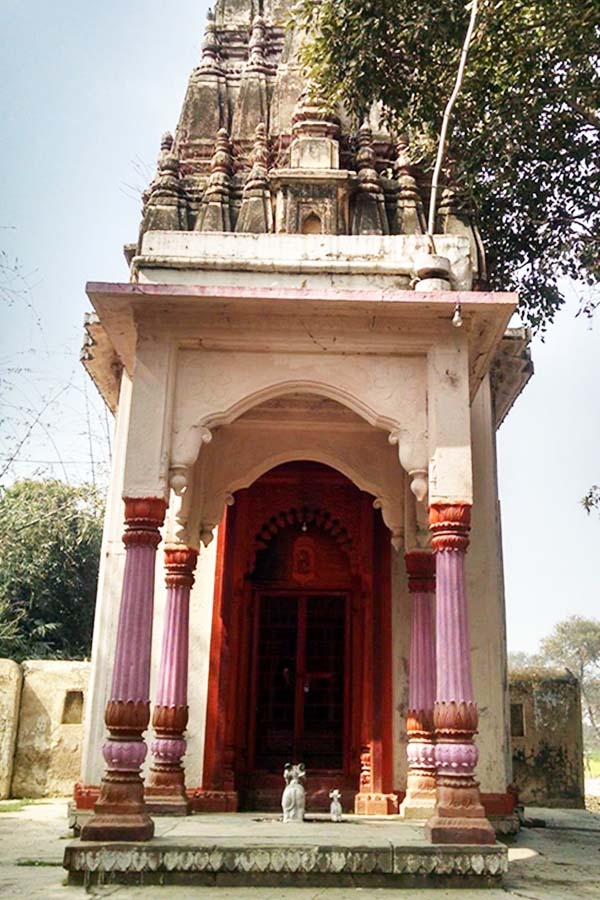
One of the oldest surviving temples of Varanasi that holds the rare distinction of escaping the ruthless desecration by Muslim invaders especially the Mughals is the Kardameshwar Mahadev Mandir located near Kandwa Pokhra. This ancient Shiva Temple that forms a part of the sacrosanct Panchkroshi Yatra is one of the best preserved temples of Varanasi.... Continue Reading →
Narmada Parikrama: Sahastradhara, Mandla, Madhya Pradesh
One of the most revered places in Mandla is Sahastradhara, located at a little distance from the heart of the town. Sahastradhara derives its name from the Sanskrit words sahastra which means thousand and dhārā which means streams or watercourses. According to the Puranas, Ravana, Lord of Lanka chanced upon the serene waters of the... Continue Reading →
Kashikhanda: Pita Maheshwar Mandir, Varanasi, Uttar Pradesh
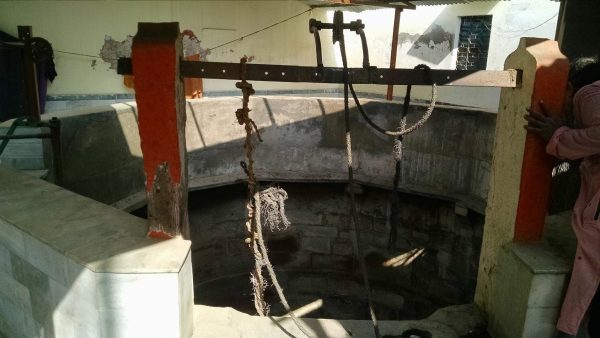
One of the most unusual temples of Varanasi is the Pita Maheshwar Mandir located in Sheetla Gali. As the name suggests, this temple is dedicated to Parama Pita Maheshwar Mahadev, the Father of Lord Shiva! As astounding as it sounds, this temple has been described in detail in the Kashi Khanda of the Skanda Purana as... Continue Reading →
Narmada Parikrama: Swayambu Sidhpeeth Sri Gupteshwar Mahadev Mandir, Jabalpur, Madhya Pradesh
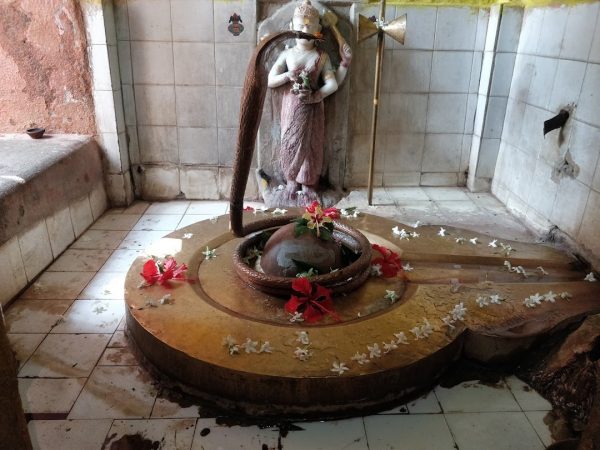
One of the most ancient Shiva temples on the banks of the sacrosanct Rewa River is the Gupteshwar Mahadev Mandir in Jabalpur. Jabalpur is a part of the Narmada Parikrama and thousands of devotees come here every year to have darshan of Maa Narmada and participate in the aarti. This temple has been mentioned in the Koti... Continue Reading →
Narmada Parikrama: Vindhyavasini Beejasan Durga Devi, Salkanpur Village, Budni Tehsil, Sehore District, Madhya Pradesh
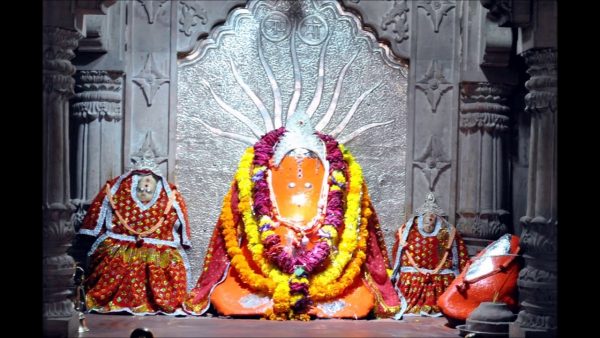
One of the most revered Durga Mata temples in India is the Vindyavasini Beejasan Durga Devi Temple located in Salkanpur village at a little distance from Hoshangabad that lies on the Narmada Parikrama. This ancient temple is situated atop a hillock at an elevation of 800 feet and accessed by a flight of about 1000... Continue Reading →
Narmada Parikrama: Baneshwar Temple, Maheshwar, Madhya Pradesh
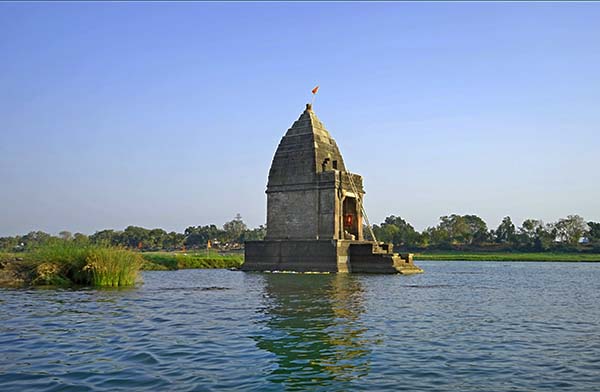
The picturesque city of Maheshwar, located on the banks of the sacrosanct Rewa River is synonymous with history, culture, art, architecture, faith, spirituality, courage, patriotism and romanticism. Every square inch of this ancient city has a story that will be leave you spellbound. Maheshwar is one of the most important kshetras on the Narmada Parikrama and... Continue Reading →
Narmada Parikrama: Gupteshwar Mahadev Temple and Chhappan Dev Mandir, Mandleshwar, Madhya Pradesh
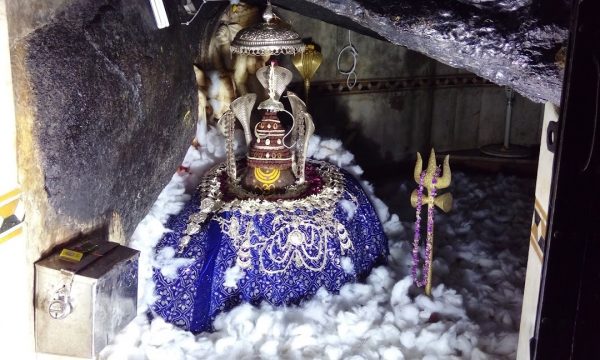
The world's first Adi Shiva Linga is found in the Gupteshwar Mahadev Temple in Mandleshwar on the banks of the Rewa River. This temple is considered to be the oldest Shiva temple in the world and has been described in detail in the Puranas. Legend has it that a pindi (upper part of the Shiva... Continue Reading →
Jora Bangla Durga Temple, Bali Dewanganj, Hooghly District, West Bengal
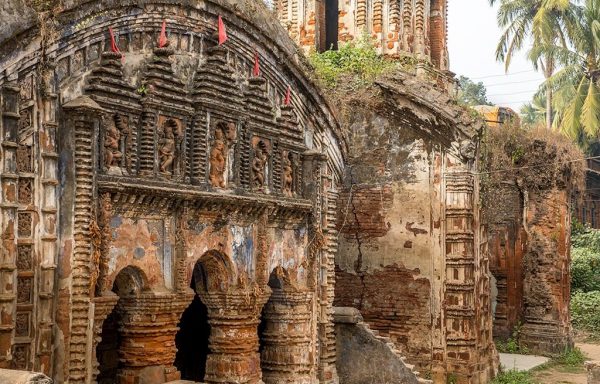
The Durga Temple in the quaint village of Bali Deewanganj (widely believed to be two villages – Bali and Deewanganj) is one of a kind temple harmoniously incorporating two distinctive styles of Bengali temple architecture namely the chala (hut type roof) and the ratna (pinnacle). This temple has captured the interest of architects, historians and heritage enthusiasts for two reasons... Continue Reading →
Ambernath Shiv Temple, Ambernath, Maharashtra
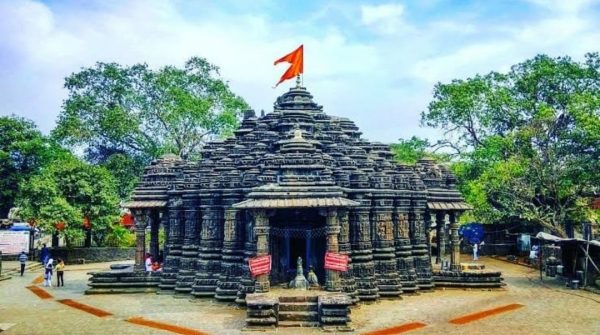
One of the oldest temples of the Konkan coastal stretch is the Ambernath Shiv Temple located at Ambernath about 50 km from Mumbai. Ambernath literally means Lord of the Sky or Space and interestingly, this temple does not have a roof over the sanctum sanctorum! Locals believe that the presiding deity may have been named... Continue Reading →
On the history trail: Nadir Shah invited to invade India by the Mughal Invaders
If ever awards for stupidity were to be handed out, it is highly likely that Aurangzeb would confer one for himself and award the rest to his incompetent descendants. By the end of his reign, Aurangzeb who had waged war with the Marathas for twenty-five years and had only pyrrhic victories to his credit undid... Continue Reading →
On the history trail: Tulja Bhavani and The Battle of Pratapgad
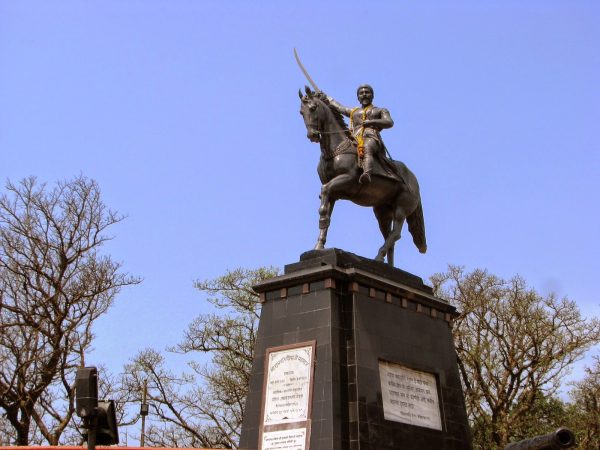
The capture of the hill forts of Purandar, Kalyan and Bhiwandi and the death, ruin and defection of feudatories like the Mores of Javli and the Sawants of Wadi respectively effected by Chhatrapati Shivaji Maharaj and his able aides brought the crippling Bijapur kingdom to its knees. The construction of the new hill fort of... Continue Reading →
Kurumbera Fort, Gaganeshwar Village, Paschim Medinipur District, West Bengal
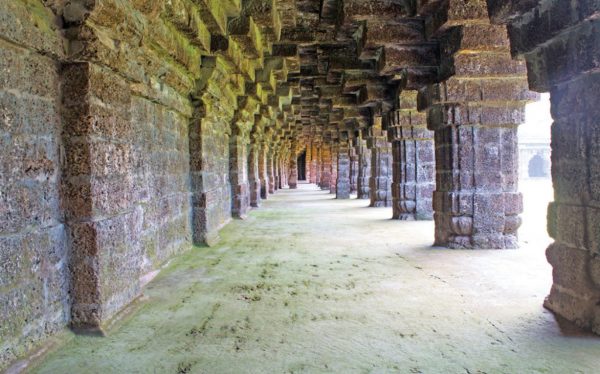
An interesting fort complex built during the glory days of Bengal relegated to obscurity is the Kurumbera Fort which is at a little distance from Kharagpur. Kurumbera Fort which derives its name from kurum which means stone and bera which means fence and collectively means an area fenced by stone in the local language is located in the historically... Continue Reading →
Santipore Saree of West Bengal
One of the most exquisite weaves in cotton and silk is found in the Bengal heartland of Shantipur - Phulia. Called as Shantipuri, this centuries-old tant (traditional Bengali saree) derives its name from Shantipur in Nadia district. The ancient handloom industry in Shantipur has been mentioned in manuscripts glorifying the life of Advaita Acharya as... Continue Reading →
Eathamozhy Tall Coconut of Tamil Nadu
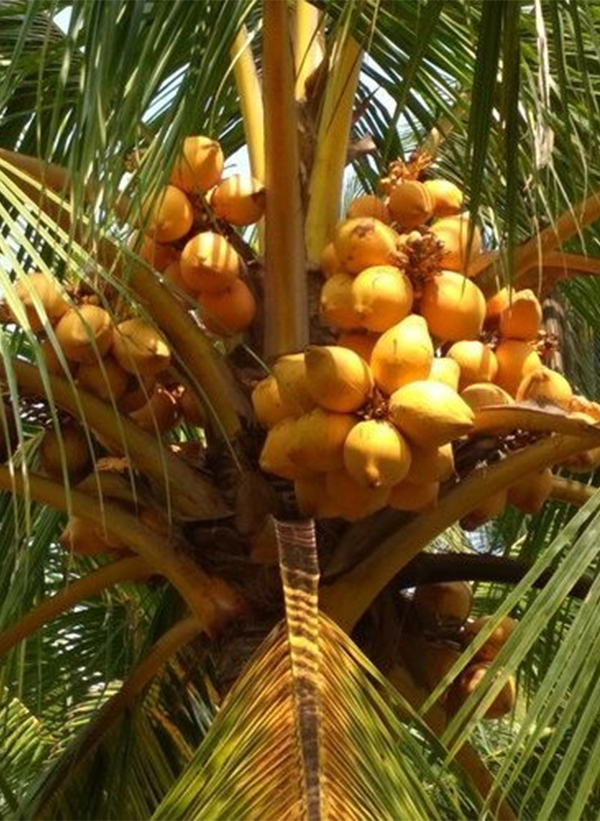
A rare type of tall coconut variety with immense historical, religious and commercial importance known locally as Eathamozhy or Eathamozhi tall coconut thrives in Kanyakumari district. The unique morphological traits found in this variety are of a superior genetic constitution and it is unsurprising that there is great demand for the seedlings of Eathamozhy tall... Continue Reading →
On the history trail: Chandashoka and The Kalinga War
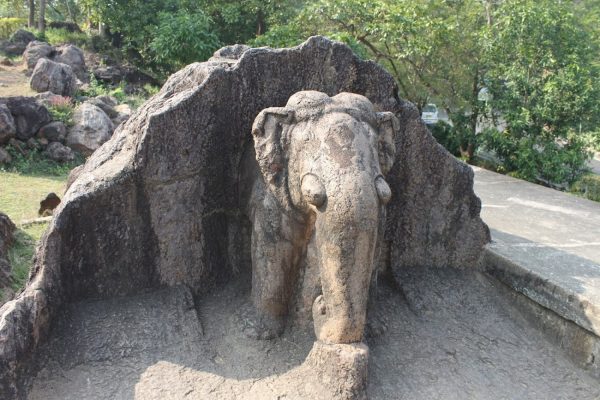
Along with the wily Chanakya, Chandragupta Maurya, the founder of the Maurya dynasty built one of the largest empires in Akanda Bharat. He abdicated the throne in favour of his son Bindusara who was equal to the task. Bindusara not only consolidated the control over the empire but also extended it further south. Travellers' documentation and... Continue Reading →
Nibiya Khera Temple, Bhadwara, Kanpur Dehat District, Uttar Pradesh
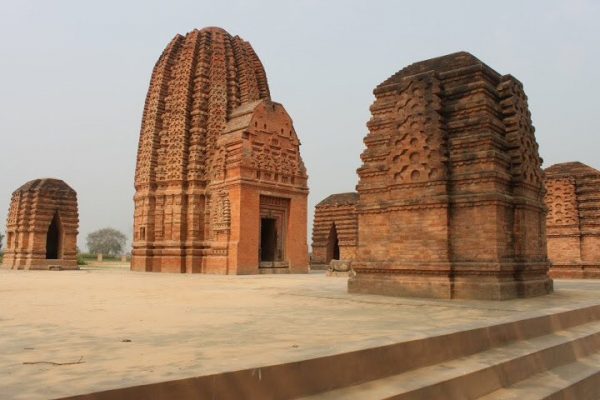
One of the best-preserved brick temple complexes of the 9th - 10th century is found in the sleepy village of Nibiya Khera in Bhadwara. Though no inscription has been found, it is likely that the Gurjara - Pratihara dynasty who ruled over a large part of Northern India built this temple. This temple complex... Continue Reading →
Karnagarh Rani Shiromani Fort, Karnagarh Village, Paschim Medinipur District, West Bengal
The historically important village of Karnagarh in Medinipur district which was once the seat of the Midnapore royal family is most famous for its Chuar Bidroha, a rebellion led by Rani Shiromani, who is called as the Rani Laxmibai of Medinipur against the highly exploitative land revenue policy of the British in 1798. The British were... Continue Reading →