The shift of the Maratha power to Gingee created serious problems for Aurangzeb. It would be difficult for his men to receive information on what was happening within the four walls of Gingee. He decided to act quickly to put down the rising Maratha power. He left his camp of Koregaon on 18 December... Continue Reading →
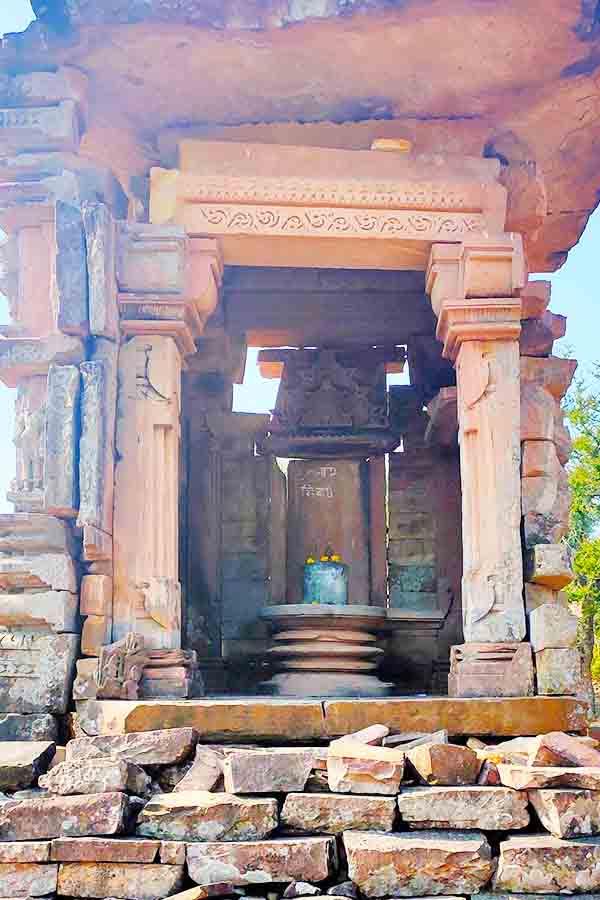
Linga of Mahadeva Temple, Dudhai Village, Lalitpur District, Uttar Pradesh
Lost in the rubble of the Dudhai village temple complex is the ruined Mahadeva Temple of the 11th century. This temple built on a high platform sits behind the Lesser Surang Temple. Though it is well-known that this entire temple complex along with the goshala, dharmashala and other structures were built by the Chandelas, this temple... Continue Reading →
On the history trail: Chhatrapati Rajaram Maharaj heads to Gingee
With mounting pressure and constant assaults on the Marathas by the Mughals, Chhatrapati Rajaram Maharaj revisited his strategy of staying put in Panhala. The situation was getting increasingly dangerous for him and his men and it was decided that they would make their way to the safe haven of Jinji in the Deccan. Jinji... Continue Reading →
On the history trail: The fall of Raigad and the extraordinary leadership of Ramchandra Pant Amatya
Raigad, one of the most impregnable forts of all the Maratha forts had been made largely inaccessible by the natural defences of Mother Earth. This fort was constructed on a large plateau with enough food, cattle and supplies required for a large military presence to hold out for a long time. In fact, this... Continue Reading →
On the history trail: Chhatrapati Rajaram Maharaj’s reign begins
With the tragic death of Shree Dharamveer Chhatrapati Sambhaji Maharaj, Aurangzeb's lifelong dream of capturing the Deccan was fulfilled. The whole territory from the Narmada to the Tungabhadra lay at his feet. However, the savagery of the desert barbarian Aurangzeb hardened the hearts of the Marathas and impelled them to protect their own and their... Continue Reading →
On the history trail: Chhatrapati Sambhaji Maharaj tortured to death in the most barbaric way ever seen by Aurangzeb
Shock, quickly followed by a wild outburst of rejoicing was witnessed when Aurangzeb and his men received the news of Chhatrapati Sambhaji Maharaj's capture at Akluj. The young king who had tried his best to follow in the footsteps of his father, the late Chhatrapati Shivaji Maharaj had terrorized Aurangzeb and the Mughals in his... Continue Reading →
On the history trail: Chhatrapati Sambhaji Maharaj betrayed and captured by Aurangzeb at Sangameshwar
The wily Aurangzeb continued to put pressure on the Marathas by despatching Shahâb ud-Din and his son, Chin Qilich Kamaruddin Khan to grab their territory in North Konkan and Baglan. Chhatrapati Sambhaji Maharaj was outraged on hearing the devious tactics employed by father and son to win over the Marathas. He launched a furious... Continue Reading →
On the history trail: Chhatrapati Sambhaji Maharaj subjugates the Portuguese in regal fashion
Chhatrapati Sambhaji Maharaj's bloody beginning gradually eased into a more restrained reign and he began his operations on the Siddi of Janjira and the Portuguese of Chaul who had been cowed into submission by Aurangzeb in his typical tyrannical manner. The Siddi has been appointed as Aurangzeb's admiral and was egged on to step... Continue Reading →
On the history trail: Aurangzeb captures Bijapur and Golconda after failing to make inroads in the Maratha territory
The year of 1682 - 1683 presented Chhatrapati Sambhaji Maharaj a great opportunity to strike a mentally and physically weak Aurangzeb either at his treasured palace or as Muhammad Akbar suggested to ride through Gujarat into Rajputana. It is unclear why Sambhaji Raje did not take advantage of Aurangzeb's invasion but one surmise that it... Continue Reading →
On the history trail: Aurangzeb fails to capture key Maratha forts (Siege of Ramsej)
Though it is indeed difficult to comprehend how and why the largely Hindu Rajput kings swore allegiance to the Muslim invaders from the time of Babur, power and wealth since time immemorial have been dangerous temptations that have successfully enticed many to swerve from their rightful duty to their Motherland. Such was the case with... Continue Reading →
On the history trail: Muhammad Akbar rebels against Aurangzeb and seeks refuge in Chhatrapati Sambhaji Maharaj
The year of 1679 saw Aurangzeb begin a full-fledged war against the princes of Rajputana. Though, the Rajputs had always sworn allegiance to the Mughals since the time of Babur, Aurangzeb wished to stamp his authority on this rich region and annex it to the Mughal empire. Chhatrapati Shivaji Maharaj was quick to denounce... Continue Reading →
On the history trail: Bloody beginning to Chhatrapati Sambhaji’s reign
Chhatrapati Shivaji Maharaj was a genius way ahead of his time. In the midst of uncertainty, savagery, brutalism and widespread plunder by the desert barbarian, Aurangzeb, Shivaji Raje was a beacon of hope for Hindus. He was a self-taught man who had no experience in the workings of a great capital or court or camp... Continue Reading →
History of Banaras – Part VII (Conclusion)
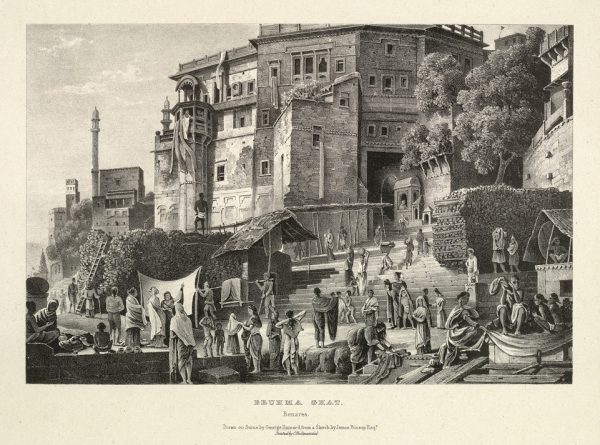
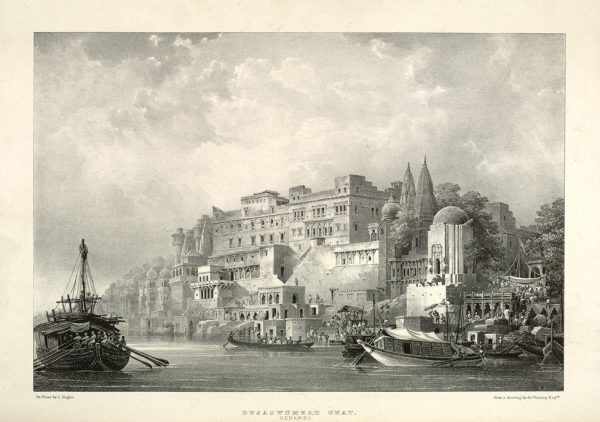
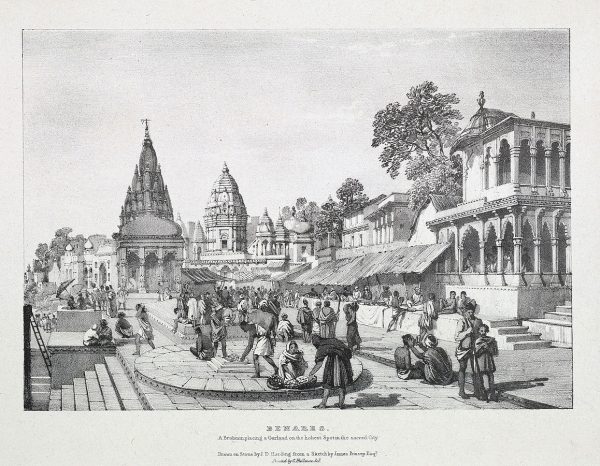
अयोध्या मथुरा माया काशी काञ्ची अवन्तिका । पुरी द्वारावती चैव सप्तैते मोक्षदायकाः॥ Kashi, a name that evokes a multitude of emotions ranging from bliss, joy, ecstasy, love and relief is the city that promises liberation. Since the dawn of time, Kashi has been considered to be the centre of learning, knowledge, wisdom and Advaita. Sages,... Continue Reading →
History of Banaras – Part VI (Contribution by the Marathas)
Chhatrapati Shivaji Maharaj in 1666 had taken refuge in the ancient city of Benares after his miraculous escape from captivity. He was most distressed on seeing the fear in the eyes of Hindus who had suffered immensely in the hands of the Mughals. Even though Raje desired to rebuild Kashi after the horrific desecration in... Continue Reading →
History of Banaras – Part V (Atrocities and bloodbath by Aurangzeb)
Aurangzeb seized absolute control of the throne in 1661 after murdering Dara Shikoh, instigating the execution of Shah Shuja in the hands of local rulers of Burma, executing his younger brother Murad Bakhsh in jail and imprisoning his father, Shah Jahan. Memoirs and court records graphically describe his fanaticism and deep roots in Islamic... Continue Reading →
History of Banaras – Part IV (Plunder and destruction by the Mughals)
It is difficult to ascertain the extent of damage inflicted by the Delhi Sultanate, but a fair number of mosques and tombs built on the sites of temples during this period using the stones of the temples demolished are still visible in the city. It has been documented that Razia Sultana had built a mosque... Continue Reading →
Veni Madhav Temple, Prayagraj, Uttar Pradesh
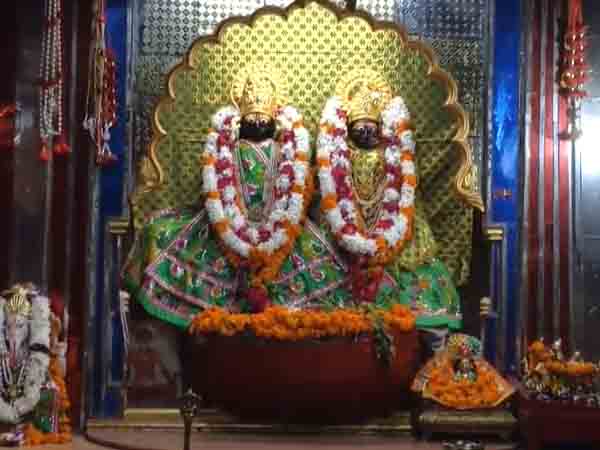
Veni Madhav Mandir located at Daranganj close to the sacrosanct Triveni Sangam is one of the oldest shrines dedicated to Lord Vishnu in Prayag. This is one of the Dwadasha Madhav Temples of this historical city. This ancient temple dedicated to Lord Krishna and Lakshmi Devi has been mentioned in the Matsya Purana, Agni Purana and Padma Purana... Continue Reading →
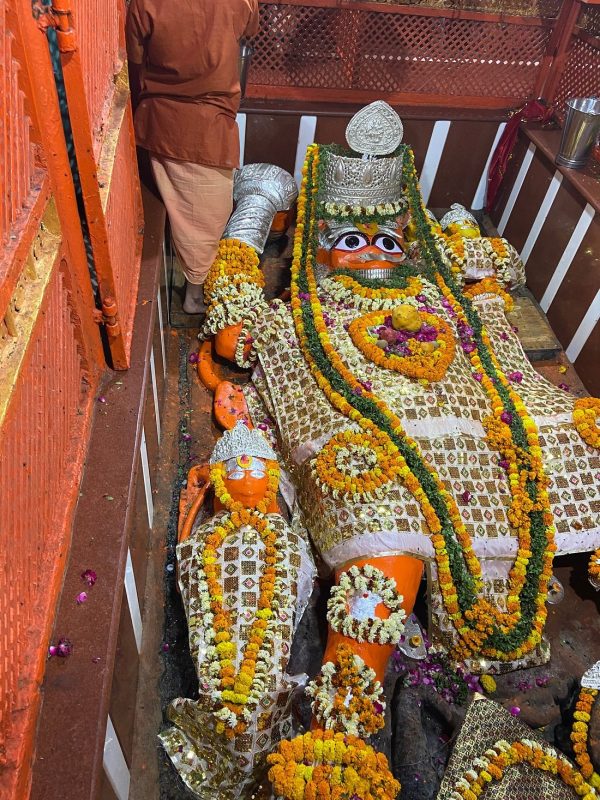
Bade Hanuman Ji or Lete Hanuman Ji Temple, Prayagraj, Uttar Pradesh
Bade Hanuman Ji or Lete Hanuman Ji, as the name suggests is a magnificent shrine of Lord Hanuman in a rare supine position. Located about 500 m north of the Allahabad Fort close to the Triveni Sangam, this massive idol of Lord Hanuman is one of the oldest in Prayag. Bade Hanuman Ji is... Continue Reading →
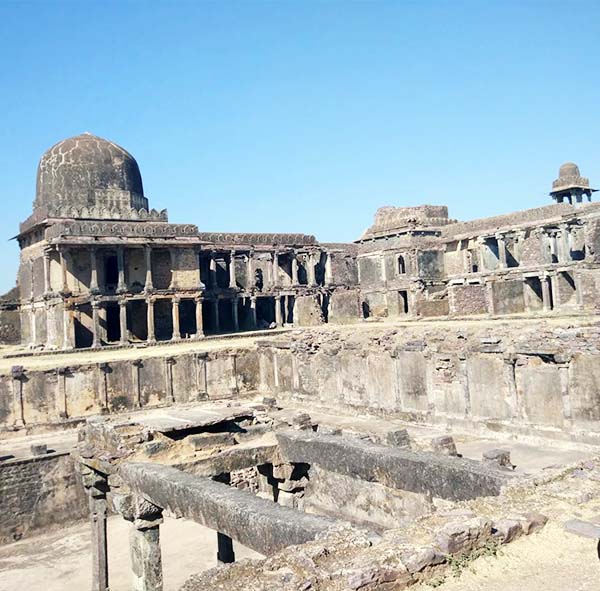
Raisen Fort, Raisen, Madhya Pradesh
Raisen Fort located in Raisen in Madhya Pradesh is considered to be years ahead of its time in terms of structural and architectural innovation. This fort is widely believed to be one of the most difficult forts to breach and has been at the centre of many battles led by Muslim invaders from the 13th... Continue Reading →
On the history trail: The Grand Meeting of Chhatrapati Shivaji Maharaj with Ekoji I (Vyankoji Bhonsle)
After the decisive rout of Sher Khan Lodhi, Chhatrapati Shivaji Maharaj headed towards Tanjore to meet his half-brother Ekoji to effect a reasonable division of their father’s holdings. He encamped at Tirumalavadi (Thirumalvadi) that lies on the north bank of the Coleroon River, a few miles from Tanjore. As Maharaj was awaiting the arrival... Continue Reading →
On the history trail: The Karnatak Campaign (Forts of Gingee and Vellore captured) by Chhatrapati Shivaji Maharaj
Chhatrapati Shivaji Maharaj, pursuant to the arrangement made by Raghunath Pant with the ministers of Golkonda court headed to Bhagyanagar from Raigad at the end of January 1677 leaving Moropant Pingle and Annaji Datto in charge of the Deccan. The presence of Maharaj and his mighty army alarmed the citizens of the city who went... Continue Reading →
On the history trail: The Karnatak Campaign (Capture of the Fort of Kopbal) by Chhatrapati Shivaji Maharaj
Though Chhatrapati Shivaji Maharaj was at peace with Bijapur, the threat of a Mughal invasion loomed large. It was necessary to arrange for more funds to support the army and man the forts. Maharaj conceived a plan for acquiring territory down south in the rainy season of 1676 as he resided in Panhala. Ekoji,... Continue Reading →
On the history trail: Sea Power of the Marathas under Chhatrapati Shivaji Maharaj
A long stretch of the Konkan coast had come under the Marathas but, it was imperative that this coast was secured and therefore, Chhatrapati Shivaji Maharaj spent a great deal of time to ensure the loyalties of the local nobility by either destroying them or receiving a substantial tribute from them. The Abyssinian State... Continue Reading →
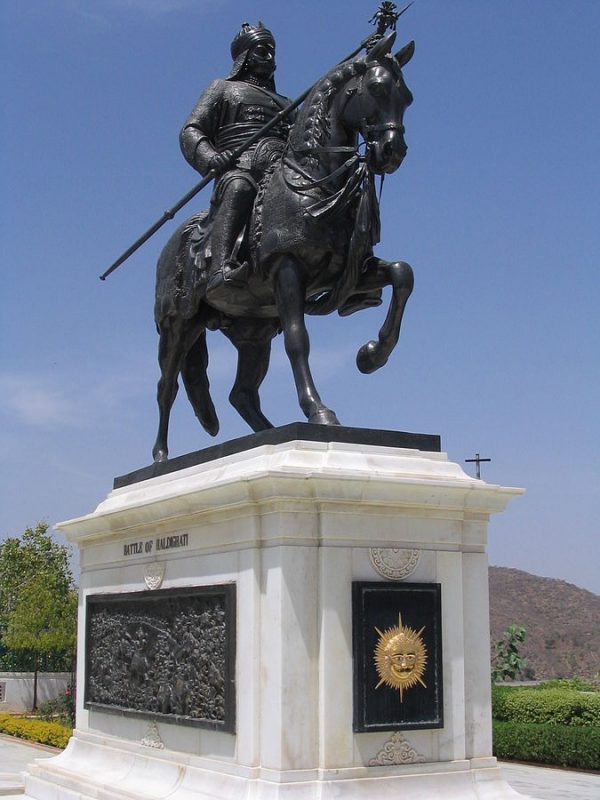
On the history trail: Maharana Pratap and The Battle of Haldighati
The Rana of Mewar, head of the illustrious Sisodia Rajput lineage refused to become a vassal of the Mughals. Akbar had captured his capital Chittorgarh after a bloody siege in 1568 and occupied the eastern part of his kingdom but Maharana Pratap eluded him. Akbar sent Raja Man Singh I, heir to the Kachhwaha... Continue Reading →