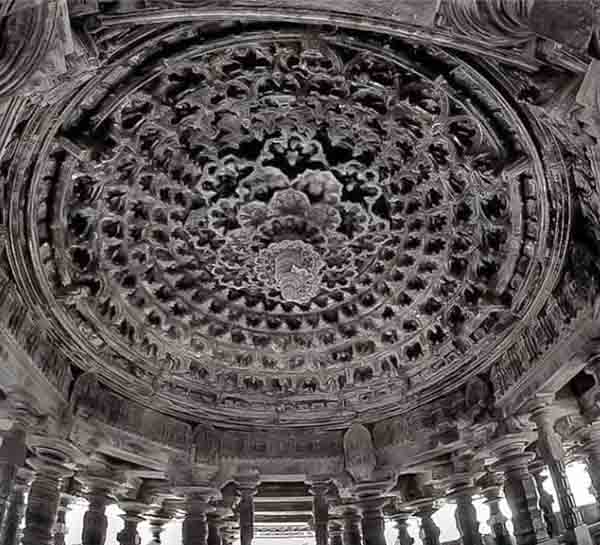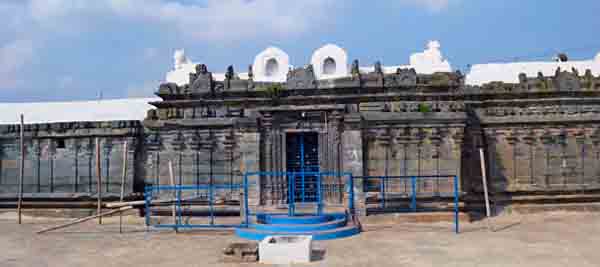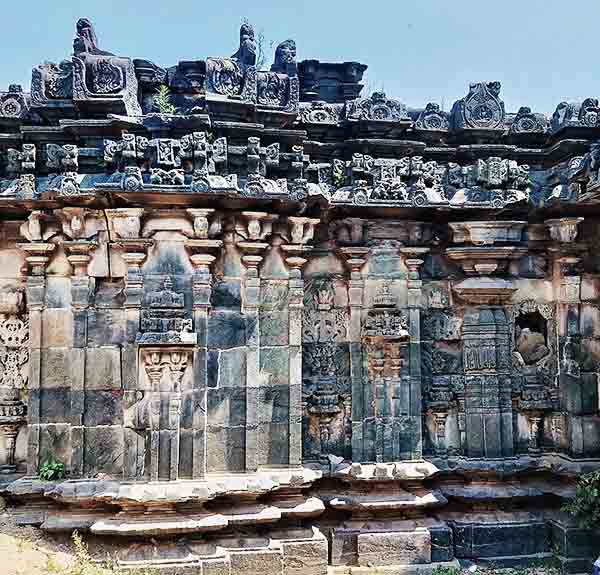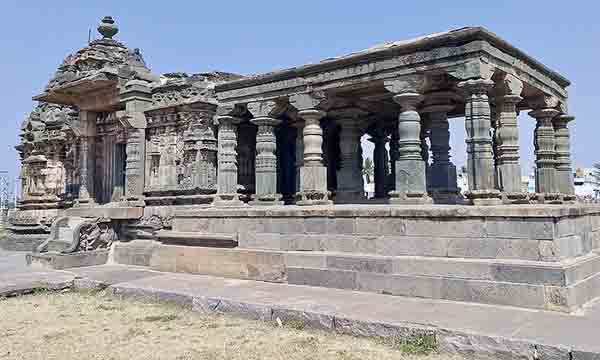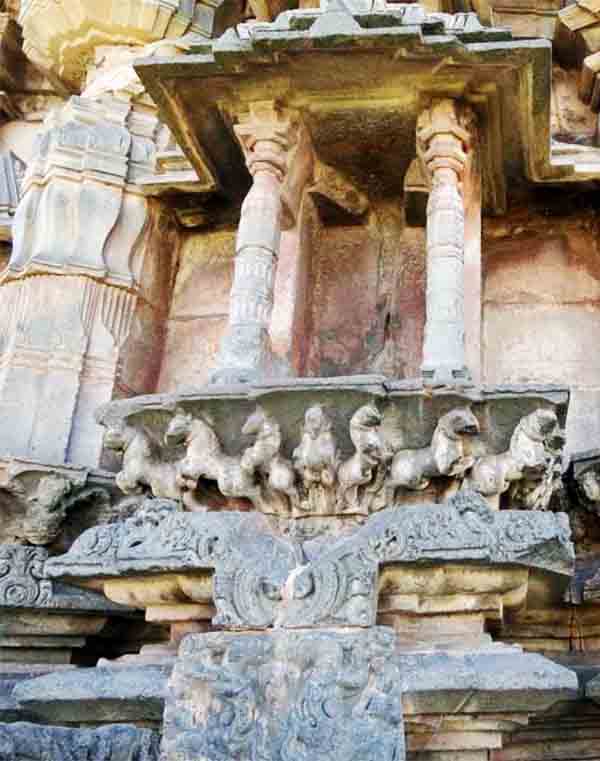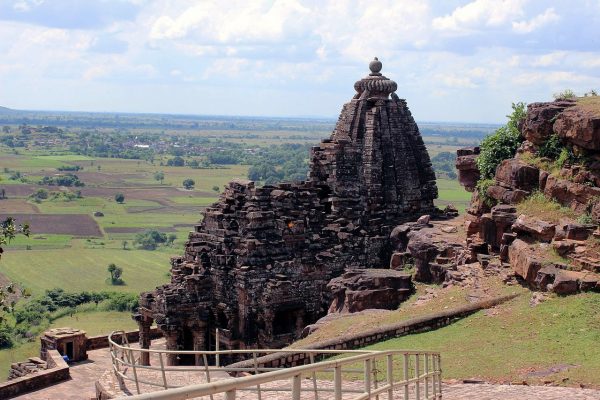
Hangal, the former bastion of the Kadambas, the Hoysalas, the Kalyani Chalukyas and the Vijayanagara Empire is best known for the 'Lotus of Hangal', a breathtaking architectural and structural marvel in the Tarakeshwara Temple. This centuries-old temple was built by the Kadambas in the 5th century with additions by the Hoysalas in the late 10th... Continue Reading →
Galageshwara Temple, Galaganath Village, Haveri District, Karnataka
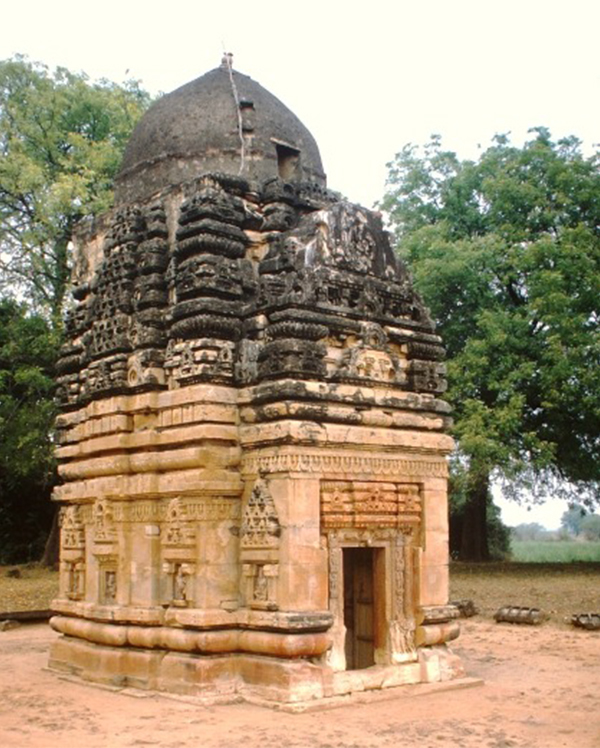
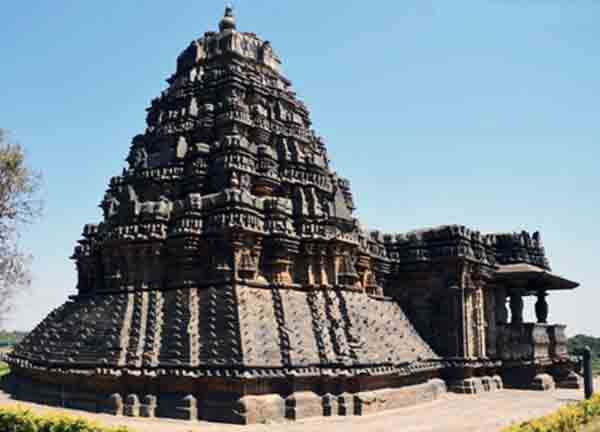
Galageshwara Temple built at the edge of the Tungabhadra River can be best described as poetry in stone. This awe-inspiring masterpiece of the 11th century has several inscriptions within the temple mentioning Maharaja Vikramaditya VI of the Kalyani Chalukyas, the musical genius Mokari Bharmayya and even the legendary sculptor Jakanachari. The temple has an... Continue Reading →
Virupaksha Temple, Lakkundi Village, Gadag District, Karnataka
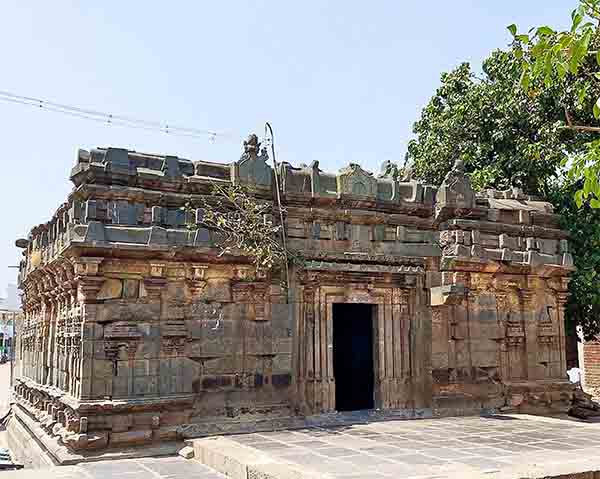
Located at a little distance from the Sri Halagundi Basaveshwara Temple is the 11th century - 12th century (inscription is dated as 1010 CE) Virupaksha Temple built by the mighty Rashtrakutas and later renovated by the Kalyani Chalukyas (Western Chalukyas). Lakkundi is one of those rare historical sites in India that has a unique architectural... Continue Reading →
Purada Siddeshwara Temple, Haveri, Karnataka
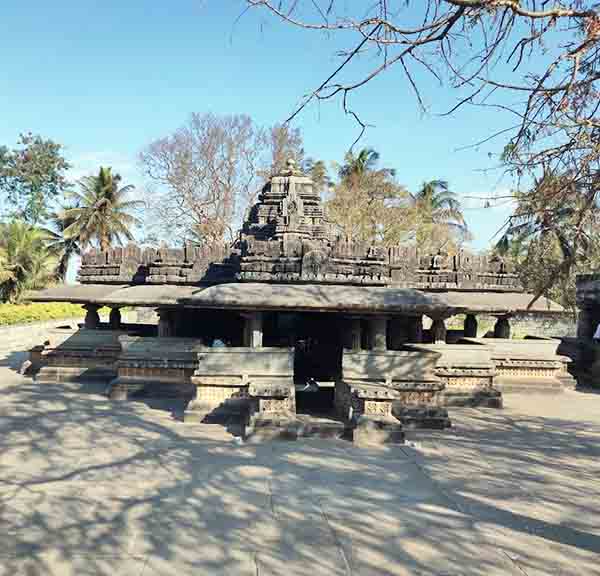
One of the finest examples of the Rashtrakutas, Kalyani Chalukyas (Western Chalukyas) and the Marathas is the Purada Siddeshwara Temple in the ancient town of Haveri. This place of great antiquity has been mentioned in the Mahabharat and is revered for its spiritual and religious potency. Also known as Siddeshwara Temple, this west-facing temple is... Continue Reading →
Sri Halagundi Basaveshwara Temple, Lakkundi Village, Gadag District, Karnataka
Lakkundi is a treasure trove of edifices built by the mighty Kalyani Chalukyas (Western Chalukyas), the Hoysalas, the Seunas (Yadavas of Devagiri) and the Vijayanagara Empire. Though a sizeable portion of the temples constructed over centuries were looted, desecrated and flattened to the ground, the temples that managed to survive the savagery exude grandeur, charm... Continue Reading →
Kumbareshwara Temple, Lakkundi Village, Gadag District, Karnataka
One of the lesser-known architectural masterpieces of Lakkundi is the Kumbareshwara Temple built in the 11th - 12th century. This edifice is yet another excellent example of the famed Lakkundi school of architecture favoured by the Kalyani Chalukyas. The temple is designed as a trikutachala (temple with three sanctums) with a shared mandapa and ranga mandapa. Interestingly,... Continue Reading →
Nanneshwar Temple, Lakkundi Village, Gadag District, Karnataka
Just behind the splendid Kashi Vishweshwara Temple is the equally beautiful Nanneshwar Temple. This excellent example of the famed Lakkundi school of architecture truly does justice to the unique style shaped by the Kalyani Chalukyas in the 11th - 12th century, The temple sits on a raised platform and is an ekakuta (single shrine) unlike... Continue Reading →
Suryanarayana Temple, Lakkundi Village, Gadag District, Karnataka
Lakkundi, a treasure trove of ingenious stepwells, temples, halls, dharmashalas and palatial quarters built by the Kalyani Chalukyas (Western Chalukyas), the Hoysalas, the Seunas (Yadavas of Devagiri) and the Vijayanagara Empire is renowned for its unique architectural style. The Lakkundi school of architecture is perhaps the finest illustration of an artistic harmony of architectural styles... Continue Reading →
Kashi Vishweshwara Temple, Lakkundi Village, Gadag District, Karnataka
Lakkundi, famous for the splendid edifices of the Kalyani Chalukyas (Western Chalukyas) is revered for its spiritual potency and finds mention in both the Ramayana and Mahabharat. This remote village in Gadag district has the best illustration of the unique Lakkundi school of architecture (also known as Western Chalukya style of architecture) shaped by the Kalyani Chalukyas in... Continue Reading →
Maladevi Temple (Maladevi Jain Temple), Gyaraspur Tehsil, Vidisha District, Madhya Pradesh
One of the lesser-known architectural masterpieces of the Gurjara-Pratihara dynasty is the Maladevi Temple located on the eastern edge of a steep slope overlooking the Manosarovar Talab in Gyaraspur. As this late 9th century temple is hardly a kilometre away from Hindola Torana, one can question if these two temples though built at different times... Continue Reading →
Hindola Torana, Gyaraspur Tehsil, Vidisha District, Madhya Pradesh
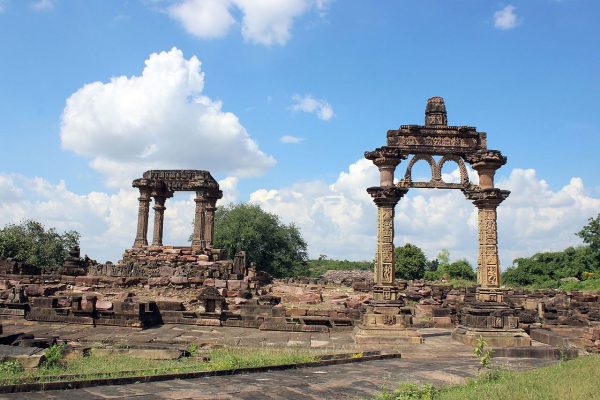
Since the ancient times, Vidisha has been written about as a city of unparalleled art, architecture, literature, culture, opulence, riches and knowledge. The influence of the earliest dynasties that ruled over north and central India is seen in the remnants of sculptures, temples, halls and other structures across Vidisha. One of the lesser-known dynasties... Continue Reading →
Mahadeva Temple, Amrol Village, Gwalior District, Madhya Pradesh
One of the finest examples of the early Pratihara style of architecture in Central India is the Mahadeva Temple in Amrol village. This ancient temple is likely to have been built in the 8th century by either Nagabhata I or Vatsaraja. The temples built by the Pratiharas in Gwalior are considered by historians to be... Continue Reading →
Char Bangla Temple, Baranagar, Jiaganj Azimganj, Murshidabad District, West Bengal
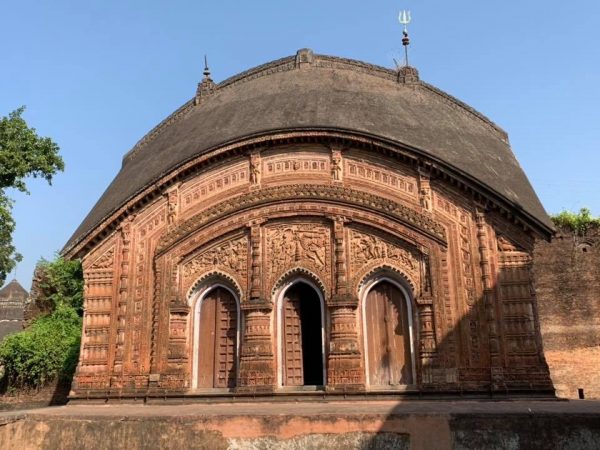
The centuries-old Char Bangla Mandiralaya at Baranagar is one of the most picturesque and interesting temple complexes built in Bengal. Located on the bank of the Bhagirathi River, this temple is a short boat ride upstream from Azimganj Sadarghat on the opposite bank. This temple is one of many built by the affluent philanthropist, Rani Bhabani... Continue Reading →
Sridhar Temple, Sonamukhi, Bankura District, West Bengal
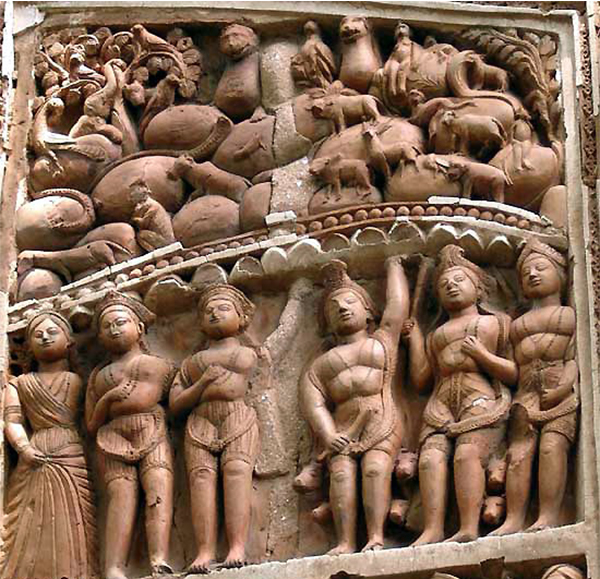
Sonamukhi, located in Bankura district is home to some of the most exquisite terracotta temples built in Bengal that are widely considered to be far superior to those seen in nearby Bishnupur. Sonamukhi derives it names from the powerful local deity Swarnamukhi Devi with Swarna meaning gold and mukhi meaning face and literally means gold face or golden face.... Continue Reading →