Nag Vasuki Temple, Prayagraj, Uttar Pradesh

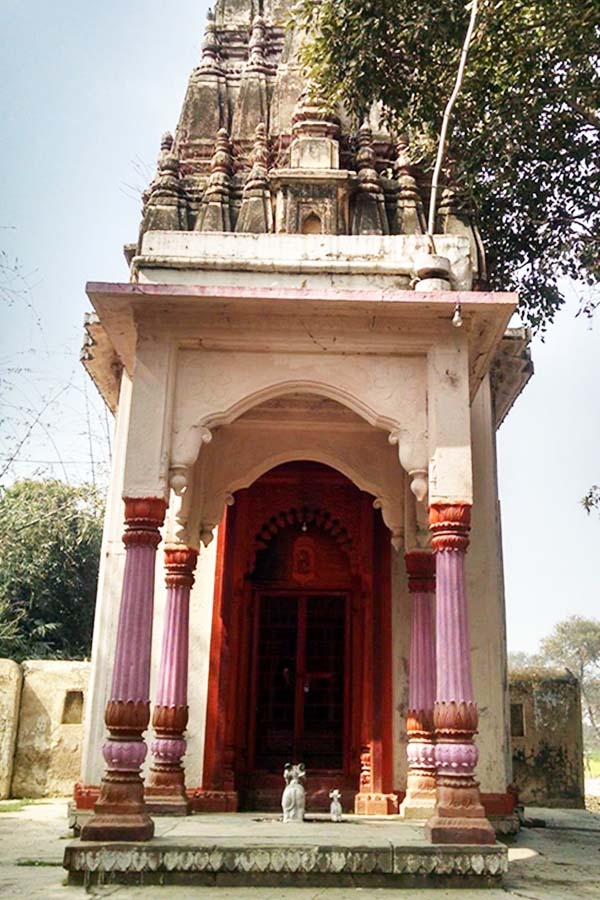
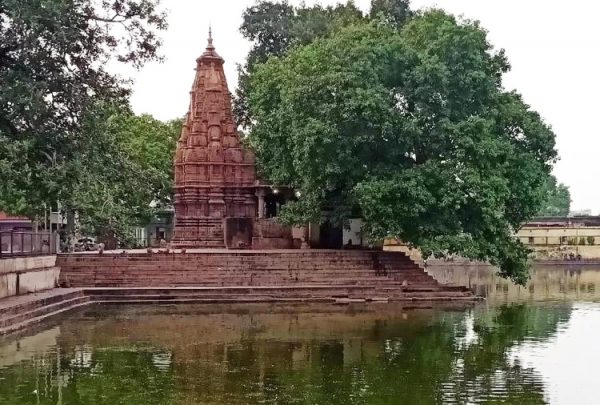
Nag Vasuki, an ancient temple located on the bank of the holy Ganges to the north of the sacrosanct Triveni Sangam draws lakhs of devotees on the auspicious Kumbh, Ardha Kumba, Magha Mela, Naga Panchami and the month of Shravan. A trip to Prayagraj is deemed complete and successful only if a pilgrim has a dip in the... Continue Reading →

Bharadwaj Ashram, Prayagraj, Uttar Pradesh

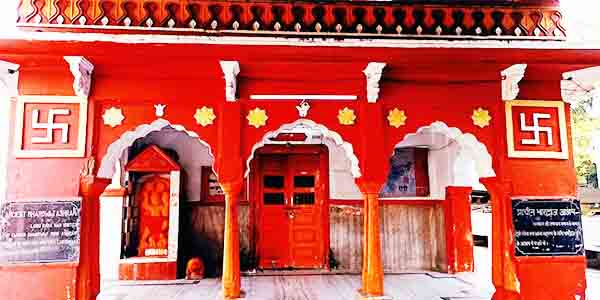
The ancient city of Prayagraj is revered for its spiritual potency, deep connection to Maryada Purushottam Rama and the Ramayana and the repository of knowledge and wisdom, Bharadwaja Brahmarshi. Bharadwaja Brahmarshi, one of the Sapta Rishis of Kali Yuga (the others are Kasyapa, Atri, Vishwamitra, Gautama, Jamadagni and Vashistha) is venerated by scholars and those well-versed in the... Continue Reading →

Kashikhanda: Panchkroshi Yatra: Kapildhara Temple (Kapileshwar Mahadev Mandir), Kapildhara, Varanasi District, Uttar Pradesh
The fifth and final paṛāva (halt) of the divine Kashi Panchkroshi Yatra is the Kapildhara Temple also known as Kapileshwar Mahadev Mandir. After offering prayers at Kardameshwar Mahadev Mandir, Bhimchandi Mandir, Rameshwar Mandir and Shivpur Mandir, devotees take a dip in the three ancient ponds of Sona Talab, Saranga Talab and Kapildhara Talab that are at the final... Continue Reading →

Kashikhanda: Panchkroshi Yatra: Shivpur Temple, Shivpur Village, Varanasi District, Uttar Pradesh
The fourth paṛāva (halt) of the sacrosanct Kashi Panchkroshi Yatra is the Pancho Pandava Mandir (Pancha Pandeshwar Mandir) located in the bustling Shivpur village. After having darshan at Kardameshwar Mahadev Mandir, Bhimchandi Mandir and Rameshwar Mandir, pilgrims head to Draupadi Kund that is located near a huge tank known as Manasarovar tirth.   According to the... Continue Reading →

Kashikhanda: Panchkroshi Yatra: Rameshwar Mandir, Rameshwar Village, Varanasi District, Uttar Pradesh
The next stop on the sacrosanct Kashi Panchkroshi Yatra after Kardameshwar Mahadev Mandir and Bhimchandi Mandir is the ancient Rameshwar Mandir situated on the bank of the Varuna River in Rameshwar village. This temple of great antiquity is considered by many to be the most important kshetra or tirthasthala in the Panchkroshi Yatra.   According to the Kashi Khanda... Continue Reading →

Kashikhanda: Panchkroshi Yatra: Bhimchandi Mandir, Bhimchandi Village, Varanasi District, Uttar Pradesh
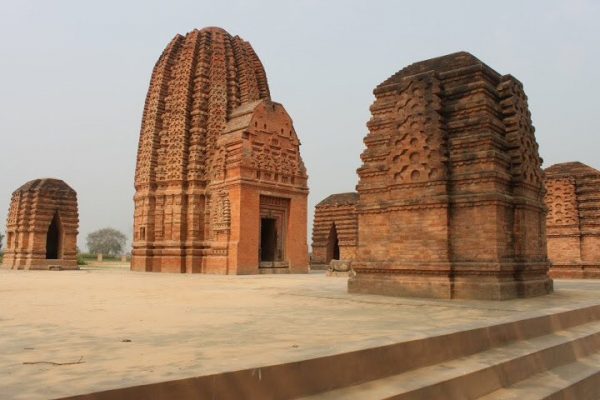
The Kashi Panchkroshi Yatra is considered to be one of the oldest pilgrimage routes of the world. According to the Hindu scriptures, Lord Rama along with Sita Mata and his brothers had visited the important tirthsthalas on this ancient route to liberate his father Raja Dasharatha from the curse of the parents of Shravana Kumar (Putrashoka).... Continue Reading →

Kashikhanda: Panchkroshi Yatra: Kardameshwar Mahadev Temple, Kandwa, Varanasi District, Uttar Pradesh
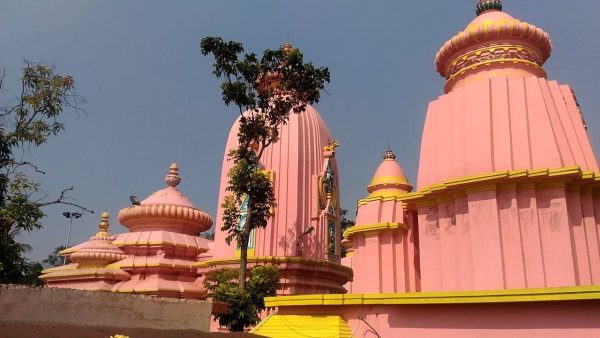
One of the oldest surviving temples of Varanasi that holds the rare distinction of escaping the ruthless desecration by Muslim invaders especially the Mughals is the Kardameshwar Mahadev Mandir located near Kandwa Pokhra. This ancient Shiva Temple that forms a part of the sacrosanct Panchkroshi Yatra is one of the best preserved temples of Varanasi.... Continue Reading →

Narmada Parikrama: Sahastradhara, Mandla, Madhya Pradesh

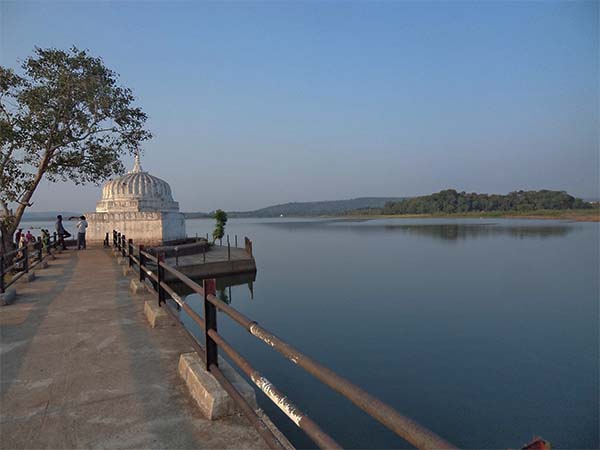
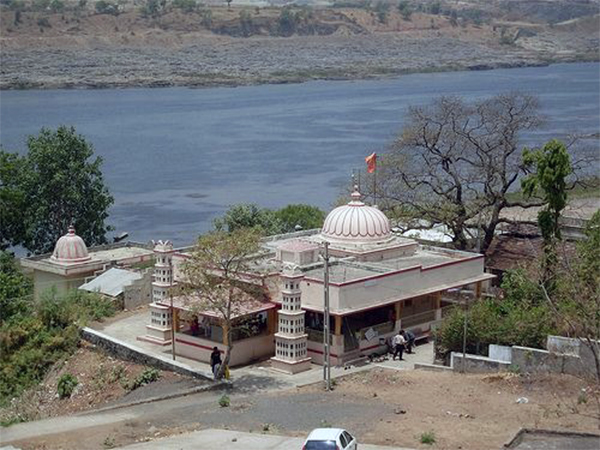
One of the most revered places in Mandla is Sahastradhara, located at a little distance from the heart of the town. Sahastradhara derives its name from the Sanskrit words sahastra which means thousand and dhārā which means streams or watercourses.   According to the Puranas, Ravana, Lord of Lanka chanced upon the serene waters of the... Continue Reading →

Narmada Parikrama: Datta Guru Temple, Garudeshwar Village, Nandod Taluka, Narmada District, Gujarat

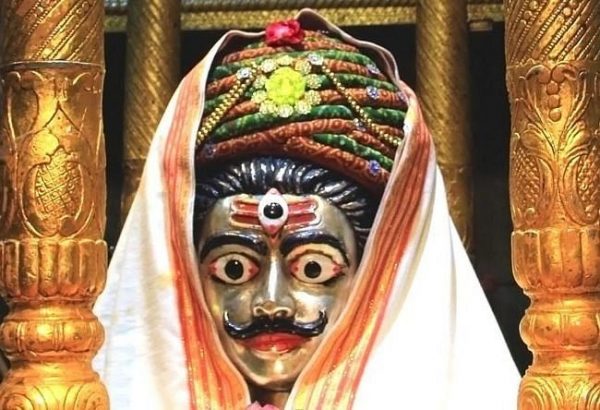
One of the most outstanding examples of iconography along the Rewa River (Narmada River) is the Datta Guru Temple also known as Garudeshwar Datta Mandir in Garudeshwar village. Garudeswar village lies to the south of Tilakwada and east of Rajpipla and is a part of the important Narmada Parikrama. Thousands of devotees walk barefoot visiting... Continue Reading →

Santipore Saree of West Bengal

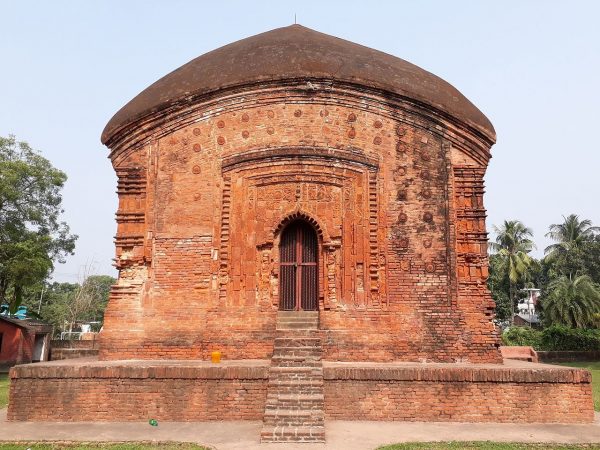
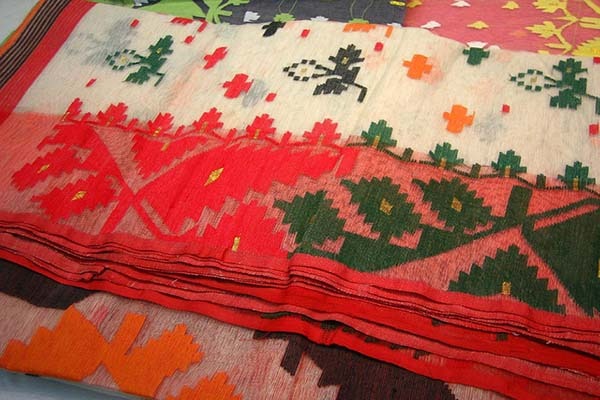
One of the most exquisite weaves in cotton and silk is found in the Bengal heartland of Shantipur - Phulia. Called as Shantipuri, this centuries-old tant (traditional Bengali saree) derives its name from Shantipur in Nadia district. The ancient handloom industry in Shantipur has been mentioned in manuscripts glorifying the life of Advaita Acharya as... Continue Reading →

Eathamozhy Tall Coconut of Tamil Nadu

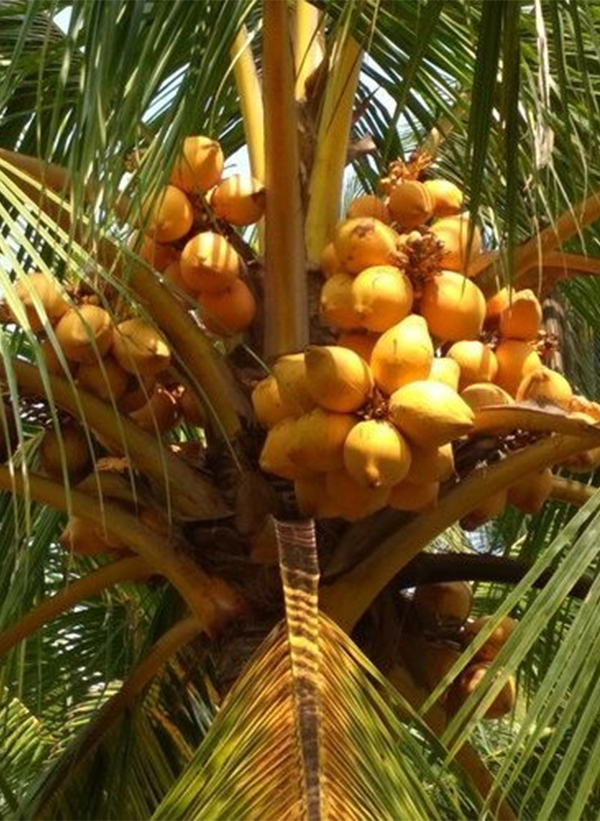
A rare type of tall coconut variety with immense historical, religious and commercial importance known locally as Eathamozhy or Eathamozhi tall coconut thrives in Kanyakumari district. The unique morphological traits found in this variety are of a superior genetic constitution and it is unsurprising that there is great demand for the seedlings of Eathamozhy tall... Continue Reading →

On the history trail: Chandashoka and The Kalinga War

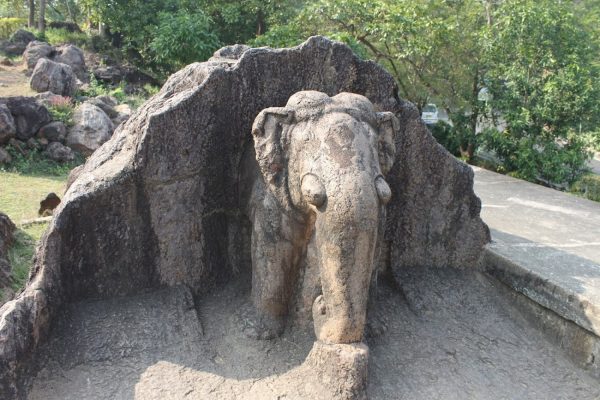
Along with the wily Chanakya, Chandragupta Maurya, the founder of the Maurya dynasty built one of the largest empires in Akanda Bharat. He abdicated the throne in favour of his son Bindusara who was equal to the task. Bindusara not only consolidated the control over the empire but also extended it further south. Travellers' documentation and... Continue Reading →

Dhaniakhali Saree of West Bengal

One of the most beloved traditional handloom sarees of West Bengal is Dhaniakhali saree deriving its name from the place Dhaniakhali in Chinsurah subdivision in Hooghly district. Hooghly district is home to some of the oldest cottage industries like silk and cotton handloom weaving, brass and bell metal manufacturing, oil pressing, village tanning and others.... Continue Reading →

Erode Manjal (Erode Turmeric)

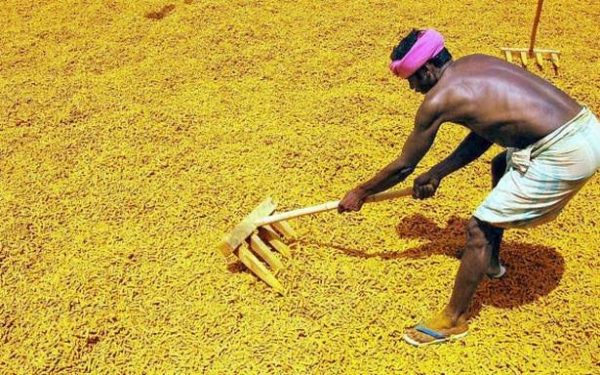
Erode, popularly called as the 'Turmeric City' is the third largest turmeric market in India after Nizamabad in Telangana and Sangli in Maharashtra. There are approximately 30,000 farmers in Erode alone and around 55,000 farmers in Tamil Nadu engaged in the cultivation of turmeric.   According to historical records, turmeric was grown by peasants in... Continue Reading →

Create a website or blog at WordPress.com

Up ↑