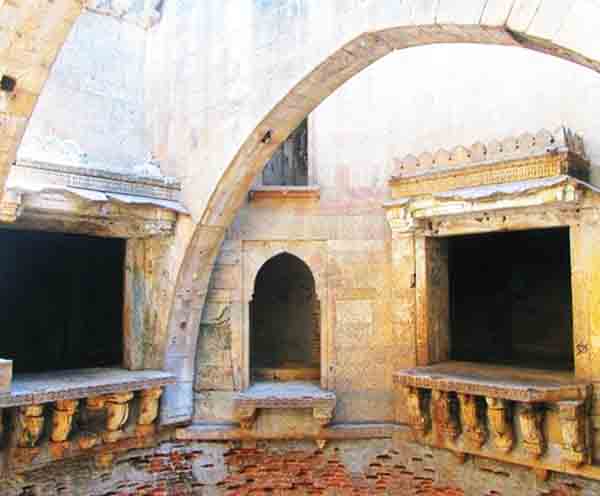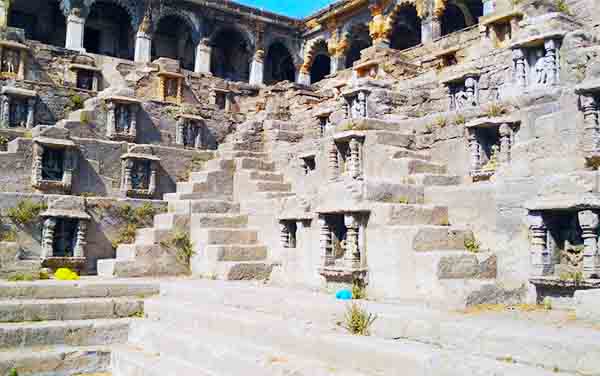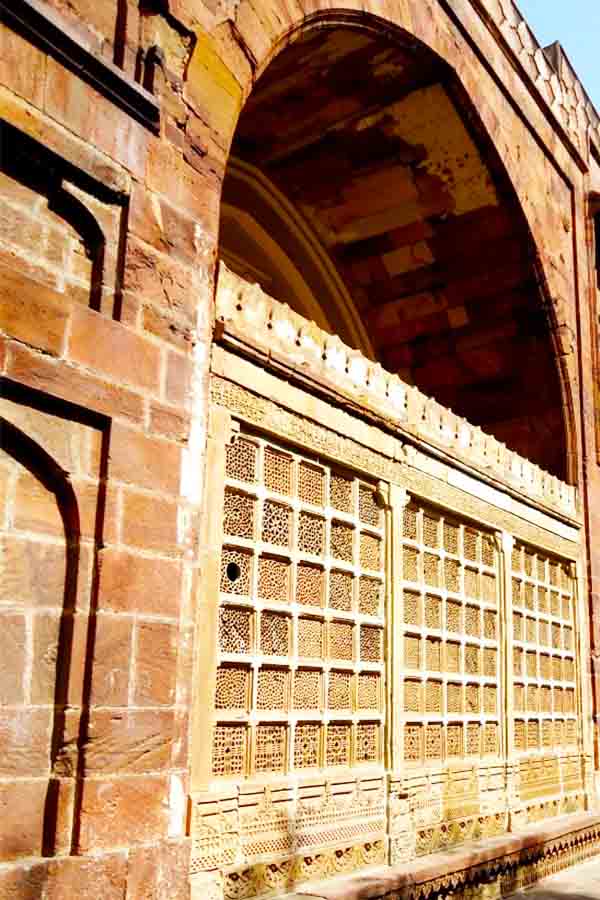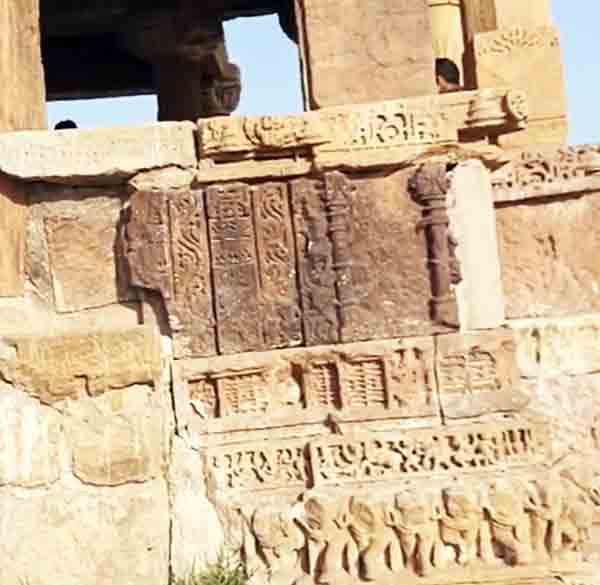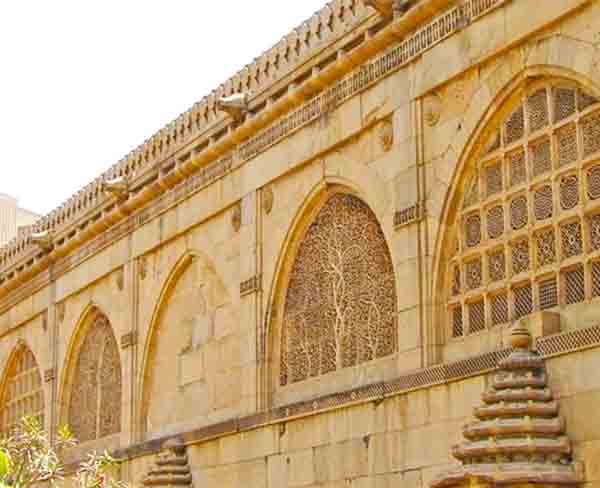
Matri Vav, Kankavati Village, Dhrangadhra Taluka, Surendranagar District, Gujarat
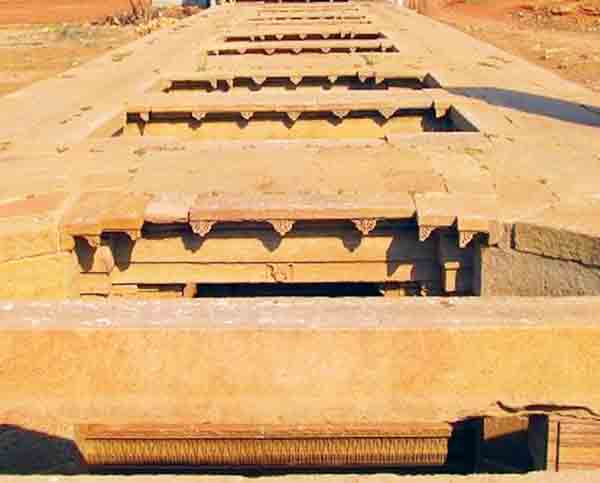
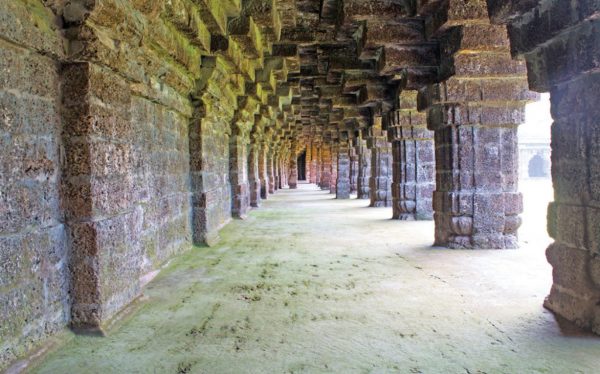
The mighty Jhalas became a formidable force in the Saurashtra region by the late 11th century and formed seats of power at Santalpur, Halvad and Kankavati. They established the capital city of Dhrangadhra in the mid-18th century which eventually became a princely state till Independence.   Dhrangadhra has been of tremendous interest to historians, archaeologists... Continue Reading →

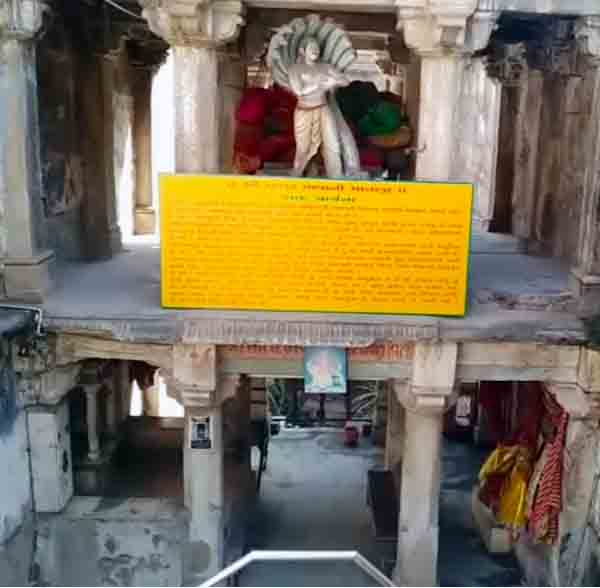
Mata Bhavani ni Vav, Asarva, Ahmedabad, Gujarat

One of the earliest stepwells or vavs of Gujarat is the 11th century Mata Bhavani ni vav located at Asarva in Ahmedabad. This east-facing vav was built by the Solankis and renovated by the Vaghelas in the 14th century before being confiscated by the Gujarat Sultanate.   Interestingly, this vav is one of the longest along the east -... Continue Reading →

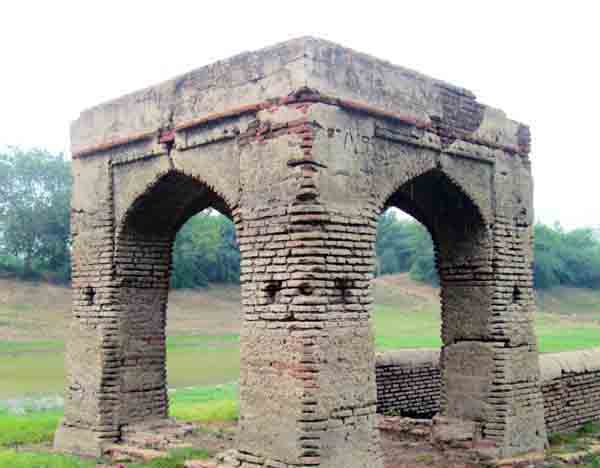
Prachin Vav, Jhaloda Village, Kadi, Mehsana District, Gujarat

Stepwells built in Akhanda Bharat since the ancient times offer valuable insight into the social and cultural propensity, religious practices and architecture and art of that period. These vavs are ingenious edifices built with locally available materials and display a rare harmony of structural soundness and architectural excellence.   It is very uncommon to find stepwells... Continue Reading →

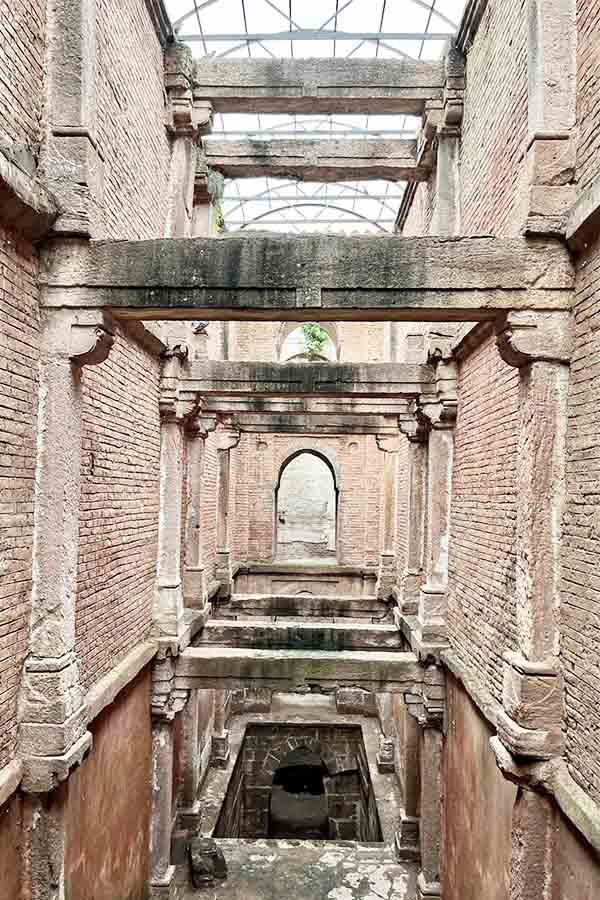
Brahma Kund, Sihor, Bhavnagar District, Gujarat
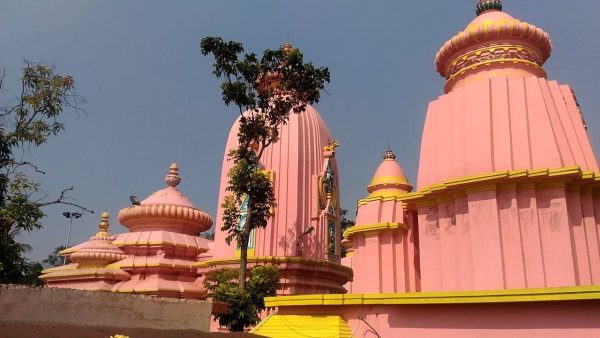
One of the lesser-known stepwells built in the 12th century by the valorous Siddharaja Jayasimha of the Solankis is the Brahma Kund in Sihor. This magnificent structure has in fact also great spiritual significance and has even been mentioned in the Puranas thereby, suggesting that this stepwell was built around an ancient kund.   As... Continue Reading →

Prachin Mandir, Danteshwar, Vadodara, Gujarat

A forgotten edifice of perhaps the 9th - 13th century which was a golden period in the history of the Baroda State is the Prachin Mandir where the Hazira stands today in Danteshwar. The Baroda State, traditionally rich in culture, history, art, architecture, literature and philosophy was ruled by valorous Hindu kings for centuries.  ... Continue Reading →

Malav Talav, Dholka, Ahmedabad District, Gujarat
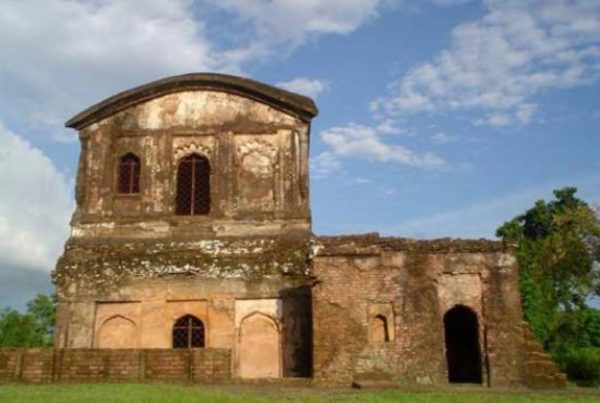
Gujarat's famed nyay ka prateek (symbol of justice) is the thousand-year-old Malav Talav in Dholka built in the 11th century (perhaps 1050 CE) by the chaste and wise Maharani Minal Devi of the Solanki dynasty. Maharani was revered by one and all for her philanthropy, kindness and virtue.   She was perhaps one of the... Continue Reading →

Prachin Mandir, Mandal, Ahmedabad District, Gujarat
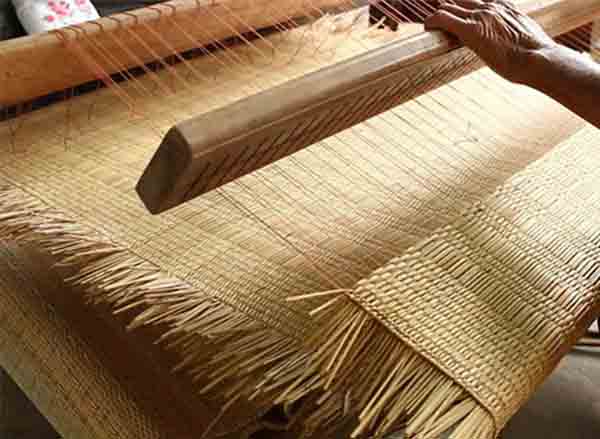
Bhadra, now known as Ahmedabad under the patronage of the mighty Paramaras was considered to be the grandest city of Western India with magnificent temples, halls, dharmashalas and palatial quarters. A cursory glance at the edifices in Malwa and surrounding areas of west central India between the 9th -14th century will give you an idea of... Continue Reading →

Santipore Saree of West Bengal

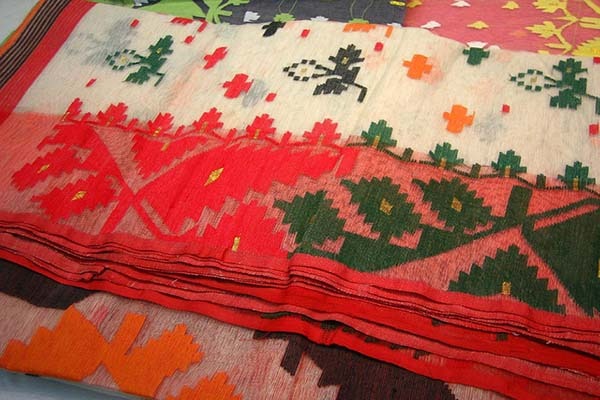
One of the most exquisite weaves in cotton and silk is found in the Bengal heartland of Shantipur - Phulia. Called as Shantipuri, this centuries-old tant (traditional Bengali saree) derives its name from Shantipur in Nadia district. The ancient handloom industry in Shantipur has been mentioned in manuscripts glorifying the life of Advaita Acharya as... Continue Reading →

Eathamozhy Tall Coconut of Tamil Nadu

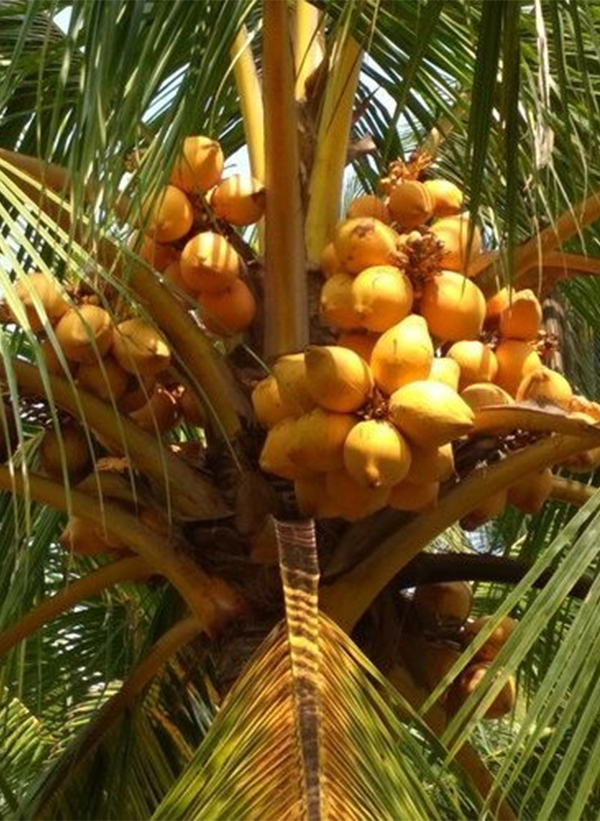
A rare type of tall coconut variety with immense historical, religious and commercial importance known locally as Eathamozhy or Eathamozhi tall coconut thrives in Kanyakumari district. The unique morphological traits found in this variety are of a superior genetic constitution and it is unsurprising that there is great demand for the seedlings of Eathamozhy tall... Continue Reading →

On the history trail: Chandashoka and The Kalinga War

Along with the wily Chanakya, Chandragupta Maurya, the founder of the Maurya dynasty built one of the largest empires in Akanda Bharat. He abdicated the throne in favour of his son Bindusara who was equal to the task. Bindusara not only consolidated the control over the empire but also extended it further south. Travellers' documentation and... Continue Reading →

Dhaniakhali Saree of West Bengal

One of the most beloved traditional handloom sarees of West Bengal is Dhaniakhali saree deriving its name from the place Dhaniakhali in Chinsurah subdivision in Hooghly district. Hooghly district is home to some of the oldest cottage industries like silk and cotton handloom weaving, brass and bell metal manufacturing, oil pressing, village tanning and others.... Continue Reading →

Erode Manjal (Erode Turmeric)

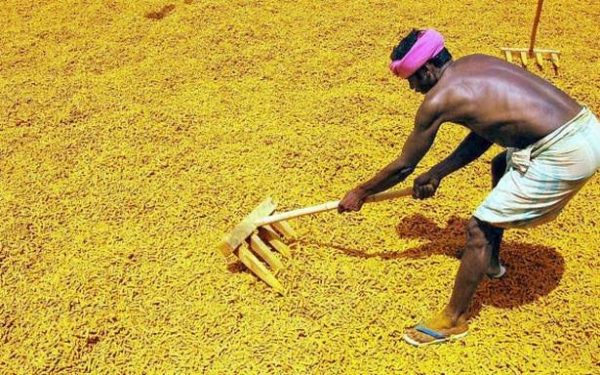
Erode, popularly called as the 'Turmeric City' is the third largest turmeric market in India after Nizamabad in Telangana and Sangli in Maharashtra. There are approximately 30,000 farmers in Erode alone and around 55,000 farmers in Tamil Nadu engaged in the cultivation of turmeric.   According to historical records, turmeric was grown by peasants in... Continue Reading →

Madur kathi, West Bengal

Medinipur or Midnapore, considered to be one of the largest districts of West Bengal after independence is rich with ancient history, archaeological sites, culture and heritage that is deeply influenced by the royal families. It is home to some of the oldest crafts that date back to the Indus Valley Civilization. One among them is... Continue Reading →

Kaji Nemu, Assam

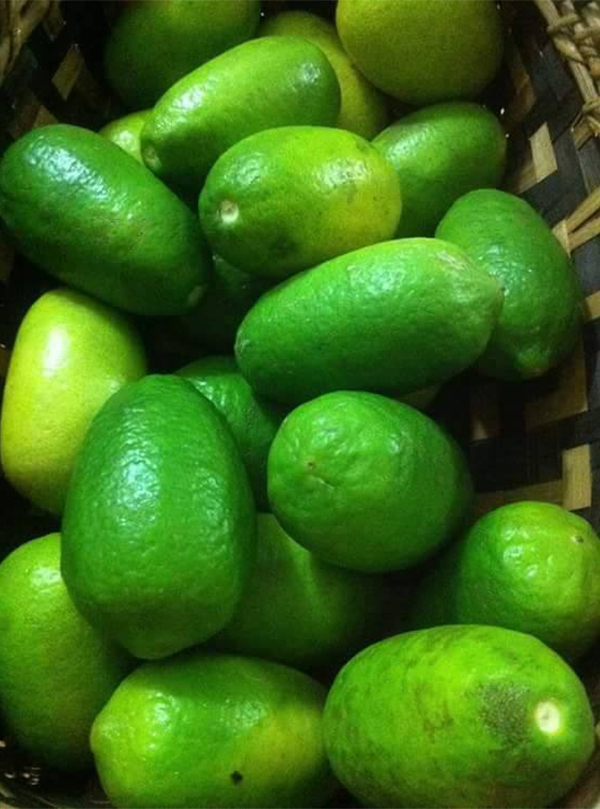
One of the most famous produce of the North eastern state of Assam is Kaji Nemu also called as Assam Lemon. Assam has as many as seventeen species, fifty-three varieties and probably seven if not more hybrids of citrus.   Locals say that this variety originated as a chance seedling raised in a plantation, Burnihut... Continue Reading →

Create a website or blog at WordPress.com

Up ↑