Following the triumph at Panhala, Chhatrapati Shivaji Maharaj decided to press forward his advantage and capture lands which were under the rule of the Bijapur Adil Shahis. After the capture of the forts of Parali and Satara (captured on 26 July 1673), Maharaj had extended his dominion to the east of Ghatmatha over the present... Continue Reading →
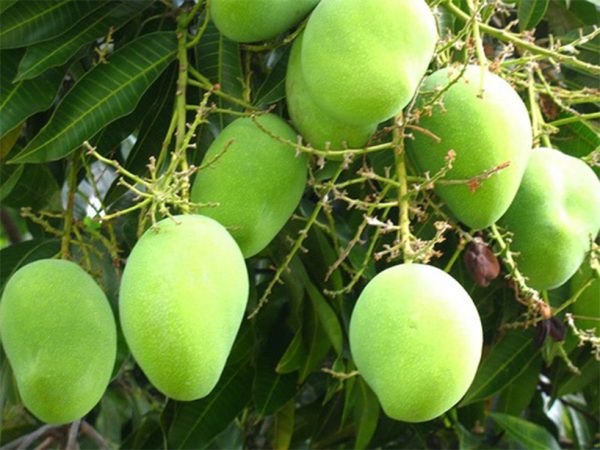
Appemidi Mango
The state of Karnataka is known for its rich mango diversity and one of the most unique type of mango grown exclusively in Sagar, Ripponpet and Hosanagara taluka of Shimoga district, river valleys of Aghanashini, Kali, Bedthi, Sharavati and Varada of Uttara Kannada district, Udupi and Dakshina Kannada districts, Malenadu region of Chikmagalur district and... Continue Reading →
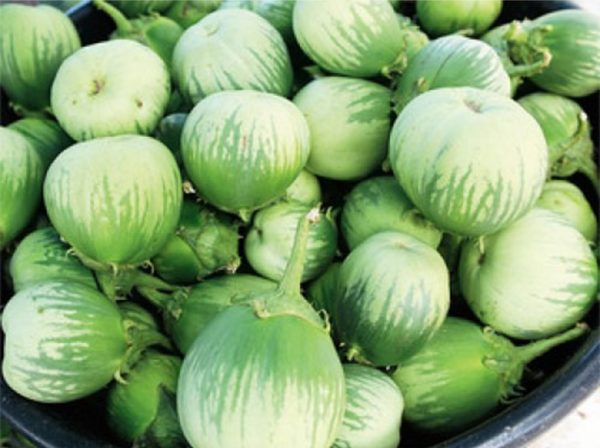
Udupi Mattu Gulla Brinjal
The history of the famed Udupi Mattu Gulla brinjal can be traced back to the time of the great saint and philosopher, Sri Vadirajatirtharu of Sode Matha. It is said that in the early 1500s, Sri Vadirajatirtharu had the practice of making the daily offering of a sweet dish called hoorana or hoorana kadabu to... Continue Reading →
On the history trail: Maratha Navy and The Battle of Basrur
The Kanara coast which extends from Majali in the North to Someshwar Mangaluru in the South was controlled by Sondha and Bednore chiefs who though, were feudatories of Bijapur had become independent after the death of Mohammad Adil Shah. The Europeans were slowly but steadily stamping their importance and power over this coastal area by... Continue Reading →
Bangalore Blue Grapes of Karnataka
Grape cultivation in the state of Karnataka can be traced back to the 18th century when the erstwhile Nizam of Hyderabad brought this exotic fruit to the regions of Belgaum, Bidar, Bagalkot, Bijapur and Gulbarga. Over time, various varieties typical to that region’s climatic conditions and soil health were grown by farmers leading to a... Continue Reading →
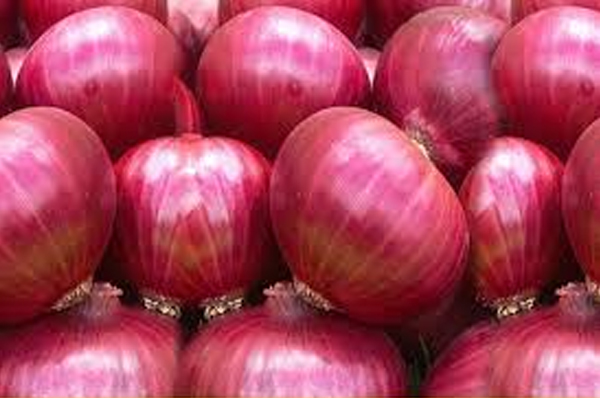
Bangalore Rose Onion of Karnataka
Bangalore rose onion or gulabi eerulli as it known locally is a unique variety of onion that is found only in and around Bangalore in the state of Karnataka. This particular rose onion is exclusively grown for the export market in one of the 16 taluks or districts of Bengaluru urban, Bengaluru rural, Kolar and Chikkaballapur in about 5,000... Continue Reading →
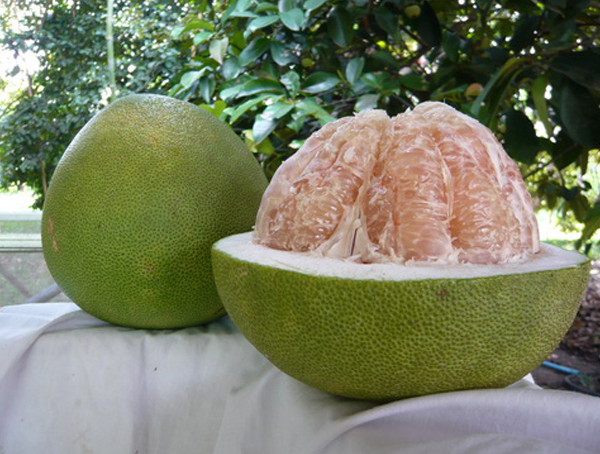
Devanahalli Pomello of Karnataka
Bablimas or chakota or chakotara is probably coming from this word called pampa limāsu or from pamplemousse (in French) which means big citrus. The origin however of the more commonly used term of pomelo is unknown. As such, pomelo is loosely associated with grapefruit and though the Devanahalli pomello shares a deep historic ancestry with the grapefruit, it succeeds in creating its own unique... Continue Reading →
Dharwad Pedha
There are many stories swirling around the origin of the legendary Dharwad pedha. One story suggests that the jahagirdars (zamindars) of Hebballi, a village near Dharwad brought Ayodhya Prasad Mishra from Varanasi back in 1895. The jahagirdar used to visit Uttar Pradesh frequently to buy horses and thus, along with Ayodhya Prasad, started the migration of the Thakurs to Dharwad.... Continue Reading →
Gulbarga Tur Dal of Karnataka
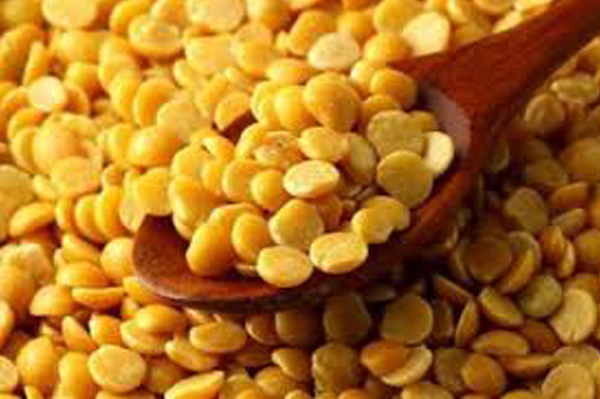
Gulbarga or Kalaburagi as it is known now is often called the ‘red gram bowl’ of Karnataka. Coined as the ‘land of tur dal’, Gulbarga accounts for the highest red gram production in Karnataka and roughly about a tenth of India’s total production. The tur dal or pigeon pea grown here is of superior quality... Continue Reading →
Byadagi Chilli (Byadgi Chilli) of Karnataka
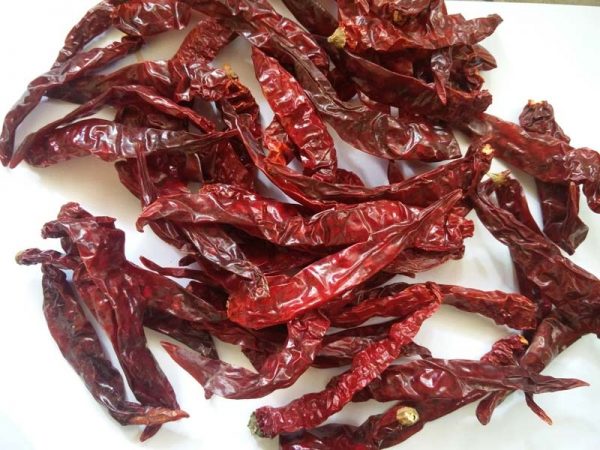
The Byadagi Chilli that is mainly grown in the districts of Dharwad, Haveri and Gadag in the state of Karnataka is famous for its essentially sweet and not spicy nature and its importance in the oleoresin industry. Byadagi chillies are fully wrinkled, long in size and have the highest level of dark red in the... Continue Reading →
Sirsi Supari
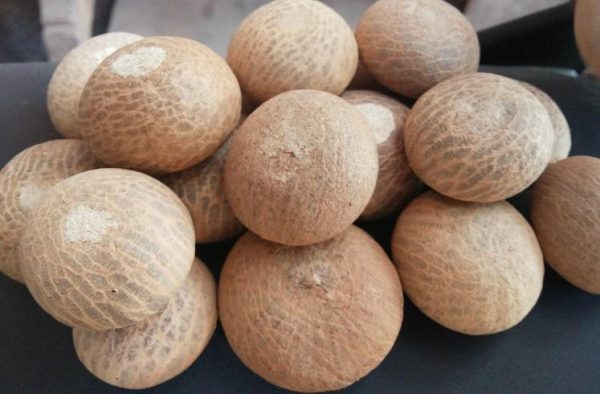
Chewing areca nut or betel nut or 'supari' as it is commonly known has been prevalent for at least 2000 years if not more with its history being traced back to the Aryans. It is believed that areca nut or supari has been grown extensively since the Vedic period. One finds innumerable references of... Continue Reading →