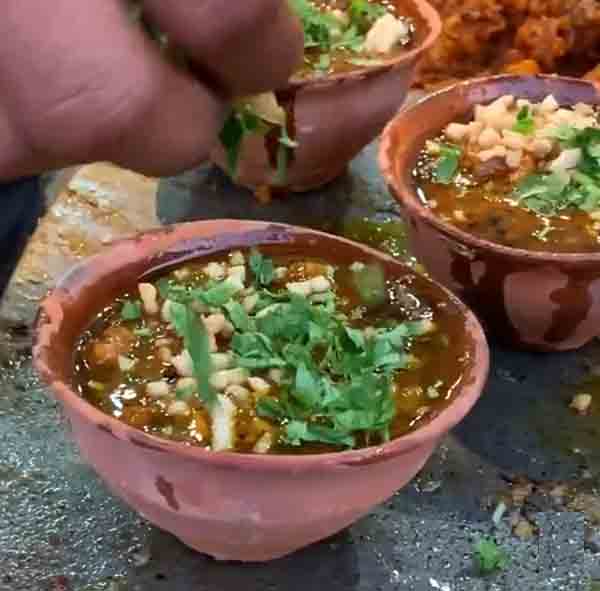
Tamatar ki chaat as the name suggests is essentially a chatpata chaat with tomato at the helm. Though the tamatar ki chaat sold in Prayagraj and Lucknow is amazing, the Banarasi tamatar ki chaat is in a class of its own. The explosion of flavours - spicy, sweet, sour, tangy and crunchy in each bite is pure... Continue Reading →
Malaiyo
A visit to the narrow lanes of Old Banaras is complete only after sampling their irresistible street food, deemed to be the best in North India. The lip-smacking tamatar chaat, kachori sabzi, chooda matar, golgappe, malai toast, baati chokha, lassi, jalebi, rabdi and malaiyo will make you drool and send you to a heavenly place where no one can reach you! Malaiyo... Continue Reading →
Mangalore Goli Baje (Goli Bajji)
Goli baje, a deep-fried heavenly delight is a signature dish of Mangalore and Udupi. This popular snack is often seen as an accompaniment to breakfast, lunch, tea and even dinner. Goli baje is surprisingly easy to make and requires basic ingredients like maida, sour curds, spices like ginger and green chilli, coconut and coriander... Continue Reading →
Shimoga Genasale
Shivamogga district, a gastronomer's haven offers a heady mix of traditional Udupi and highly scientific Malenadu cuisine. Shimoga is home to the Havyaka Brahmins who have adopted the age-old methods for cooking using locally available leaves, fruits, barks and agricultural produce that is season specific. Every dish prepared by them be it gojjus, hashi, chutneys, tambli, pickles... Continue Reading →
Belgaum Kunda
Belgaum, known as the 'sugar bowl of Karnataka' is famous for its karadantu, 'cycle' khova, mandige and of course, kunda! In fact, the city is also called Kundagiri after this delectable sweet made from fresh milk, sugar and spices. According to the locals, the origin of this sweet can be traced back to Gajanan Mithaiwala of Vitthal... Continue Reading →
Belgaum Cycle Khova (Ballari ‘Cycle’ Khova)
Belagavi has a wide range of scrumptious sweets and lip-smacking savouries that will surely tantalize your taste buds. Kunda, karadantu, mandige and 'cycle' khova are a must try for one visiting this historical city. 'Cycle' khova as the name suggests is khova that is sold by vendors on bicycles! This sinfully delicious sweet is surprisingly light on the stomach and... Continue Reading →
Belgaum Mandige (Mandaka)
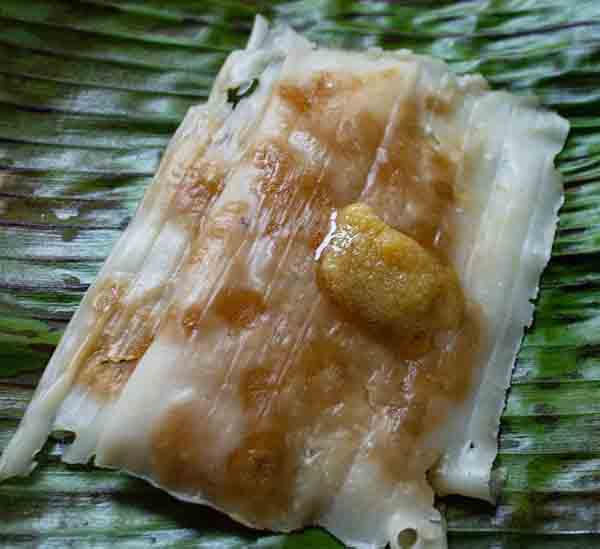
Besides the eponymous karadantu, Belagavi is known for mandige or mande which is essentially a wafer-thin roomali like roti folded like a dosa filled with sugar, ghee and spices. According to historians, an inscription of 1121 CE of the Western Chalukya dynasty has mentioned that during the reign of Vikramaditya VI, Govinda-dandadhipa started the tradition of... Continue Reading →
Karadantu of Gokak and Aminagad
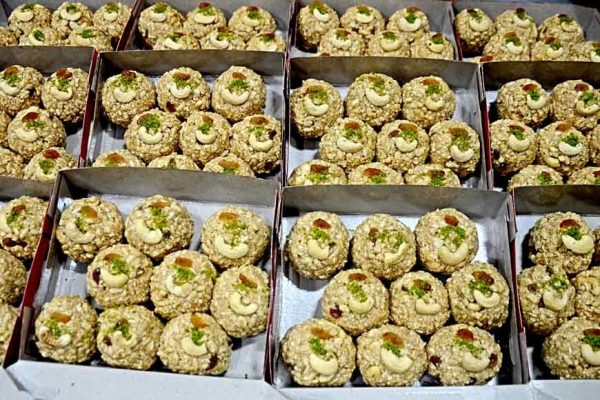
One of the healthiest and scrumptious sweets of North Karnataka is karadantu made in Gokak in Belgaum district and Aminagad in Bagalkot district. This teatime snack is made from dried fruits and nuts, jaggery (gur), a binder known locally as antu, spices and others. There are two versions on how this delightful sweet was created. Some... Continue Reading →
Mangalore Buns (Banana Buns or Banana Pooris)
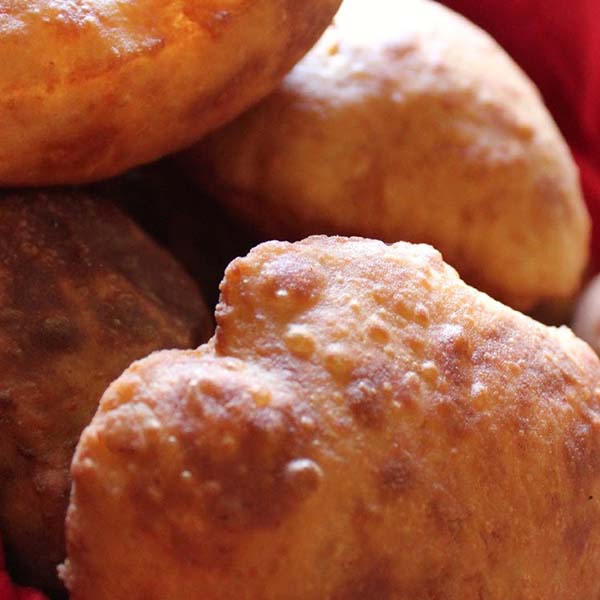
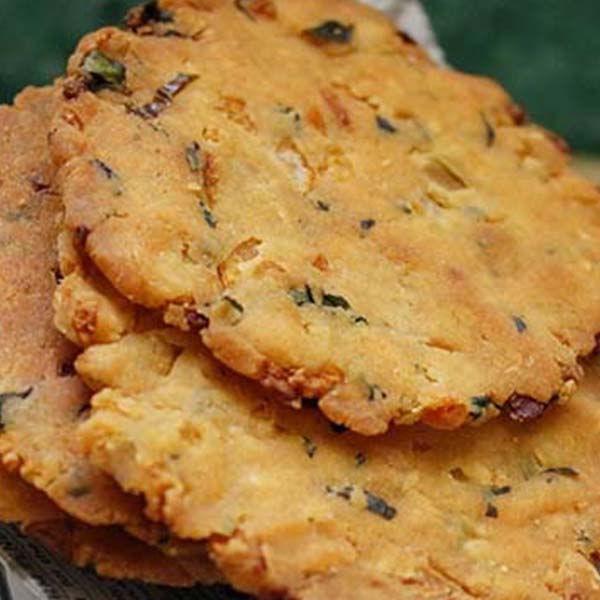
Udupi - Mangaluru is a food connoisseur's haven with a staggering variety of delicious, unusual and scrumptious local snacks. A trip to this stretch of Karnataka is deemed complete only if one samples the tasty Mangalore buns, goli baje, uppit shira, sajjige bajil, khara roti and biscuit roti. The origin of the Mangalore buns is a bit... Continue Reading →
Maddur Vada
A high point of a road trip to Mysuru is a slight deviation to Melkote to sample their divine butter and delicious puliyogare and a must-have Maddur vada with a piping hot cup of filter coffee at Maddur. Maddur, formerly known as Marudhur during the glorious reign of the Hoysala kings lies on the banks of... Continue Reading →
Chintamani Groundnuts (Hot Peanuts or Chintamani Kadalebeeja)
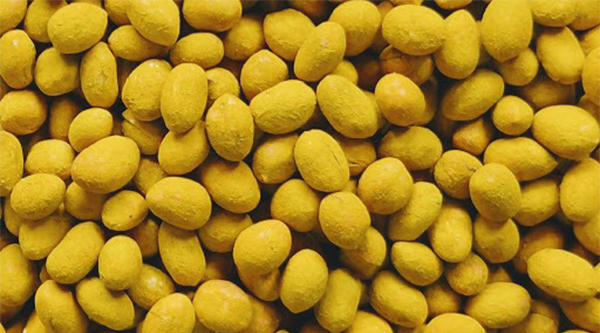
Chintamani is one of the most historically important towns in the newly created Chikkaballapur district in Karnataka. Previously a part of the Kolar district, this town was an important trading centre during the time of the mighty Cholas. Fragments of the rich culture, art and architecture of the successive dynasties that ruled over this town... Continue Reading →
Langi or Chuwak (Rice Beer of Tripura)
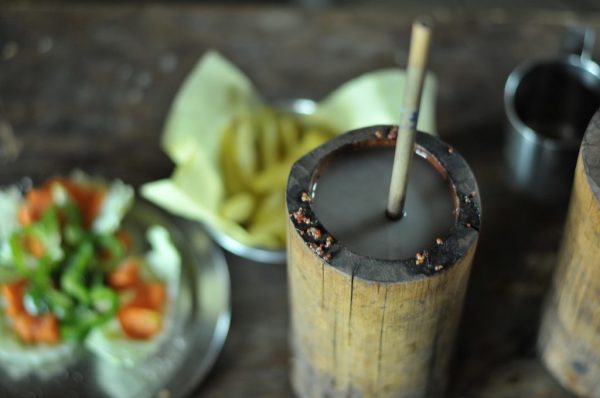
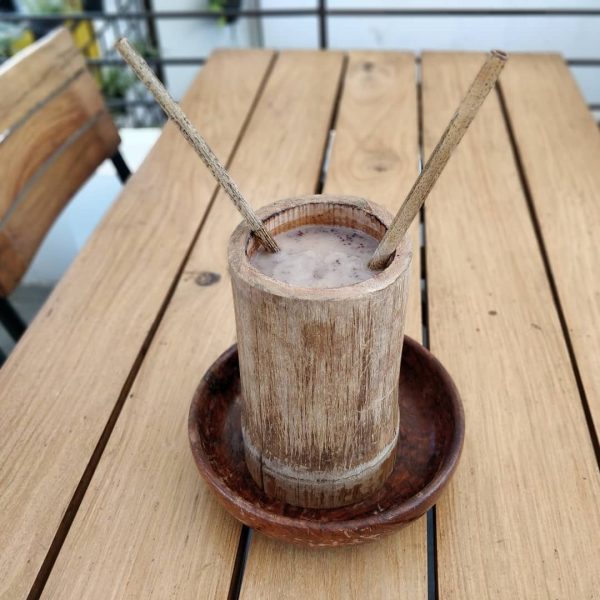
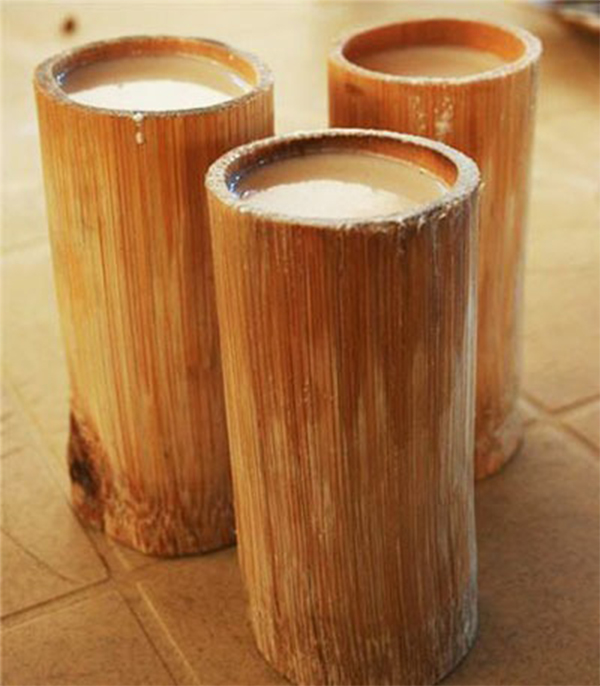
The North Eastern state of Tripura is home to about nineteen different tribes with each tribe and sub-tribe having their own sociocultural identity which has been conserved generation after generation. The Tripuris prepare a unique rice beverage known as Gora bwtwk which is the undistilled form of the beverage while Langi or Chuwak or Chuwarak is the finished product.... Continue Reading →
Bhaati Jaanr (Sikkim’s Rice Beer)
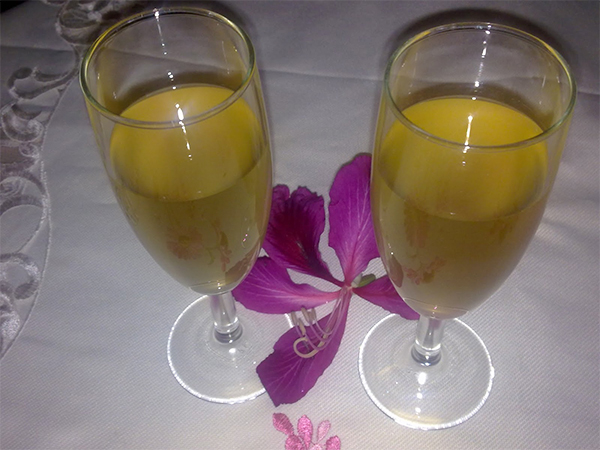
A traditional alcoholic beverage known as Bhaati Jaanr is prepared by the Nepali community who reside in Sikkim. This delicious drink is prepared from the locally available glutinous rice and medicinal herbs found in the Himalayan foothills. The starter cake known as marcha is prepared by soaking glutinous rice and mixing it with the roots of... Continue Reading →
Atingba (Rice Brew of the Meitei People of Manipur)
The next in our series of rice brews of the ethnic groups of India is Atingba made by the Meiteis living in Imphal Valley of Manipur. This alcoholic beverage is prepared from the locally available glutinous rice. Like other native rice beverages, Atingba is prepared from starter cakes called hamei and medicinal herbs. This traditional drink has... Continue Reading →
Choko or Jonga-mod (Rice beverage of the Rabha Tribe of Assam)
The Rabha tribe of Assam, largely found in Lower Assam and south bank of the Brahmaputra River prepare their own unique rice brew called Choko or Jonga-mod (Jongamod). This popular rice beverage is made from ten medicinal herbs that are found locally. The starter cake known as bakhor or surachi or phap is prepared from the locally available sticky rice... Continue Reading →
Kiad (Rice Beer of the Pnar people of Meghalaya)
Sadhier or Kiad is a traditional rice brew prepared by the Pnar people also known as the Jaiñtia or Synteng living in the West Jaintia and East Jaintia Hills district of Meghalaya. This ancient beverage (since the 1800s) is a necessity for all religious ceremonies and important events. It is a common custom for the head priest... Continue Reading →
Zutho (Rice Beer made by the Angami Naga Tribe)
Zutho is a traditional rice beverage prepared by the Angami tribe that is largely based in Kohima and Dimapur districts in Nagaland. This indigenous rice brew that forms an important part of the culture and heritage of the ethnic tribes of Nagaland like the Ao, Lotha, Angami, Khiamniungan and Sümi Naga is called by different names... Continue Reading →
Chubitchi or Chubok (Garo Rice Beverage)
Chubitchi or chubok is a traditional rice based alcoholic beverage of the Garo tribe. The Garos living in the Khasi Hills, Garo Hills and Ri Bhoi district in Meghalaya have a unique food culture indicative of their ethnicity. Chubitchi is paramount to the Garo diet that normally is made up of rice, vegetables and meat. This... Continue Reading →
Judima (Dimasa Rice Wine)
It is a common practice among the indigenous tribal communities of North East India to prepare and consume traditionally prepared rice beer (rice wine) from different varieties of rice with plants, medicinal herbs, fruits and flowers. The art of preparing household liquor varies slightly from tribe to tribe though the fundamental steps are almost the... Continue Reading →
Jigarthanda of Madurai
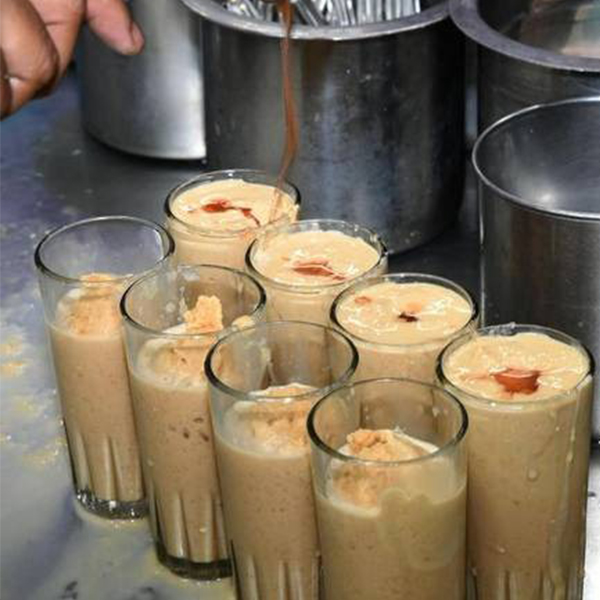
The ancient city of Madurai is famous for its temples (Madurai Meenakshi and two Arupadaiveedu of Lord Murugan namely Thiruparankundram and Pazhamudircholai), art, culture, literature, different kinds of biryani and of course, the legendary jil jil jigarthanda! Jigarthanda is derived from the words jigar meaning heart and thanda meaning cold and so roughly means heart... Continue Reading →
Joynagar Moa of West Bengal
The ancient city of Joynagar-Majilpur derives its name from the local goddess and presiding deity, Ma Joychandi and over time, came to be called Joychandinagar and then Joynagar. Joyangar is popularly known as 'the cradle of moa', a unique winter sweet that is placed in high esteem by Bengalis. It is said that the... Continue Reading →
Bardhaman Sitabhog of West Bengal
The lip-smacking Sitabhog served with nikhuti (tiny gulab jamuns) will assuredly send you to a heavenly place! This century-old sweet of Bardhaman along with Mihidana is an invention of the late Khettranath Nag. The city of Bardhaman derives its name from Mahavira or Vardhaman Swami (around the 6th century B.C.E.) and is famous for its... Continue Reading →
Bardhaman Mihidana of West Bengal
The delectable Bardhaman Mihidana that literally means fine grains was first prepared along with Sitabhog in honour of Maharaja Mahtab Chand Bahadur by the late Khettranath Nag according to his grandson, the late Nagendranath Nag. Seventy-two years later, both these dishes were served to Lord Curzon in 1904 when he visited Bardhaman on the invitation... Continue Reading →
Dharwad Pedha
There are many stories swirling around the origin of the legendary Dharwad pedha. One story suggests that the jahagirdars (zamindars) of Hebballi, a village near Dharwad brought Ayodhya Prasad Mishra from Varanasi back in 1895. The jahagirdar used to visit Uttar Pradesh frequently to buy horses and thus, along with Ayodhya Prasad, started the migration of the Thakurs to Dharwad.... Continue Reading →