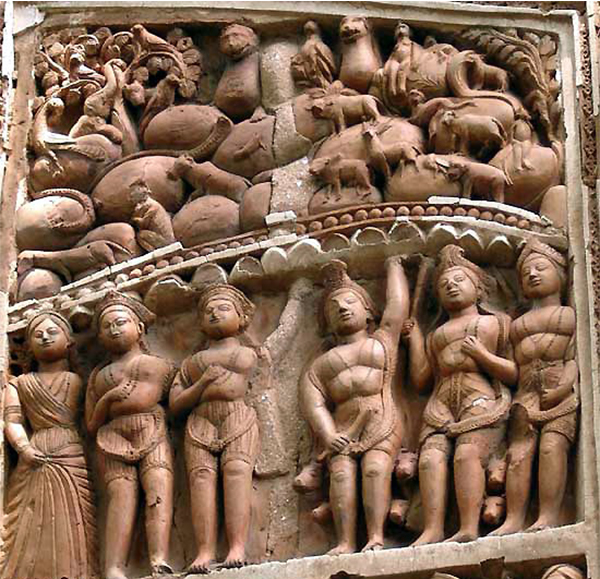
Sonamukhi, located in Bankura district is home to some of the most exquisite terracotta temples built in Bengal that are widely considered to be far superior to those seen in nearby Bishnupur. Sonamukhi derives it names from the powerful local deity Swarnamukhi Devi with Swarna meaning gold and mukhi meaning face and literally means gold face or golden face.... Continue Reading →
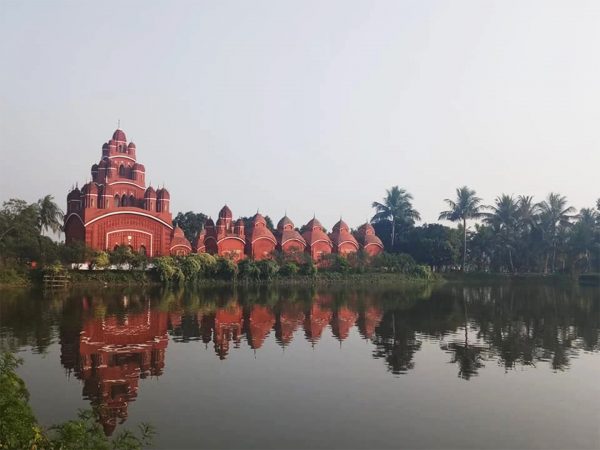
Ananda Bhairavi Temple, Sukhria Village, Somrabazar, Hooghly District, West Bengal
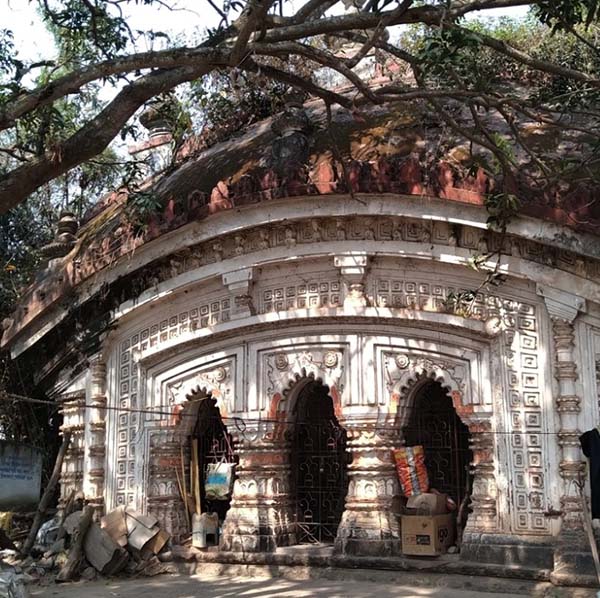
The quaint village of Sukharia located on the busy Somrabazar railway line in Hooghly district has some of the finest terracotta temples and old mansions that you will find in Bengal. Somrabazar has historically been the home of some of the oldest Zamindar families whose wealth, grandeur and affluence has had a significant influence on the culture... Continue Reading →
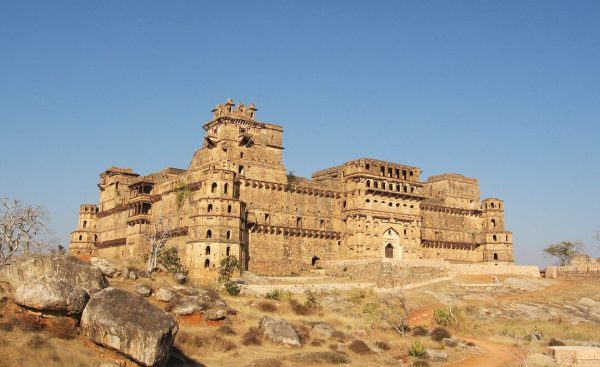
Garh Kundar Fort, Tikamgarh Village, Niwari District, Bundelkhand, Madhya Pradesh
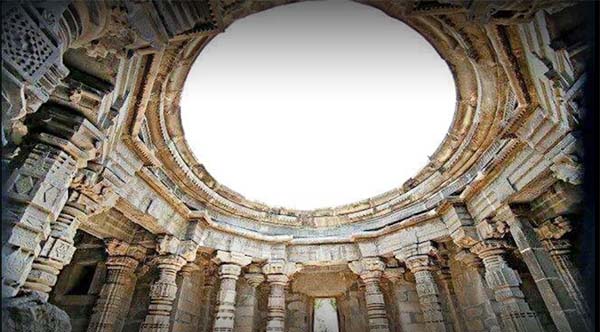
One of the most mysterious forts of India is located in the sleepy village of Tikamgarh about 70kms from Orchha. A curious aspect about this fort is that the entire fort is clearly visible at a distance of 12 kms but completely vanishes as you near the assumed location of the fort! Even if this... Continue Reading →
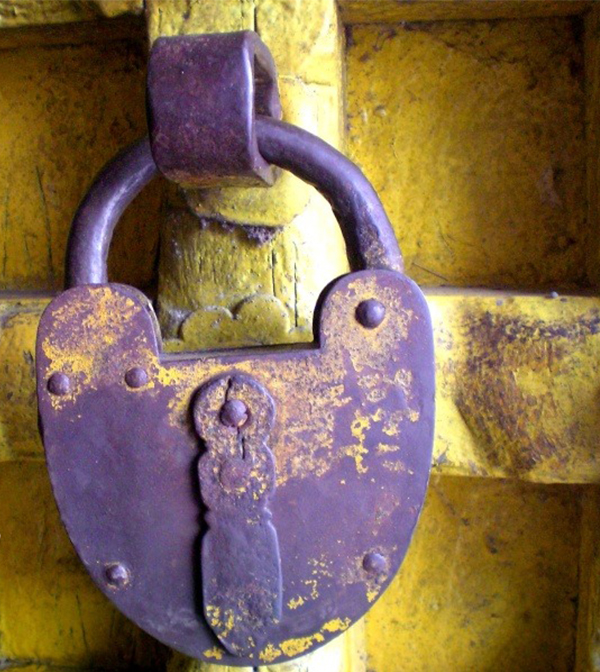
Dindigul Locks of Tamil Nadu
One of the earliest examples of the exemplary craftsmanship of the 'Lock City' of Dindigul, famous for its unique handmade locks is seen on the door of the Dindigul Malai Kottai (Hill Fort). This lock on the fort's door is at least 400 years old if not more and was commissioned by the Madurai Nayak king Muthu... Continue Reading →
Sirumalai Hill Banana of Tamil Nadu
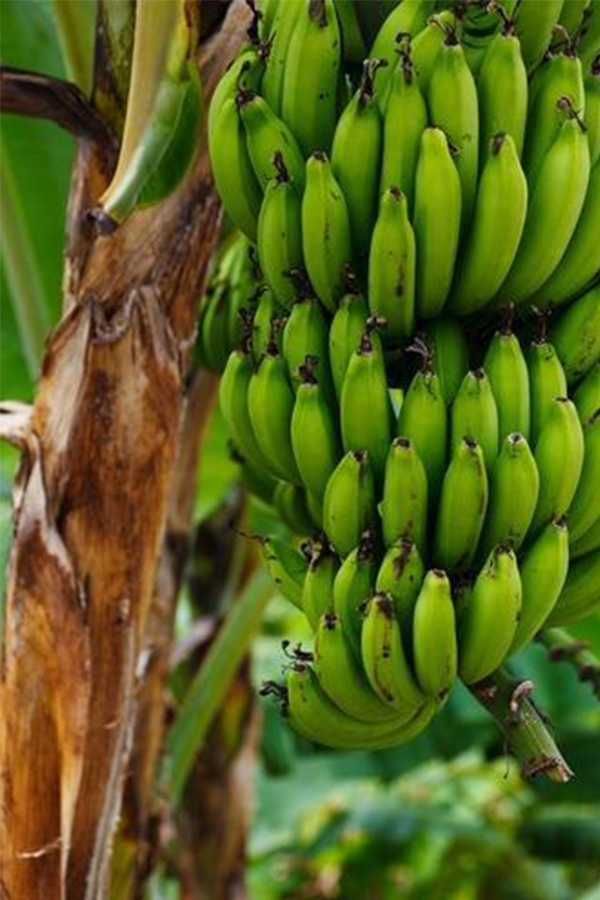
One of the most unique crops of Tamil Nadu are the Hill Bananas of Sirumalai and Virupakshi grown extensively in the eastern parts of the Western Ghats and lower Palani hills, Sirumalai and other parts of the Eastern Ghats. The aromatic and delicious Hill Bananas have been grown here for centuries by marginal farmers. ... Continue Reading →
Temples of Chandrakona, Paschim Medinipur District, West Bengal
Chandrakona like nearby Bishnupur and Ambika Kalna is often referred to as the ‘city of temples’. This city grew in eminence during the reign of the Hindu Malla kings of Bishnupur whose architectural ingenuity in using the locally available terracotta to build their stupendous temples was adopted by successive rulers. It would appear that at... Continue Reading →
Govind Mahal, Datia, Datia District, Madhya Pradesh
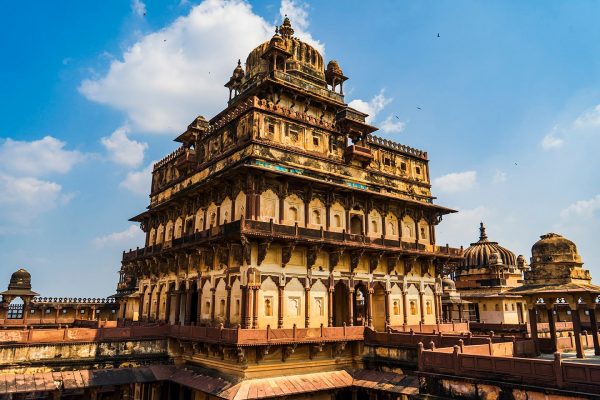
The ancient city of Datia located at a little distance from Gwalior is considered to be one of the most sacred kshetras of India. This historical city is mentioned as Daityavakra in the Mahabharat and is titled as Laghu Vrindavan (Little Vrindavan) for its numerous Shree Krishna Temples. It is also home to the Shri... Continue Reading →
Gamosa of Assam
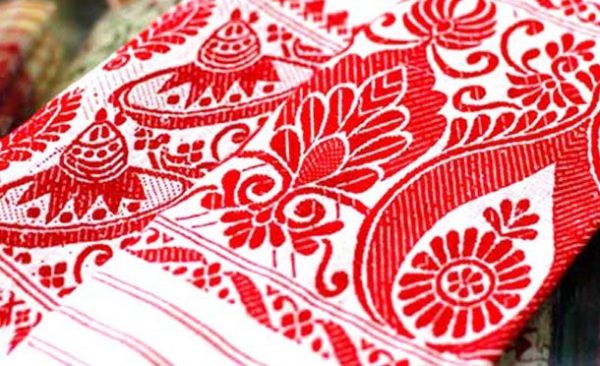
Gamosa, a symbol of the rich culture and heritage of Assam is one of its oldest handloom products. Also known as phali in the ancient days, this textile has been held in high esteem and represents the spirit, unity and history of the people of Assam. Essentially, it would appear that the gamosa was a fabric used to wipe... Continue Reading →
Chokuwa Rice of Assam
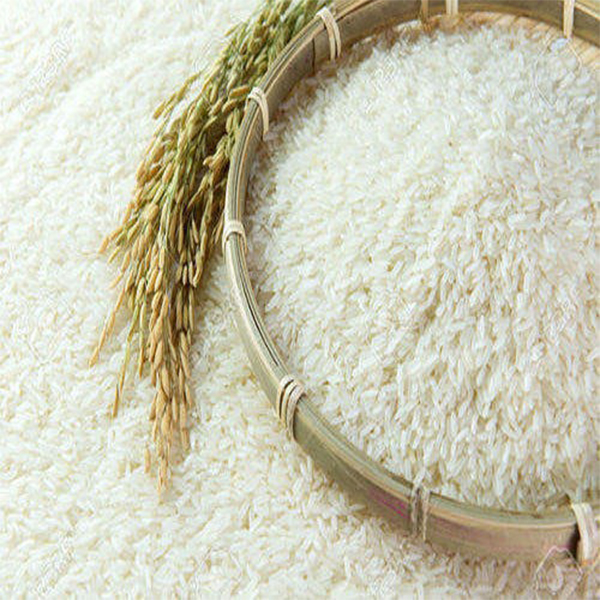
Assam is home to many indigenous rice varieties commonly called as ‘unique gifts of nature’ that are not found in any other part of the world. The most famous varieties are the aromatic Joha rice, Bora, Red Bao and Chokuwa that have been grown here for centuries. The rice varieties which exhibit glutinous properties are termed as waxy rice and are... Continue Reading →
Lalji Temple, Ambika Kalna, Purba Bardhaman District, West Bengal
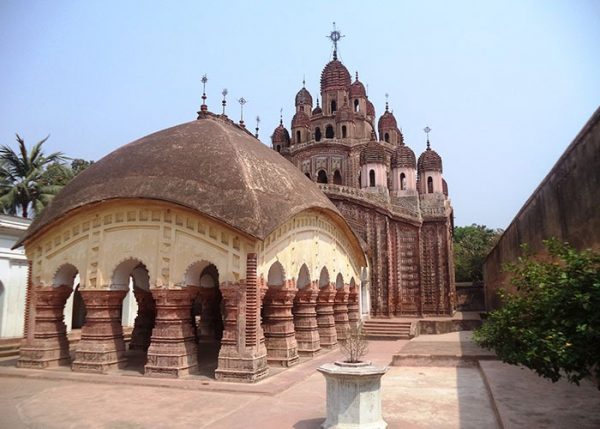
The ancient city of Ambowa now known as Ambika Kalna located on the west bank of the Bhagirathi River in Purba Bardhaman district has some of the most unique and beautiful temples built in the various styles of architecture typical to Bengal. Chala, rekha, ratna, mancha and plain roofed temples are scattered across Kalna built by the various dynasties who... Continue Reading →
Puneri Pagadi, Maharashtra
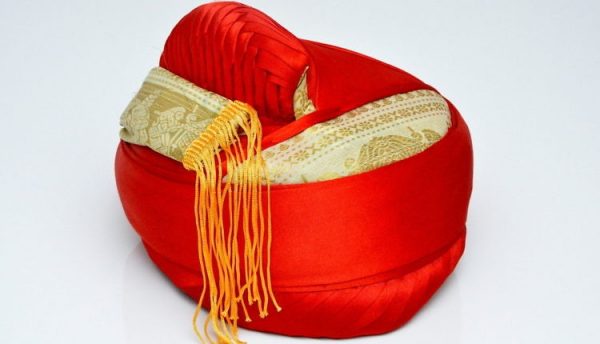
Pagadi or turban has historically been a sign of culture, wisdom, virility and often used identify the different sections of community. Puneri pagadi is an inseparable part of Pune which is the cultural capital of Maharashtra. Puneri pagadi is conceptualized from the Peshwe turban worn by the Peshwas which itself was inspired by the traditional Chakribandh... Continue Reading →
Waghya Ghevada, Maharashtra
One of the most famous cash crops of Western Maharashtra is Waghya ghevada. Grown extensively in North Koregaon taluka of Satara district, this rajma was first cultivated in 1950 by the late Kashinath Mahajan who bought seeds of this variety from a trader in Pune. This variety soon became popular with the locals and was... Continue Reading →
Bhitargaon Temple, Bhitargaon, Kanpur District, Uttar Pradesh
One of the finest brick temples of India is the Bhitargaon Temple at Bhitargaon village in Ghatampur tehsil in Kanpur Nagar district. Considered to be the earliest surviving temple built by the Guptas, this architectural masterpiece is constantly in the news for its innovative construction as well as its mysterious background. Though the plan of... Continue Reading →
Anandeshwar Temple, Lasur Village, Amravati District, Maharashtra
One of the most interesting and lesser-known rock temples of Maharashtra is the Anandeshwar Temple at Lasur village in Daryapur taluka in Amravati district. Built on the bank of the Purna River on raised ground, this temple built in black stone looks very much like a fort from a distance. Historical records state that this... Continue Reading →
Roha Fort, Roha Village, Nakhatrana Taluka, Kutch, Gujarat
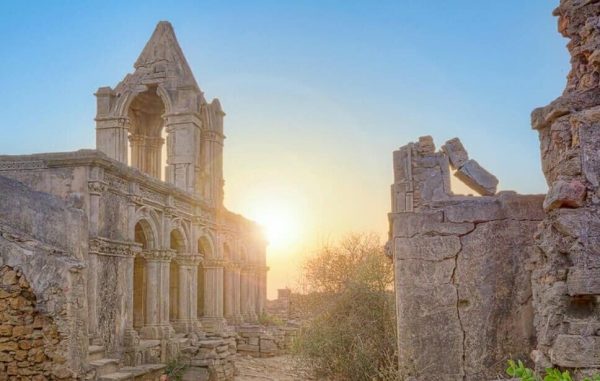
One of the oldest forts in Gujarat which at its zenith would have been an outstanding example of the grandeur and architecture typical of the Kutch region is the Roha Fort located at a little distance from Bhuj. Standing tall at 800 feet on the Roha hill overlooking the vast town of Roha, this centuries-old... Continue Reading →
Sindhudurg and Ratnagiri Kokum, Maharashtra
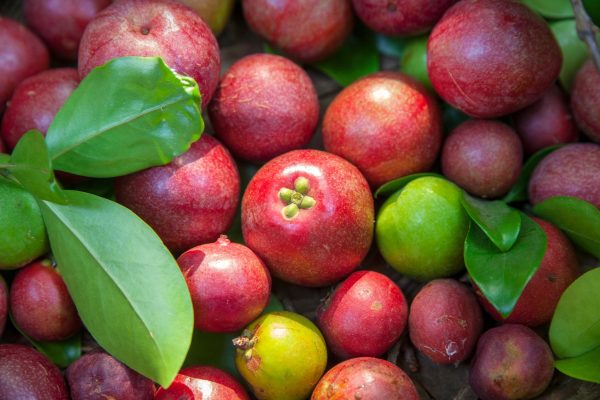
Kokum (Garcinia indica) called as the ‘The Kool King’ of Indian fruits flourishes in the dense forests of the Western Ghats of Maharashtra. Konkan kokum is a perennial fruit of commercial value that thrives in the scenic Ratnagiri and Sindhudurg districts. According to the locals, Ratnagiri and Sindhudurg districts have about 43,000 centuries-old kokum... Continue Reading →
Markandeshwar Temple, Chamorshi, Gadchiroli District, Maharashtra
Located at the bank of the sacred Wainganga River in Markanda village in Gadchiroli district, the ancient temple complex of Markandeshwar is popularly called as the 'Khajuraho of Vidarbha'. Titled by historians and architects as the 'Most Picturesque Temple Complex', the iconic Markanda Mahadev Temple is steeped in spirituality, heritage and culture. This temple... Continue Reading →
Gondeshwar Temple, Sinnar, Nashik District, Maharashtra
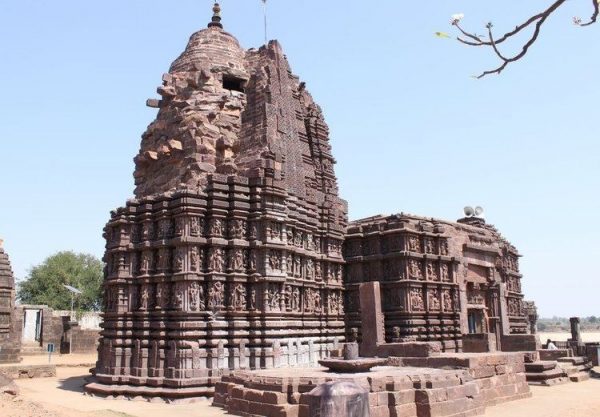
One of the finest examples of the Hemadpanthi style of architecture is the Gondeshwar Temple at Sinnar. Considered to be the largest, most complete and best preserved medieval temple of the Deccan, Gondeshwar Temple bathed in the golden hue effulgence of the sun at sunrise and sunset is a spectacle to behold! According to... Continue Reading →
Swamimalai Bronze Icons of Tamil Nadu
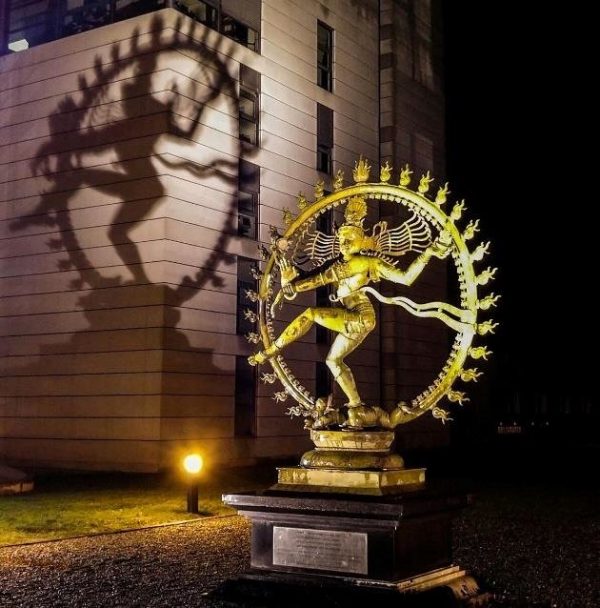
Shilpa Shastra, broadly classified as the ‘Science of Arts and Crafts’ is the supreme authority on the Chatushashti Kalas (Sixty-four arts) of the universe. The subject of Shilpa Shastra is dealt with at length in the Vedas, Puranas, Agamas and others scriptures and has been assiduously adopted by kings, craftsmen and patrons of art since time immemorial. This highly... Continue Reading →
Wooden Mask of Kushmandi, West Bengal
The quaint village of Mahisbathan in Kushmandi district in the heritage belt of Dakshin Dinajpur is famous for its unique wooden masks. The origin of this craft of mask making is unknown but the stylization, designs and motifs of the masks suggests a deep connection to their religious beliefs. These masks are an intrinsic part... Continue Reading →
Tulaipanji Rice of West Bengal
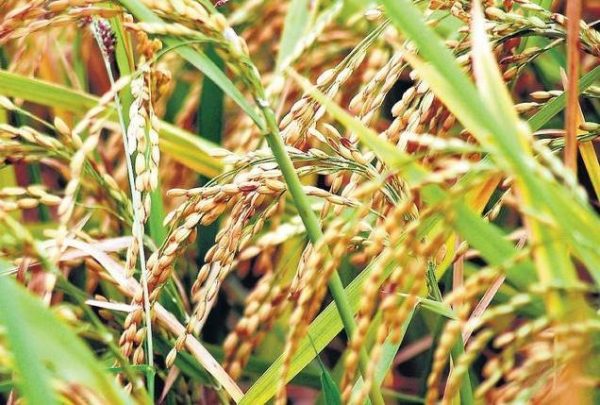
Dinajpur district in West Bengal is renowned for its indigenous rice diversity finding mention in many important scriptural texts dating back to 1100 CE One of the oldest native varieties found here is Tulaipanji or Tulai that has been cultivated for centuries with traditional methods. Folk songs glorifying this scented rice, its cultivation practices and... Continue Reading →
Lakshmi Janardhana Temple, Debipur, Purba Bardhaman District, West Bengal
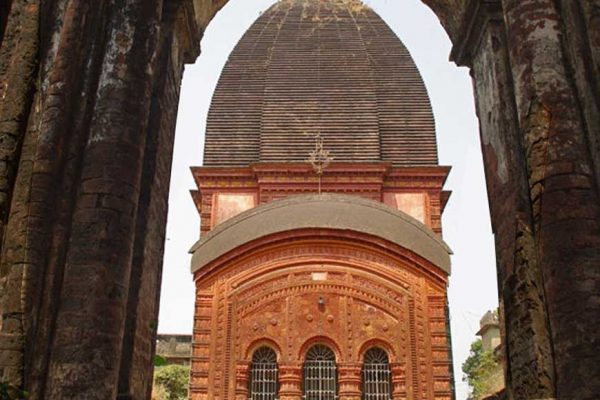
One of the finest terracotta temples that has stood the test of time is the Lakshmi Janardhana temple in Debipur village in Burdwan district in West Bengal built around 1844 CE by Narottam Singha, a Zamindar of Debipur. A gigantic arched ornate doorway frames the impressive shikhara and the spectacular terracotta relief work that is... Continue Reading →
Joynagar Moa of West Bengal
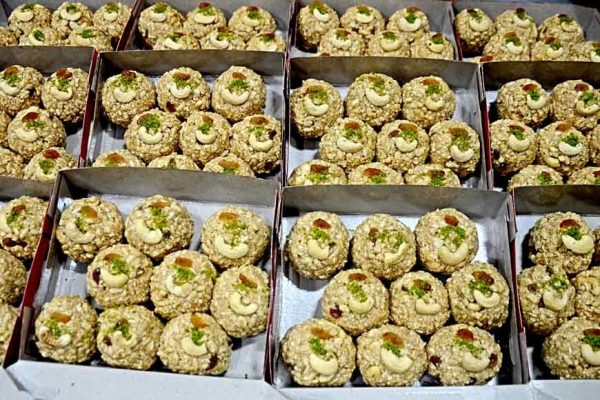
The ancient city of Joynagar-Majilpur derives its name from the local goddess and presiding deity, Ma Joychandi and over time, came to be called Joychandinagar and then Joynagar. Joyangar is popularly known as 'the cradle of moa', a unique winter sweet that is placed in high esteem by Bengalis. It is said that the... Continue Reading →
Baluchari Saree of West Bengal
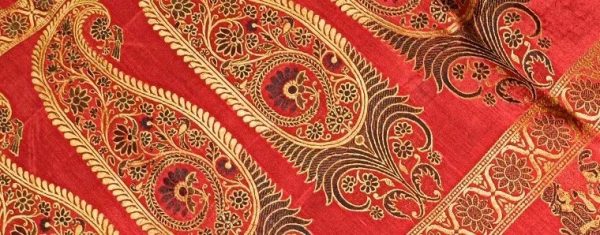
The history of Baluchari that literally means sandy river bank can be traced back to 1704 CE when Murshid Quli Khan, the Nawab of Bengal who patronized the flourishing weaving tradition brought several weavers from Dhaka in Bangladesh and helped them establish a small weaving community in Baluchar village on the bank of the Bhagirathi... Continue Reading →