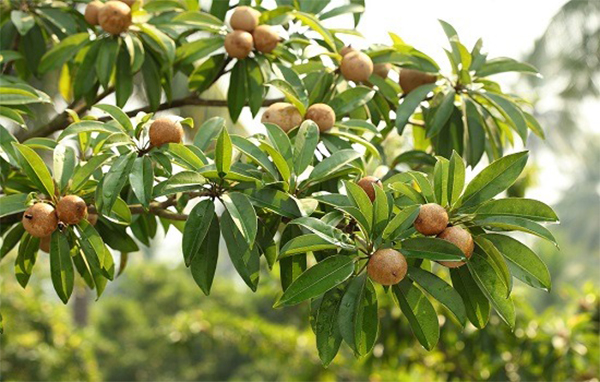
Dahanu Gholvad Chikoo, Maharashtra
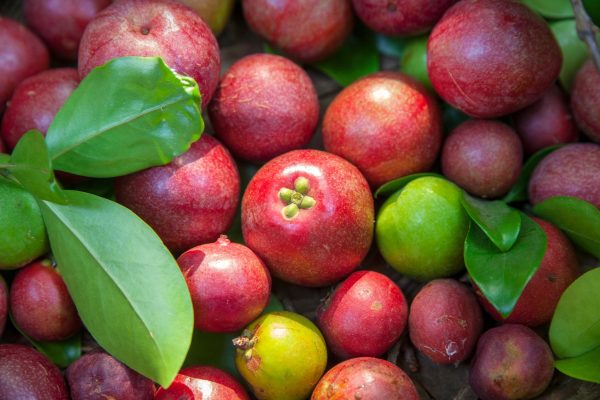
A sea of Zoroastrians seeking refuge landed on the shores of Western India sometime during the 7th century. The local ruler Jadhav Rana was a little sceptical and sent the leader a glass of milk filled to the brim with a seemingly cryptic message of “There is no place here. We are full”. The Zoroastrians... Continue Reading →

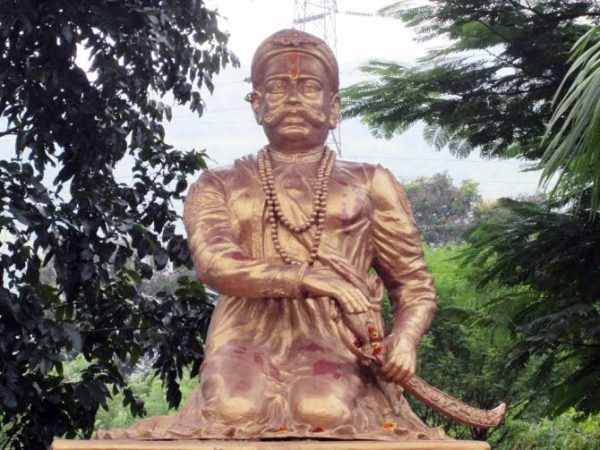
Bhuragarh Fort, Banda, Banda District, Uttar Pradesh

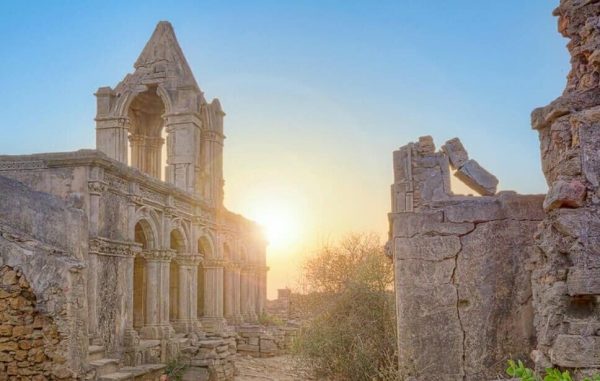
Banda district in Bundelkhand region has carved a unique identity for itself synonymous with great wars, patriotism and rich heritage. Mighty rulers like the Chandelas of Jejakabhukti, Bundelas, Marathas and others have contributed significantly to its history, culture and tradition. One of the most picturesque forts built in this region which is the resting place... Continue Reading →

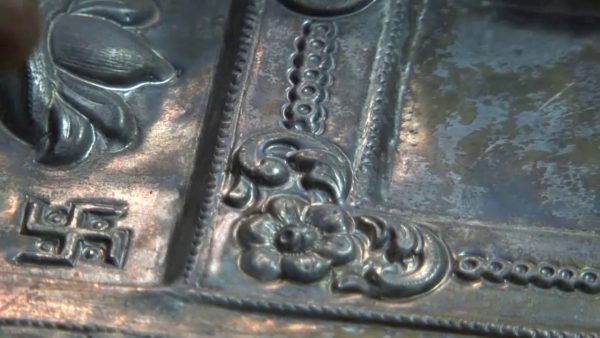
Banaras Metal Repoussé Craft, Uttar Pradesh

The ancient repoussé craft, considered to be even older than the Banarasi Silk handloom industry has flourished in the heritage city of Varanasi since the Vedic times. Traditional artisans use the repoussé technique to make faces of gods and goddesses, gold and silver dresses, traditional ornaments, doors, wall decorations in temples and unique gold and... Continue Reading →

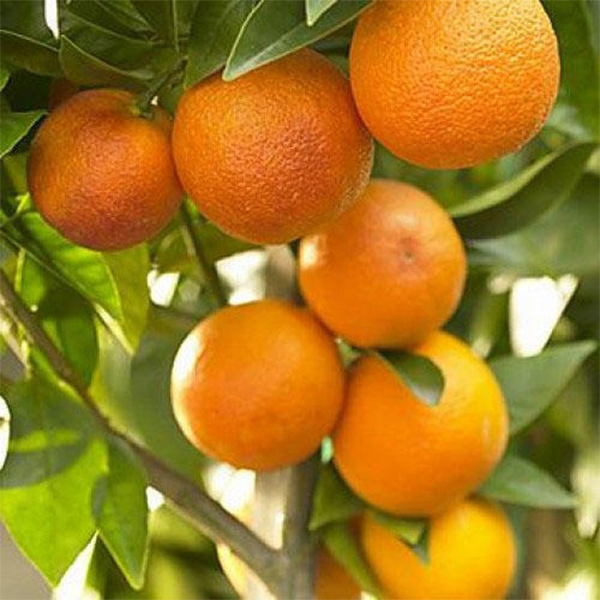
Jalna Sweet Orange, Maharashtra

Jalna district is the largest producer of sweet oranges in Maharashtra with more than 85 percent of the geographical area under agricultural cultivation. Jalna has many agro-climatic advantages that aid the growth of this traditional variety of sweet orange. Located in the upper Godavari basin, the rich black soil along the river banks of Ambad... Continue Reading →

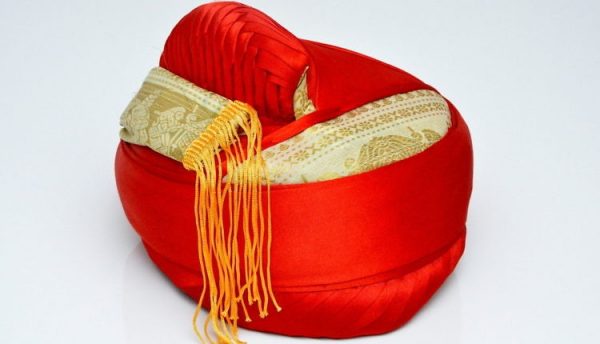
Puneri Pagadi, Maharashtra

Pagadi or turban has historically been a sign of culture, wisdom, virility and often used identify the different sections of community. Puneri pagadi is an inseparable part of Pune which is the cultural capital of Maharashtra.   Puneri pagadi is conceptualized from the Peshwe turban worn by the Peshwas which itself was inspired by the traditional Chakribandh... Continue Reading →

Waghya Ghevada, Maharashtra

One of the most famous cash crops of Western Maharashtra is Waghya ghevada. Grown extensively in North Koregaon taluka of Satara district, this rajma was first cultivated in 1950 by the late Kashinath Mahajan who bought seeds of this variety from a trader in Pune. This variety soon became popular with the locals and was... Continue Reading →

Sindhudurg and Ratnagiri Kokum, Maharashtra

Kokum (Garcinia indica) called as the ‘The Kool King’ of Indian fruits flourishes in the dense forests of the Western Ghats of Maharashtra. Konkan kokum is a perennial fruit of commercial value that thrives in the scenic Ratnagiri and Sindhudurg districts.   According to the locals, Ratnagiri and Sindhudurg districts have about 43,000 centuries-old kokum... Continue Reading →

Swamimalai Bronze Icons of Tamil Nadu

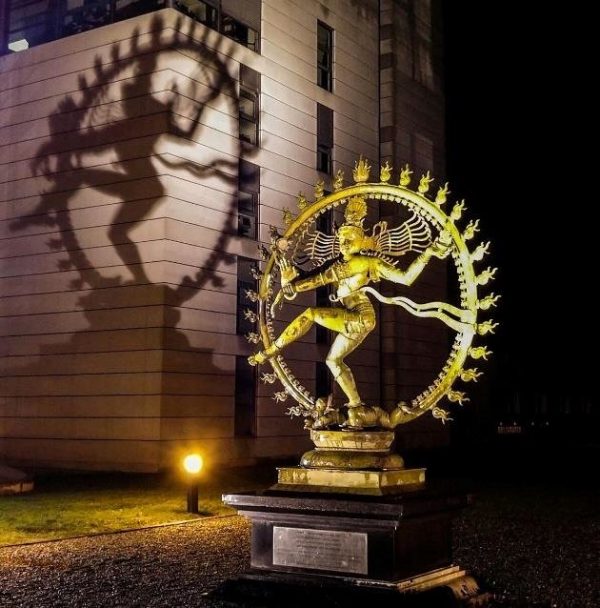
Shilpa Shastra, broadly classified as the ‘Science of Arts and Crafts’ is the supreme authority on the Chatushashti Kalas (Sixty-four arts) of the universe. The subject of Shilpa Shastra is dealt with at length in the Vedas, Puranas, Agamas and others scriptures and has been assiduously adopted by kings, craftsmen and patrons of art since time immemorial. This highly... Continue Reading →

Wooden Mask of Kushmandi, West Bengal

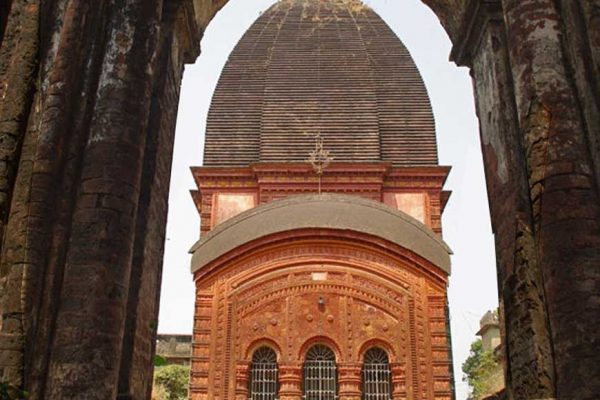
The quaint village of Mahisbathan in Kushmandi district in the heritage belt of Dakshin Dinajpur is famous for its unique wooden masks. The origin of this craft of mask making is unknown but the stylization, designs and motifs of the masks suggests a deep connection to their religious beliefs. These masks are an intrinsic part... Continue Reading →

Tulaipanji Rice of West Bengal

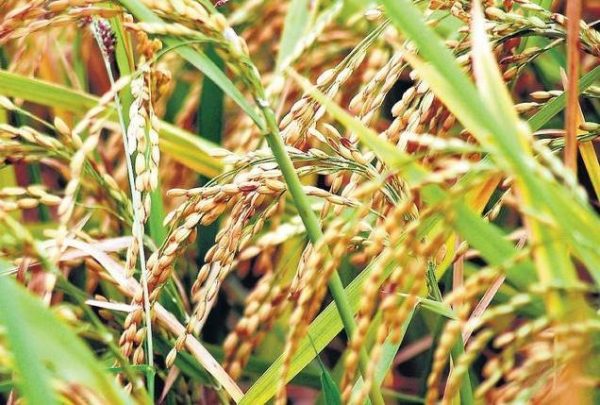
Dinajpur district in West Bengal is renowned for its indigenous rice diversity finding mention in many important scriptural texts dating back to 1100 CE One of the oldest native varieties found here is Tulaipanji or Tulai that has been cultivated for centuries with traditional methods. Folk songs glorifying this scented rice, its cultivation practices and... Continue Reading →

Joynagar Moa of West Bengal

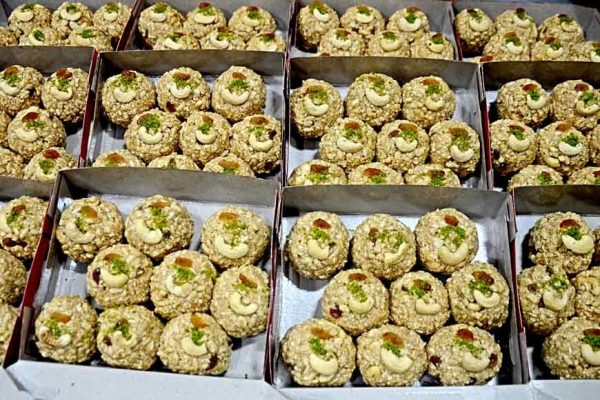
The ancient city of Joynagar-Majilpur derives its name from the local goddess and presiding deity, Ma Joychandi and over time, came to be called Joychandinagar and then Joynagar. Joyangar is popularly known as 'the cradle of moa', a unique winter sweet that is placed in high esteem by Bengalis.   It is said that the... Continue Reading →

Baluchari Saree of West Bengal

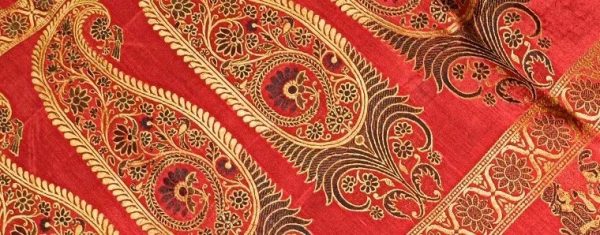
The history of Baluchari that literally means sandy river bank can be traced back to 1704 CE when Murshid Quli Khan, the Nawab of Bengal who patronized the flourishing weaving tradition brought several weavers from Dhaka in Bangladesh and helped them establish a small weaving community in Baluchar village on the bank of the Bhagirathi... Continue Reading →

Pattamadai Pai (Pattamadai Mats) of Tamil Nadu

The quaint village of Pattamadai in Tirunelveli district in Tamil Nadu is famous for its centuries-old handwoven mats made of korai grass. These exquisite mats found its place on the international market when it was gifted to Queen Elizabeth II on her coronation in 1953 and since then has been presented to dignitaries around the world.... Continue Reading →

Create a website or blog at WordPress.com

Up ↑