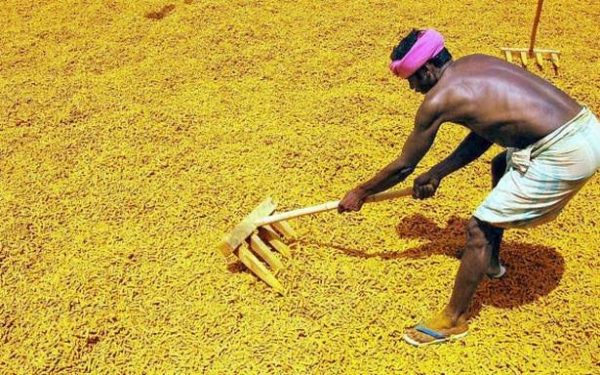
Erode Manjal (Erode Turmeric)
Erode, popularly called as the 'Turmeric City' is the third largest turmeric market in India after Nizamabad in Telangana and Sangli in Maharashtra. There are approximately 30,000 farmers in Erode alone and around 55,000 farmers in Tamil Nadu engaged in the cultivation of turmeric.   According to historical records, turmeric was grown by peasants in... Continue Reading →

Madur kathi, West Bengal

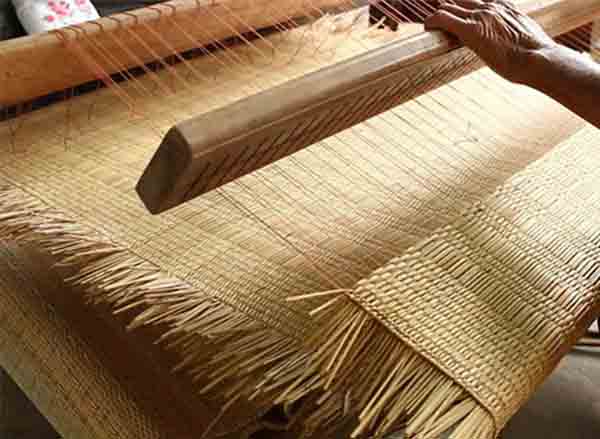
Medinipur or Midnapore, considered to be one of the largest districts of West Bengal after independence is rich with ancient history, archaeological sites, culture and heritage that is deeply influenced by the royal families. It is home to some of the oldest crafts that date back to the Indus Valley Civilization. One among them is... Continue Reading →

Kaji Nemu, Assam

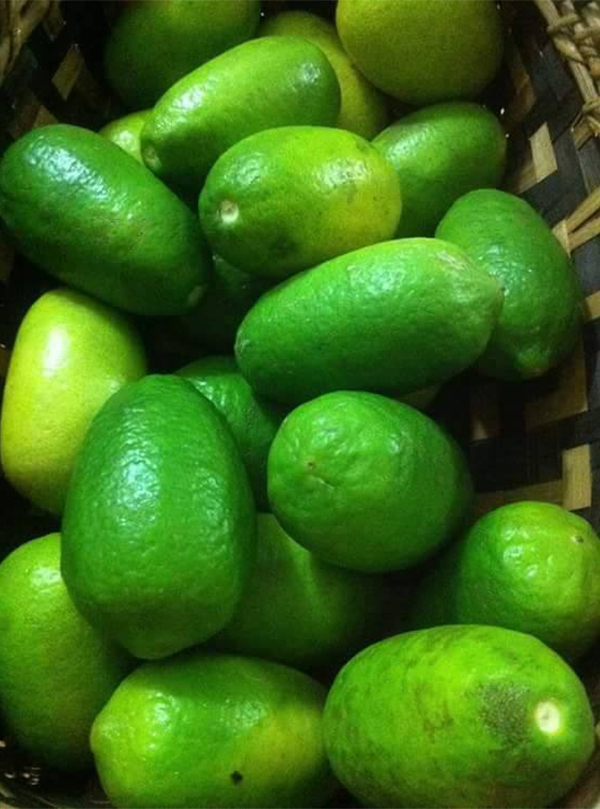
One of the most famous produce of the North eastern state of Assam is Kaji Nemu also called as Assam Lemon. Assam has as many as seventeen species, fifty-three varieties and probably seven if not more hybrids of citrus.   Locals say that this variety originated as a chance seedling raised in a plantation, Burnihut... Continue Reading →

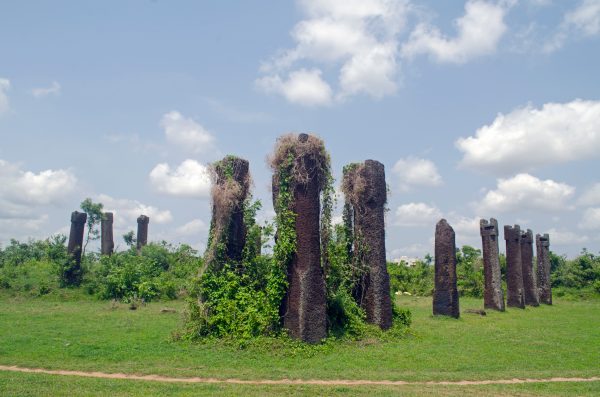
Sisupalgarh, Khurda District, Odisha

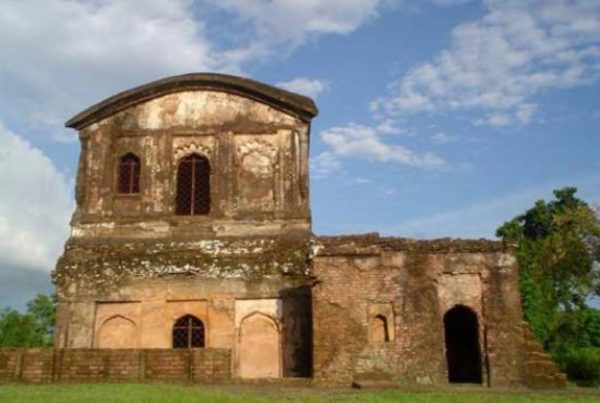
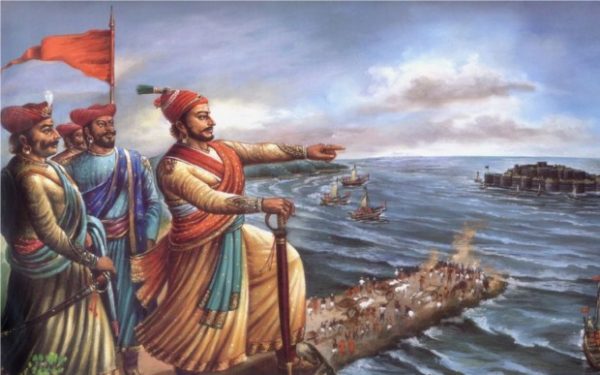
Sisupalgarh is an early historic fortified city estimated to be of the period of 500 BCE - 400 CE. Historians differ over the origin of this city with some claiming that it is Toshali, the capital of the ancient kingdom of Kalinga while others say it is the city of Kalinganagara that was glorified by... Continue Reading →

Mau Saree, Uttar Pradesh

The historically and archaeologically significant city of Mau produces one of the rarest types of sarees called Mau saree that derives its name from the city. Popularly called as the ‘city of weavers’, the weaving industry has been prevalent for at least 200 years if not more. The origin of the Mau saree is traced... Continue Reading →

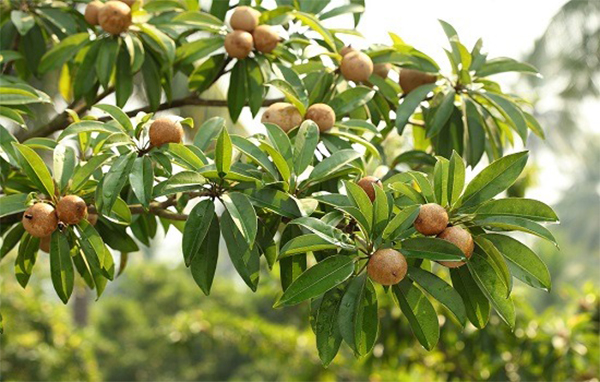
Dahanu Gholvad Chikoo, Maharashtra

A sea of Zoroastrians seeking refuge landed on the shores of Western India sometime during the 7th century. The local ruler Jadhav Rana was a little sceptical and sent the leader a glass of milk filled to the brim with a seemingly cryptic message of “There is no place here. We are full”. The Zoroastrians... Continue Reading →

Create a website or blog at WordPress.com

Up ↑