The tyrannical reign of Akhanda Bharat's worst and most radical Islamic barbarian, Aurangzeb finally came to an end on 20 February 1707. The fanatical Mughal had spent more than twenty-five years of his life draining the coffers while attempting to subdue the indomitable Marathas. The long-drawn war of independence would start taking shape under the leadership... Continue Reading →
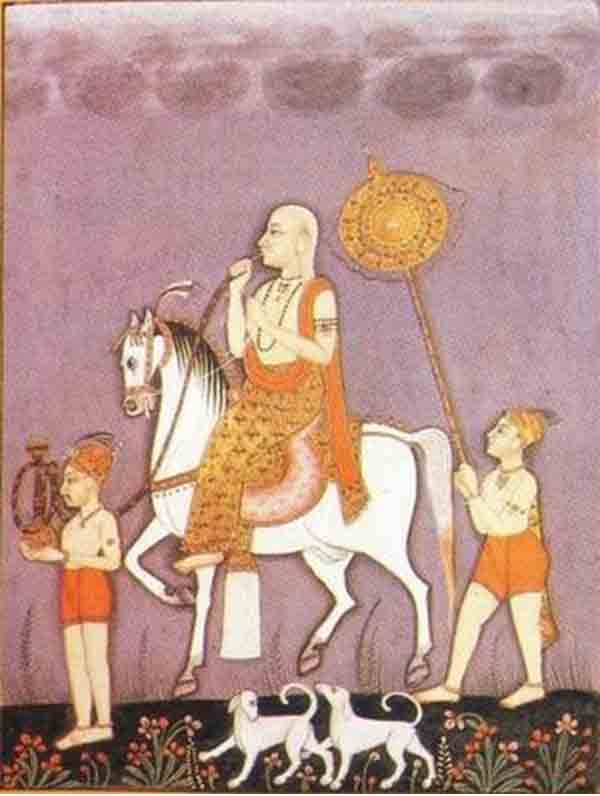
On the history trail: Peshwa Balaji Vishwanath and Chhatrapati Shahu Maharaj
The demise of Chhatrapati Rajaram Maharaj and the ascendance of Maharani Tarabai changed the state of affairs in the Deccan. Aurangzeb had been successful in setting up a well-oiled administration to look after the matters of the Marathas. The prominent families of the territory between Satara and Aurangabad had accepted the sovereignty of Aurangzeb... Continue Reading →
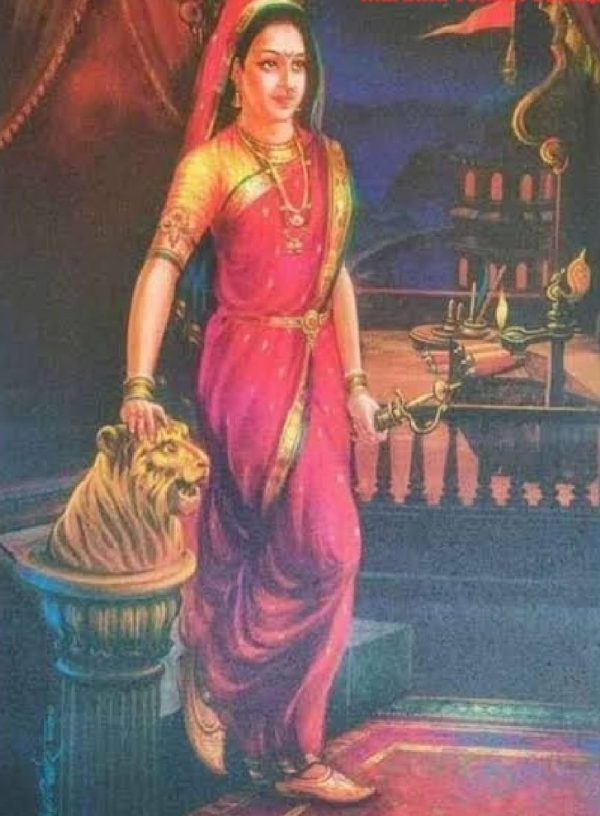
On the history trail: Maharani Tarabai leads the Marathas
Upon hearing Chhatrapati Rajaram Maharaj's sudden demise, Ramchandra Pant Amatya headed to Sinhagad and conveyed the news to the various officers and generals requesting them to continue their good work and perform their respective duties as before. He appealed to them to exert themselves with more fervour and reminded them of their ambitious goal of... Continue Reading →
On the history trail: Chhatrapati Rajaram Maharaj’s death
Just as the Marathas looked poised to reclaim their lost lands and begin the final battle for Akhanda Bharat, tragedy struck. Chhatrapati Rajaram Maharaj who had fought tirelessly against the Mughals found the strain of camp life unbearable and his health began to fail rapidly. He became so ill during the march that he had... Continue Reading →
On the history trail: Chhatrapati Rajaram Maharaj’s reign
Chhatrapati Rajaram Maharaj managed to elude the Mughal parties stationed around Jinji and proceeded to Vishalgad. He had sent offers of peace directly to Aurangzeb which were declined. As war raged on relentlessly, Rajaram Raje reached the Maratha land and decided that a new seat of power needs to be established. As both Raigad... Continue Reading →
On the history trail: The legendary guerrilla warfare of the Marathas
The tragic death of Santaji Ghorpade brought great joy to the Mughal camps who had lived in constant fear of him and his wrath on the battlefield. Santaji Ghorpade is undoubtedly one of the greatest masters of guerrilla warfare Akhanda Bharat has ever seen. His brilliant tactics, unwavering courage in the most perilous situations and... Continue Reading →
On the history trail: An Infusion of Religious Fervour by Chhatrapati Rajaram Maharaj
The primary aim of the Marathas during this perilous period of war with Aurangzeb was to convince their Hindu brothers who had joined the Mughal service to return to their king to defend the Maharashtra dharma. Hindavi Swarajya, the ambitious goal of the late Chhatrapati Shivaji Maharaj was designed to throw out the Muslim invaders... Continue Reading →
On the history trail: Marathas fight back at Jinji
With the Mughals hot on their trail and mounting pressure every day, the Marathas focussed on their primary goal to create a safe passage for Chhatrapati Rajaram Maharaj from Gingee and save him from a fate similar to his brother's and liberate the Maratha lands from the Mughal control. Aurangzeb was not one to... Continue Reading →
On the history trail: The heroism of Sarsenapati Santaji Ghorpade
As the siege of Jinji dragged on languidly, Aurangzeb became increasingly exasperated with both Zulfiqar Khan and his father, Asad Khan. He bemoaned the inability of his army to overcome the guerrilla tactics of the Marathas. Zulfiqar Khan had been given two clear tasks namely to capture Gingee and Chhatrapati Rajaram Maharaj and so far,... Continue Reading →
On the history trail: Gingee besieged and captured
Zulfiqar Khan after capturing Maharani Yesubai and young Shahu was immediately despatched to pursue Chhatrapati Rajaram Maharaj as he left for the Deccan. He left Aurangzeb's camp on 30 November 1689 and arrived at Gingee in June 1690 and laid siege to the fort. The siege lasted for 8 years and is probably one... Continue Reading →
On the history trail: Aurangzeb is displeased that Chhatrapati Rajaram Maharaj has made Gingee the new Maratha power
The shift of the Maratha power to Gingee created serious problems for Aurangzeb. It would be difficult for his men to receive information on what was happening within the four walls of Gingee. He decided to act quickly to put down the rising Maratha power. He left his camp of Koregaon on 18 December... Continue Reading →
On the history trail: Chhatrapati Rajaram Maharaj heads to Gingee
With mounting pressure and constant assaults on the Marathas by the Mughals, Chhatrapati Rajaram Maharaj revisited his strategy of staying put in Panhala. The situation was getting increasingly dangerous for him and his men and it was decided that they would make their way to the safe haven of Jinji in the Deccan. Jinji... Continue Reading →
On the history trail: The fall of Raigad and the extraordinary leadership of Ramchandra Pant Amatya
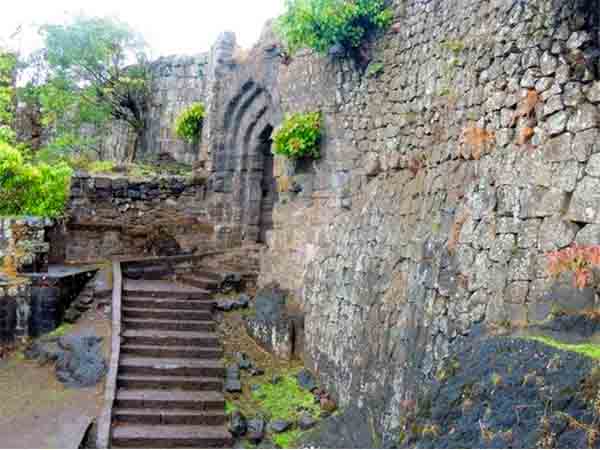
Raigad, one of the most impregnable forts of all the Maratha forts had been made largely inaccessible by the natural defences of Mother Earth. This fort was constructed on a large plateau with enough food, cattle and supplies required for a large military presence to hold out for a long time. In fact, this... Continue Reading →
On the history trail: Chhatrapati Rajaram Maharaj’s reign begins
With the tragic death of Shree Dharamveer Chhatrapati Sambhaji Maharaj, Aurangzeb's lifelong dream of capturing the Deccan was fulfilled. The whole territory from the Narmada to the Tungabhadra lay at his feet. However, the savagery of the desert barbarian Aurangzeb hardened the hearts of the Marathas and impelled them to protect their own and their... Continue Reading →
On the history trail: Chhatrapati Sambhaji Maharaj tortured to death in the most barbaric way ever seen by Aurangzeb
Shock, quickly followed by a wild outburst of rejoicing was witnessed when Aurangzeb and his men received the news of Chhatrapati Sambhaji Maharaj's capture at Akluj. The young king who had tried his best to follow in the footsteps of his father, the late Chhatrapati Shivaji Maharaj had terrorized Aurangzeb and the Mughals in his... Continue Reading →
On the history trail: Chhatrapati Sambhaji Maharaj betrayed and captured by Aurangzeb at Sangameshwar
The wily Aurangzeb continued to put pressure on the Marathas by despatching Shahâb ud-Din and his son, Chin Qilich Kamaruddin Khan to grab their territory in North Konkan and Baglan. Chhatrapati Sambhaji Maharaj was outraged on hearing the devious tactics employed by father and son to win over the Marathas. He launched a furious... Continue Reading →
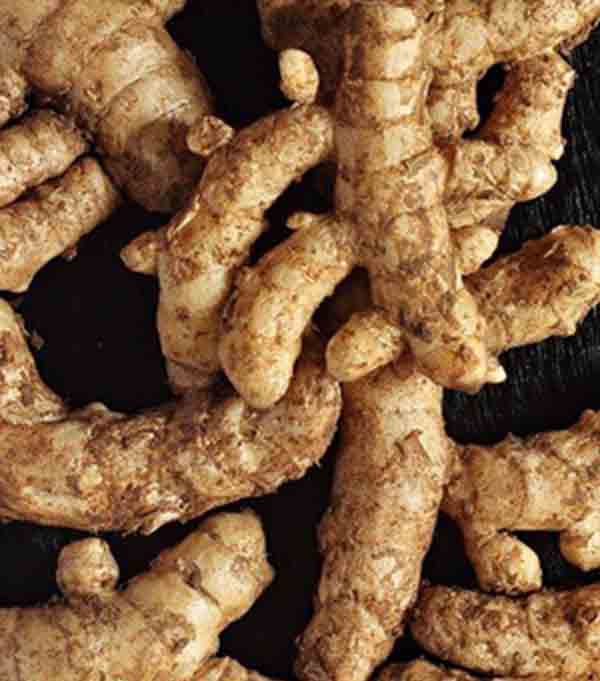
Mangai Inji (Mango Ginger)
It is well known that India is not only the largest producer of ginger in the world but is also a treasure trove of ginger diversity with more than fifty indigenous varieties grown since the ancient times. Each and every district in each and every state has its own local variety that has a distinctive... Continue Reading →
Cuddalore Cashew Processing
It is perhaps not known to many that Panruti taluka in Cuddalore district in Tamil Nadu produces one of the finest variety of cashew nut in the world. Such is the demand for the Panruti cashew across the globe, that it has been titled as the 'goldmine' of Cuddalore. Cashew nut cultivation and cashew... Continue Reading →
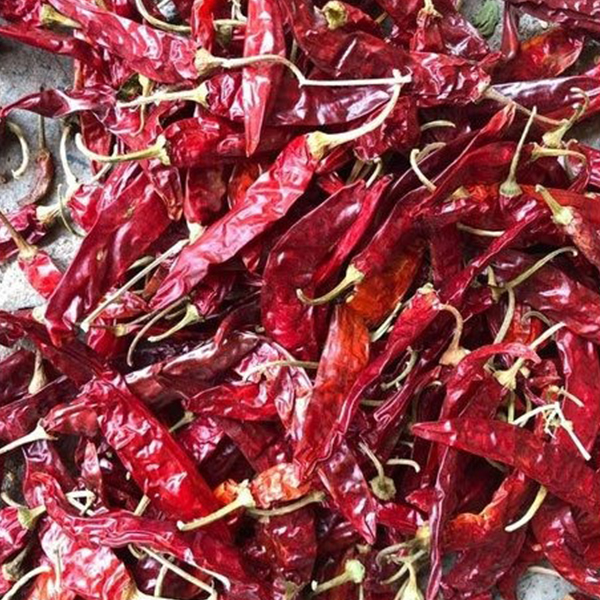
Bhiwapur Chilli
The quaint town of Bhiwapur in Nagpur district is famous for its bright red chillies. This crop has been cultivated for decades in Bhiwapur, Kuhi and Umred. Locals say that Bhiwapur has been the largest chilli market in the district since the 1960s. Bhiwapur derives its name from the presiding deity Goddess Bhima and... Continue Reading →
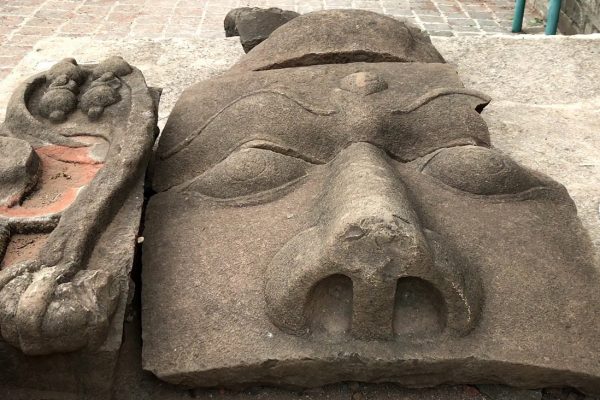
Kandhar Fort, Kandhar, Nanded District, Maharashtra
A stunning find of a fragmentary stone inscription in an old well near Kandhar in 1959 with a detailed description of the buildings in the ancient capital and the philanthropic activities of Raja Krishna III of the mighty Rashtrakuta dynasty threw light on one of the unknown capitals of the dynasty. The inscription mentions the... Continue Reading →
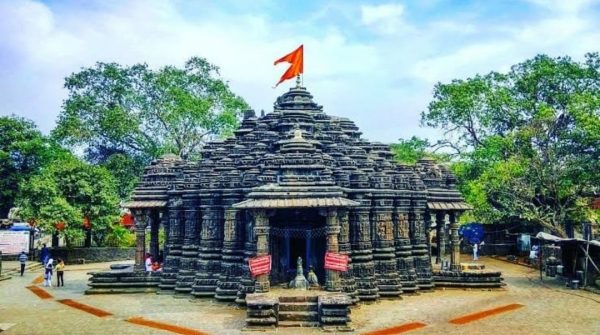
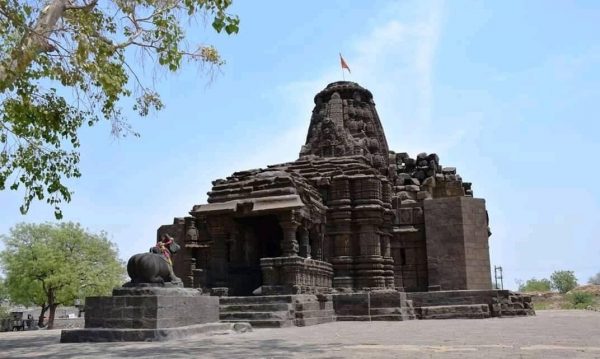
Ambernath Shiv Temple, Ambernath, Maharashtra
One of the oldest temples of the Konkan coastal stretch is the Ambernath Shiv Temple located at Ambernath about 50 km from Mumbai. Ambernath literally means Lord of the Sky or Space and interestingly, this temple does not have a roof over the sanctum sanctorum! Locals believe that the presiding deity may have been named... Continue Reading →
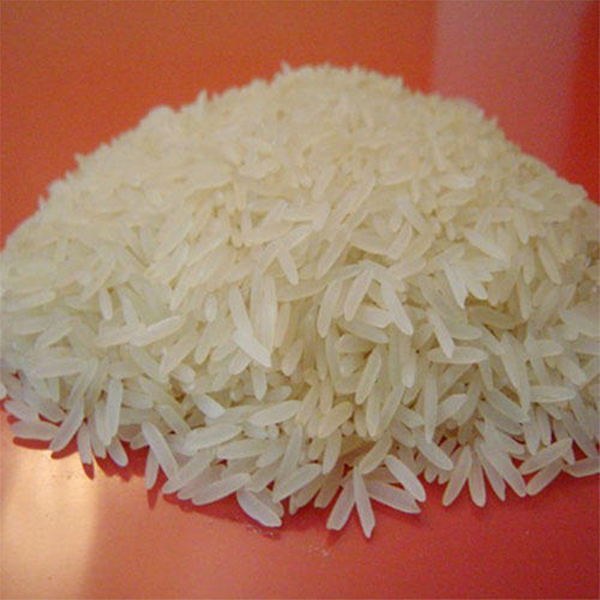
Ambemohar Rice of Maharashtra
The diversity of indigenous aromatic rice types found in India is staggering to say the least. Scented varieties are broadly classified as basmati and non-basmati. Some of the traditional rice varieties categorized as non-basmati are in fact far superior in both taste and fragrance to basmati rice. Ambemohar that literally means mango blossom in Marathi is one of... Continue Reading →
Mankeshwar Temple, Zodge Village, Malegaon Tehsil, Nashik District, Maharashtra
Nashik has traditionally been considered to be the birthplace of the Yadavas of Devagiri also known as Seuna or the Gavli Kings. The Yadavas of Devagiri are known for their ingenuity and unique style of architecture called Hemadpanti named after their renowned Prime Minister, Hemadri Pandit. Temples built in Hemadpanti are seen in Rajputana, Malwa... Continue Reading →
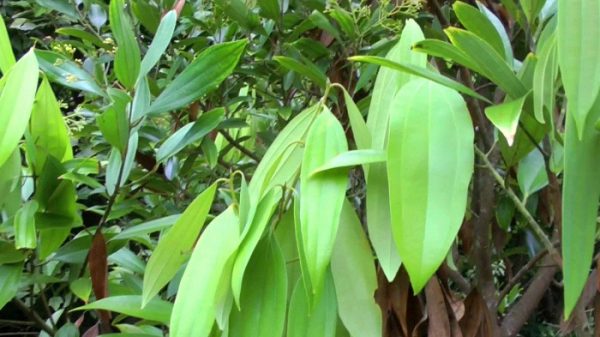
उत्तराखण्ड तेजपत्ता (Tejpat of Uttarakhand)
उत्तराखंड राज्य के नैनीताल, चमोली, टेहरी, बागेश्वर, अल्मोरा, पिथौरागढ़ और चंपावत जिलों में करीब १००० से २००० मीटर की ऊंचाई पर नम और छायादार स्थानों पर उगाए जाने वाले सुगंधित तेजपत्ता सन २०१६ में भौगोलिक सांकेतिक टैग (जी आई) प्राप्त करने का अधिकारी हुआ। राष्ट्रीय और अन्तर्राष्ट्रीय बाजारों में उत्तराखंड का सुप्रसिद्ध तेजपत्ता मीठी... Continue Reading →