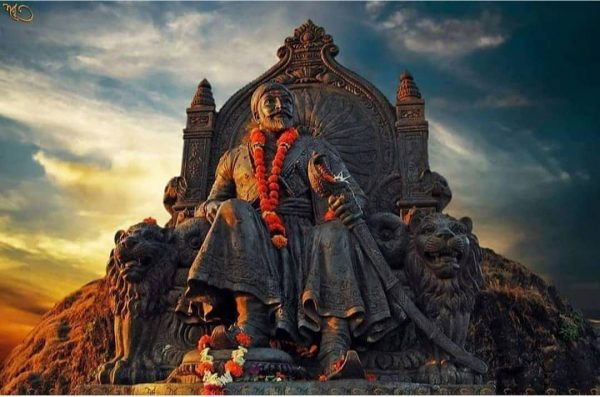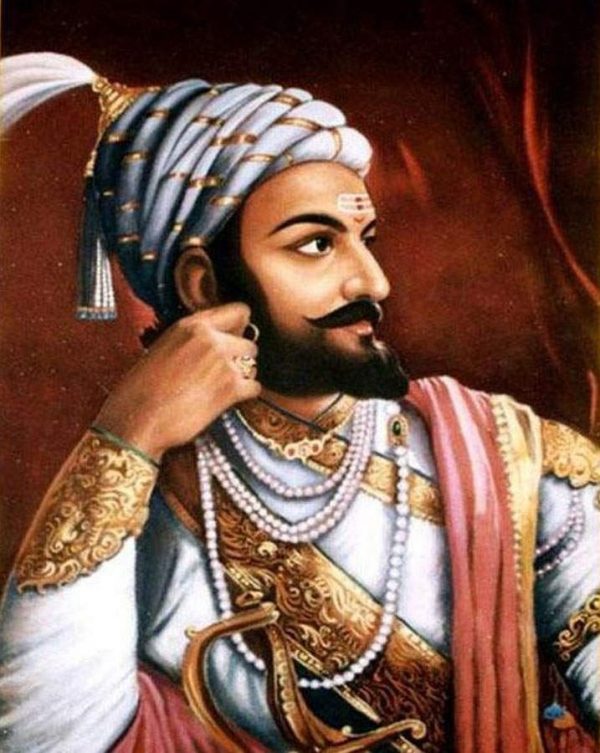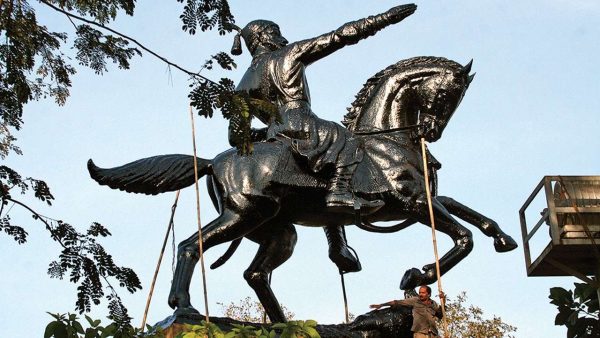
Following the triumph at Panhala, Chhatrapati Shivaji Maharaj decided to press forward his advantage and capture lands which were under the rule of the Bijapur Adil Shahis. After the capture of the forts of Parali and Satara (captured on 26 July 1673), Maharaj had extended his dominion to the east of Ghatmatha over the present... Continue Reading →
On the history trail: Fort of Panhala retaken by Chhatrapati Shivaji Maharaj
Though there were constant skirmishes between Chhatrapati Shivaji Maharaj and the Mughals, the former's relationship with Bijapur was relatively peaceful. His power was acknowledged by all the southern states. The chief minister of Bijapur, Abdul Muhammad paid chauth to Maharaj to prevent him from plundering Bijapur. Even Qutub Shah of Golkonda was in awe of him... Continue Reading →
On the history trail: Conquest of the Koli territory by Chhatrapati Shivaji Maharaj
The Second Sack of Surat paved the way for Chhatrapati Shivaji Maharaj to make preparations for his ambitious missions by land and sea. The raid into Khandesh and Berar followed by Baglana and Karinja led to the bloody toil of Salher. The spirit of the Marathas was greatly roused by their comprehensive victory over Ikhlas... Continue Reading →
On the history trail: The Battle of Salher
While Chhatrapati Shivaji Maharaj and the Marathas raided Berar and Khandesh, Moropant Peshwa made his way through North Konkan into Baglana wresting the forts of Trimbak, Aundha, Patta and Ramnagar from the Mughals and passed through Mulher into West Khandesh levying contributions wherever he went. He reached Salher Fort on the border of Khandesh and... Continue Reading →
On the history trail: Chhatrapati Shivaji Maharaj enters Khandesh
The news of the desecration and demolition of the sacrosanct shrine of Shree Kashi Vishwanath at Benares on 4 September 1669 spread like wildfire and caused extreme consternation throughout the country. The construction of a mosque on its site only added fuel to the growing anger against Aurangzeb's fanaticism to please the Mahomedan orthodoxy. Chhatrapati... Continue Reading →
On the history trail: Chhatrapati Shivaji Maharaj plunders Surat for the second time
The cat and mouse game continued between Chhatrapati Shivaji Maharaj and Aurangzeb with the former keeping the latter on his toes with raids on his territory at an alarming regularity. It started with a surprise entry into the Deccan controlled by the Mughals. Maharaj made quick work of Junnar, Ahmednagar and Parenda advancing quickly as... Continue Reading →
On the history trail: Chhatrapati Shivaji Maharaj tricks Aurangzeb to bring back Sambhaji
Chhatrapati Shivaji Maharaj's dramatic return to Raigad on 20 November 1666 was followed by widespread rejoicings among his family, citizens and the Maratha army. Each fort fired its feu de joie unceasingly and though the celebrations were appreciated by Maharaj, he decided to issue standing orders on the exact number of gunfire for specified occasions... Continue Reading →
On the history trail: Chhatrapati Shivaji Maharaj’s adventures after his daring escape from captivity
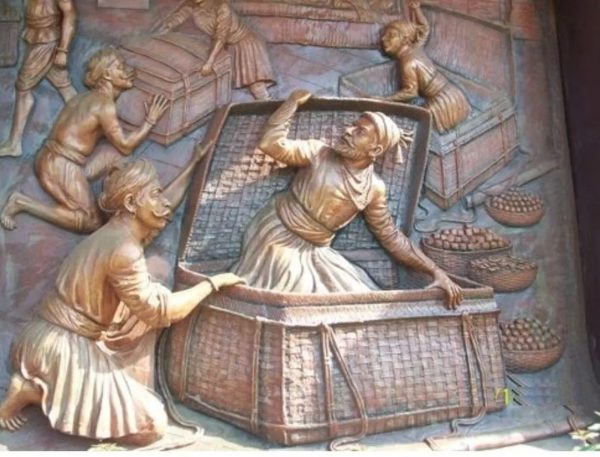
Following a hurried meeting with Ram Singh at his residence, Shivaji's half-brother Hiroji Farzand and his trusty page Madari Mehtar quickly made their way out of Agra. The guards had been instructed not to disturb 'Shivaji' as he had fallen asleep after a restless night. However, the suspicion of the guards was aroused as the... Continue Reading →
On the history trail: Chhatrapati Shivaji Maharaj’s miraculous escape from Agra
It was imperative for Chhatrapati Shivaji Maharaj to maintain the pretence of submissiveness towards Mirza Raja, Jai Singh I to effect the famous Treaty of Purandar on 11 June 1665. It was quite clear that Mirza Raja was favourably disposed towards Maharaj and sanguine about a permanent understanding between Aurangzeb and Maharaj. As time passed, Mirza Raja... Continue Reading →
On the history trail: Aurangzeb’s Surat plundered by Chhatrapati Shivaji Maharaj
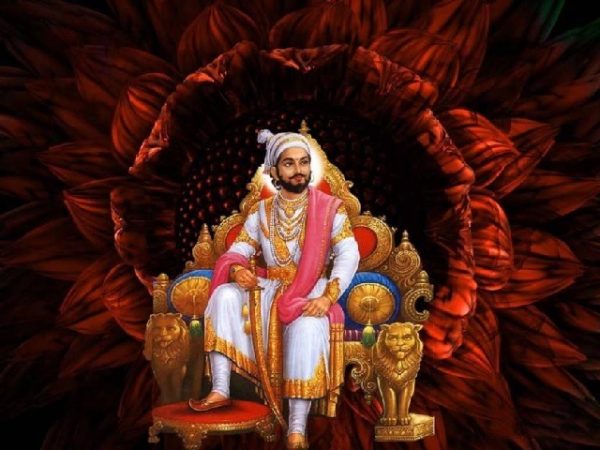
The night attack on Shaista Khan however spectacular did not inflict any discernible damage on Aurangzeb. Shaista Khan's seizure and occupation of Pune and its surrounding districts for over three years and the siege of Kondana (December 1663 to June 1664) by Mirza Raja, Jashwant Singh or Jai Singh I had crippled the Maratha empire... Continue Reading →
महाराष्ट्र का लासलगाव प्याज़ (Lasalgaon Onion, Maharashtra)
नाशिक जिले के निफाड तालुक में स्थित लासलगाव न केवल भारत अपितु समस्त एशिया में प्याज का सबसे बड़ा बाज़ार है। कई लोगों को इस बात का पता ही नहीं होगा कि महाराष्ट्र देश में प्याज का सबसे बड़ा उत्पादक है। प्रसिध्द लासलगाव प्याज़ जिसे लाल निफाड या नाशिक प्याज के नाम से भी जाना... Continue Reading →
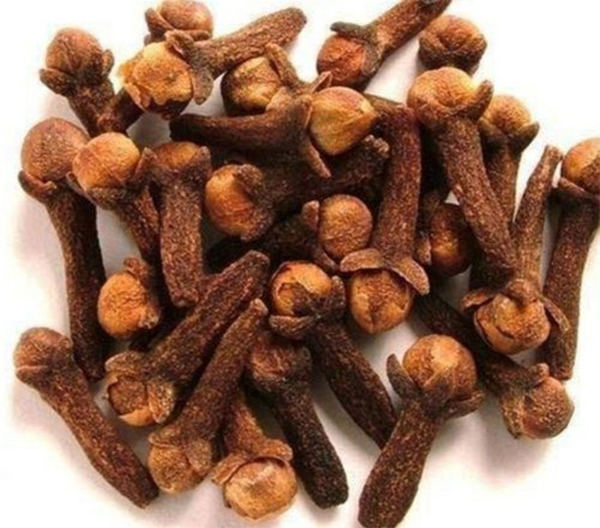
Kanyakumari Cloves
Tamil Nadu is the largest producer of clove in the country with Kanyakumari district contributing a sizeable portion to the total production. Clove was introduced in India around the 1800s by the East India Company in its spice garden in Courtallam. The dense wooded areas of Maramalai, Karumparai and Vellimalai in the Western Ghats of... Continue Reading →
Peer Kho Cave Temple, Jammu, Union Territory of Jammu and Kashmir
One of the most ancient Shiva temples in Jammu also known as the "City of temples" is the Peer Kho cave temple. This historic temple is situated on the banks of the holy Tawi river surrounded by igneous rocks and acacia forests. Locals regard this cave temple to be the oldest in the Shivalik region.... Continue Reading →
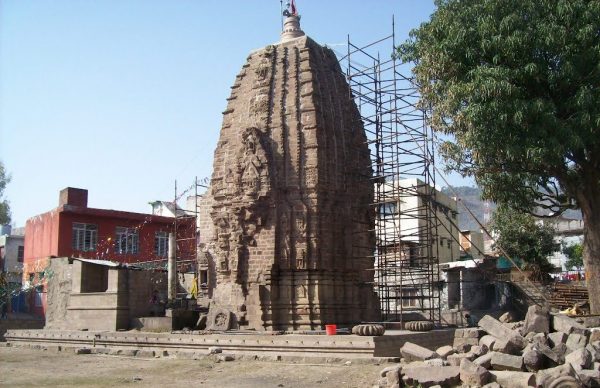
Shankaragaurishvara Temple, Pattan, Baramulla District, Union Territory of Jammu and Kashmir
Shankaragaurishvara Temple in Pattan is an exemplary example of Kashmiri temple style architecture prevalent in the 9th century. Modern Pattan is actually Shankarapattana, the capital founded by Shankaravarman of Utpala dynasty. Both Shankaravarman and his father Avantivarman were patrons of art, architecture and Sanskrit literature. Their noteworthy contribution to the revival of Hindu philosophy and... Continue Reading →
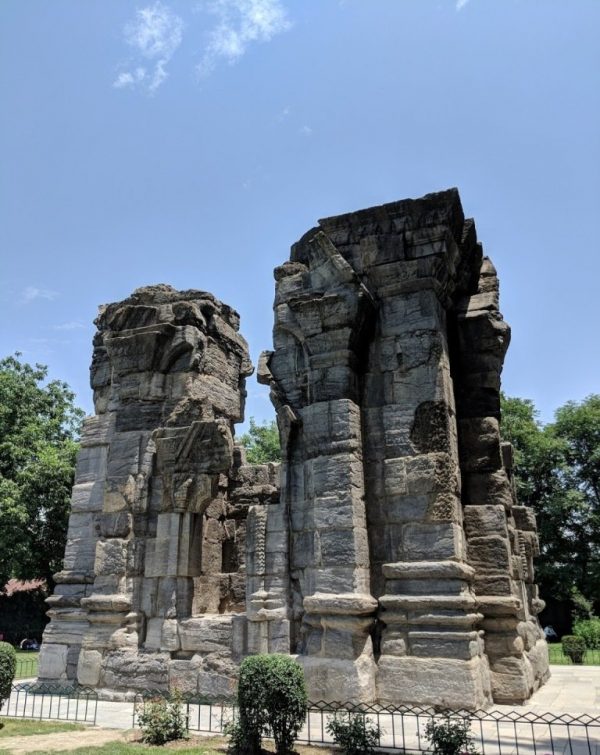
Mahabilwakeshwar Temple or Harihara Temple, Billawar, Union Territory of Jammu and Kashmir
Billawar also known locally as Balaur is a tehsil in Kathua district located on the banks of Bhinni and Naaz rivers. This town is said to have been established by Raja Bhog Pal, a son of the king of Kullu Valley in 765 CE. Subsequently, the ruling family came to be called as Balouria deriving... Continue Reading →
Sangli Turmeric of Maharashtra
Sangli located in the western part of Maharashtra is considered to be the largest and most important trading centre for turmeric in Asia. Popularly known as the 'Saffron City', Sangli has been cultivating its world-famous turmeric since the 1900s. It is said that large quantities of Sangli turmeric used to be exported through the Rajapur... Continue Reading →
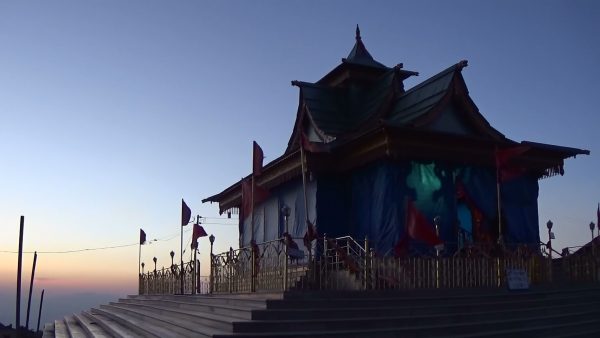
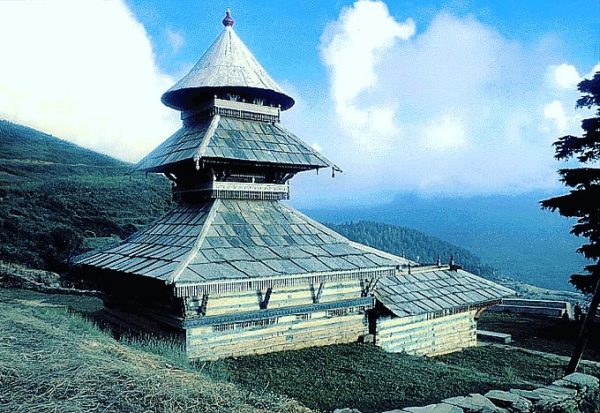
Hatu Mata Mandir, Narkanda, Himachal Pradesh
Hatu Peak at a staggering elevation of 11,152 feet (3400 metres) is the highest peak in Shimla district in Himachal Pradesh. A narrow treacherous single road, a little away from Narkanda passing through dense forests of deodar, fir, spruce, blue pine and others on one side and a dizzying fall into a valley below leads... Continue Reading →
Bijli Mahadev Temple, Kullu, Himachal Pradesh
Bijli Mahadev temple is one of the most ancient and sacred temples in the spectacular Kullu Valley in Dev Bhoomi Himachal Pradesh. This temple is seated at an altitude of 2,460 metres and an arduous trek of 7 – 8 km through a scenic Cedar forest leads you to this divine place that offers a... Continue Reading →
Aadi Brahma Temple and Aadi Purkha Temple, Himachal Pradesh
The breathtaking Kullu Valley flanked by Dhauladhar and Pir Panjal ranges of the Lesser Himalayan mountains on either side is referred to as the Valley of Gods or Eden of Apple. This historical place was called as Kulantapitha meaning end of the habitable world and is held in high esteem in the ancient texts of Brahmanda... Continue Reading →
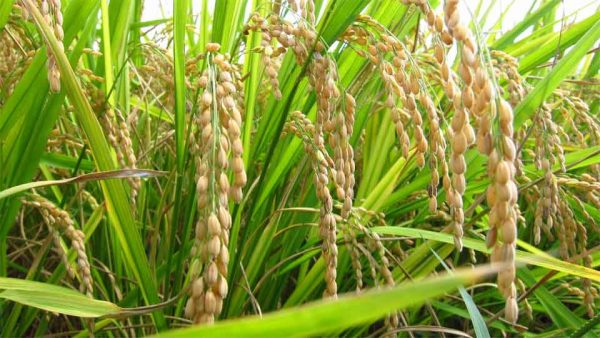
Ajara Ghansal Rice, Ajara Taluka, Kolhapur District, Maharashtra
Scented rice has always been a prized possession in regional economies since the days of yore. Different varieties of indigenous scented rice have been cultivated in different parts of India since ancient times. Both Charaka and Sushruta have extolled the medicinal values of fragrant rice in their respective treatise. Ajara Ghansal rice grown in... Continue Reading →
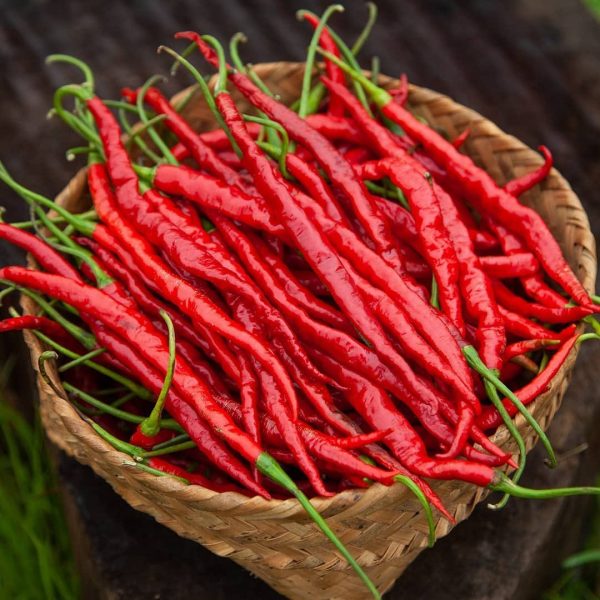
Hathei Chilli of Manipur
Hathei chilli or umoruk as it is called in the local dialect is considered to be God's gift and the pride of Ukhrul for the people of Sirarakhong. This special chilli along with the seven other organically grown varieties of chilli in Manipur have been cultivated for generations. Hathei chilli thrives only in the Mahadev... Continue Reading →
Parashuram Kund, Lohit District, Arunachal Pradesh
Parshuram kund located in Lohit district on the banks of the lower level of Lohit River (a tributary of the Brahmaputra River) is one of the most sacrosanct places not only in Arunachal Pradesh but also in India. This holy place finds mention in Srimad Bhagavata Mahapurana and is dedicated to Parashurama, the sixth avatar... Continue Reading →
Malinithan, Likabali, Arunachal Pradesh
The ancient town of Malinithan situated at the foothills of the Siang Hills in Likabali is steeped in religion, history, culture and architecture. Legend has it that when Lord Krishna kidnapped Rukmini Devi, they passed this beautiful location on their way to Dwaraka from Vidarbha. They found Lord Shiva and Parvathi Devi deep in tapas in... Continue Reading →
Siddheshwar Nath Temple, Kardo Forest, Ziro, Arunachal Pradesh
In 2004, a young woodcutter was felling a tree in the dense Kardo jungle in the holy month of Shravan. Much to his amazement though, the tree did not fall down in the spot where it should have but instead changed direction and fell down a few kilometres away. The woodcutter was puzzled by this... Continue Reading →