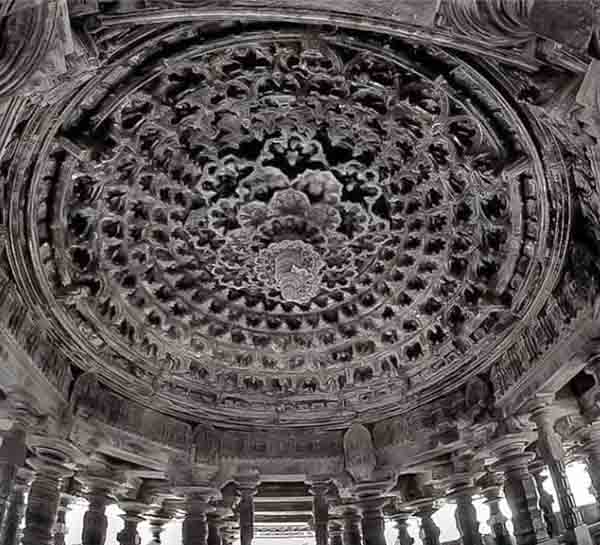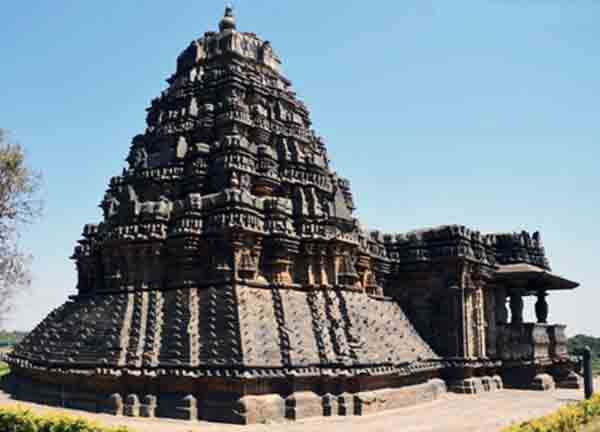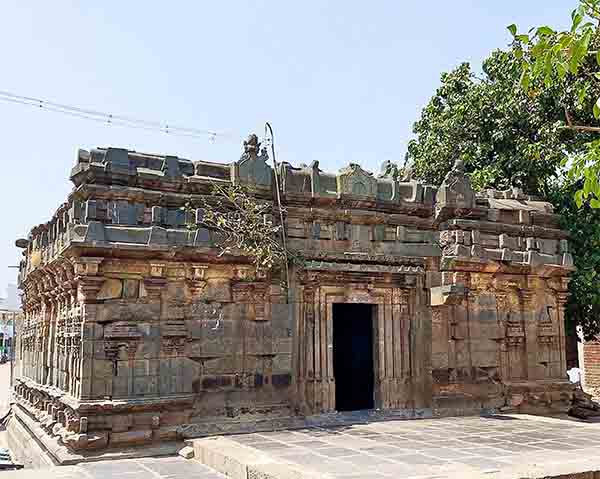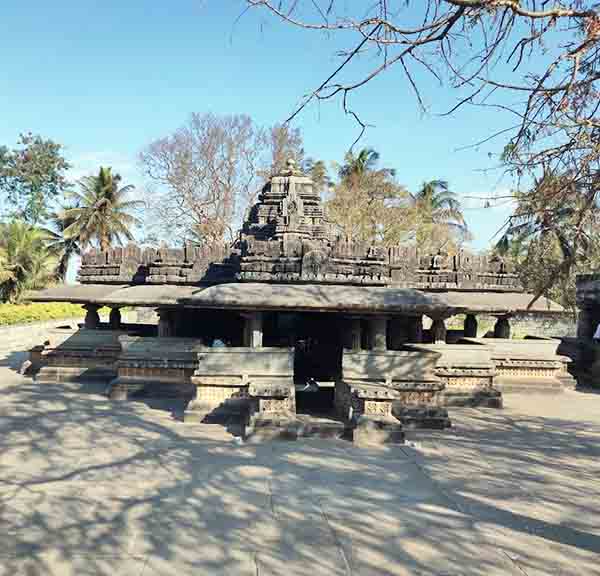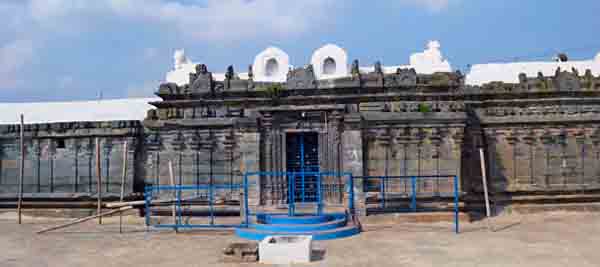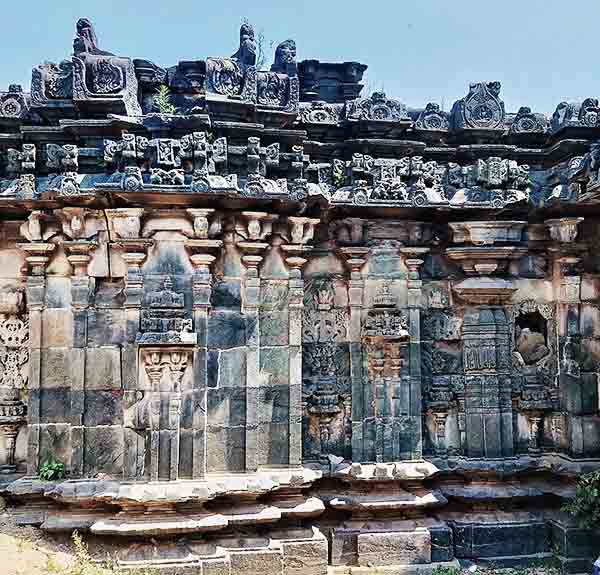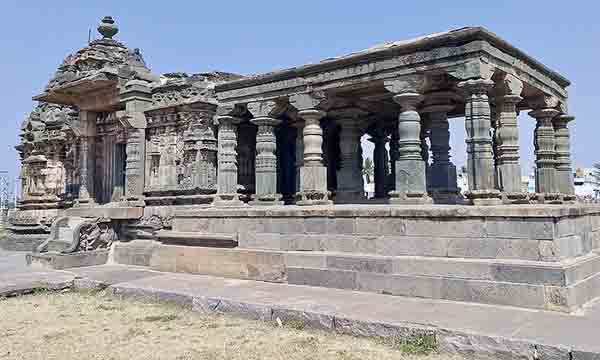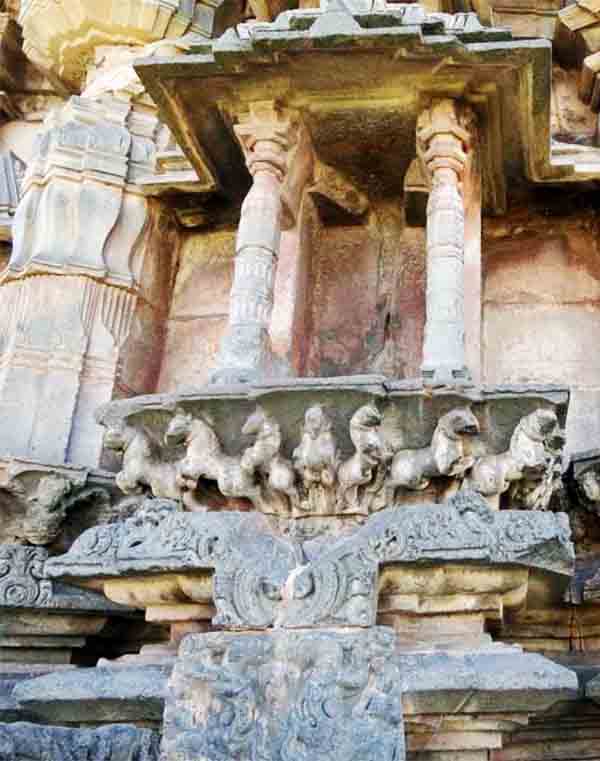
Hangal, the former bastion of the Kadambas, the Hoysalas, the Kalyani Chalukyas and the Vijayanagara Empire is best known for the 'Lotus of Hangal', a breathtaking architectural and structural marvel in the Tarakeshwara Temple. This centuries-old temple was built by the Kadambas in the 5th century with additions by the Hoysalas in the late 10th... Continue Reading →
Galageshwara Temple, Galaganath Village, Haveri District, Karnataka
Galageshwara Temple built at the edge of the Tungabhadra River can be best described as poetry in stone. This awe-inspiring masterpiece of the 11th century has several inscriptions within the temple mentioning Maharaja Vikramaditya VI of the Kalyani Chalukyas, the musical genius Mokari Bharmayya and even the legendary sculptor Jakanachari. The temple has an... Continue Reading →
Virupaksha Temple, Lakkundi Village, Gadag District, Karnataka
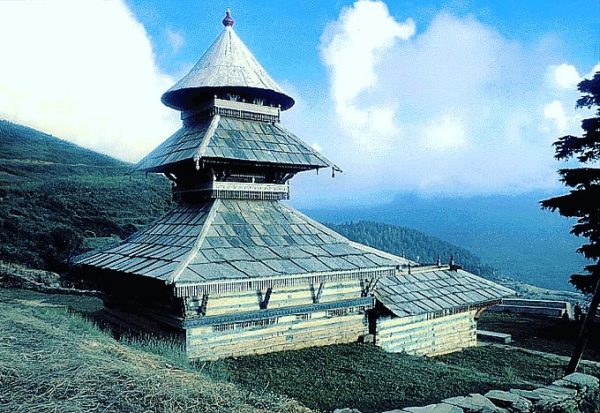
Located at a little distance from the Sri Halagundi Basaveshwara Temple is the 11th century - 12th century (inscription is dated as 1010 CE) Virupaksha Temple built by the mighty Rashtrakutas and later renovated by the Kalyani Chalukyas (Western Chalukyas). Lakkundi is one of those rare historical sites in India that has a unique architectural... Continue Reading →
Purada Siddeshwara Temple, Haveri, Karnataka
One of the finest examples of the Rashtrakutas, Kalyani Chalukyas (Western Chalukyas) and the Marathas is the Purada Siddeshwara Temple in the ancient town of Haveri. This place of great antiquity has been mentioned in the Mahabharat and is revered for its spiritual and religious potency. Also known as Siddeshwara Temple, this west-facing temple is... Continue Reading →
Sri Halagundi Basaveshwara Temple, Lakkundi Village, Gadag District, Karnataka
Lakkundi is a treasure trove of edifices built by the mighty Kalyani Chalukyas (Western Chalukyas), the Hoysalas, the Seunas (Yadavas of Devagiri) and the Vijayanagara Empire. Though a sizeable portion of the temples constructed over centuries were looted, desecrated and flattened to the ground, the temples that managed to survive the savagery exude grandeur, charm... Continue Reading →
Kumbareshwara Temple, Lakkundi Village, Gadag District, Karnataka
One of the lesser-known architectural masterpieces of Lakkundi is the Kumbareshwara Temple built in the 11th - 12th century. This edifice is yet another excellent example of the famed Lakkundi school of architecture favoured by the Kalyani Chalukyas. The temple is designed as a trikutachala (temple with three sanctums) with a shared mandapa and ranga mandapa. Interestingly,... Continue Reading →
Nanneshwar Temple, Lakkundi Village, Gadag District, Karnataka
Just behind the splendid Kashi Vishweshwara Temple is the equally beautiful Nanneshwar Temple. This excellent example of the famed Lakkundi school of architecture truly does justice to the unique style shaped by the Kalyani Chalukyas in the 11th - 12th century, The temple sits on a raised platform and is an ekakuta (single shrine) unlike... Continue Reading →
Suryanarayana Temple, Lakkundi Village, Gadag District, Karnataka
Lakkundi, a treasure trove of ingenious stepwells, temples, halls, dharmashalas and palatial quarters built by the Kalyani Chalukyas (Western Chalukyas), the Hoysalas, the Seunas (Yadavas of Devagiri) and the Vijayanagara Empire is renowned for its unique architectural style. The Lakkundi school of architecture is perhaps the finest illustration of an artistic harmony of architectural styles... Continue Reading →
Kashi Vishweshwara Temple, Lakkundi Village, Gadag District, Karnataka
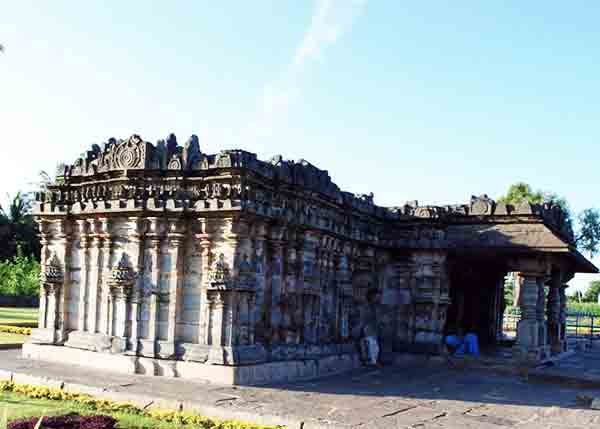
Lakkundi, famous for the splendid edifices of the Kalyani Chalukyas (Western Chalukyas) is revered for its spiritual potency and finds mention in both the Ramayana and Mahabharat. This remote village in Gadag district has the best illustration of the unique Lakkundi school of architecture (also known as Western Chalukya style of architecture) shaped by the Kalyani Chalukyas in... Continue Reading →
Manikeshwara Temple, Lakkundi Village, Gadag District, Karnataka
One of the finest examples of trikutachala (temple with three sanctums) of the 12th century is the Manikeshwara Temple located in Lakkundi village. This beautiful temple along with the magnificent Muskin Bhavi that is in front of it exudes the grandeur, architectural ingenuity and artistic excellence of the Hindu kings who ruled over this historically... Continue Reading →
Muskin Bhavi, Lakkundi Village, Gadag District, Karnataka
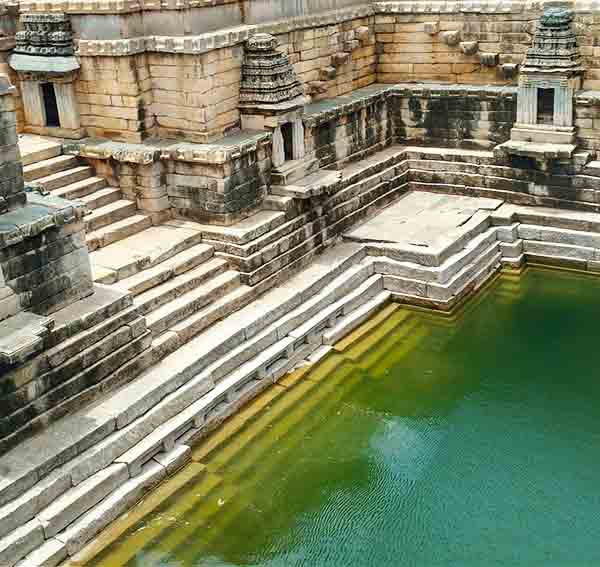
The remote village of Lakkundi, previously known as Lokkigundi is a treasure trove of stunning temples, stepwells, palatial quarters and dharmashalas that showcase the architectural prowess of the Kalyani Chalukyas (Western Chalukyas), the Hoysalas, the Seunas (Yadavas of Devagiri) and the Vijayanagara Empire. This historical site has rare inscriptions in Kannada and Sanskrit that date... Continue Reading →
महाराष्ट्र का लासलगाव प्याज़ (Lasalgaon Onion, Maharashtra)
नाशिक जिले के निफाड तालुक में स्थित लासलगाव न केवल भारत अपितु समस्त एशिया में प्याज का सबसे बड़ा बाज़ार है। कई लोगों को इस बात का पता ही नहीं होगा कि महाराष्ट्र देश में प्याज का सबसे बड़ा उत्पादक है। प्रसिध्द लासलगाव प्याज़ जिसे लाल निफाड या नाशिक प्याज के नाम से भी जाना... Continue Reading →
Kanyakumari Cloves
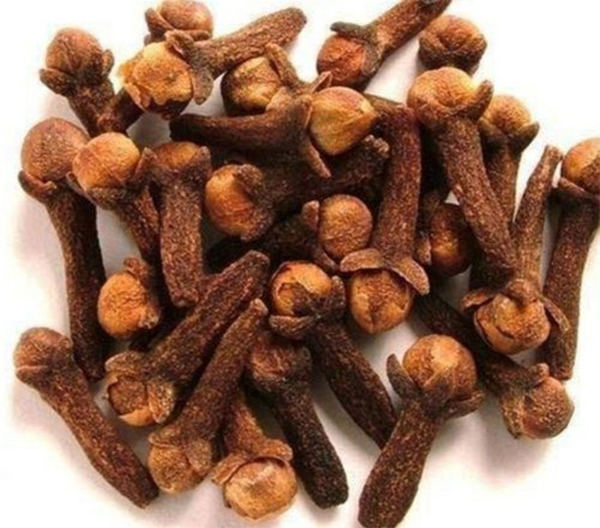
Tamil Nadu is the largest producer of clove in the country with Kanyakumari district contributing a sizeable portion to the total production. Clove was introduced in India around the 1800s by the East India Company in its spice garden in Courtallam. The dense wooded areas of Maramalai, Karumparai and Vellimalai in the Western Ghats of... Continue Reading →
Peer Kho Cave Temple, Jammu, Union Territory of Jammu and Kashmir
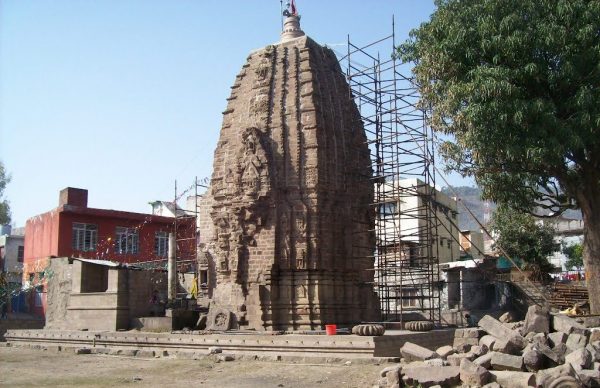
One of the most ancient Shiva temples in Jammu also known as the "City of temples" is the Peer Kho cave temple. This historic temple is situated on the banks of the holy Tawi river surrounded by igneous rocks and acacia forests. Locals regard this cave temple to be the oldest in the Shivalik region.... Continue Reading →
Shankaragaurishvara Temple, Pattan, Baramulla District, Union Territory of Jammu and Kashmir
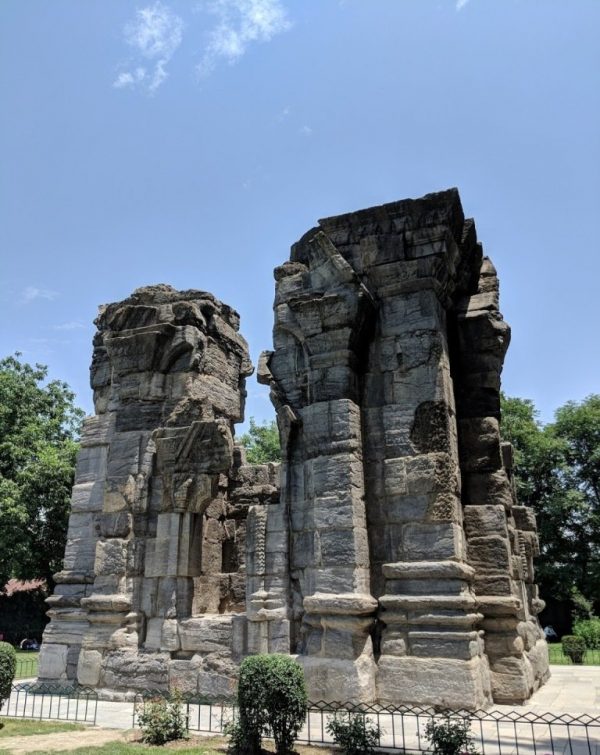
Shankaragaurishvara Temple in Pattan is an exemplary example of Kashmiri temple style architecture prevalent in the 9th century. Modern Pattan is actually Shankarapattana, the capital founded by Shankaravarman of Utpala dynasty. Both Shankaravarman and his father Avantivarman were patrons of art, architecture and Sanskrit literature. Their noteworthy contribution to the revival of Hindu philosophy and... Continue Reading →
Mahabilwakeshwar Temple or Harihara Temple, Billawar, Union Territory of Jammu and Kashmir
Billawar also known locally as Balaur is a tehsil in Kathua district located on the banks of Bhinni and Naaz rivers. This town is said to have been established by Raja Bhog Pal, a son of the king of Kullu Valley in 765 CE. Subsequently, the ruling family came to be called as Balouria deriving... Continue Reading →
Sangli Turmeric of Maharashtra
Sangli located in the western part of Maharashtra is considered to be the largest and most important trading centre for turmeric in Asia. Popularly known as the 'Saffron City', Sangli has been cultivating its world-famous turmeric since the 1900s. It is said that large quantities of Sangli turmeric used to be exported through the Rajapur... Continue Reading →
Hatu Mata Mandir, Narkanda, Himachal Pradesh
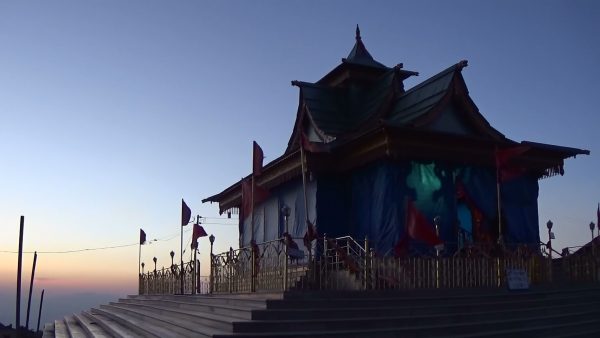
Hatu Peak at a staggering elevation of 11,152 feet (3400 metres) is the highest peak in Shimla district in Himachal Pradesh. A narrow treacherous single road, a little away from Narkanda passing through dense forests of deodar, fir, spruce, blue pine and others on one side and a dizzying fall into a valley below leads... Continue Reading →
Bijli Mahadev Temple, Kullu, Himachal Pradesh
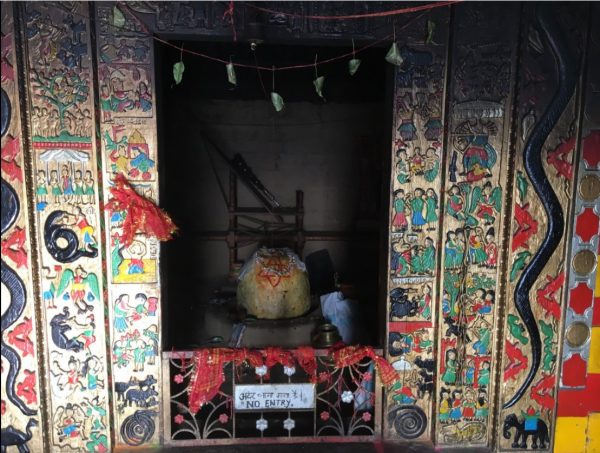
Bijli Mahadev temple is one of the most ancient and sacred temples in the spectacular Kullu Valley in Dev Bhoomi Himachal Pradesh. This temple is seated at an altitude of 2,460 metres and an arduous trek of 7 – 8 km through a scenic Cedar forest leads you to this divine place that offers a... Continue Reading →
Aadi Brahma Temple and Aadi Purkha Temple, Himachal Pradesh
The breathtaking Kullu Valley flanked by Dhauladhar and Pir Panjal ranges of the Lesser Himalayan mountains on either side is referred to as the Valley of Gods or Eden of Apple. This historical place was called as Kulantapitha meaning end of the habitable world and is held in high esteem in the ancient texts of Brahmanda... Continue Reading →
Ajara Ghansal Rice, Ajara Taluka, Kolhapur District, Maharashtra
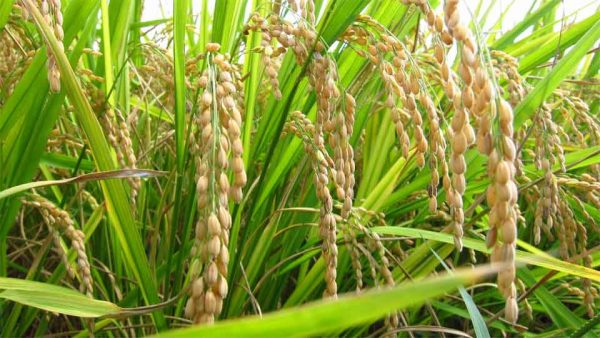
Scented rice has always been a prized possession in regional economies since the days of yore. Different varieties of indigenous scented rice have been cultivated in different parts of India since ancient times. Both Charaka and Sushruta have extolled the medicinal values of fragrant rice in their respective treatise. Ajara Ghansal rice grown in... Continue Reading →
Hathei Chilli of Manipur
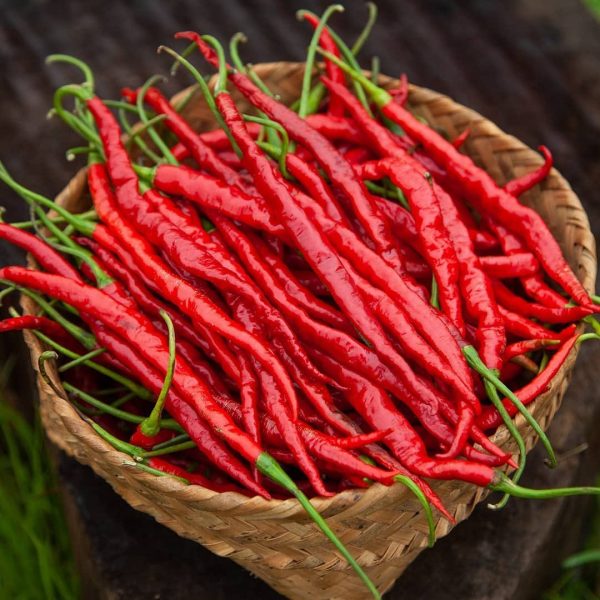
Hathei chilli or umoruk as it is called in the local dialect is considered to be God's gift and the pride of Ukhrul for the people of Sirarakhong. This special chilli along with the seven other organically grown varieties of chilli in Manipur have been cultivated for generations. Hathei chilli thrives only in the Mahadev... Continue Reading →
Parashuram Kund, Lohit District, Arunachal Pradesh
Parshuram kund located in Lohit district on the banks of the lower level of Lohit River (a tributary of the Brahmaputra River) is one of the most sacrosanct places not only in Arunachal Pradesh but also in India. This holy place finds mention in Srimad Bhagavata Mahapurana and is dedicated to Parashurama, the sixth avatar... Continue Reading →
Malinithan, Likabali, Arunachal Pradesh
The ancient town of Malinithan situated at the foothills of the Siang Hills in Likabali is steeped in religion, history, culture and architecture. Legend has it that when Lord Krishna kidnapped Rukmini Devi, they passed this beautiful location on their way to Dwaraka from Vidarbha. They found Lord Shiva and Parvathi Devi deep in tapas in... Continue Reading →