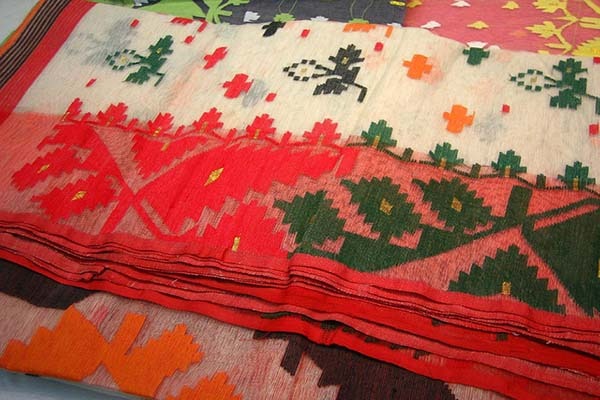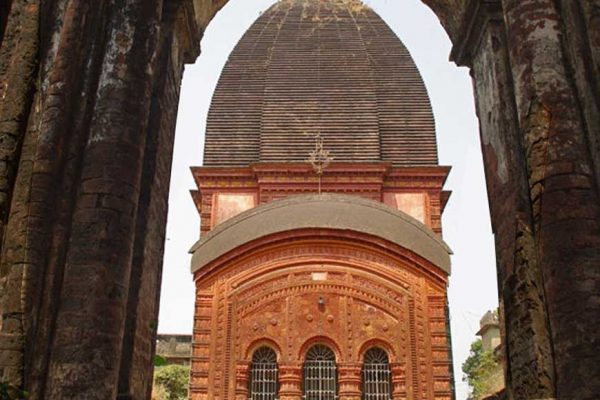
Santipore Saree of West Bengal
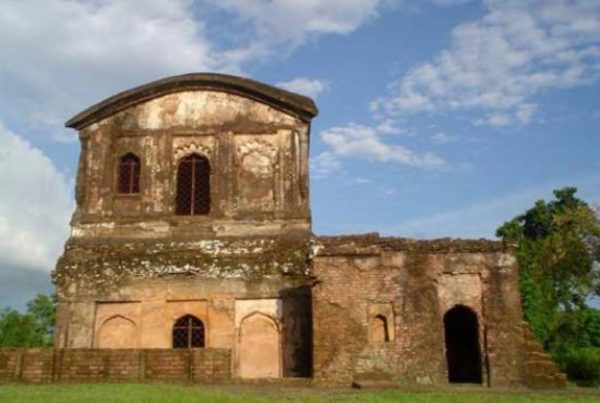
One of the most exquisite weaves in cotton and silk is found in the Bengal heartland of Shantipur - Phulia. Called as Shantipuri, this centuries-old tant (traditional Bengali saree) derives its name from Shantipur in Nadia district. The ancient handloom industry in Shantipur has been mentioned in manuscripts glorifying the life of Advaita Acharya as... Continue Reading →

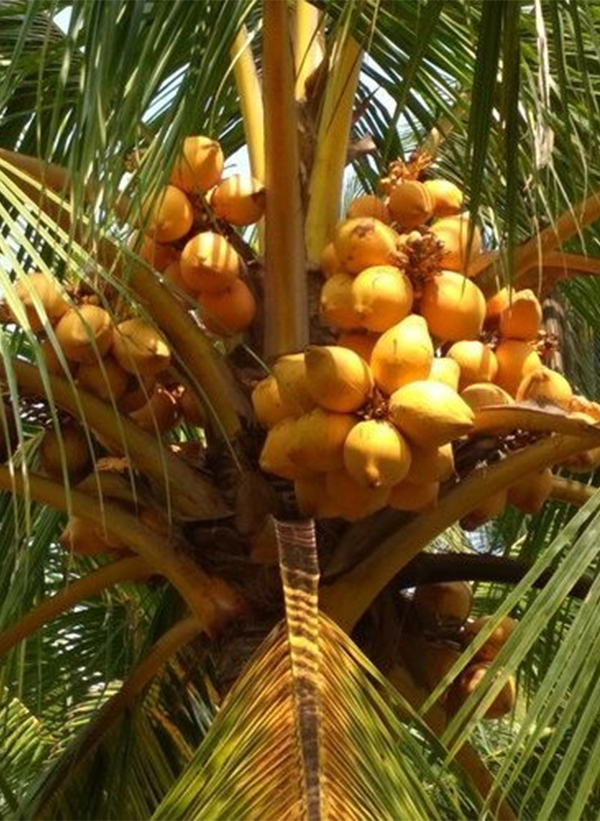
Eathamozhy Tall Coconut of Tamil Nadu

A rare type of tall coconut variety with immense historical, religious and commercial importance known locally as Eathamozhy or Eathamozhi tall coconut thrives in Kanyakumari district. The unique morphological traits found in this variety are of a superior genetic constitution and it is unsurprising that there is great demand for the seedlings of Eathamozhy tall... Continue Reading →

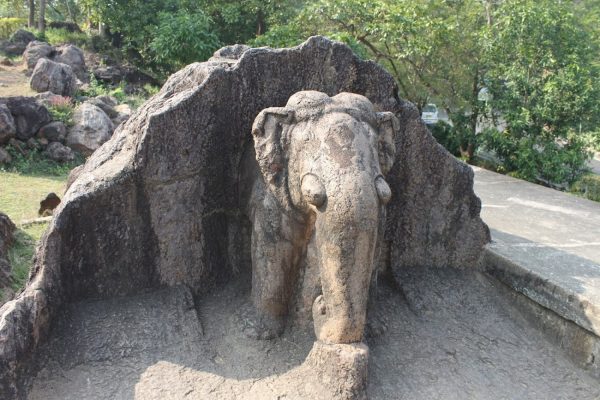
On the history trail: Chandashoka and The Kalinga War

Along with the wily Chanakya, Chandragupta Maurya, the founder of the Maurya dynasty built one of the largest empires in Akanda Bharat. He abdicated the throne in favour of his son Bindusara who was equal to the task. Bindusara not only consolidated the control over the empire but also extended it further south. Travellers' documentation and... Continue Reading →

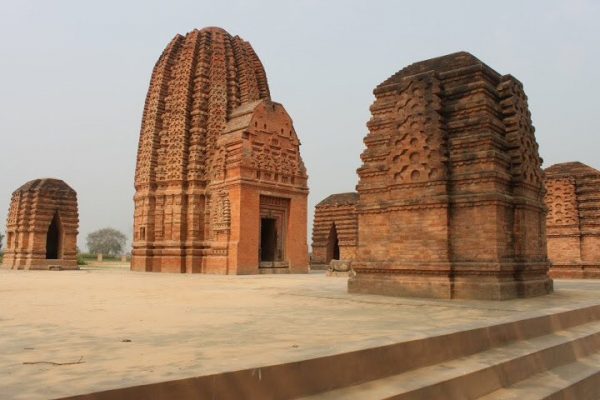
Dhaniakhali Saree of West Bengal

One of the most beloved traditional handloom sarees of West Bengal is Dhaniakhali saree deriving its name from the place Dhaniakhali in Chinsurah subdivision in Hooghly district. Hooghly district is home to some of the oldest cottage industries like silk and cotton handloom weaving, brass and bell metal manufacturing, oil pressing, village tanning and others.... Continue Reading →

Erode Manjal (Erode Turmeric)

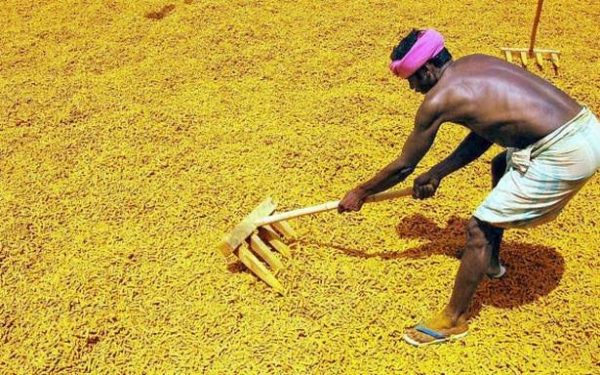
Erode, popularly called as the 'Turmeric City' is the third largest turmeric market in India after Nizamabad in Telangana and Sangli in Maharashtra. There are approximately 30,000 farmers in Erode alone and around 55,000 farmers in Tamil Nadu engaged in the cultivation of turmeric.   According to historical records, turmeric was grown by peasants in... Continue Reading →

Madur kathi, West Bengal

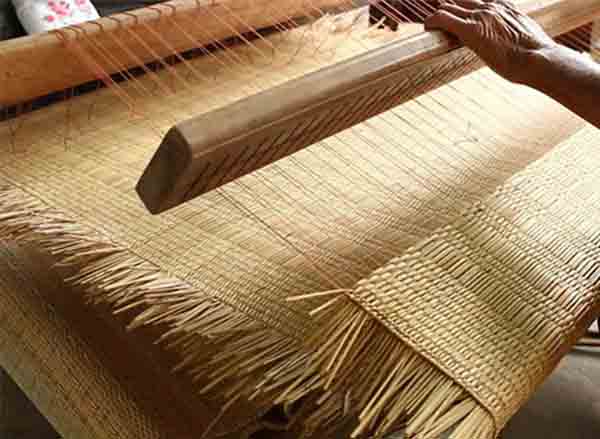
Medinipur or Midnapore, considered to be one of the largest districts of West Bengal after independence is rich with ancient history, archaeological sites, culture and heritage that is deeply influenced by the royal families. It is home to some of the oldest crafts that date back to the Indus Valley Civilization. One among them is... Continue Reading →

Puneri Pagadi, Maharashtra

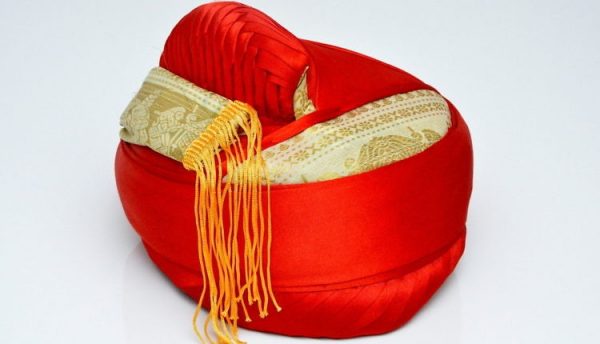
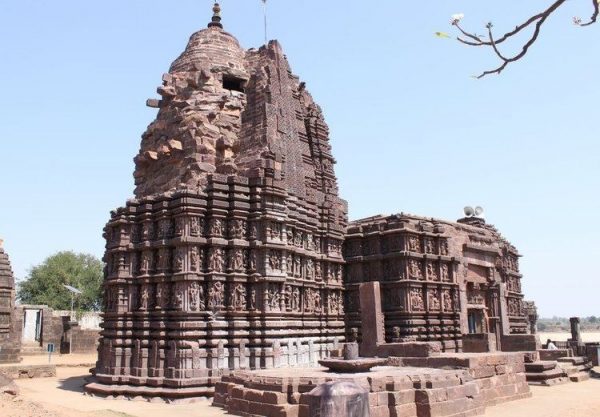
Pagadi or turban has historically been a sign of culture, wisdom, virility and often used identify the different sections of community. Puneri pagadi is an inseparable part of Pune which is the cultural capital of Maharashtra.   Puneri pagadi is conceptualized from the Peshwe turban worn by the Peshwas which itself was inspired by the traditional Chakribandh... Continue Reading →

Waghya Ghevada, Maharashtra

One of the most famous cash crops of Western Maharashtra is Waghya ghevada. Grown extensively in North Koregaon taluka of Satara district, this rajma was first cultivated in 1950 by the late Kashinath Mahajan who bought seeds of this variety from a trader in Pune. This variety soon became popular with the locals and was... Continue Reading →

Sindhudurg and Ratnagiri Kokum, Maharashtra

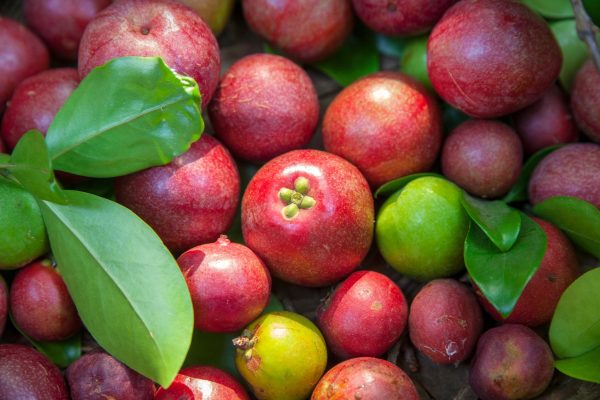
Kokum (Garcinia indica) called as the ‘The Kool King’ of Indian fruits flourishes in the dense forests of the Western Ghats of Maharashtra. Konkan kokum is a perennial fruit of commercial value that thrives in the scenic Ratnagiri and Sindhudurg districts.   According to the locals, Ratnagiri and Sindhudurg districts have about 43,000 centuries-old kokum... Continue Reading →

Swamimalai Bronze Icons of Tamil Nadu

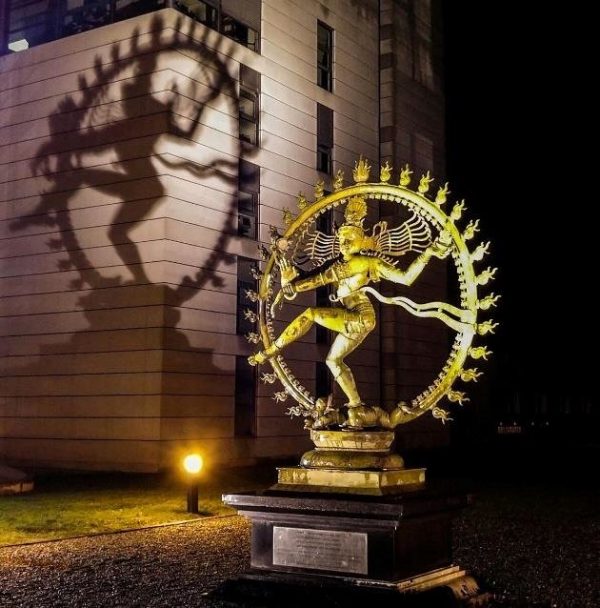
Shilpa Shastra, broadly classified as the ‘Science of Arts and Crafts’ is the supreme authority on the Chatushashti Kalas (Sixty-four arts) of the universe. The subject of Shilpa Shastra is dealt with at length in the Vedas, Puranas, Agamas and others scriptures and has been assiduously adopted by kings, craftsmen and patrons of art since time immemorial. This highly... Continue Reading →

Wooden Mask of Kushmandi, West Bengal

The quaint village of Mahisbathan in Kushmandi district in the heritage belt of Dakshin Dinajpur is famous for its unique wooden masks. The origin of this craft of mask making is unknown but the stylization, designs and motifs of the masks suggests a deep connection to their religious beliefs. These masks are an intrinsic part... Continue Reading →

Tulaipanji Rice of West Bengal
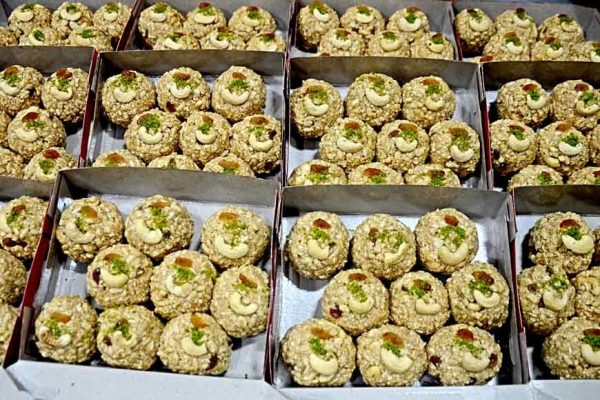
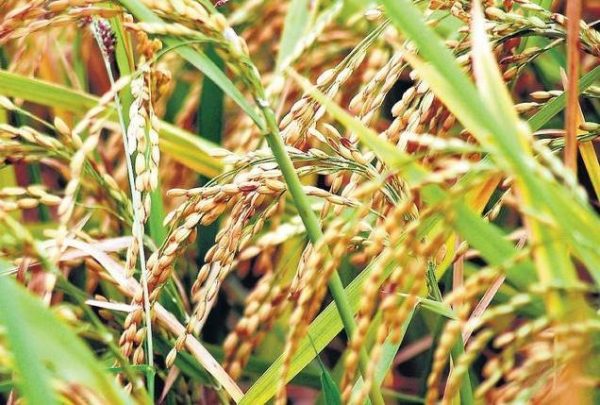
Dinajpur district in West Bengal is renowned for its indigenous rice diversity finding mention in many important scriptural texts dating back to 1100 CE One of the oldest native varieties found here is Tulaipanji or Tulai that has been cultivated for centuries with traditional methods. Folk songs glorifying this scented rice, its cultivation practices and... Continue Reading →

Joynagar Moa of West Bengal

The ancient city of Joynagar-Majilpur derives its name from the local goddess and presiding deity, Ma Joychandi and over time, came to be called Joychandinagar and then Joynagar. Joyangar is popularly known as 'the cradle of moa', a unique winter sweet that is placed in high esteem by Bengalis.   It is said that the... Continue Reading →

Create a website or blog at WordPress.com

Up ↑