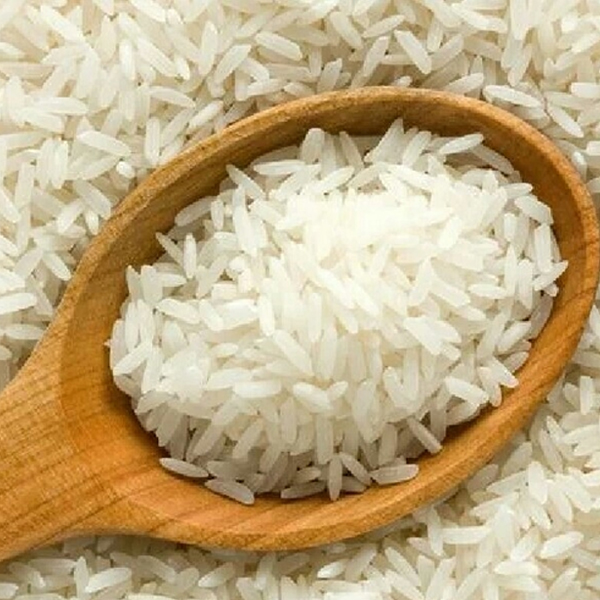
Kalanamak (‘Kala’ means black derived from the husk and the suffix ‘namak’ means salt) is one of the finest quality aromatic rice grown in India. This scented variety has been cultivated since 600 BC i.e., since and probably before the Buddhist era. It is also known as ‘Buddha rice’ as it is believed that Mahatma... Continue Reading →
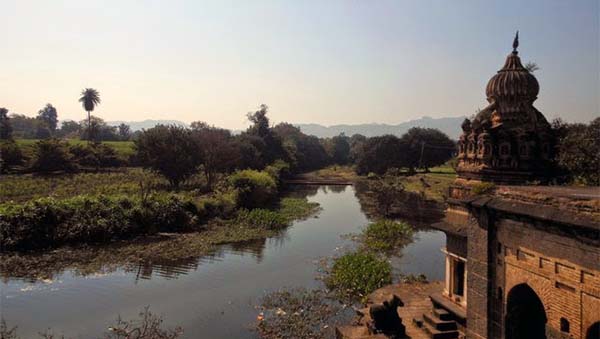
Sangameshwar Temple, Saswad, Maharashtra
The ancient Sangameshwar temple of Swayambhu Mahadev at the confluence of two rivers namely Karha and Chambali (Bhogwati) is situated in the historically significant city of Saswad in the state of Maharashtra. Saswad is known to be deeply entrenched in history, spirituality, religion, culture and architecture from time immemorial. It is believed that the... Continue Reading →
Kutumsar Caves and Kailash Cave in Kanger Valley National Park, Bastar, Chhattisgarh
Scientific research has shown that of the fourteen years in exile, Lord Rama spent twelve of them in the state of Chhattisgarh. Historians have painstakingly identified the journey from Ayodhya to Rameshwaram and then to Sri Lanka during which Lord Rama received education from many saints, ascetics and performed penance and this has been supported... Continue Reading →
Jeeraphool Rice of Chhattisgarh
Chhattisgarh, traditionally known as the rice bowl of India is home to over 20,000 varieties of indigenous rice. The somewhat wild types, cultivated types, aromatic and non-aromatic rice have a vast diverse presence throughout the state. Each district in Chhattisgarh has a unique aromatic rice variety that has been in existence for hundreds of years.... Continue Reading →