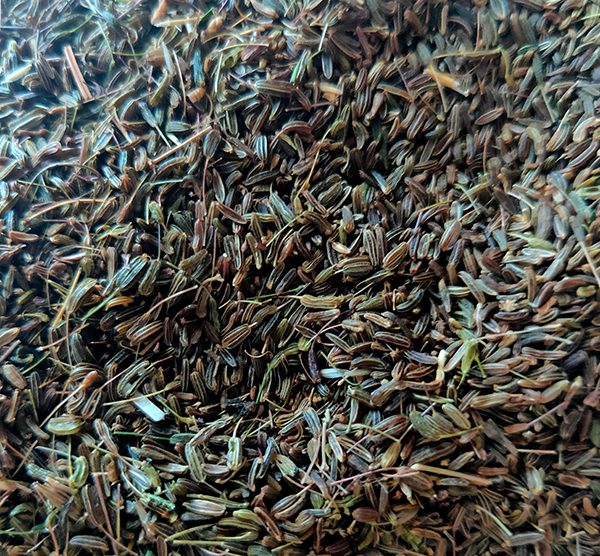
Himachali Kala Zeera or black cumin is one of the most economically important medicinal plant and spice that grows largely in Himachal Pradesh. Generally known to be found as a wild plant in the forests and grassy slopes of the North-Western Himalayas, kala zeera thrives in the high mountainous regions of Kinnaur, Kullu, Chamba, Shimla,... Continue Reading →
Kalanamak Rice of Uttar Pradesh
Kalanamak (‘Kala’ means black derived from the husk and the suffix ‘namak’ means salt) is one of the finest quality aromatic rice grown in India. This scented variety has been cultivated since 600 BC i.e., since and probably before the Buddhist era. It is also known as ‘Buddha rice’ as it is believed that Mahatma... Continue Reading →
Sangameshwar Temple, Saswad, Maharashtra
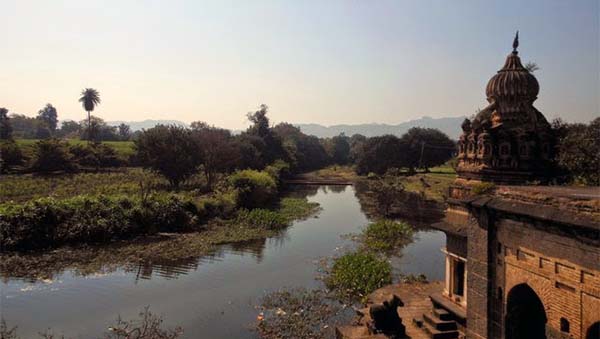
The ancient Sangameshwar temple of Swayambhu Mahadev at the confluence of two rivers namely Karha and Chambali (Bhogwati) is situated in the historically significant city of Saswad in the state of Maharashtra. Saswad is known to be deeply entrenched in history, spirituality, religion, culture and architecture from time immemorial. It is believed that the... Continue Reading →
Kutumsar Caves and Kailash Cave in Kanger Valley National Park, Bastar, Chhattisgarh
Scientific research has shown that of the fourteen years in exile, Lord Rama spent twelve of them in the state of Chhattisgarh. Historians have painstakingly identified the journey from Ayodhya to Rameshwaram and then to Sri Lanka during which Lord Rama received education from many saints, ascetics and performed penance and this has been supported... Continue Reading →
Gulbarga Tur Dal of Karnataka
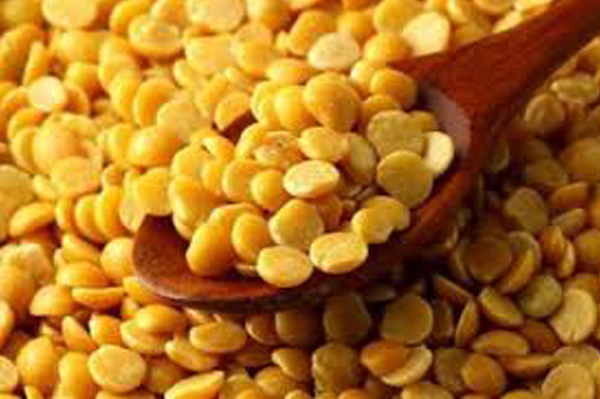
Gulbarga or Kalaburagi as it is known now is often called the ‘red gram bowl’ of Karnataka. Coined as the ‘land of tur dal’, Gulbarga accounts for the highest red gram production in Karnataka and roughly about a tenth of India’s total production. The tur dal or pigeon pea grown here is of superior quality... Continue Reading →