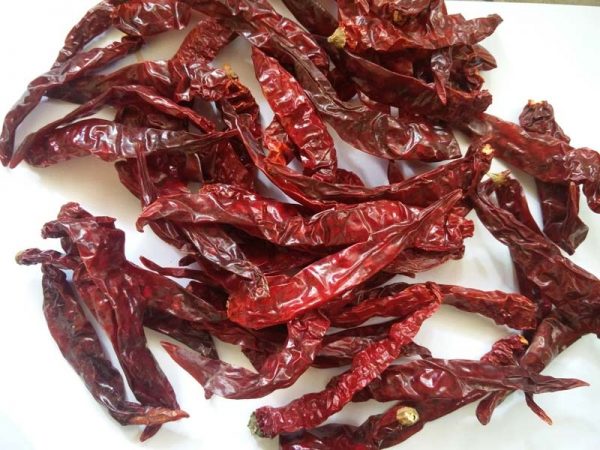
The Byadagi Chilli that is mainly grown in the districts of Dharwad, Haveri and Gadag in the state of Karnataka is famous for its essentially sweet and not spicy nature and its importance in the oleoresin industry. Byadagi chillies are fully wrinkled, long in size and have the highest level of dark red in the... Continue Reading →
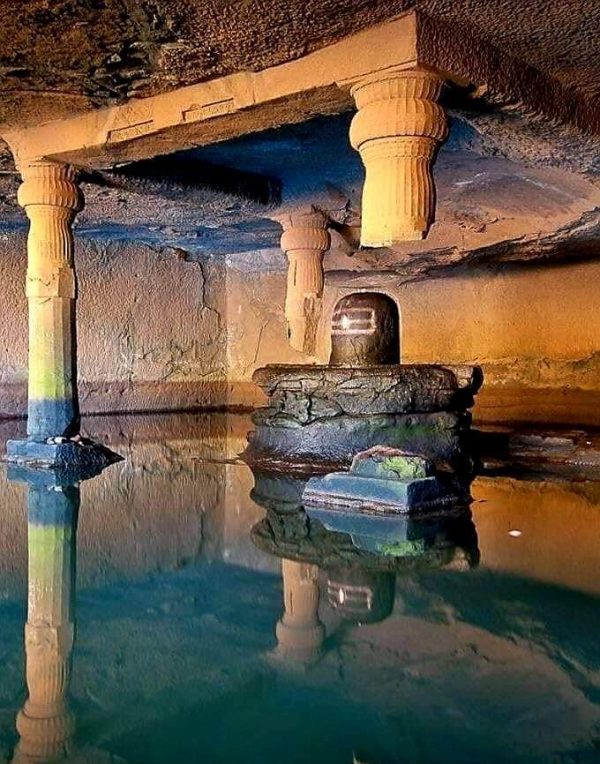
Kedareshwar Cave at Harishchandragad, Ahmednagar, Maharashtra
The ancient hill-fort of Harishchandragad located in Malshej Ghat in the district of Ahmednagar at about an altitude of 4,670 ft is a historical treasure chest. It is believed to have conclusive finds of microlith (chipped stone used as tools) used by man about 35,000-3,000 years ago in the Microlithic Age. This sacred place has... Continue Reading →
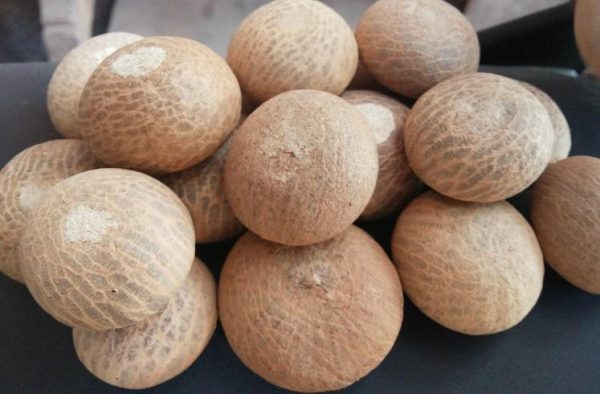
Sirsi Supari
Chewing areca nut or betel nut or 'supari' as it is commonly known has been prevalent for at least 2000 years if not more with its history being traced back to the Aryans. It is believed that areca nut or supari has been grown extensively since the Vedic period. One finds innumerable references of... Continue Reading →
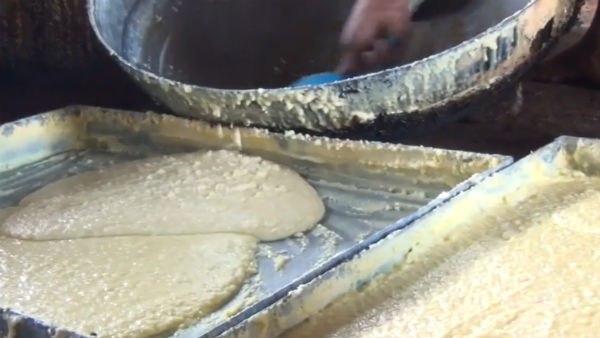
Srivilliputtur Palkova
Srivilliputtur is not only famous for Sri Aandal temple but also for the legendary 'palkova' - a sweet made from cow's milk and sugar. Locals say that it has been traditionally manufactured and sold since 1940 and is the main cottage industry of the Srivilliputtur area. The history of this delicious palkova can be... Continue Reading →
Himachali Chulli Oil
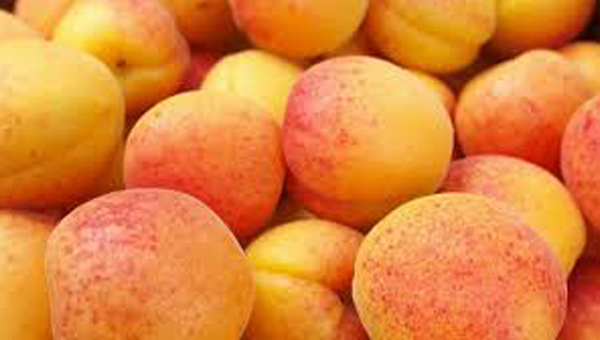
Even though chulli or wild apricot grows abundantly in the districts of Shimla, Kullu, Chamba, Sirmour, Kinnaur and Lahaul-Spiti of Himachal Pradesh, it is primarily identified with Kinnaur. Chulli oil or otherwise locally known as ‘Gutti ka tel’ is extracted from the kernels of wild apricots in almost all the households for domestic consumption. ... Continue Reading →
Magahi Paan
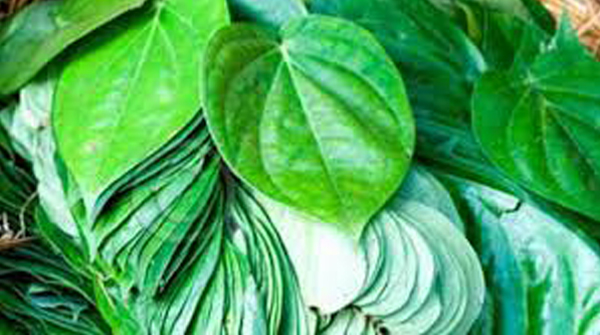
Paan ka patha or betel leaf has been inherent in the ancient culture of India where it features as an important symbolism in the lives of aristocrats as well as commoners. Its use in India dates back to 400 BC where ancient books of Ayurveda, Charaka, Sushruta and others mention the importance of chewing betel leaf... Continue Reading →
Tuti Jharna, Ramgarh, Jharkhand
The ancient Lord Shiva temple known as ‘Tuti Jharna’ meaning Broken Waterfall is situated in the picturesque Ramgarh in the state of Jharkhand. The discovery of this temple dates back to 1925 when the British were working on laying the railway line between Barkakana and Gomoh and hit upon the dome of the temple while digging.... Continue Reading →
Chak-hao of Manipur
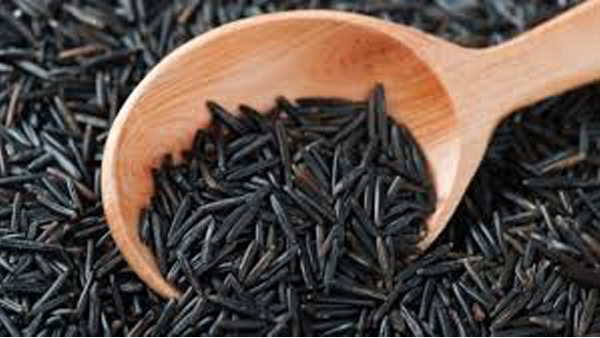
Chak-hao, an indigenous black rice has been cultivated in the plains and hills of Manipur and Nagaland for centuries. This scented glutinous rice has an intense dark purple-hued outer bran layer which almost looks black, a distinctive fragrance and taste. The two varieties of Chak-hao namely Chak-hao Poireiton and Chak-hao Ambui are used largely for... Continue Reading →
Gorakhpur Terracotta
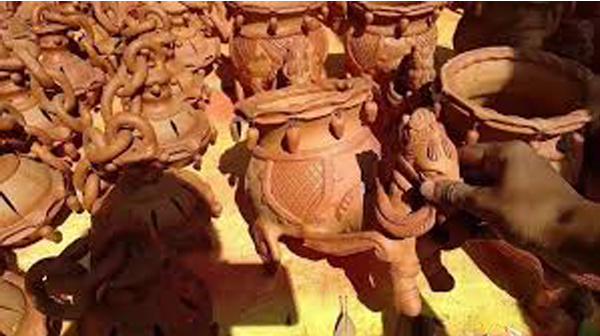
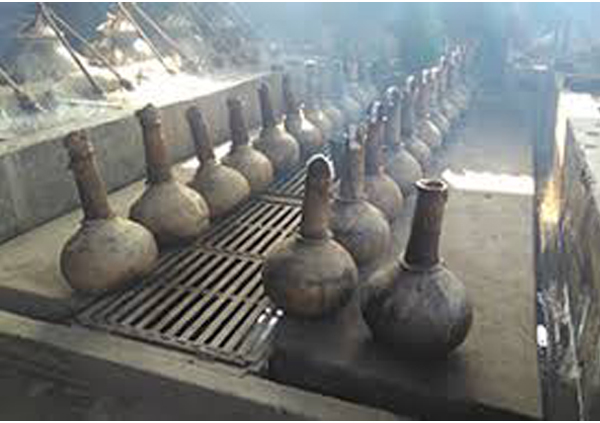
The highly acclaimed terracotta of Gorakhpur made from the special soil found in Bhathat area of Uttar Pradesh stands testimony to thousands of years of traditional art. The richness of this art seen in the different designs and types of bells, vases, Ganeshas, Buddhas, tables, elephants with mahouts, deer, horses, bullock carts, horse carts, lamps... Continue Reading →
Kanpur Saddlery
Roughly three hundred years ago (1800s), British officers living in Kanpur started the British India Corporation (BIC) in the ‘Harness Factory’ presently known as the ‘Ordnance Equipment Factory’ at Kanpur to cater to the needs of the British Army and Police. They taught local tanneries to make saddles for their horses, army boots and shoes.... Continue Reading →
Kannauj – Perfume capital of India
Strategically located on the banks of River Ganga, the city of Kannauj was once an important trading hub for Indian perfumes, spices and silks that were sent mainly to the countries in the Middle East. The city has a glorious history with its strong connections to the Ramayana and Mahabharat as well as being the... Continue Reading →
Meerut Scissors
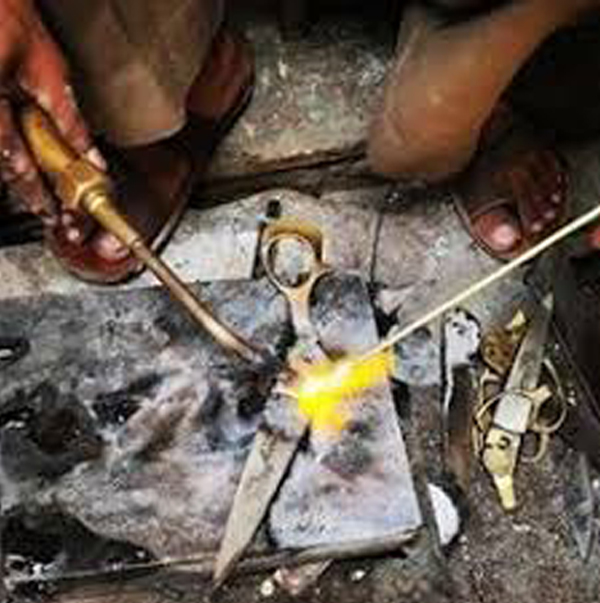
The vibrant city of Meerut with its rich history and culture is famous for its unique, inexpensive and one-of-a-kind scissors. The scissor manufacturing industry has been thriving in Meerut since the 17th century. Locals say that a resident blacksmith by the name of Akhunji combined two swords to cut leather in 1645 during the Mughal... Continue Reading →
Kodaikanal Malai Poondu
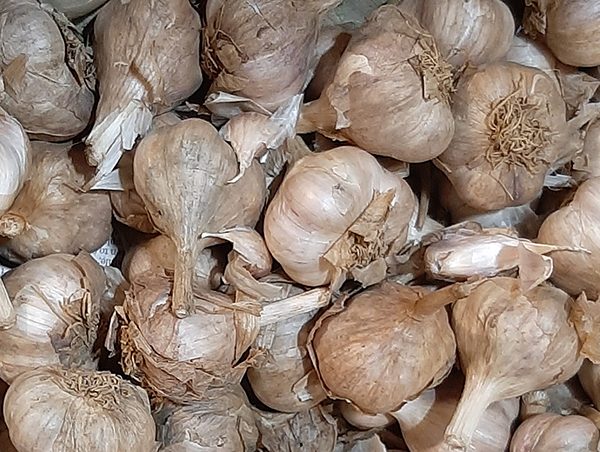
The picturesque Kodaikanal Hills in Dindigul district is famous for its lush greenery, ancient temples of Lord Murugan and of course, the exotic Kodaikanal Malai Poondu (Kodaikanal Hill Garlic). Also known as Melmalai Poondu, this centuries-old indigenous crop is known for its medicinal and preservative properties. The heady aroma and unique taste are attributed... Continue Reading →