Beed Custard Apple, Maharashtra
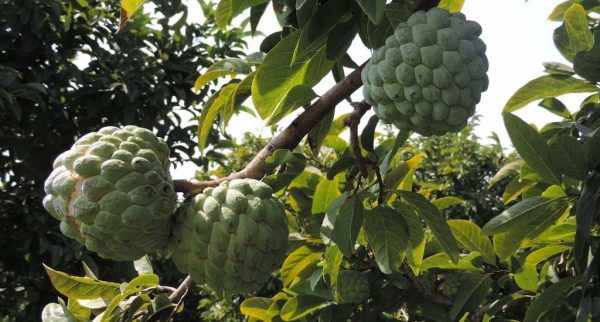
Beed’s most famous fruit, the deliciously sweet custard apple has been thriving in the dry Balaghat Range for more than four centuries. This organically grown fruit attributes its name to Sita Mata who used to eat this fruit during her exile. Sitaphal derives its name from the Sanskrit words śīta which means cold and phala which means fruit and custard apple... Continue Reading →

कंधमाल हल्दी (Kandhamal Haladi, Odisha)

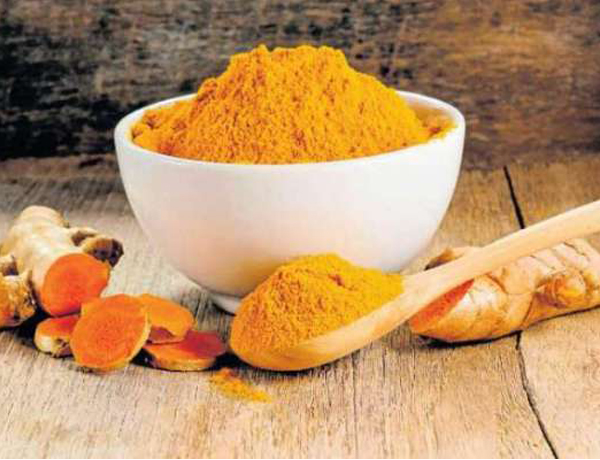
ओडिशा राज्य के दक्षिणी मध्य भाग में बसा कंधमालअपनी सुगंध से भरपूर हल्दी के लिए प्रसिद्ध है। इस स्थान पर हल्दी आदिवासियों द्वारा सदियों से उगाई जा रही है।   यहां का लगभग साठ से सत्तर प्रतिशत क्षेत्र पहाड़ी है और घने जंगलों से ढका हुआ है। जलवायु के हिसाब से, हल्दी के अलावा यह... Continue Reading →

Waghya Ghevada, Maharashtra

One of the most famous cash crops of Western Maharashtra is Waghya ghevada. Grown extensively in North Koregaon taluka of Satara district, this rajma was first cultivated in 1950 by the late Kashinath Mahajan who bought seeds of this variety from a trader in Pune. This variety soon became popular with the locals and was... Continue Reading →

Sindhudurg and Ratnagiri Kokum, Maharashtra

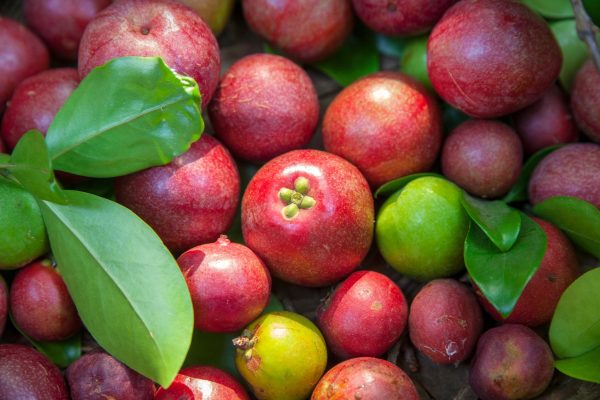
Kokum (Garcinia indica) called as the ‘The Kool King’ of Indian fruits flourishes in the dense forests of the Western Ghats of Maharashtra. Konkan kokum is a perennial fruit of commercial value that thrives in the scenic Ratnagiri and Sindhudurg districts.   According to the locals, Ratnagiri and Sindhudurg districts have about 43,000 centuries-old kokum... Continue Reading →

Tulaipanji Rice of West Bengal

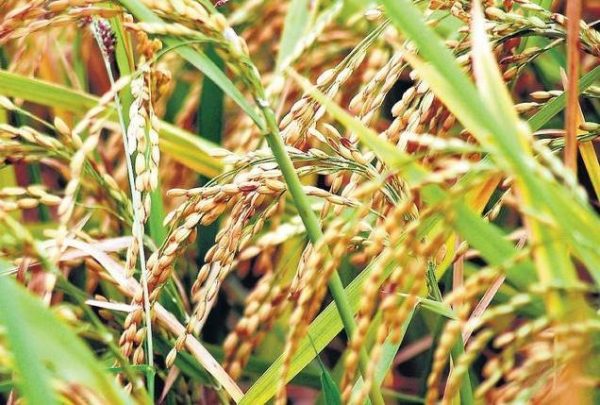
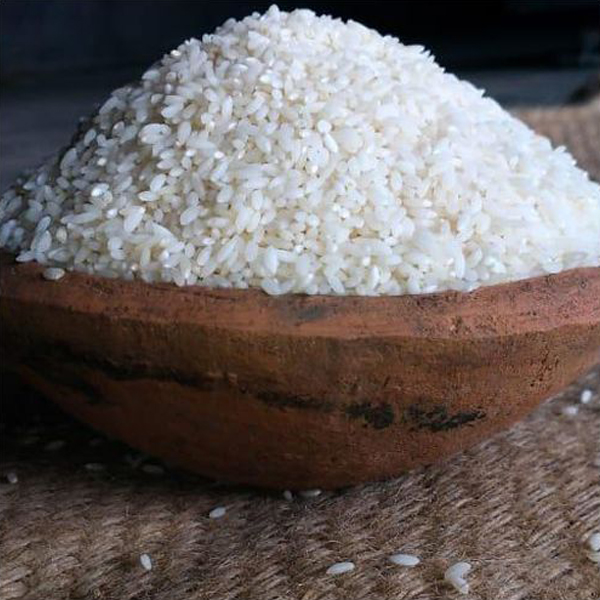
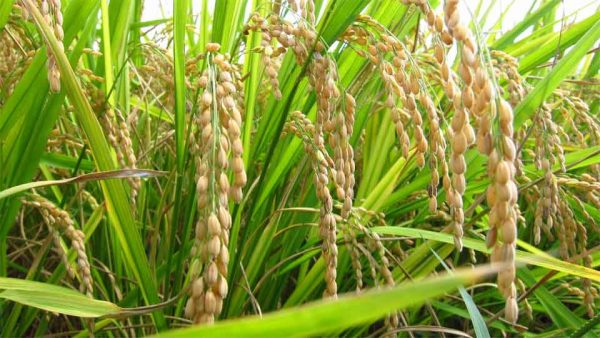
Dinajpur district in West Bengal is renowned for its indigenous rice diversity finding mention in many important scriptural texts dating back to 1100 CE One of the oldest native varieties found here is Tulaipanji or Tulai that has been cultivated for centuries with traditional methods. Folk songs glorifying this scented rice, its cultivation practices and... Continue Reading →

Joynagar Moa of West Bengal

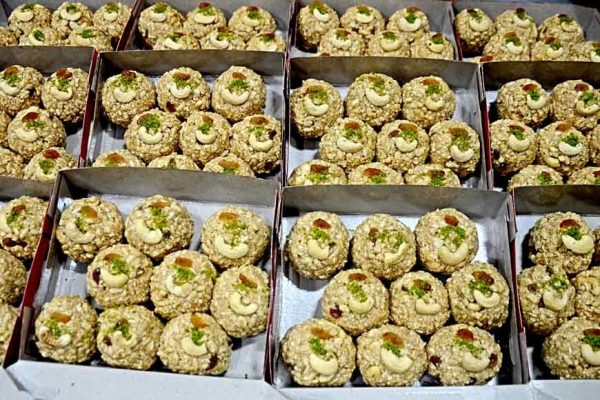
The ancient city of Joynagar-Majilpur derives its name from the local goddess and presiding deity, Ma Joychandi and over time, came to be called Joychandinagar and then Joynagar. Joyangar is popularly known as 'the cradle of moa', a unique winter sweet that is placed in high esteem by Bengalis.   It is said that the... Continue Reading →

श्रीविल्लिपुत्तूर का पालखोवा (Srivilliputtur Palkova, Virudhunagar District, Tamil Nadu)

श्रीविल्लिपुत्तूर ना केवल आण्डाल मंदिर के लिए प्रसिद्ध है, बल्कि दूध से बनी एक खास मिठाई के लिए भी प्रसिद्ध है जिसे स्थानीय भाषा में पालखोवा कहते है। तमिल भाषा में 'पाल' का अर्थ होता है 'दूध'। यह केवल गाय का दूध और शक्कर के मिश्रण से बनाई जाती है। स्थानीय निवासियों का कहना है... Continue Reading →

Bardhaman Sitabhog of West Bengal

The lip-smacking Sitabhog served with nikhuti (tiny gulab jamuns) will assuredly send you to a heavenly place! This century-old sweet of Bardhaman along with Mihidana is an invention of the late Khettranath Nag. The city of Bardhaman derives its name from Mahavira or Vardhaman Swami (around the 6th century B.C.E.) and is famous for its... Continue Reading →

कोविलपट्टी की कडलै मिठाई (Kovilpatti Kadalai Mittai, Tamil Nadu)

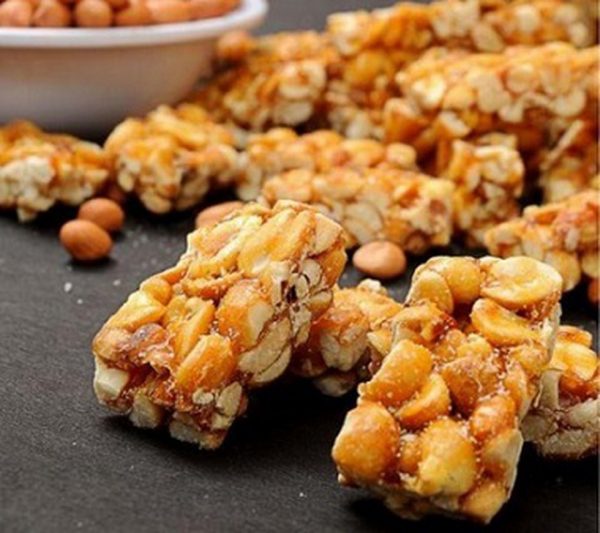
१९४० के दशक में पोनाम्बला नादर नामक, एक समृद्ध किराने की दुकान के मालिक ने, परंपरागत तरीके से बनाई जाने वाली खजूर के गुड़ और मूंगफली की कडलै मिठाई को एक नया रूप देने के लिए गन्ने के गुड़ और मूंगफली से बनाने का निश्चय किया। स्थानीय लोगों का कहना है कि दशकों से कोविलपट्टी... Continue Reading →

Bardhaman Mihidana of West Bengal

The delectable Bardhaman Mihidana that literally means fine grains was first prepared along with Sitabhog in honour of Maharaja Mahtab Chand Bahadur by the late Khettranath Nag according to his grandson, the late Nagendranath Nag. Seventy-two years later, both these dishes were served to Lord Curzon in 1904 when he visited Bardhaman on the invitation... Continue Reading →

गुजरात का भलिया गेहूं (Bhalia Wheat, Gujarat)

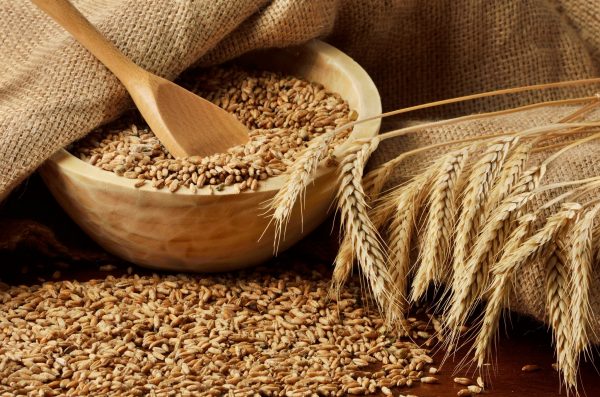
गुजरात के स्थानीय निवासियों का मानना है कि भाल नामक क्षेत्र में बड़े पैमाने पर उगाए जाने वाले गेहूं का नाम संस्कृत के शब्द भाल के ऊपर पड़ा है, जिसका अर्थ है 'मस्तक', ऐसा इसलिए है क्योकि यह क्षेत्र भी मस्तक के समान सपाट दिखता है। यह सुनने में अजीब लगता है, परन्तु वास्तव में... Continue Reading →

Mangalwedha Jowar of Maharashtra

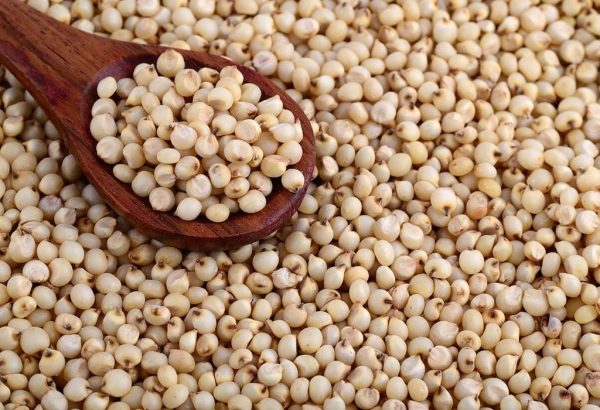
Popularly known as the 'Land of Saints', Mangalwedha taluka in Solapur district is renowned for its culture, heritage and agricultural produce. Traditional crops like sorghum, bajra, groundnuts, corn and sugarcane cultivated in this historical place has been famous for centuries. The local variety of jowar known as Maldandi jowar has been cultivated here for at... Continue Reading →

Mahoba Desawari Paan of Uttar Pradesh

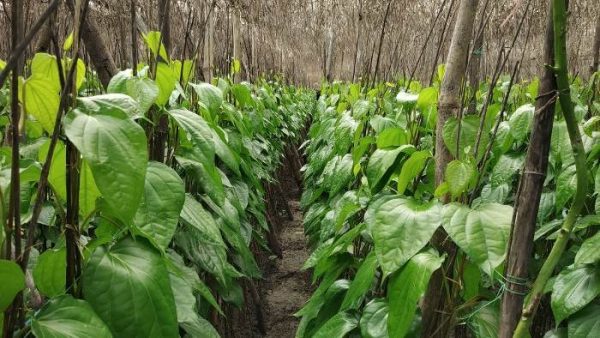
The historical city of Mahoba in Bundelkhand, once known as Mahotsav Nagar was the stronghold of the Chandelas and Pratiharas. In the ninth century, the Chandela king ordered a betel vine from Udaipur - Banswara in Rajasthan and planted it in the western part of Gorakhgiri. The westerly and southerly winds at Bundelkhand are warmer... Continue Reading →

उत्तर प्रदेश का कालानमक चावल (Kalanamak Rice, Uttar Pradesh)

"कालानमक" जी हां, ये चावल की एक खास किस्म का नाम है, जो पूर्वी उत्तर प्रदेश के तराई क्षेत्रों में उपजाया जाता है। इसके ऊपर की भूसी काले रंग की होती है और साथ में नमक प्रत्यय क्यों जोड़ा यह तो हमारे पूर्वज बताने के लिए हैं नहीं। बहरहाल, आपको जानकर आश्चर्य होगा कि बेहद... Continue Reading →

Jalgaon Brinjal of Maharashtra

Jalgaon located in Khandesh in Maharashtra is popularly known as the 'City of Brinjals'. Light green brinjals from Jalgaon district comprising of fifteen talukas of Jalgaon, Jamner, Erandol, Dharangaon, Bhusaval, Bodwad, Yawal, Raver, Muktainagar, Amalner, Chopda, Parola, Pachora, Chalisgaon and Bhadgaon are used for preparing the famous Khandeshi vangyache bharit. Locals say that brinjals are... Continue Reading →

Harmal Chilli of Goa

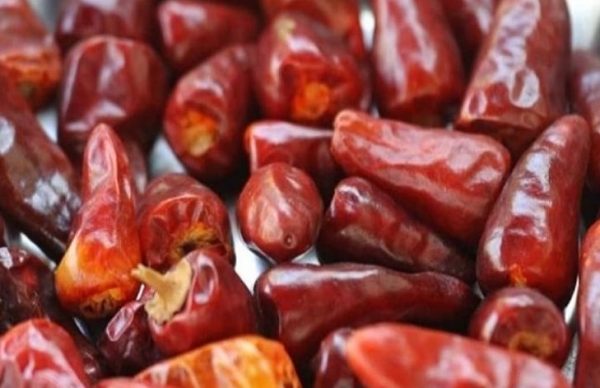
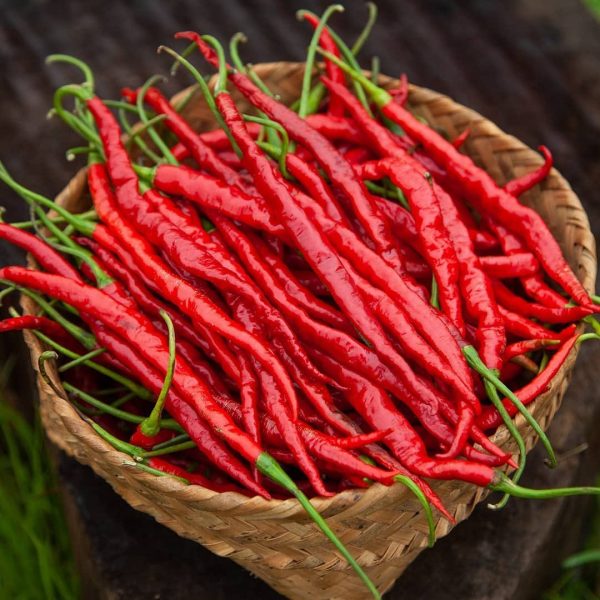
The famed Harmal chilli derives its name from the area of cultivation, Harmal which is a coastal village in the Pernem taluk in North Goa district. Elders in the village say that this chilli has been grown extensively in the traditional way for about 150 - 200 years. Each and every household is in some... Continue Reading →

Kanyakumari Cloves

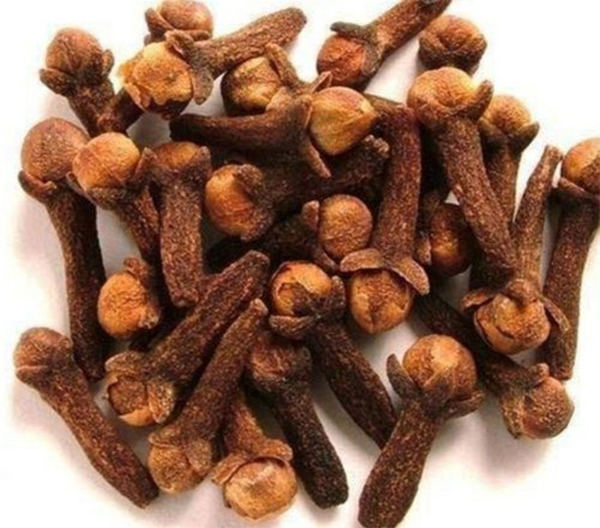
Tamil Nadu is the largest producer of clove in the country with Kanyakumari district contributing a sizeable portion to the total production.  Clove was introduced in India around the 1800s by the East India Company in its spice garden in Courtallam. The dense wooded areas of Maramalai, Karumparai and Vellimalai in the Western Ghats of... Continue Reading →

बिहार का गोविंद भोग और कटारनी चावल (Govind Bhog Rice and Katarni Rice of Bihar)

बिहार का सुप्रसिद्ध चावल “गोविंद भोग” जैसा कि इसके नाम से ही पता चलता है, भगवान गोविंदा का भोग बनाने के लिए उपयोग में लाई जाने वाली मुख्य सामग्री है। बिहार के कैमूर ज़िले में इसकी खेती किए जाने के पीछे एक बड़ा ही रोचक इतिहास है।   मोकरी गाँव जो कि कैमूर जिले की... Continue Reading →

Sangli Turmeric of Maharashtra

Sangli located in the western part of Maharashtra is considered to be the largest and most important trading centre for turmeric in Asia. Popularly known as the 'Saffron City', Sangli has been cultivating its world-famous turmeric since the 1900s. It is said that large quantities of Sangli turmeric used to be exported through the Rajapur... Continue Reading →

Hathei Chilli of Manipur

Hathei chilli or umoruk as it is called in the local dialect is considered to be God's gift and the pride of Ukhrul for the people of Sirarakhong. This special chilli along with the seven other organically grown varieties of chilli in Manipur have been cultivated for generations. Hathei chilli thrives only in the Mahadev... Continue Reading →

Rataul Mango of Uttar Pradesh

The Rataul mango was discovered by the renowned mango aficionado, Sheikh Mohammed Afaq Faridi (grandson of the late Abdur Razzak who cultivated the first mangoes in Rataul in the late 1800s) while taking a stroll in a farm. Sheikh Mohammed Afaq Faridi was so passionate about mangoes that he could tell the variety just by... Continue Reading →

Naga Cucumber

Cucumber is said to have been cultivated by many indigenous communities in India for more than 3,000 years. Cucumber has been grown by tribals in Nagaland for centuries. It is one of the most important crops of the North Eastern states and Nagaland ranks fifth in area under cultivation and third in production.   The... Continue Reading →

Munsyari Rajma of Uttarakhand

The famed Munsyari rajma derives its name from Munsyari, situated at the entrance of Johar valley (used to be an important trade route with Tibet in ancient times) in Uttarakhand at an altitude of 7,200 feet. Munsyari rajma or rajmash as it is popularly known is a valuable cash crop grown in North Western Himalayan... Continue Reading →

Create a website or blog at WordPress.com

Up ↑