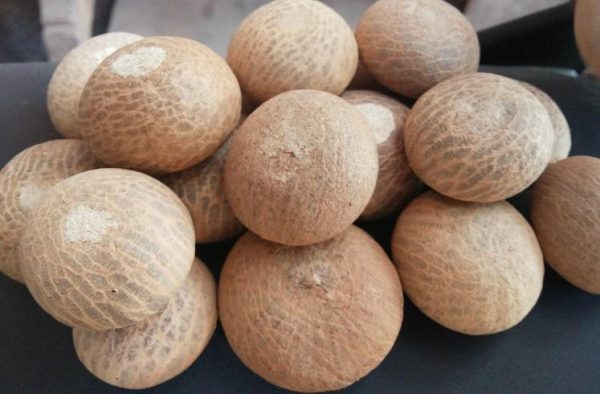
Chewing areca nut or betel nut or 'supari' as it is commonly known has been prevalent for at least 2000 years if not more with its history being traced back to the Aryans. It is believed that areca nut or supari has been grown extensively since the Vedic period. One finds innumerable references of... Continue Reading →
Srivilliputtur Palkova
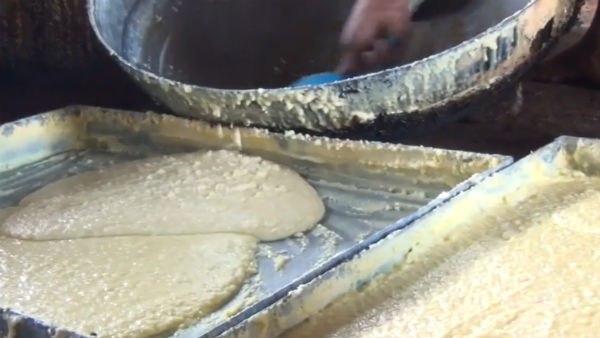
Srivilliputtur is not only famous for Sri Aandal temple but also for the legendary 'palkova' - a sweet made from cow's milk and sugar. Locals say that it has been traditionally manufactured and sold since 1940 and is the main cottage industry of the Srivilliputtur area. The history of this delicious palkova can be... Continue Reading →
Himachali Chulli Oil
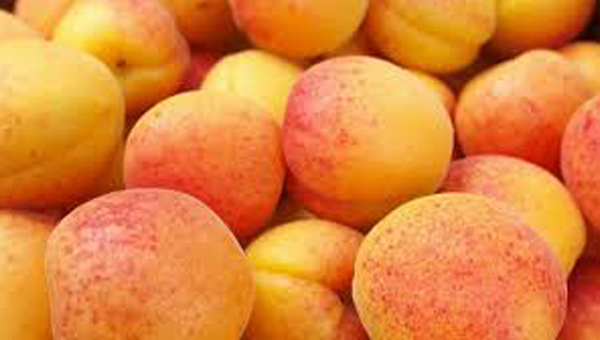
Even though chulli or wild apricot grows abundantly in the districts of Shimla, Kullu, Chamba, Sirmour, Kinnaur and Lahaul-Spiti of Himachal Pradesh, it is primarily identified with Kinnaur. Chulli oil or otherwise locally known as ‘Gutti ka tel’ is extracted from the kernels of wild apricots in almost all the households for domestic consumption. ... Continue Reading →
Magahi Paan
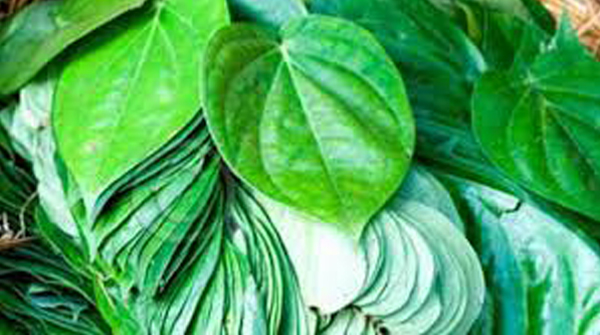
Paan ka patha or betel leaf has been inherent in the ancient culture of India where it features as an important symbolism in the lives of aristocrats as well as commoners. Its use in India dates back to 400 BC where ancient books of Ayurveda, Charaka, Sushruta and others mention the importance of chewing betel leaf... Continue Reading →
Tuti Jharna, Ramgarh, Jharkhand
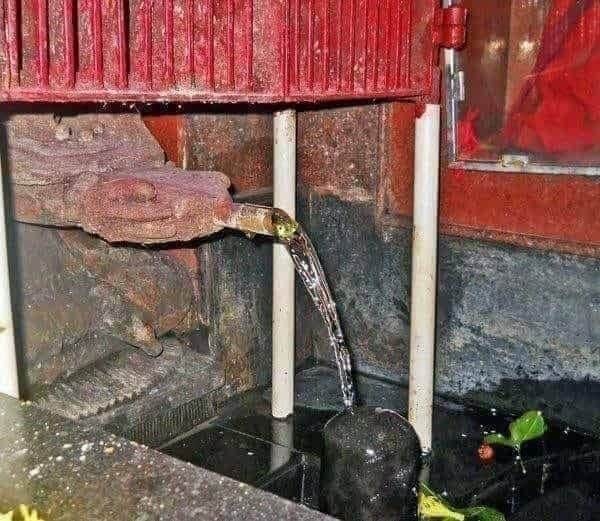
The ancient Lord Shiva temple known as ‘Tuti Jharna’ meaning Broken Waterfall is situated in the picturesque Ramgarh in the state of Jharkhand. The discovery of this temple dates back to 1925 when the British were working on laying the railway line between Barkakana and Gomoh and hit upon the dome of the temple while digging.... Continue Reading →
Chak-hao of Manipur
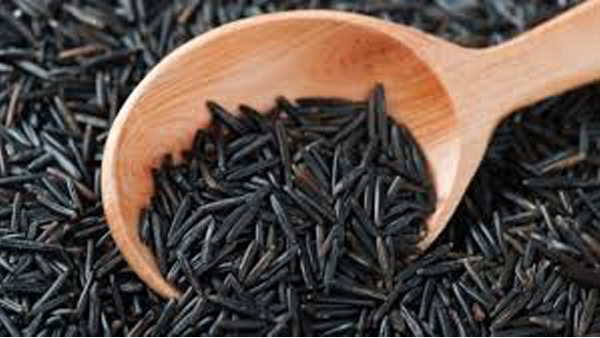
Chak-hao, an indigenous black rice has been cultivated in the plains and hills of Manipur and Nagaland for centuries. This scented glutinous rice has an intense dark purple-hued outer bran layer which almost looks black, a distinctive fragrance and taste. The two varieties of Chak-hao namely Chak-hao Poireiton and Chak-hao Ambui are used largely for... Continue Reading →
Gorakhpur Terracotta
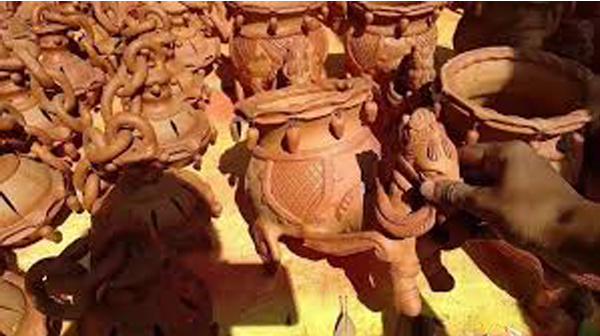
The highly acclaimed terracotta of Gorakhpur made from the special soil found in Bhathat area of Uttar Pradesh stands testimony to thousands of years of traditional art. The richness of this art seen in the different designs and types of bells, vases, Ganeshas, Buddhas, tables, elephants with mahouts, deer, horses, bullock carts, horse carts, lamps... Continue Reading →
Kanpur Saddlery
Roughly three hundred years ago (1800s), British officers living in Kanpur started the British India Corporation (BIC) in the ‘Harness Factory’ presently known as the ‘Ordnance Equipment Factory’ at Kanpur to cater to the needs of the British Army and Police. They taught local tanneries to make saddles for their horses, army boots and shoes.... Continue Reading →
Kannauj – Perfume capital of India
Strategically located on the banks of River Ganga, the city of Kannauj was once an important trading hub for Indian perfumes, spices and silks that were sent mainly to the countries in the Middle East. The city has a glorious history with its strong connections to the Ramayana and Mahabharat as well as being the... Continue Reading →
Meerut Scissors
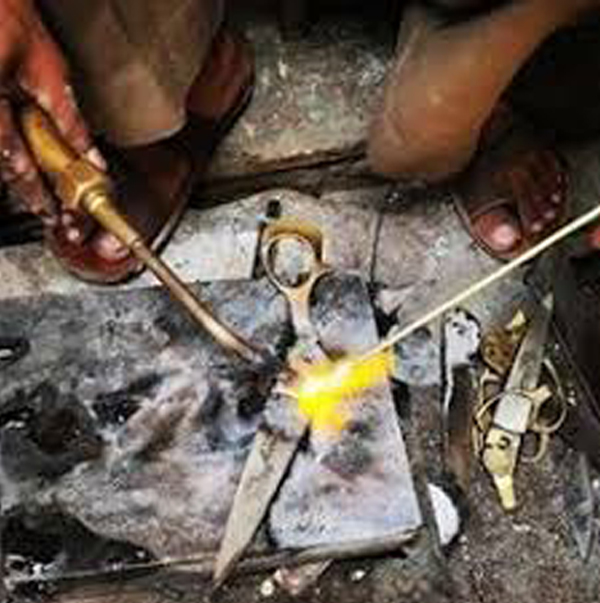
The vibrant city of Meerut with its rich history and culture is famous for its unique, inexpensive and one-of-a-kind scissors. The scissor manufacturing industry has been thriving in Meerut since the 17th century. Locals say that a resident blacksmith by the name of Akhunji combined two swords to cut leather in 1645 during the Mughal... Continue Reading →
Kodaikanal Malai Poondu
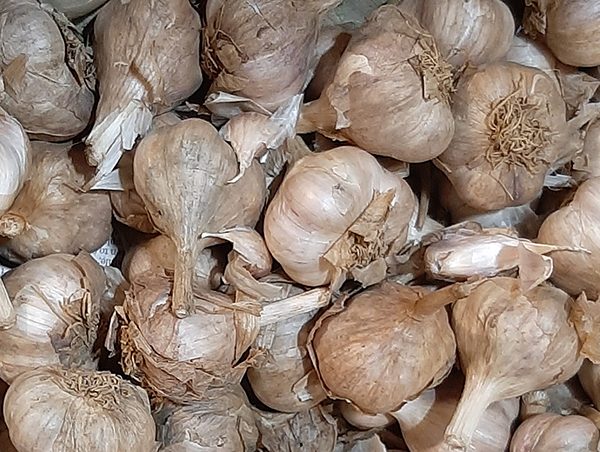
The picturesque Kodaikanal Hills in Dindigul district is famous for its lush greenery, ancient temples of Lord Murugan and of course, the exotic Kodaikanal Malai Poondu (Kodaikanal Hill Garlic). Also known as Melmalai Poondu, this centuries-old indigenous crop is known for its medicinal and preservative properties. The heady aroma and unique taste are attributed... Continue Reading →
Govind Bhog Rice and Katarni Rice of Bihar
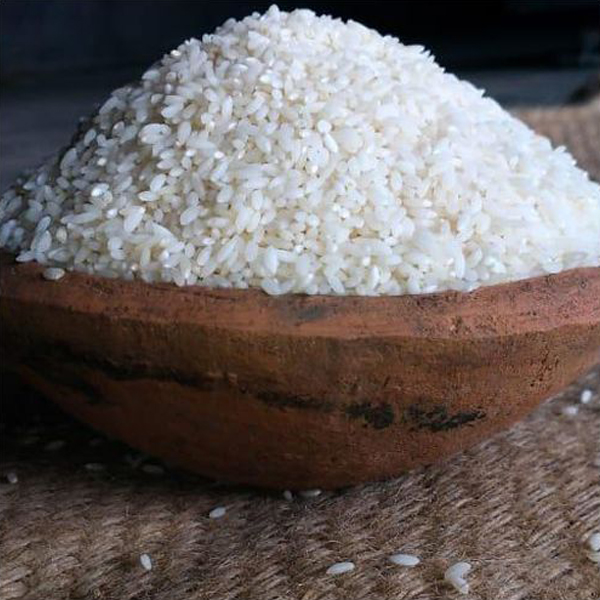
The legendary Govind Bhog rice that derives its name from its usage as the main ingredient in the preparation of offerings to Lord Govinda has a very interesting history behind its cultivation in the Kaimur district of Bihar. Mokri village that is situated under the Maa Mundeshwari hill of Kaimur district of Bihar is... Continue Reading →
Meenakaari – An Ancient Indian Jewellery Tradition
The word ‘meenakaari’ is derived from the Persian word mina or minoo, which means ‘heaven or paradise’ and kaari means “to do” and together it means to put or place paradise in an object. The history of meenakaari can be traced back to the Sassanid period in Persia where a few notes have been made... Continue Reading →
Jantar Mantar at Jaipur – An Astronomical Observation Site
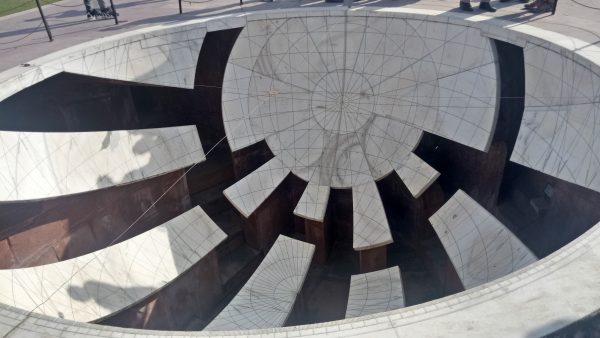
Jantar Mantar literally means “instruments for measuring the heavens” and indeed, what an outstanding testimony of the scientific and technical conceptions of time and space it is! Jantar Mantar in Jaipur is the largest, best preserved, fully functional and most complete of the five observatories built by Maharaja Sawai Jai Singh II and boasts... Continue Reading →
Anandilal Poddar Haveli, Nawalgarh – Rich Grandeur and Splendour of the Rajput era
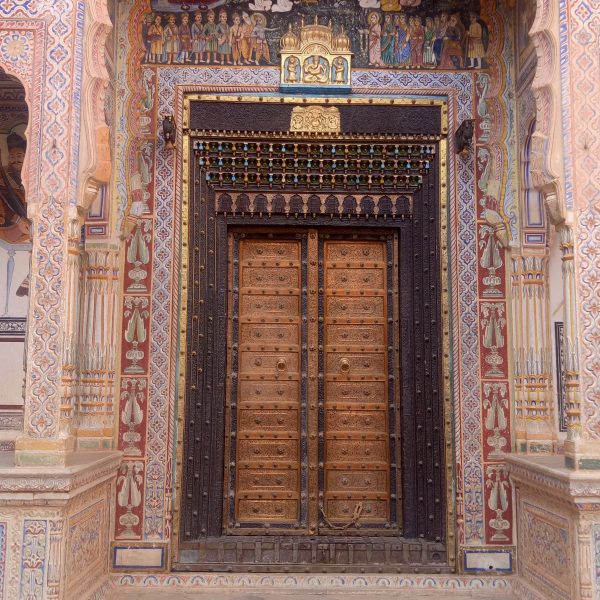
Nawalgarh, considered to be one of the most modern towns of Shekhawati in Rajasthan is famous for its frescoes and havelis and is also the motherland of some of the great business families of India. A walk around Nawalgarh will give you a glimpse of the opulent lifestyle of the wealthy merchants, the staggering wealth seen... Continue Reading →
Jamjir Falls – A Divine Cascade
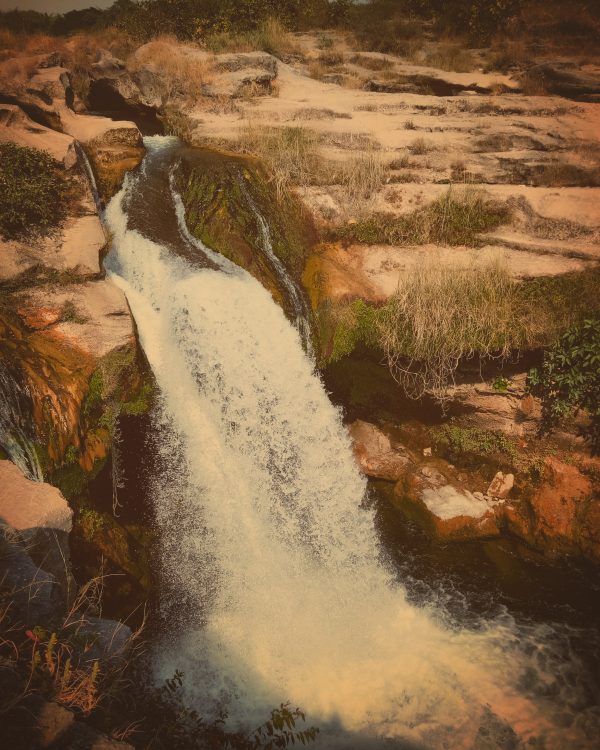
Jamjir Falls on the Singoda River makes for an idyllic setting to sketch or paint a watercolour or relax and take in the scenic spectacle in the famous Sasan Gir Forest. This well-hidden picturesque locale is for those who love the off-beat. You can see the water ravines and the thick wooded areas as you... Continue Reading →
Vaishnava Jana To – Decoding Narsinh Mehta’s crown jewel
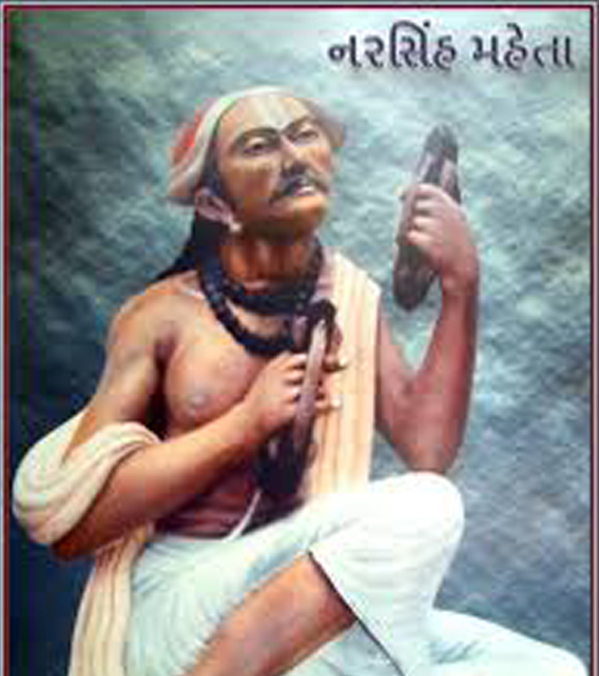
"Vaiṣṇava jana to tene kahiye je pīḍa parāyī jāṇe re, para duḥkhe upakāra kare to ye mana abhimāna na āṇe re Call those people Vaishnav who Feel the pain of others, Help those who are in misery, But never let self-conceit enter their mind. sakaḷa loka māṁ sahune vande, nindā na kare kenī re,... Continue Reading →
Sheesh Mahal of Amber Fort – Stars in the Day!
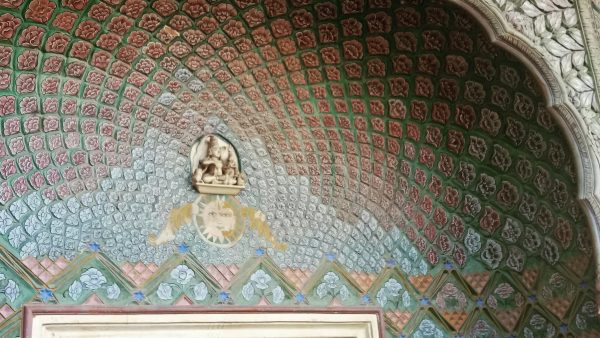
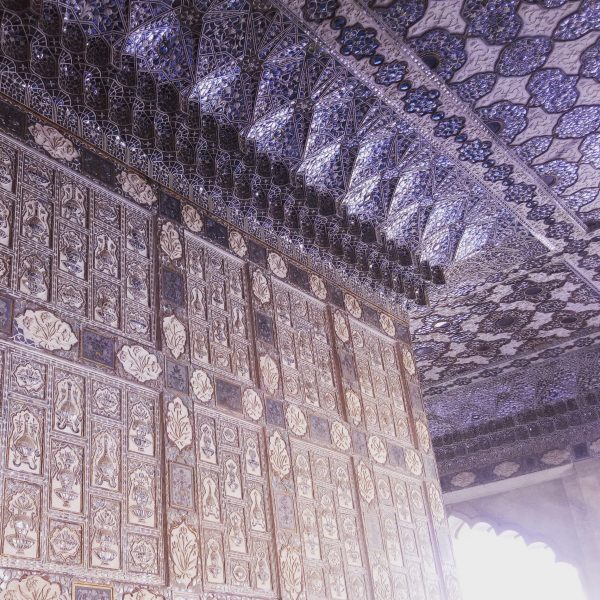
Sheesh Mahal or the Mirror Palace in the Amber Fort in Jaipur as it is known is an outstanding example of innovation, illusion, craftsmanship, detailing, architecture, art and construction technique so progressive for the 16th century that it leaves one gasping with awe and shock on first glimpse. Locals and history books say that... Continue Reading →
Naida Caves – A labyrinth of underground caves
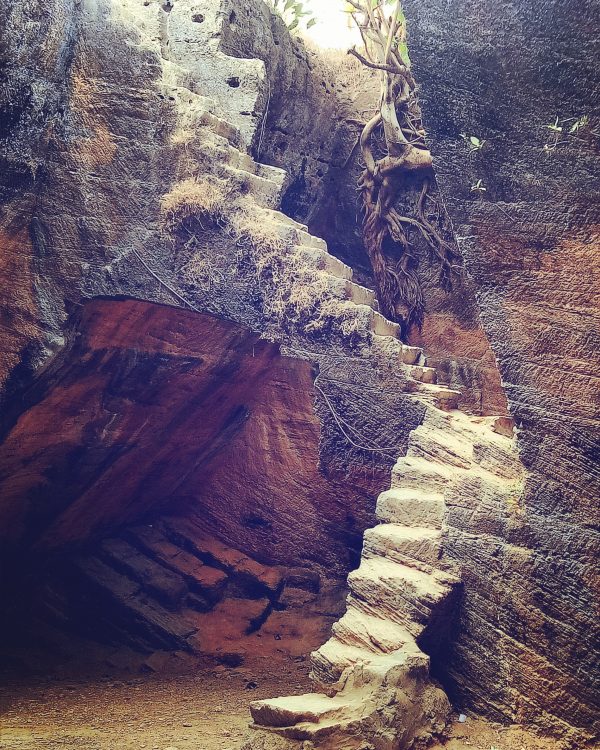
Located in the picturesque Union Territory of Diu, Naida Caves that is just outside the city wall of the Diu Fort is a bit of a geological conundrum. No one seems to have a clear idea about the origin of the caves. Locals say that sections of this impressive rock formation were broken by the... Continue Reading →
Endarō mahānubhāvulu – Decoding Saint Tyāgarāja’s Pancharatna kritis
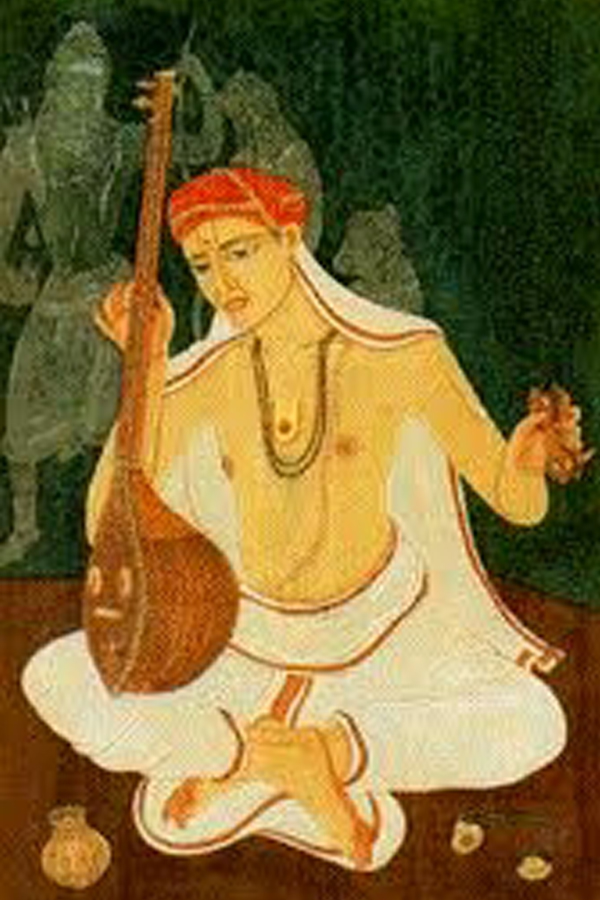
"Endarō mahānubhāvulu - Salutations to all the Mahātmas in this world" is undoubtedly one of the most iconic and revered musical compositions. The lyrical masterpiece when sung and heard with utmost faith and devotion is enthralling and brings tears of joy in one's eyes. The glorious splendour of Sri Rama described in admiration and... Continue Reading →
Bikaner – A Street Food Paradise
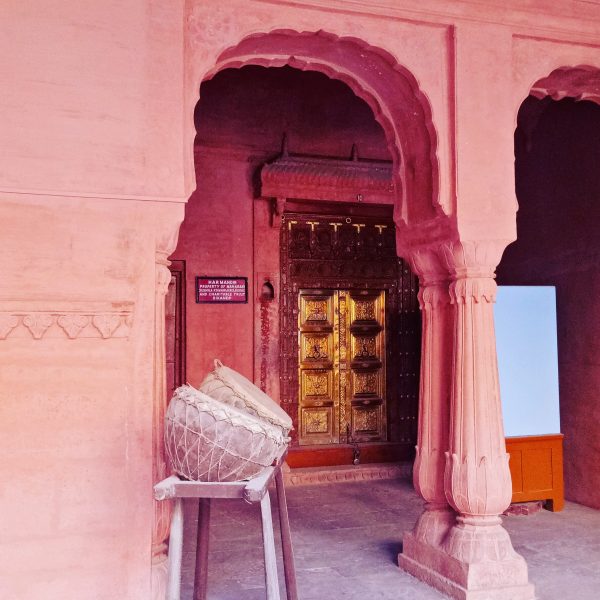
Bikaner is a land of staggering wealth, beauty, music, culture and food so unique that it will surely send you to a heavenly world for a few hours at least! Bikaner, situated in the middle of the Thar desert is a princely state since about the 15th century. What is quite remarkable is the staunch... Continue Reading →
Langza – A Treasure For Tethys Sea Fossils
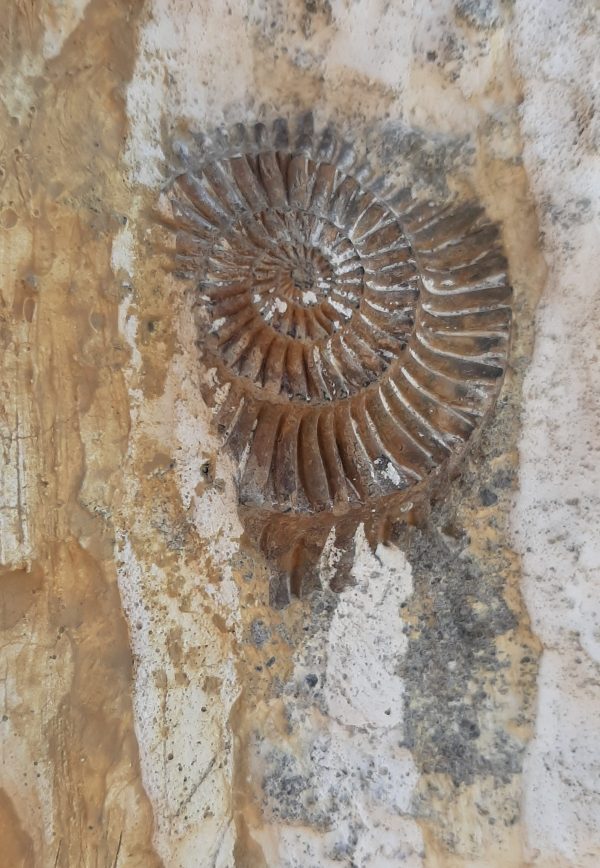
Langza at an elevation of 14,500 feet is commonly known as the "Fossil Village" in the brutally stark cold desert mountain valley of Spiti devoid of vegetative cover. The treacherous roads of Manali through Rohtang Pass to reach Langza is definitely not for the faint-hearted. The bad roads with almost blind corners with no barriers... Continue Reading →