
Uthukuli, a largely barren land dependent on rain – fed agriculture is home to several dairy units that have been producing high – quality butter and ghee for decades. This town is located a few kilometres from Tiruppur, the garment export hub of the country.
Locals say that their rise to fame came during the British Raj when passing trains used to stop over at Uthukuli for a few minutes. Fresh buttermilk and curds were accepted gratefully by the thirsty passengers.
This led to brisk business and brought more curious customers to this small town from the surrounding princely provinces. Their butter and ghee proved to be a tremendous success and was bought by vendors from across the Deccan as it could be kept for three months at room temperature.
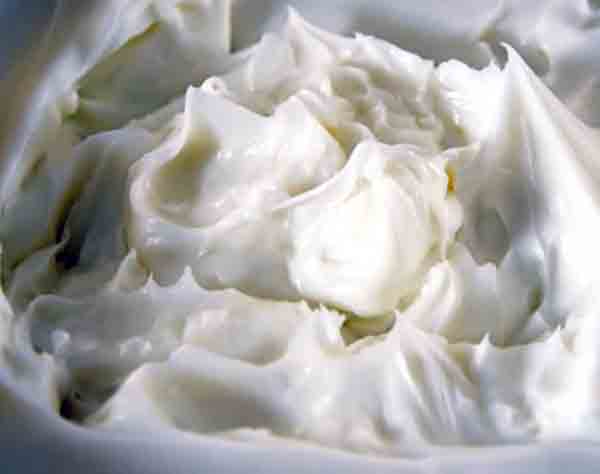
This butter’s uniqueness lies in its non – glossy texture, slightly sour taste and long shelf life that is attributed to the fodder and creaminess of the buffalo milk. The buffaloes are mainly fed sorghum straw and drought – resistant grass like kolukattai pul.
Farmers say that the feed makes the milk richer than the regular cow’s milk and therefore, the butter and ghee have higher fat content. The dairy units today have managed to infuse modern machinery and technology to their age – old practices to maximize their output.
Fresh milk cream is supplied by dairy farmers from the neighbouring villages to the dairy units. The milk cream is put into the stainless – steel barrel with a little water. As the barrel rotates, it separates the buttermilk from the cream.
The butter begins to settle on the top, is carefully scooped out, placed in a rectangular wooden table and slightly whipped to remove the excess water. It is then placed in the specific containers and sent to the local markets.
A kg of cream is extracted from 10 litres of buffalo milk while 10 kg of cream will give you approximately 8 kg of butter. This butter is in great demand in the nearby markets within the state and now across the country.
Written by Lakshmi Subramanian
 sahasa.in