
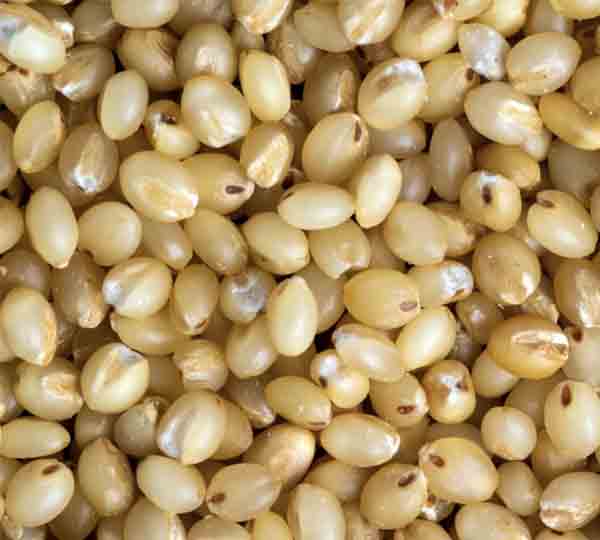
It is perhaps not known to many that the humble Foxtail millet is not only one of the oldest grains in the universe but also finds mention in several Hindu texts as one of the grains offered in the yagnas in the ancient times. Archaeological excavations have also revealed that the oldest civilizations cultivated Foxtail millet along with others.
Tamil Nadu in particular has been cultivating Foxtail millet known locally as thinai since the olden times. The nutritional, medicinal and healing properties of thinai has been described in detail in many Tamizh literary works written over the years.
A hugely popular indigenous grain, thinai in the gruel form is best enjoyed in the scorching summer. There are many variations of this traditional millet porridge or kanji that is partaken during the day and serves as the perfect natural coolant and energy booster in the blistering heat. Thinai is rich in dietary fibre, iron, calcium and Vitamin B6 and B9.
A couple of measures of thinai is first washed, cleaned thoroughly and soaked for at least 30 minutes. Urad dal or moong dal is dry roasted and soaked in water for a few minutes. Coconut, a few almonds and garlic are ground into a fine paste.
The thinai is added to the urad dal or moong dal along with the ground paste, fenugreek seeds, salt and water. This is then pressure cooked.
The thinai and dal mixture must be soft and mushy. It is gently mashed and a little hot water is added for a smooth consistency. It is enjoyed best with kara thuvayal (thogayal) or pickle.
Some people prefer to cook the thinai in the pressure cooker with garlic, curry leaves, cumin seeds, salt and lots of water. Milk or freshly extracted coconut milk or buttermilk can be added for a smooth consistency while eating along with a sprinkle of black pepper.
Written by Lakshmi Subramanian
 sahasa.in
Leave a comment