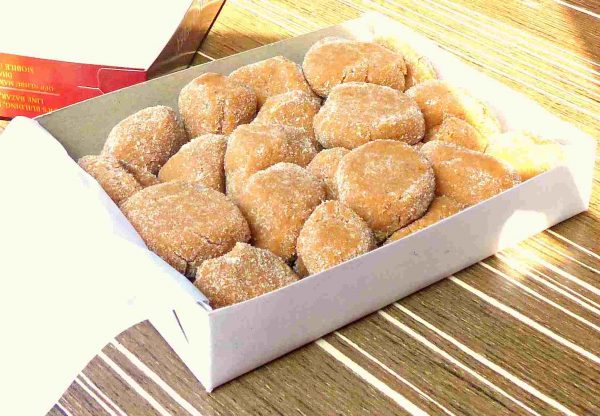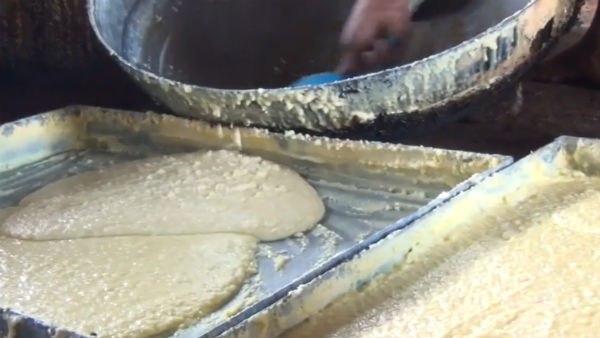
There are many stories swirling around the origin of the legendary Dharwad pedha. One story suggests that the jahagirdars (zamindars) of Hebballi, a village near Dharwad brought Ayodhya Prasad Mishra from Varanasi back in 1895. The jahagirdar used to visit Uttar Pradesh frequently to buy horses and thus, along with Ayodhya Prasad, started the migration of the Thakurs to Dharwad.... Continue Reading →
Himachali Kala Zeera
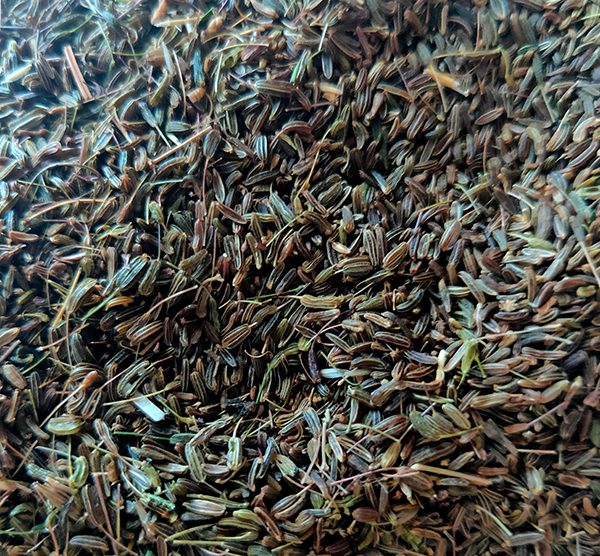
Himachali Kala Zeera or black cumin is one of the most economically important medicinal plant and spice that grows largely in Himachal Pradesh. Generally known to be found as a wild plant in the forests and grassy slopes of the North-Western Himalayas, kala zeera thrives in the high mountainous regions of Kinnaur, Kullu, Chamba, Shimla,... Continue Reading →
Kalanamak Rice of Uttar Pradesh
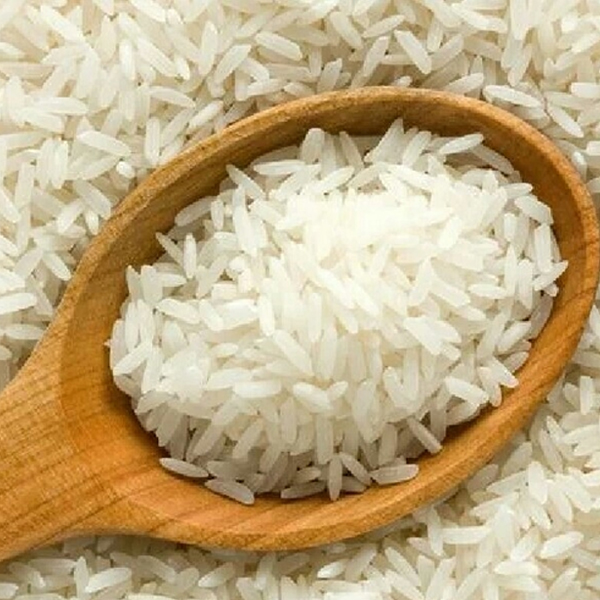
Kalanamak (‘Kala’ means black derived from the husk and the suffix ‘namak’ means salt) is one of the finest quality aromatic rice grown in India. This scented variety has been cultivated since 600 BC i.e., since and probably before the Buddhist era. It is also known as ‘Buddha rice’ as it is believed that Mahatma... Continue Reading →
Gulbarga Tur Dal of Karnataka
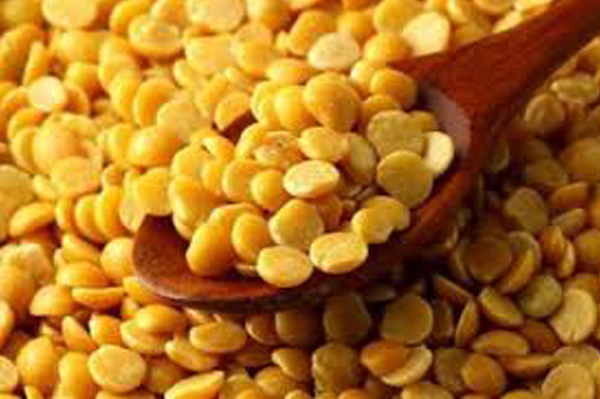
Gulbarga or Kalaburagi as it is known now is often called the ‘red gram bowl’ of Karnataka. Coined as the ‘land of tur dal’, Gulbarga accounts for the highest red gram production in Karnataka and roughly about a tenth of India’s total production. The tur dal or pigeon pea grown here is of superior quality... Continue Reading →
Kandhamal Haladi of Odisha
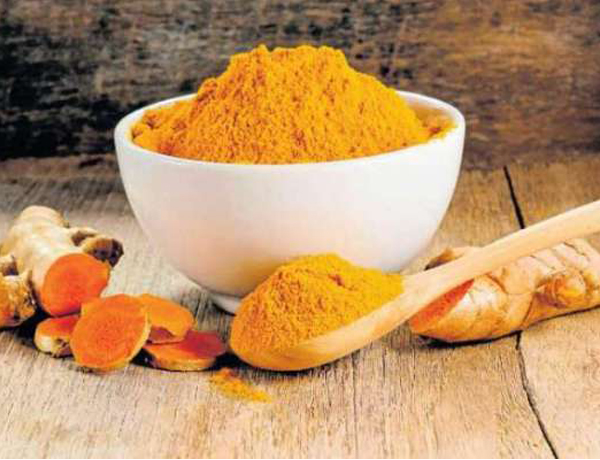
Kandhamal in the southern-central part of the state of Odisha is famous for its aromatic turmeric called as Kandhamal turmeric after the region where it is cultivated. Haladi as turmeric is known in Odia has been grown in this region for centuries by the tribals. About 60 - 70 percent of the area is hilly with... Continue Reading →
Ratlami Sev of Madhya Pradesh
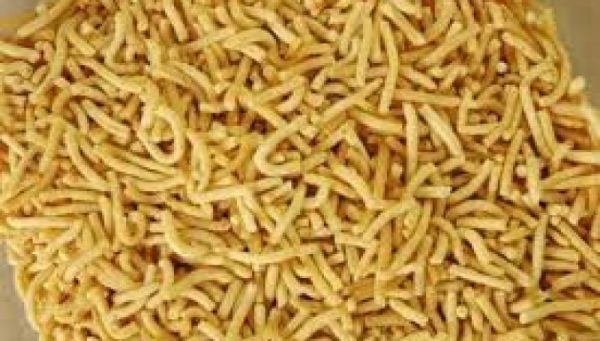
Ratlam, now a small town in the Malwa region in Madhya Pradesh was actually a princely state with great culture and heritage. Formerly known as Ratnapuri, Ratlam now is an important junction in Madhya Pradesh and most of the long-distance trains from West and South of India pass through this junction while travelling northwards. The... Continue Reading →
Naga Tree Tomato
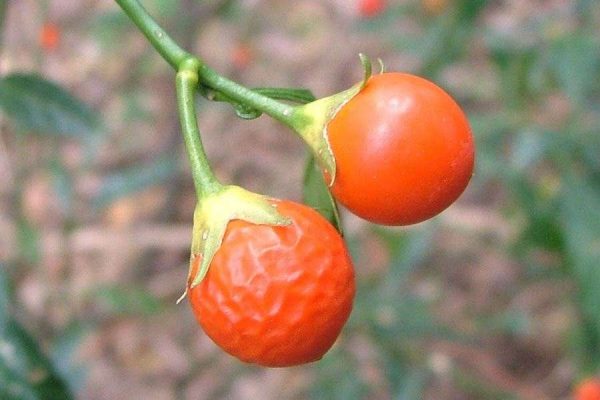
Nagaland is a North eastern Indian state rich in vegetation and famous for its organic farming. The unique traits of the fertile soil, subtropical climate and average annual rainfall ranging from 1800 mm – 2500 mm has aided the production of organic crops as well as traditional farming methodology. Naga tree tomato according to... Continue Reading →
Odisha Rasagola
Historical records of the origin of the mouth-watering Odisha Rasagola dates back to at least 800 years. There is a sacred tradition of rasagolas offered to Lord Jagannath as part of bhog for centuries. It is believed that the culinary delight formed a significant part of the age-old rituals of Niladri Bije of the Jagannath temple... Continue Reading →
Uttarakhand Tejpat
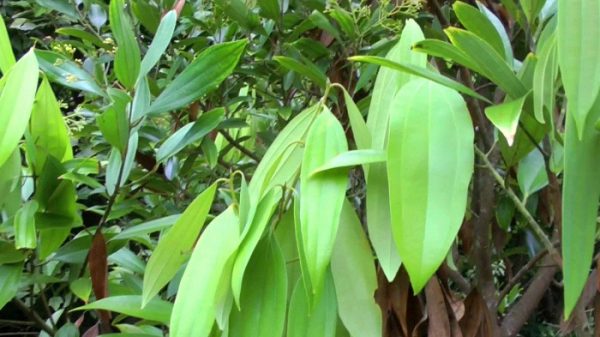
The aromatic Indian Bay Leaf is one of the oldest and most popular spices used in most cuisines of the world. The active ingredient Cinnamaldehyde is found in high quantity in the famed Uttarakhand Tejpat also known as Meetha Tejpat and used in the preparation of Chyavanprash, Ayurvedic medicines and in the spice industry. Uttarakhand Tejpat... Continue Reading →
Shahi Litchi of Bihar
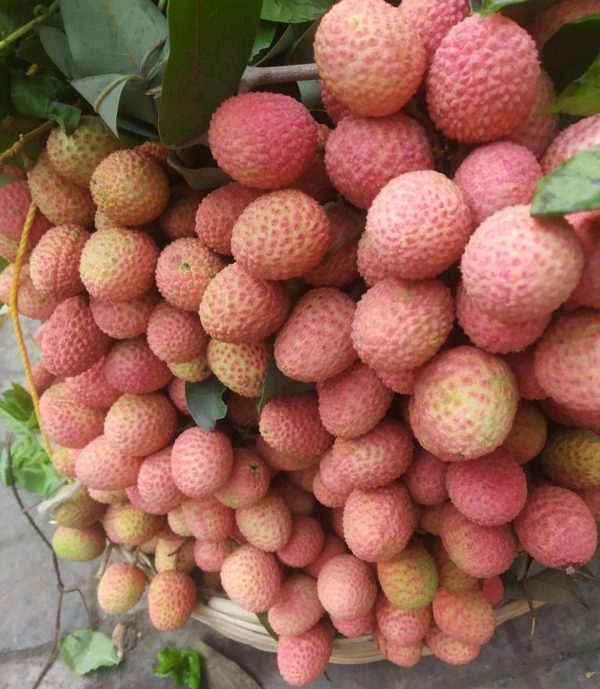
Litchi or lychee was initially introduced in Bengal and gradually spread to Bihar, Uttar Pradesh and Punjab. The humid conditions and alluvial soil which is rich in calcium in Muzaffarpur and Darbhanga as well as nearby areas proved ideal for litchi cultivation in Bihar. In fact, litchi has been an important fruit crop of Muzaffarpur... Continue Reading →
Jeeraphool Rice of Chhattisgarh
Chhattisgarh, traditionally known as the rice bowl of India is home to over 20,000 varieties of indigenous rice. The somewhat wild types, cultivated types, aromatic and non-aromatic rice have a vast diverse presence throughout the state. Each district in Chhattisgarh has a unique aromatic rice variety that has been in existence for hundreds of years.... Continue Reading →
Allahabad Surkha Guava
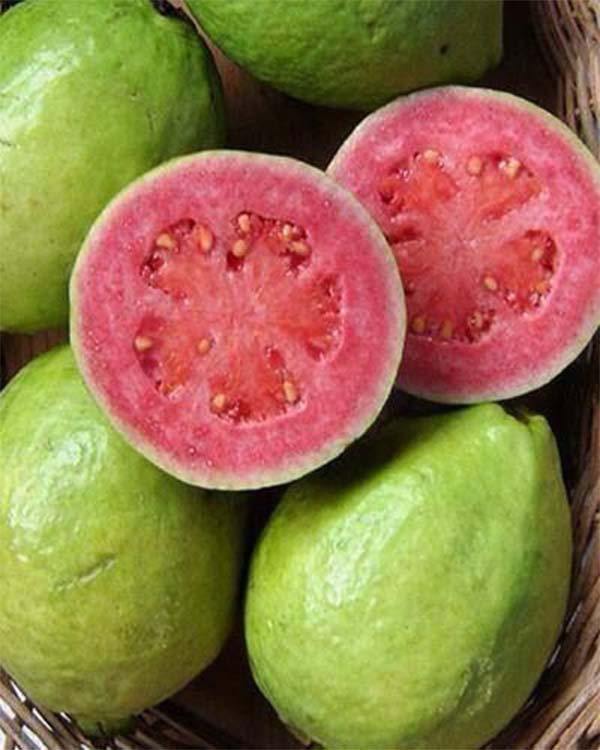
A famous poet Akbar Allahabadi from Prayagraj had once remarked in the late 1800s that the guava of Allahabad is a divine fruit whose rightful place is in the land of God. His words it would appear carries tremendous weight as over the years, Allahabad Surkha Guava is often called as a heavenly delight by... Continue Reading →
Kovilpatti Kadalai Mittai
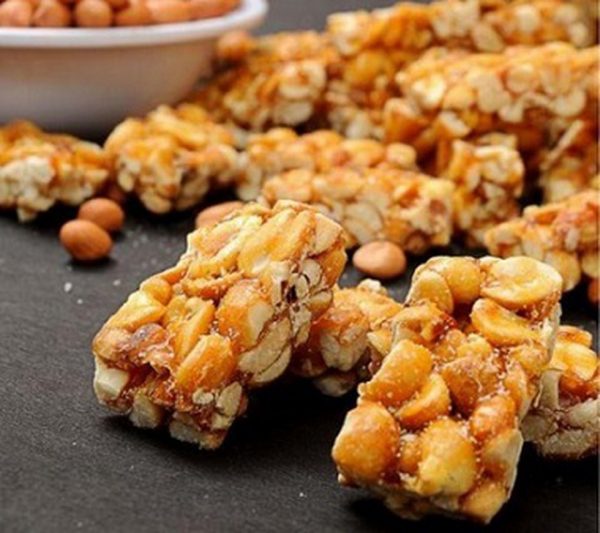
In the 1940s, Ponnambala Nadar, a resourceful grocery store owner decided to use sugarcane jaggery (gur) and peanuts to make the kadalai mittai shifting from the traditional preparation of Kovilpatti Kadalai Mittai using palm jaggery and groundnuts locally available in nearby districts. Locals say that for decades Kovilpatti kadalai mittai was prepared during village festivals... Continue Reading →
Byadagi Chilli (Byadgi Chilli) of Karnataka
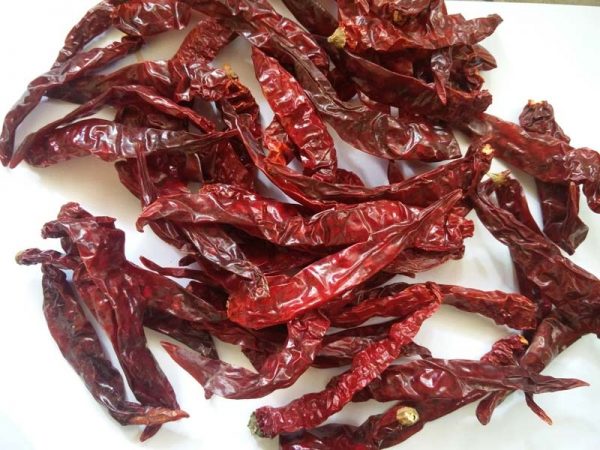
The Byadagi Chilli that is mainly grown in the districts of Dharwad, Haveri and Gadag in the state of Karnataka is famous for its essentially sweet and not spicy nature and its importance in the oleoresin industry. Byadagi chillies are fully wrinkled, long in size and have the highest level of dark red in the... Continue Reading →
Sirsi Supari
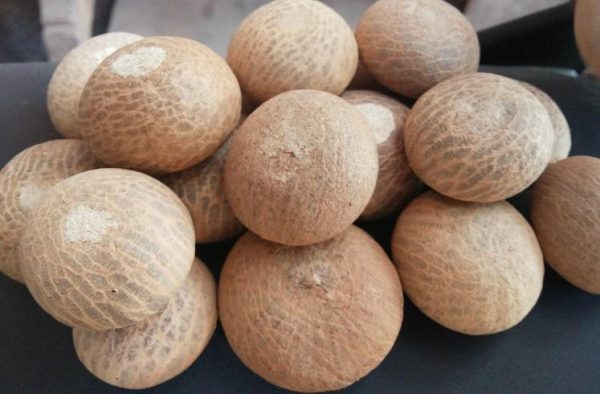
Chewing areca nut or betel nut or 'supari' as it is commonly known has been prevalent for at least 2000 years if not more with its history being traced back to the Aryans. It is believed that areca nut or supari has been grown extensively since the Vedic period. One finds innumerable references of... Continue Reading →
Srivilliputtur Palkova
Srivilliputtur is not only famous for Sri Aandal temple but also for the legendary 'palkova' - a sweet made from cow's milk and sugar. Locals say that it has been traditionally manufactured and sold since 1940 and is the main cottage industry of the Srivilliputtur area. The history of this delicious palkova can be... Continue Reading →
Himachali Chulli Oil
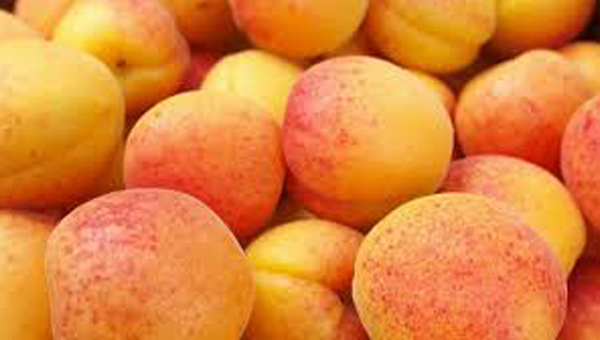
Even though chulli or wild apricot grows abundantly in the districts of Shimla, Kullu, Chamba, Sirmour, Kinnaur and Lahaul-Spiti of Himachal Pradesh, it is primarily identified with Kinnaur. Chulli oil or otherwise locally known as ‘Gutti ka tel’ is extracted from the kernels of wild apricots in almost all the households for domestic consumption. ... Continue Reading →
Magahi Paan
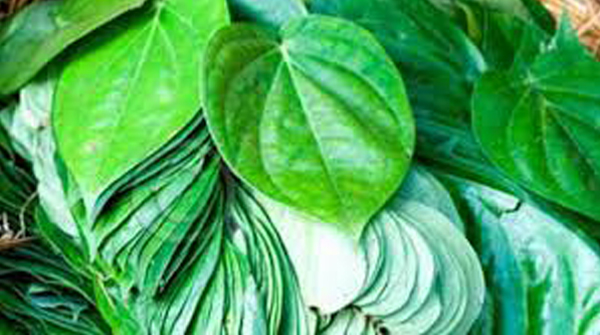
Paan ka patha or betel leaf has been inherent in the ancient culture of India where it features as an important symbolism in the lives of aristocrats as well as commoners. Its use in India dates back to 400 BC where ancient books of Ayurveda, Charaka, Sushruta and others mention the importance of chewing betel leaf... Continue Reading →
Chak-hao of Manipur
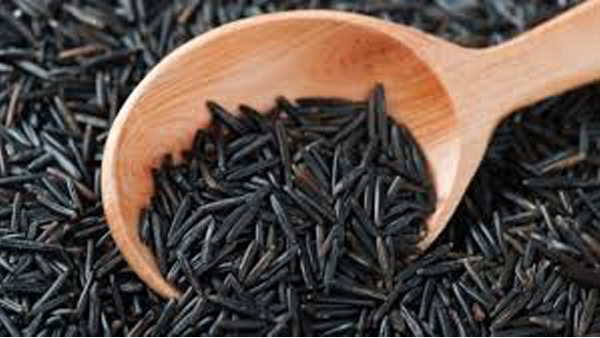
Chak-hao, an indigenous black rice has been cultivated in the plains and hills of Manipur and Nagaland for centuries. This scented glutinous rice has an intense dark purple-hued outer bran layer which almost looks black, a distinctive fragrance and taste. The two varieties of Chak-hao namely Chak-hao Poireiton and Chak-hao Ambui are used largely for... Continue Reading →
Kodaikanal Malai Poondu
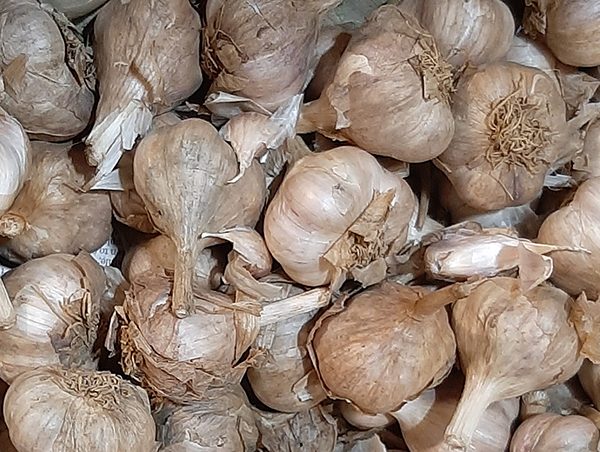
The picturesque Kodaikanal Hills in Dindigul district is famous for its lush greenery, ancient temples of Lord Murugan and of course, the exotic Kodaikanal Malai Poondu (Kodaikanal Hill Garlic). Also known as Melmalai Poondu, this centuries-old indigenous crop is known for its medicinal and preservative properties. The heady aroma and unique taste are attributed... Continue Reading →
Govind Bhog Rice and Katarni Rice of Bihar
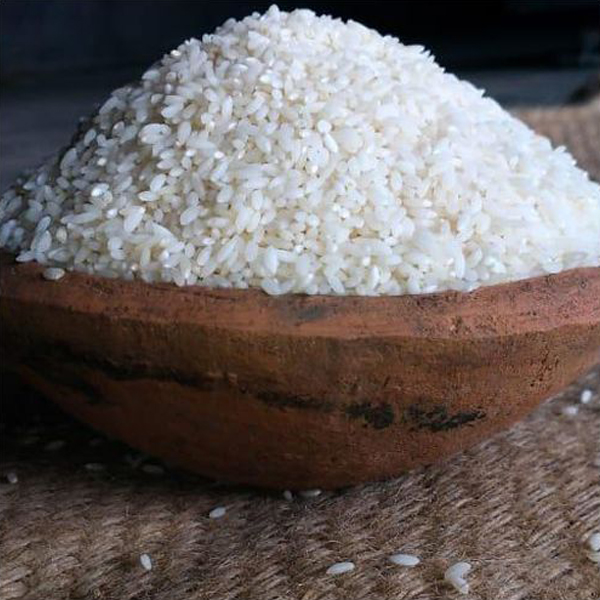
The legendary Govind Bhog rice that derives its name from its usage as the main ingredient in the preparation of offerings to Lord Govinda has a very interesting history behind its cultivation in the Kaimur district of Bihar. Mokri village that is situated under the Maa Mundeshwari hill of Kaimur district of Bihar is... Continue Reading →
Bikaner – A Street Food Paradise
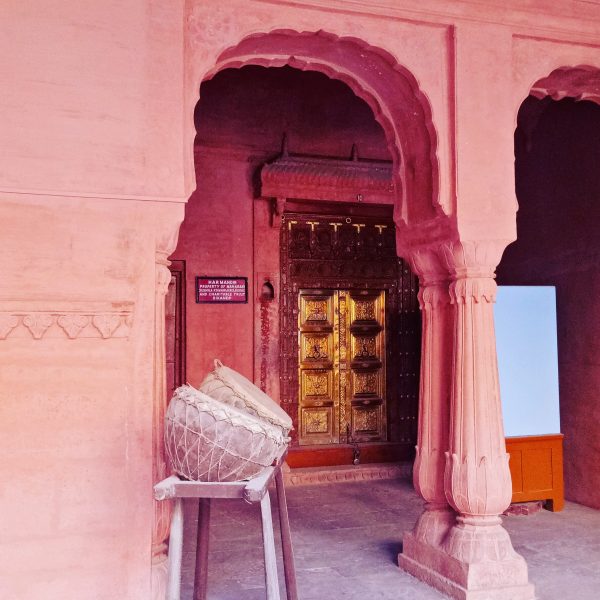
Bikaner is a land of staggering wealth, beauty, music, culture and food so unique that it will surely send you to a heavenly world for a few hours at least! Bikaner, situated in the middle of the Thar desert is a princely state since about the 15th century. What is quite remarkable is the staunch... Continue Reading →