Travel Guide of India – Indigenous Food, Ancient Caves, Ancient Temples, Archaeological Sites, Historical Places, Agricultural Crops, Heritage, Culture, Art, Architecture, Gardens, Music, Dance, Crafts, Photography, Books, Advertising and more.
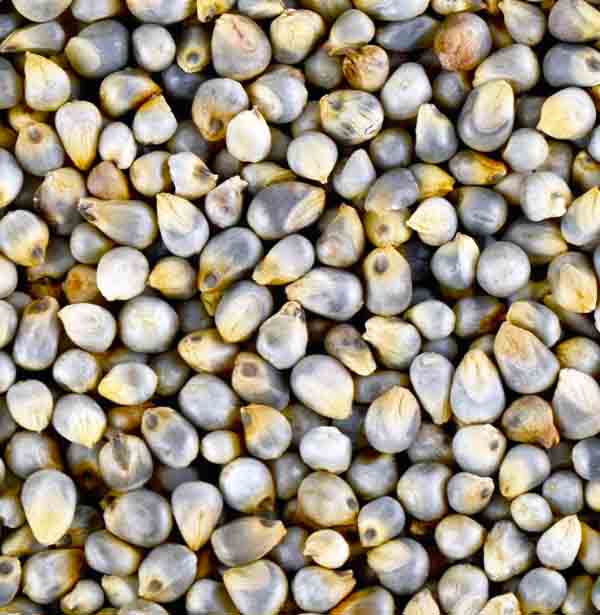
Bhind district prone to drought and very less rainfall has in recent years become the hub for bajra and jowar cultivation. Small and marginal farmers who were highly dependent on rainwater for their farmlands for decades decided to shift to cultivating millets that would survive in these harsh climatic conditions and arid and semi – arid areas with minimal use of fertilizers and pesticides.
This brought about a significant increase in their income, overall production and domestic demand for their excellent produce. In fact, even today farmers have adopted zero, natural and organic farming to maintain the quality, for soil rejuvenation and nourishment and to increase the total production per hectare.
It is estimated that bajra is grown in over 2 lakh hectares of land in Madhya Pradesh with the districts of Bhind, Morena, Gwalior and Sheopur having the highest area under cultivation and production in the state. Bajra and jowar are short – duration crops grown in the kharif season in this district.
Bhind bajra is sold to nearby markets within the state and to Rajasthan, Delhi, Uttar Pradesh, Maharashtra, Bihar and Odisha. Bajra ki maheri, bajra roti, bajra cookies, bajra biscuits, bajra laddoo and bajra flour are some of the most popular value – added products prepared from Bhind bajra.
Bajra is rich in protein, iron, zinc, sodium, magnesium, phosphorus and zinc, fibre and vitamins. It is also used as feed for chickens and cattle.
The medicinal, healing and nutritional properties of all millets is immense and it is highly recommended to include one millet in one’s daily diet.

 sahasa.in
Leave a comment