Travel Guide of India – Indigenous Food, Ancient Caves, Ancient Temples, Archaeological Sites, Historical Places, Agricultural Crops, Heritage, Culture, Art, Architecture, Gardens, Music, Dance, Crafts, Photography, Books, Advertising and more.
It is perhaps not known to many that Bharat is the second largest producer of green peas in the world contributing a little more than 15 percent to the total production. The states of Uttar Pradesh, Madhya Pradesh, Punjab, Jharkhand and Himachal Pradesh have the highest area under cultivation and production in the country.
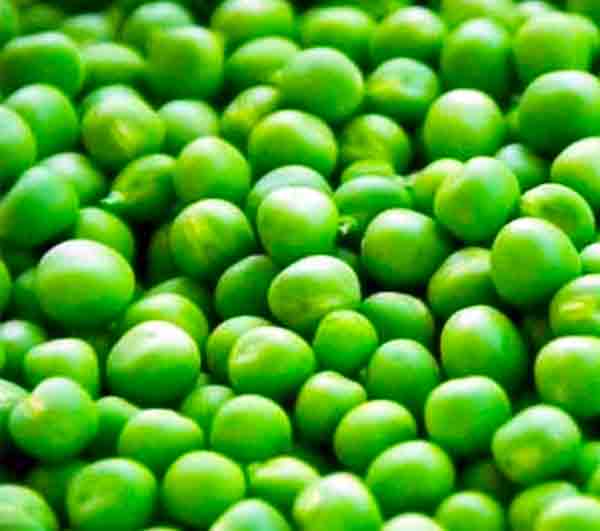
Green pea (Pisum sativum) is an economically important crop for the small and marginal farmers in the districts of Jabalpur, Tikamgarh, Dewas, Ujjain, Narsinghpur, Ratlam and Chhindwara. It is estimated that over 30,000 hectares of land is under green pea cultivation in Jabalpur alone with an average annual production of over 2,40,000 metric tonnes.
The record output and annual turnover of more than 400 crores has propelled the farmers to seek recognition for their unique green peas. The Department of Horticulture and Food Processing has recently processed the branding of this green pea assigning it the name of Jabalpuri Matar.
Small and marginal farmers have hugely benefited from the fertile land, waters of the Narmada River, soil rich in organic matter and prevailing climatic conditions. Green pea is primarily a short – duration rabi crop grown in September to January.
Native and high – yielding varieties like Arkel, JP – 885, Ambika, Pusa Prabhat, Arka Apoorva and others are grown across this district. Jabalpuri matar is loved by locals for its natural sweetness and taste. It is used to prepare soups, curries, parathas and chaats.
The frozen peas industry has been progressing well and now exports to Japan, Singapore, The Gulf and USA. A sizeable portion of the fresh produce is sold locally and in the markets of Delhi, Bihar, Maharashtra, Uttar Pradesh, Odisha and Gujarat.

 sahasa.in
Leave a comment