Travel Guide of India – Indigenous Food, Ancient Caves, Ancient Temples, Archaeological Sites, Historical Places, Agricultural Crops, Heritage, Culture, Art, Architecture, Gardens, Music, Dance, Crafts, Photography, Books, Advertising and more.
Madhya Pradesh, a pioneer in organic, zero and natural farming has in recent years developed a formidable reputation in the country as a leader in agricultural production and food processing. This state has eleven agro – climatic zones which favour the cultivation of multitude of crops, vegetables, fruits, aromatic and medicinal plants and flowers throughout the year.
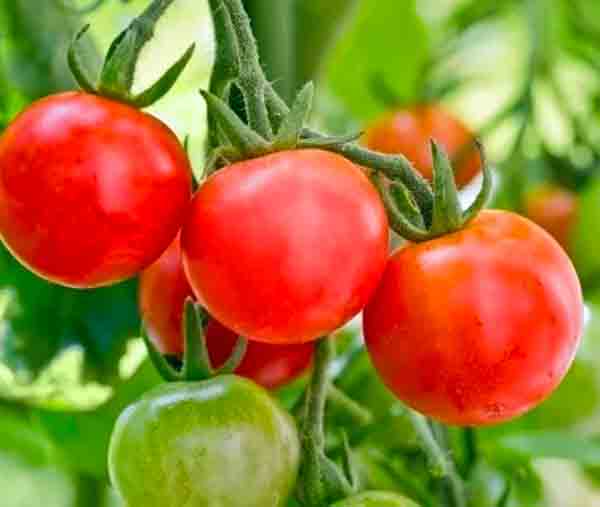
One of the most important commercial crops grown across the state is tomato. In fact, the state of Madhya Pradesh has the largest area under tomato cultivation and contributes a little more than 15 percent to the total production in the country.
The primary tomato clusters are Shivpuri, Chhindwara, Jhabua, Anuppur, Damoh, Datia, Katni, Raisen, Sagar, Satna, Singrauli and Ashoknagar. Anuppur is blessed with the waters of the Son River and is famous for its mango, millets, tomato, wheat, rice and maize.
Small and marginal farmers particularly women farmers have taken a serious interest in tomato cultivation and prefer to grow both native and high – yielding varieties offered by the central and state government like F1 hybrid, Pusa Early Dwarf, Arka Saurabh, Arka Vikas and some Shankar varieties as well.
Though tomato is grown throughout the year, the peak harvest season is during the months of October, December and January. As these tomatoes are cultivated using organic farming techniques, they have a vibrant colour, good size and shape and are pulpy and juicy. They are rich in potassium and Vitamin B, C and K.
Tomato paste, ketchup, sauce, pickles, juice, puree, jams, rice masala pastes and others are the main processed products from raw tomatoes. The Anuppur tomato is preferred by local processing units for its juiciness, colour and ideal sweetness – tanginess.
The establishment of additional food processing units, food clusters and food parks in this district will go a long way to help the farmers, prepare more value – added products and increase export potential.

 sahasa.in
Leave a comment